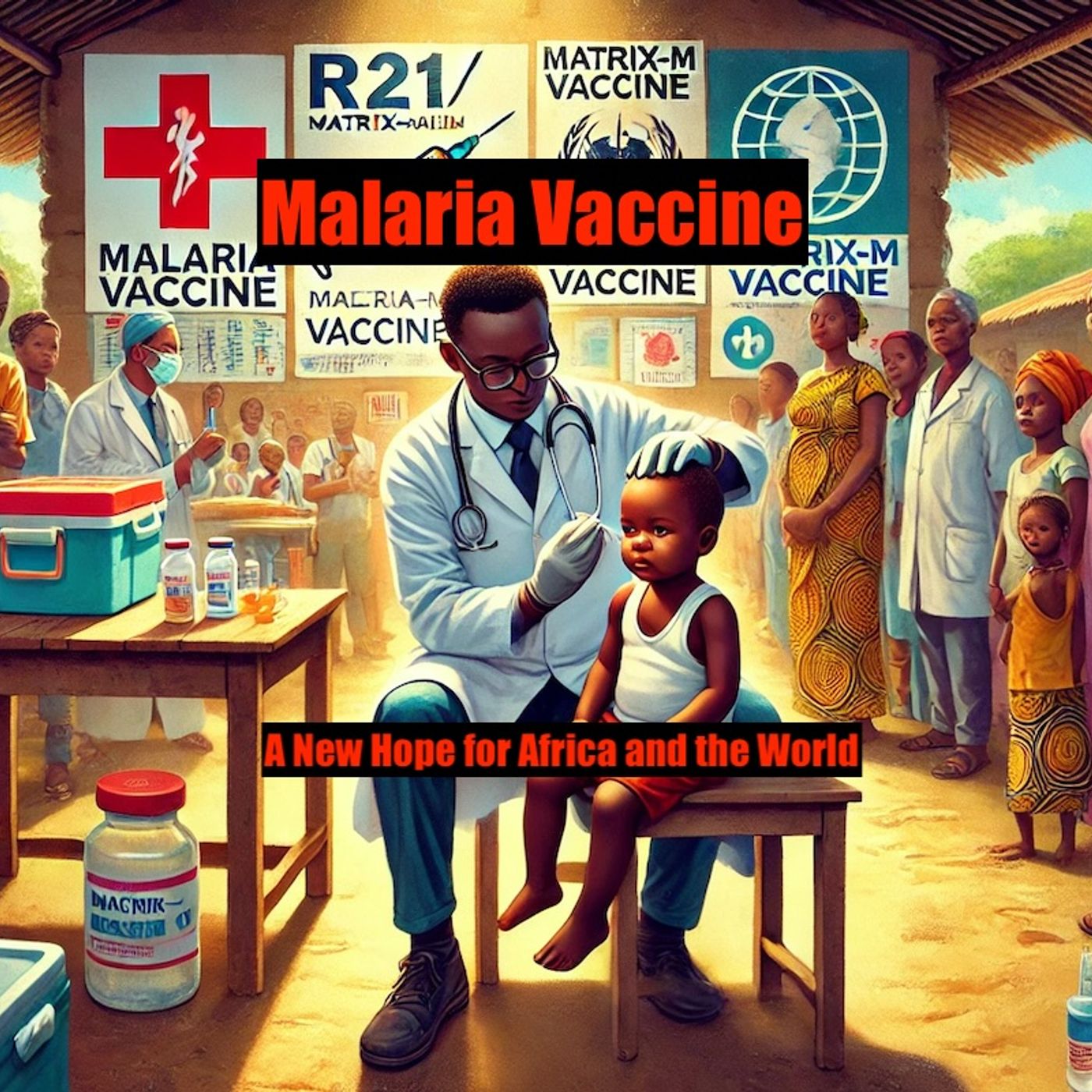
In recent developments, the global fight against malaria has seen both challenges and significant advancements, particularly with the ongoing implementation of new malaria vaccines.
Climate change is posing a formidable threat to the progress made in eradicating malaria. Rising temperatures and altered rainfall patterns are expanding the geographic distribution of mosquitoes that spread the disease. According to the World Health Organization's (WHO) latest World Malaria Report, warming temperatures are extending the breeding season for mosquitoes and speeding up the growth cycle of malaria parasites, potentially undermining gains in vulnerable regions[1].
Despite these challenges, the introduction of new malaria vaccines has marked a significant milestone. The R21/Matrix-M vaccine, recently endorsed by the WHO, has demonstrated unprecedented safety, efficacy, and cost-effectiveness in phase III trials published in February 2024. This vaccine, along with the RTS,S/AS01 vaccine, has been shown to reduce malaria cases by more than half during the first year after vaccination, with a fourth dose prolonging protection[2][3].
The rollout of these vaccines is well underway, with 17 countries in Africa already incorporating them into their childhood immunization programs as of December 2024. Additional countries are expected to follow suit in 2025. The Central African Republic, for instance, introduced the R21/Matrix-M vaccine into its routine Expanded Programme on Immunization (EPI) in August 2024, aiming to vaccinate around 200,000 children. This initiative is supported by WHO, UNICEF, and Gavi, the Vaccine Alliance, and is seen as a major step in reducing early child deaths and strengthening the fight against malaria[5].
The impact of these vaccines is already being observed. The RTS,S/AS01 vaccine, which has been in use since 2019, has been linked to a 13% reduction in deaths from all causes except injury and a 22% reduction in hospitalizations for severe malaria in countries like Ghana, Kenya, and Malawi[4].
However, challenges persist, including the evolution of malaria parasites and mosquitoes. Malaria parasites have developed resistance to nearly every drug deployed against them, including partial resistance to artemisinin in several African countries. Additionally, mosquitoes are evolving resistance to insecticides and expanding their geographic range, further complicating control efforts[4].
In conclusion, while climate change and evolutionary adaptations of malaria parasites and mosquitoes present ongoing hurdles, the introduction and widespread implementation of effective malaria vaccines like R21/Matrix-M and RTS,S/AS01 offer a promising avenue in the global fight against this deadly disease.
This content was created in partnership and with the help of Artificial Intelligence AI