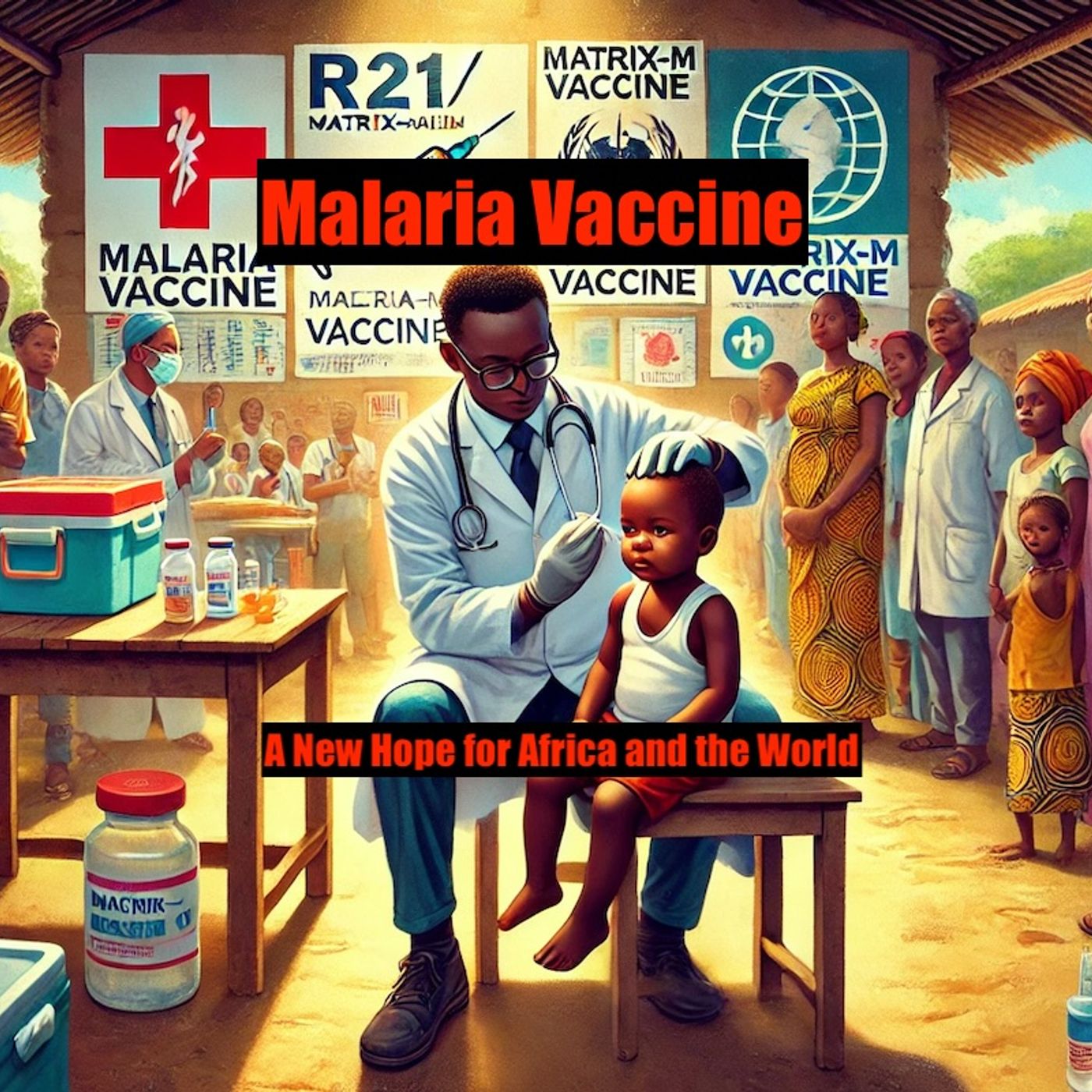
In the ongoing battle against malaria, recent developments have marked significant milestones in the rollout and effectiveness of malaria vaccines, particularly over the past few days.
As of early April 2025, the introduction of malaria vaccines has expanded to 19 countries, with these vaccines being integrated into routine childhood vaccinations. Uganda has been at the forefront of this effort, launching the largest malaria vaccine introduction to date, making it the 19th African country to do so[3].
The vaccines in question, RTS,S and R21, have been prequalified by the World Health Organization (WHO) and have demonstrated substantial efficacy in preventing malaria in children. Both vaccines have been shown to reduce malaria cases by more than half during the first year after vaccination, with a fourth dose in the second year of life prolonging protection. In areas with highly seasonal transmission, when given seasonally along with seasonal malaria chemoprevention, these vaccines can reduce malaria cases by as much as 75%[2].
The impact of these vaccines is expected to be high, with tens of thousands of young lives potentially saved each year through their widespread implementation. The WHO emphasizes that the highest public health impact is achieved when these vaccines are used in combination with other recommended preventive, diagnostic, and treatment strategies, tailored to the local context[2].
To further optimize the rollout of these vaccines, an Africa-Europe partnership has launched the Optimizing Malaria Vaccine Uptake (OPT-MVAC) consortium. This project aims to support the implementation of malaria vaccines in 14 Central and West African countries, ensuring better uptake and effectiveness of the vaccines[4].
Additionally, Gavi funding has been approved for 25 countries to support the malaria vaccine rollout, highlighting the global commitment to combating this disease[1].
These recent developments underscore the progress being made in the fight against malaria, with a multifaceted approach that includes vaccination, along with other control measures such as insecticide-treated nets (ITNs) and robust case management. As the rollout continues and expands, there is growing optimism about the potential to significantly reduce malaria-related illnesses and deaths, especially among children in high-risk areas.
This content was created in partnership and with the help of Artificial Intelligence AI