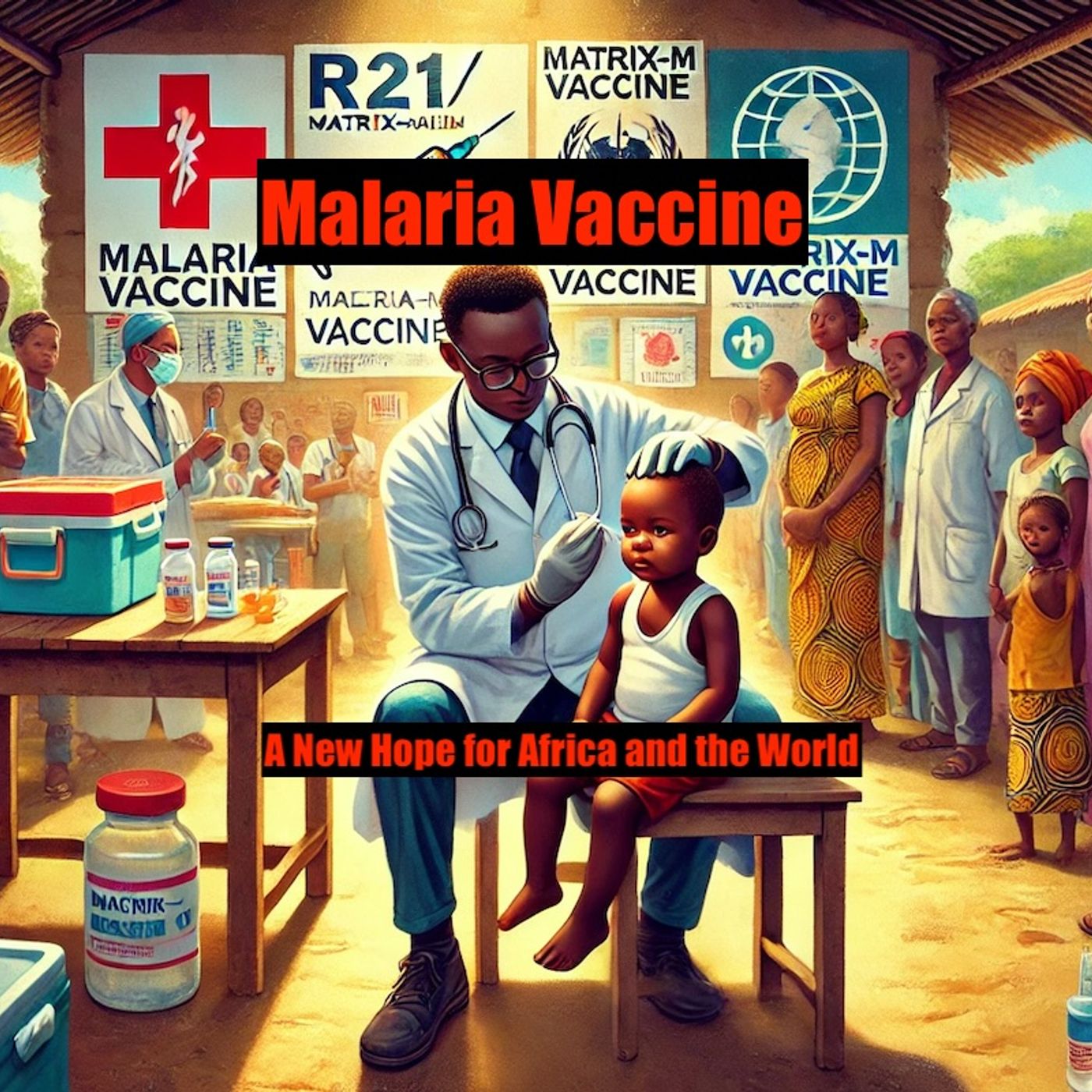
In recent developments, the fight against malaria has seen significant advancements, particularly with the rollout of malaria vaccines across Africa. As of early April 2025, 19 countries on the continent have integrated malaria vaccines into their childhood immunization programs, with Uganda being the latest to join this effort.
Uganda's launch of the malaria vaccine introduction is notable as it marks the largest such initiative to date. This move aligns with the broader strategy of incorporating malaria vaccines into national malaria control plans, a trend seen across countries such as Benin, Burkina Faso, Burundi, Cameroon, and many others[2].
The World Health Organization (WHO) has prequalified two malaria vaccines: RTS,S, which was approved in July 2022, and R21, approved in December 2023. Both vaccines have been shown to be safe and effective in preventing malaria in children, with the potential for a high public health impact. The RTS,S vaccine reduces uncomplicated malaria by approximately 40%, severe malaria by about 30%, and all-cause mortality by 13%[5].
The rollout of these vaccines is part of a comprehensive approach that includes other control measures such as the distribution of long-lasting insecticide-treated nets (ITNs) and enhanced case management. For instance, organizations like Power of Love are complementing vaccine efforts with the provision of 15,000 ITNs and education programs aimed at benefiting thousands of children and adults[4].
The demand for malaria vaccines is unprecedented, with at least 30 countries in Africa planning to introduce these vaccines into their immunization programs. The availability of two safe and effective vaccines ensures sufficient supply to meet this high demand, which is crucial given the major public health risk malaria poses in these regions[2].
As the introduction and scaling up of these vaccines continue, the global health community remains optimistic about the potential to significantly reduce malaria-related illnesses and deaths, especially among children living in areas with high malaria transmission. This multi-faceted approach underscores the commitment to combating malaria through a combination of vaccination, preventive measures, and robust public health strategies.
This content was created in partnership and with the help of Artificial Intelligence AI