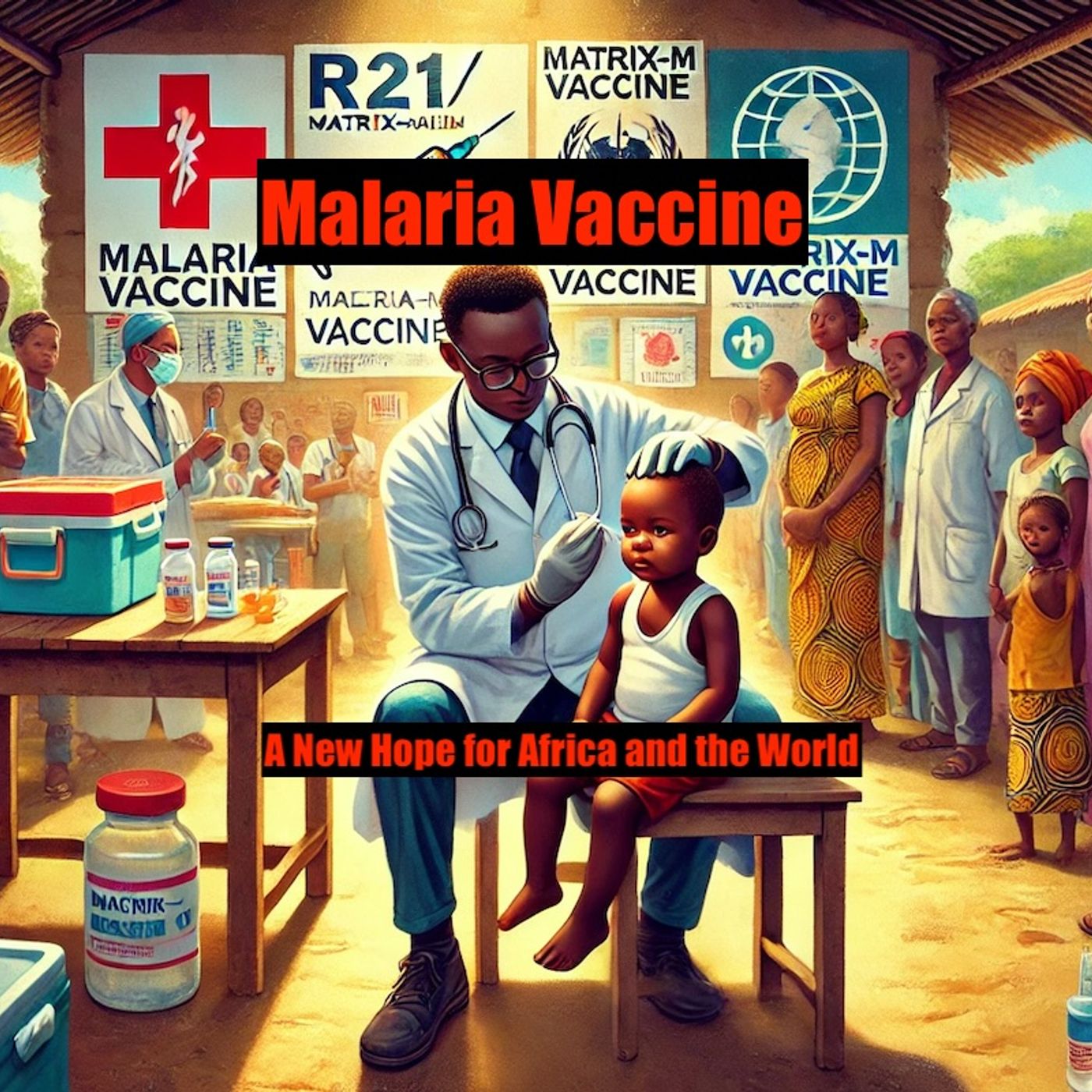
In recent developments, the fight against malaria has seen significant advancements, particularly in the rollout and development of malaria vaccines.
As of January 2025, the routine immunization program for malaria vaccines in Africa has achieved a milestone, with nearly 10 million doses of the malaria vaccine delivered across the continent in the first year of the program. This initiative, supported by the Gavi vaccine alliance, has been rolled out in 17 African countries, including Ghana, Kenya, Malawi, and Cameroon, among others. The vaccines, specifically RTS,S and R21/Matrix-M, have shown promising results, with a 13% drop in mortality and substantial reductions in severe malaria illness and hospitalizations during the pilot phase from 2019 to 2023[1][3].
The RTS,S and R21/Matrix-M vaccines are recommended by the World Health Organization (WHO) for the prevention of _Plasmodium falciparum_ malaria in children living in malaria-endemic areas. Both vaccines have been prequalified by WHO and have demonstrated high public health impact, reducing malaria cases by more than half during the first year after vaccination. A fourth dose given in the second year of life prolongs this protection[3].
In addition to these existing vaccines, new breakthroughs are on the horizon. The PfSPZ-LARC2 vaccine, developed by scientists at Sanaria and the Seattle Children's Research Institute, offers high-level protection with just one dose. This vaccine employs genetic engineering to ensure the malaria parasites replicate only in the liver and not in the blood stage, where they could cause disease. The PfSPZ-LARC2 vaccine has the potential to achieve up to 90% protection against malaria infection, making it a significant advancement in global health efforts[2].
Meanwhile, other research initiatives are also gaining traction. Ocean Biomedical has received additional funding from the National Institutes of Health (NIH) to advance their malaria vaccine research. Led by Dr. Jonathan Kurtis, the team is studying naturally occurring immune responses in children who have developed resistance to malaria, focusing on a unique protein called glutamic acid-rich protein (GARP). This research aims to develop a vaccine that blocks the malaria parasite's ability to enter and exit red blood cells, with potential human trials as early as the fourth quarter of 2025[5].
Despite these positive developments, challenges persist. The recent freezing of US aid to malaria projects has raised concerns about the impact on global malaria control efforts. The US had been a major contributor to malaria funding, providing up to $1 billion annually. The sudden cut in funding comes at a critical time, with new variants of the disease spreading in Africa and the emergence of drug and insecticide resistance. This disruption could severely affect supply chains, rural hospitals, and programs aimed at controlling the disease[4].
In summary, while significant progress has been made in the rollout and development of malaria vaccines, ongoing challenges, including funding cuts and emerging resistance, highlight the need for continued support and innovation in the fight against malaria.
This content was created in partnership and with the help of Artificial Intelligence AI