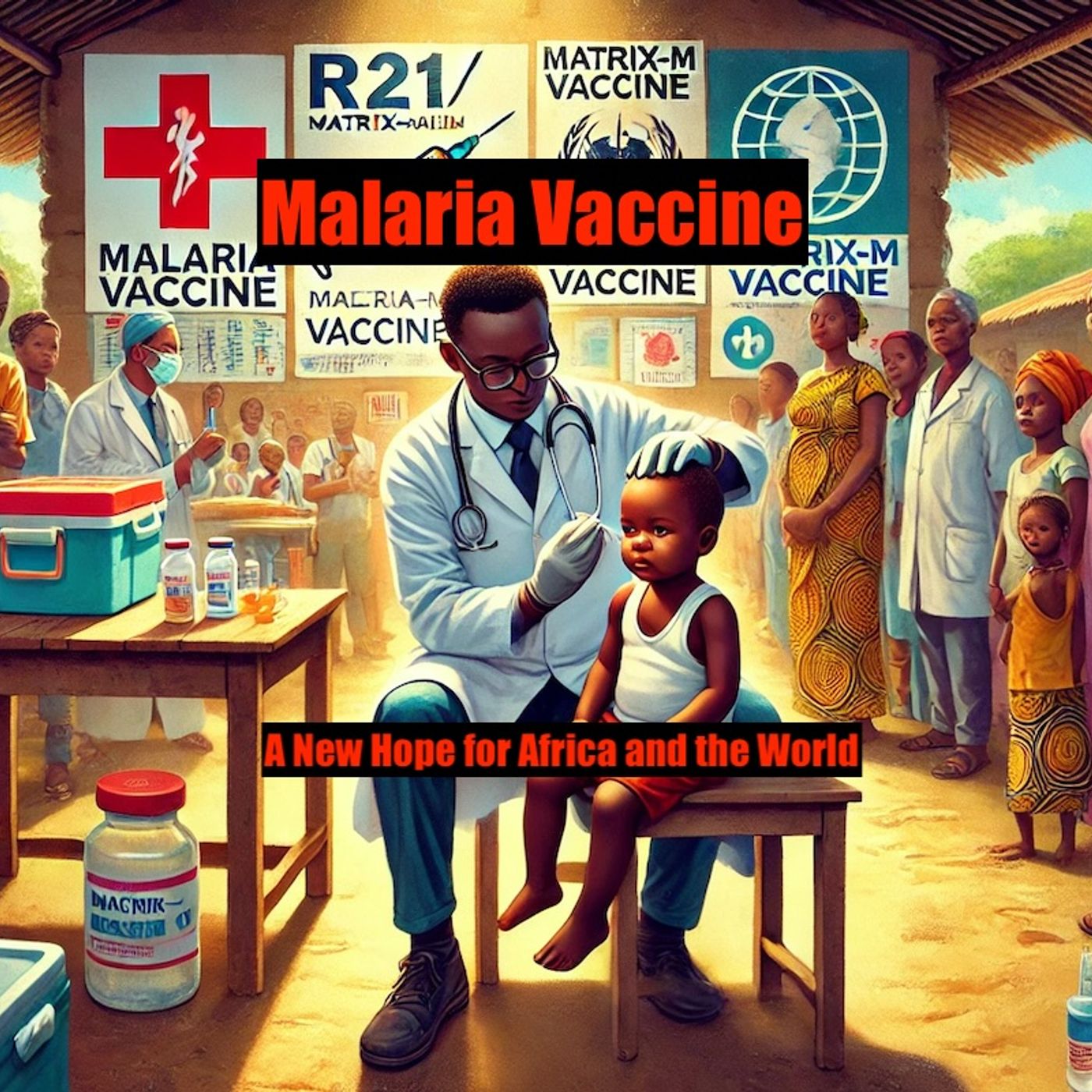
In the ongoing battle against malaria, several recent developments have highlighted both the challenges and the promising advancements in vaccine technology.
Over the past few days, attention has been drawn to the clinical trials of new malaria vaccine candidates. One significant development involves BioNTech's mRNA-based malaria vaccine, BNT165e. However, the US Food and Drug Administration (FDA) has recently placed a clinical hold on the Phase I/II trial of this vaccine, citing the need for unspecified changes. BioNTech has complied with the FDA's request and paused the study, which had enrolled 177 healthy volunteers to test the safety, efficacy, and pharmacokinetics of the vaccine. This setback comes as BioNTech was preparing to announce the primary readout from the trial later this year[5].
Despite this temporary halt, other vaccine candidates continue to show promise. Researchers at the Seattle Children’s Research Institute, in collaboration with Sanaria, have made significant strides with a novel malaria vaccine called PfSPZ-LARC2. This genetically engineered vaccine, which involves the deletion of two parasite genes, has demonstrated the ability to stimulate a strong immune response without causing malaria symptoms. The vaccine has shown 100% protection against infection in animal models and is set to enter clinical safety and efficacy trials this summer in the U.S., Germany, and Burkina Faso[2].
The PfSPZ-LARC2 vaccine represents a second-generation approach to malaria vaccination, using a live attenuated parasite to target a broader range of antigens compared to current subunit vaccines like RTS,S/AS01 and R21/Matrix-M. These existing vaccines, while effective in reducing uncomplicated and severe malaria, have limitations in preventing further transmission of the parasite. The RTS,S/AS01 vaccine, for instance, has been recommended by the World Health Organization (WHO) for widespread use in children living in areas with moderate to high malaria transmission, but it offers only moderate protection against the disease[3].
The WHO and global health organizations are pushing for more effective malaria vaccines as part of the Malaria Vaccine Technology Roadmap, aiming to develop vaccines with at least 75% protective efficacy against clinical malaria by 2030. These efforts are crucial given the ongoing burden of malaria, with the WHO estimating 263 million cases and 597,000 deaths in 2023, predominantly in Africa[3][5].
In addition to vaccine development, the upcoming 8th Pan-African Malaria Conference, hosted by the Multilateral Initiative on Malaria (MIM) Society in collaboration with the Ministry of Health and the Rwanda Biomedical Center, will focus on accelerating malaria drug discovery and local research initiatives. This conference, scheduled for April 2024 in Kigali, Rwanda, will bring together researchers, policymakers, and innovators to discuss the latest findings and challenges in controlling malaria in Africa[1].
These recent developments underscore the multifaceted approach being taken to combat malaria, from innovative vaccine technologies to collaborative research and policy initiatives. As the global health community continues to address the complexities of malaria, these advancements offer hope for a future where the disease can be significantly controlled or even eliminated.
This content was created in partnership and with the help of Artificial Intelligence AI