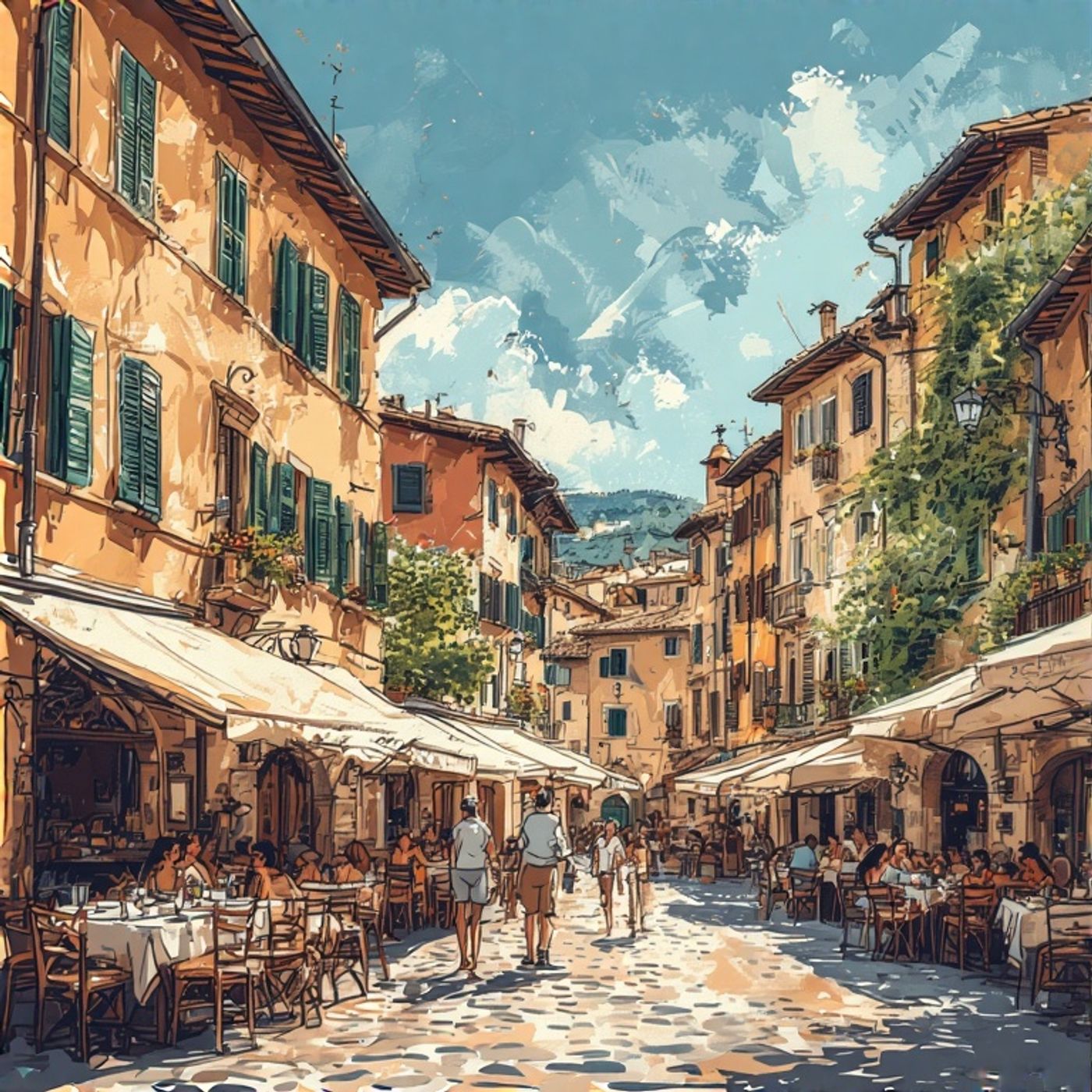
Il Caffè Florian – Storia e fascino di un simbolo veneziano
Caffè Florian – History and Charm of a Venetian Symbol
Benvenuti a un nuovo episodio di A proposito di Italia e di italiani.
Oggi vi porto in un luogo davvero speciale, elegante e pieno di storia: il Caffè Florian, il caffè più antico d’Italia e uno dei più famosi del mondo. Ci troviamo in Piazza San Marco, nel cuore di Venezia, tra colonne, mosaici e il suono delle gondole che scivolano sull’acqua.
Welcome to a new episode of About Italy and Italians.
Today I’m taking you to a truly special place, elegant and full of history: Caffè Florian, the oldest café in Italy and one of the most famous in the world. We are in St. Mark’s Square, in the heart of Venice, surrounded by columns, mosaics, and the sound of gondolas gliding through the water.
"Andemo da Florian!" (“Andiamo da Florian” nel dialetto locale): con questo invito, veneziani e foresti (come i veneziani chiamano i forestieri) si immergono da secoli nell'atmosfera unica di questo caffè.
"Let’s go to Florian!" (in local dialect): with this invitation, Venetians and visitors alike have been diving into the unique atmosphere of this café for centuries.
Il Caffè Florian apre le sue porte il 29 dicembre 1720, con il nome originario di Alla Venezia Trionfante. Il suo fondatore è Floriano Francesconi, un imprenditore veneziano con una grande passione per il caffè, la cultura e la socialità. In poco tempo, i veneziani cominciano a chiamare il locale semplicemente “il Florian”, dal nome del proprietario. E così è rimasto fino ad oggi.
Caffè Florian opened its doors on December 29, 1720, under the original name Alla Venezia Trionfante (literally “To the Triumphant Venice”). Its founder was Floriano Francesconi, a Venetian entrepreneur with a deep passion for coffee, culture, and social life. Soon, the locals started calling the place simply “Florian,” after its owner. And so it has remained to this day.
All’epoca, Venezia è una città vivace, elegante e cosmopolita. Il caffè è una novità esotica e molto in voga, simbolo di modernità e raffinatezza. I caffè diventano presto luoghi di incontro per artisti, scrittori, politici, commercianti e filosofi. Il Florian si distingue subito: è tra i più frequentati e amati. Qui si conversa, si scrivono lettere, si leggono giornali, si fanno affari e, a volte, nascono amori.
At that time, Venice was a lively, elegant, and cosmopolitan city. Coffee was an exotic novelty and very fashionable, a symbol of modernity and refinement. Cafés quickly became gathering places for artists, writers, politicians, merchants, and philosophers. Florian immediately stood out as one of the most popular and beloved spots. People would chat, write letters, read newspapers, do business, and sometimes even fall in love.
Questo locale è, sin dalla sua nascita, crocevia di mondi diversi e luogo d’incontro di umori e notizie in costante cambiamento: dagli affari di stato ai pettegolezzi locali, dalle discussioni politiche alle chiacchiere frivole sull’ultima moda. I nobiluomini veneziani si sedevano accanto ad ambasciatori, mercanti, cacciatori di fortuna, uomini di lettere e artisti, ma anche a semplici cittadini. Ancora oggi ci si può trovare seduti accanto a stelle del cinema o del teatro, nonché a personalità del mondo dell’arte, della cultura, della politica e degli affari.
Since its beginning, this café has been a crossroads of different worlds and a meeting place for moods and news in constant flux: from matters of state to local gossip, from political debates to lighthearted chats about the latest fashions. Venetian noblemen would sit beside ambassadors, merchants, fortune seekers, men of letters and artists, and also ordinary citizens. Even today, you might find yourself sitting next to film or theatre stars, as well as figures from the worlds of art, culture, politics, and business.
Tra i suoi clienti più illustri troviamo nomi come Giacomo Casanova, Carlo Goldoni, Lord Byron, Marcel Proust, Charles Dickens, Goethe e in anni più recenti Andy Warhol, Elton John e Clint Eastwood.
Among its most illustrious customers were Giacomo Casanova, Carlo Goldoni, Lord Byron, Marcel Proust, Charles Dickens, Goethe, and in more recent times, Andy Warhol, Elton John, and Clint Eastwood.
Comodamente seduti nelle magnifiche sale completamente restaurate a metà Ottocento, si può respirare la lunga e vivace storia della città che è passata davanti alle vetrate del locale: lo splendore e la caduta della Repubblica Serenissima, le cospirazioni segrete contro il dominio francese e poi austriaco, e ancora, durante i moti del 1848, la cura dei feriti all’interno delle sale. Il Caffè è rimasto aperto e attivo anche in tempo di guerra.
Comfortably seated in the magnificent rooms, fully restored in the mid-1800s, one can breathe in the long and vibrant history of the city that has passed before the café’s windows: the splendor and fall of the Venetian Republic, secret plots against French and later Austrian rule, and during the 1848 uprisings, the care of the wounded inside the halls. The café remained open and active even during times of war.
All’esterno, sotto i portici della piazza, si può gustare un caffè accompagnati dalla musica dell’orchestra che suona dal vivo. È un’atmosfera unica, sospesa tra passato e presente.
Outside, under the arcades of the square, you can enjoy a coffee accompanied by live music from the orchestra. It’s a unique atmosphere, suspended between past and present.
Naturalmente, i prezzi non sono economici. Ma sedersi al Florian è un’esperienza unica: si paga la bevanda, sì, ma anche l’atmosfera, la bellezza, il privilegio di essere parte – anche solo per un’ora – della storia di Venezia. È un piccolo rito veneziano, da fare almeno una volta nella vita.
Of course, the prices are not cheap. But sitting at Florian is a unique experience: you pay for the drink, yes, but also for the atmosphere, the beauty, the privilege of being—even just for an hour—a part of Venice’s history. It’s a small Venetian ritual everyone should try at least once in their life.
Se passate per Venezia, vi consiglio davvero di andarci almeno una volta. Guardate la piazza, ascoltate la musica, assaporate un caffè. E immaginate tutte le vite, le storie, i sogni che sono passati tra quei tavolini. Un luogo che non è solo un caffè, ma un frammento vivo della storia d’Italia.
If you happen to visit Venice, I truly recommend stopping by at least once. Look at the square, listen to the music, savor a coffee. And imagine all the lives, the stories, the dreams that have passed through those tables. It’s not just a café—it’s a living fragment of Italy’s history.
Alla prossima puntata!
See you in the next episode!