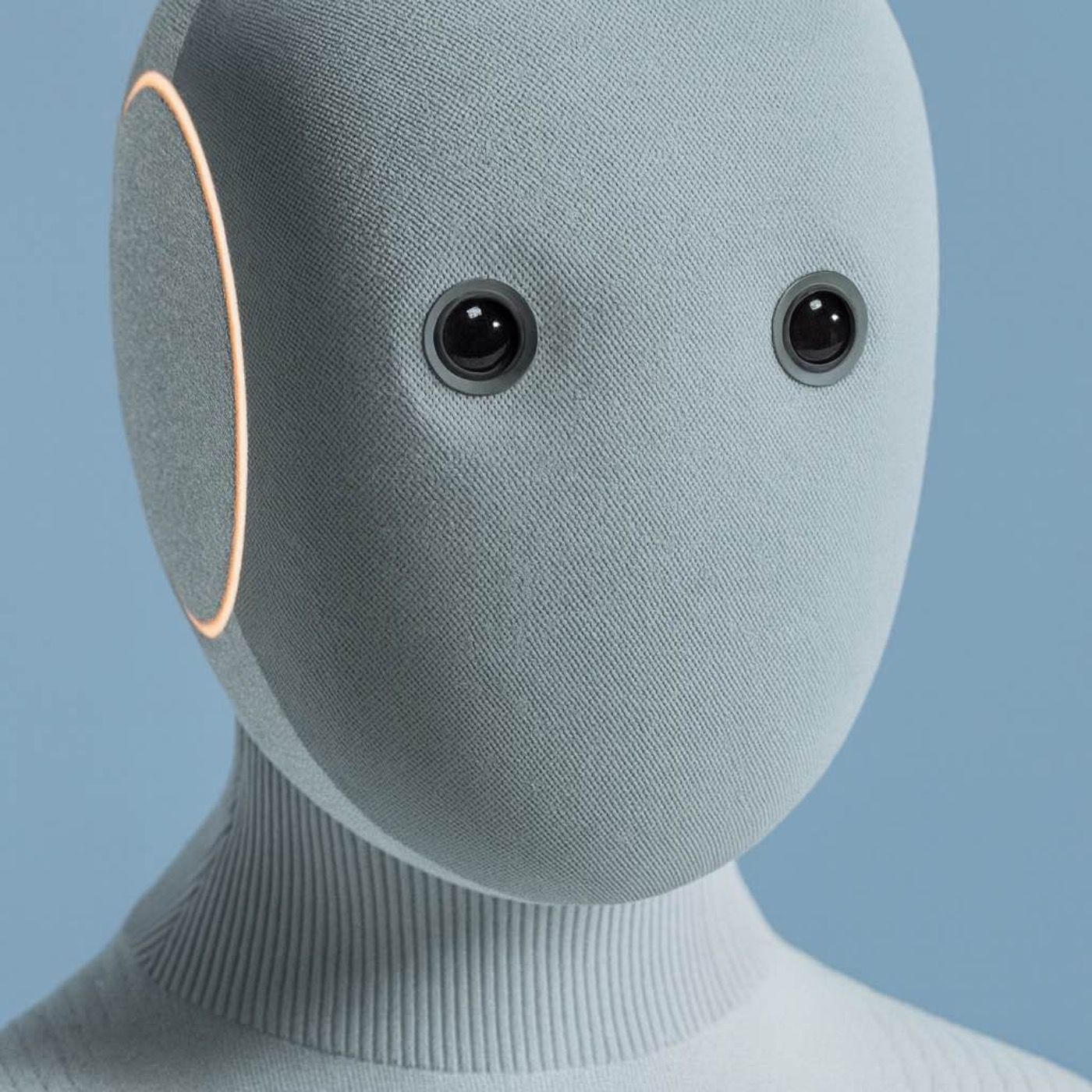
Welcome back to the show.Today we’re diving into one of the most hyped — and most controversial — promises in modern robotics: a humanoid home assistant called Neo. It’s marketed as a breakthrough in household automation, capable of folding laundry, washing dishes, and handling chores we’d all love to outsource. But is this the beginning of a new era… or just another polished illusion? Let’s find out.Neo is presented as a futuristic companion — a robot with humanlike movement, dexterity, and intelligence, designed to slide seamlessly into everyday life. The marketing promises are bold: a machine that understands your home, completes complex physical tasks, and elevates daily living to something out of science fiction. In theory, it’s the domestic revolution people have imagined for decades.But here’s the problem: the gap between the vision and the reality is enormous.Despite the cinematic demonstrations, most of Neo’s impressive behaviors are not the result of advanced autonomy. They’re the result of remote human control. The robot may look like it’s analyzing objects, making decisions, and executing the steps needed to, say, fold a shirt — but behind the scenes, a human operator is guiding much of the process. It’s a sophisticated puppet show dressed up as artificial intelligence.This raises the question: what exactly is being sold? A breakthrough product… or a fantasy wrapped in futuristic lighting?The deeper critique points to a growing trend in the AI and robotics industry — releasing unfinished, highly experimental technology while expecting early adopters to pay premium prices to act as beta testers. And in exchange for the privilege of testing a half-baked robot, users are asked to sacrifice an extraordinary amount of privacy. Every movement, every room scan, every household routine becomes another data point fed back into the company’s training systems.This approach mirrors the strategy used by other ambitious tech firms: deploy an immature product, collect enormous amounts of real-world data, and use that data to slowly build the intelligence the product was advertised as having from day one. It’s less about delivering a polished robot today, and more about acquiring the fuel necessary to eventually build one.Neo, in that sense, isn’t a finished assistant. It’s a data-harvesting machine wearing the costume of a domestic innovation.The dream of a general-purpose home robot is compelling — no doubt. But the message here is clear: consumers must look past the sleek demos and ask whether they’re buying a tool… or paying to help create one.The future of robotics is exciting, but it requires clear eyes, healthy skepticism, and an honest conversation about what’s real and what’s still just a promise.Join me next time as we break down more of the tech shaping our everyday lives — and the hype that comes with it. Hosted on Acast. See acast.com/privacy for more information.
Become a supporter of this podcast: https://www.spreaker.com/podcast/tech-talk-daily--6886557/support.