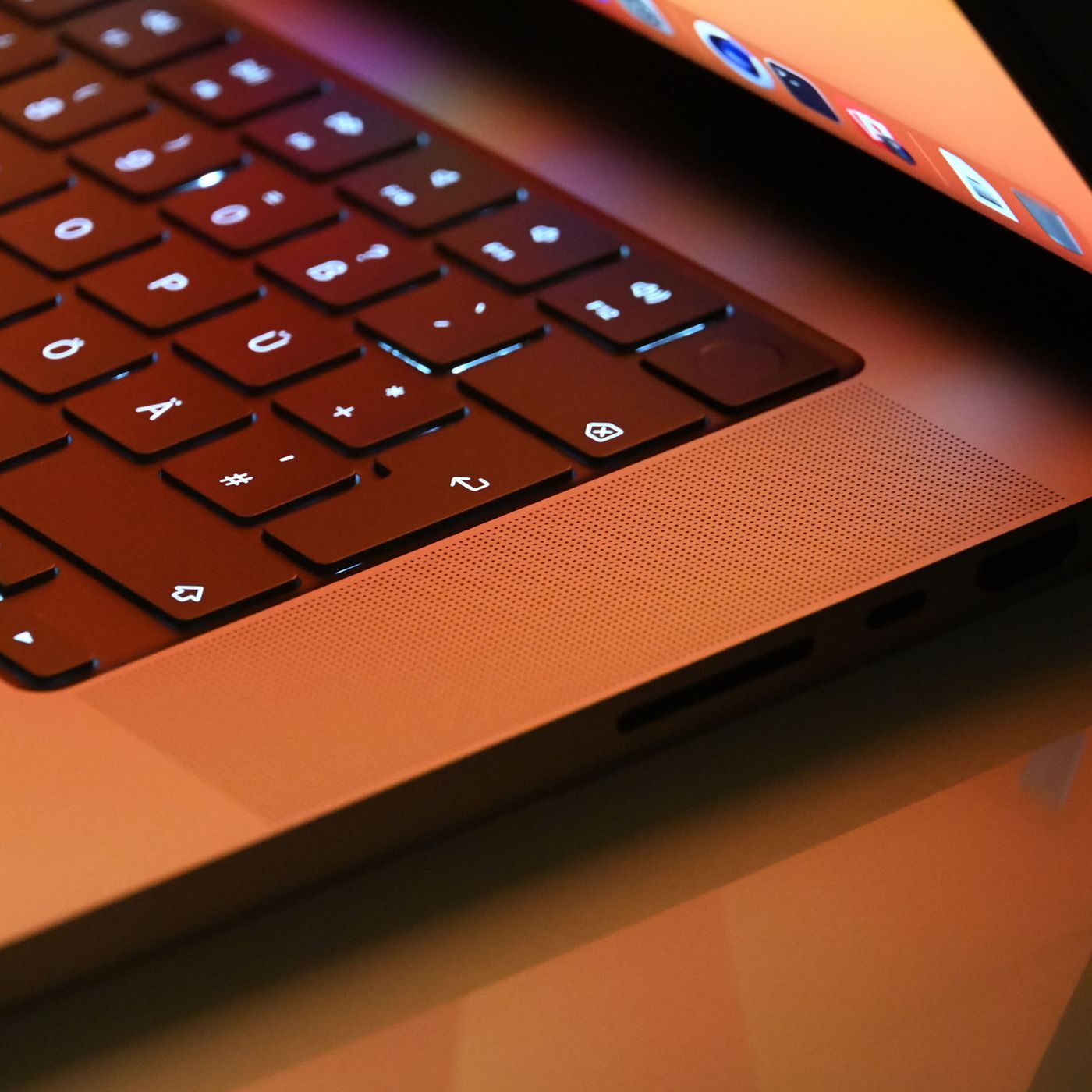
For years, the design philosophy for professional laptops has avoided integrating direct touch interaction on the main display. However, a significant shift is anticipated for late 2026 with the introduction of a redesigned MacBook Pro that breaks this long-standing rule. This upcoming model is expected to integrate touchscreen capabilities while retaining the classic laptop form factor, complete with a physical keyboard and trackpad.
Display and Visual Innovation One of the most prominent hardware upgrades will be the transition to OLED technology for the 14-inch and 16-inch models. This change promises superior color accuracy, deeper blacks, and better energy efficiency. Furthermore, the familiar display notch is slated to be replaced by a Dynamic Island implementation. This feature, which originated on mobile devices, will be built around a smaller, hole-punch camera cutout. The Dynamic Island on the Mac will be interactive, expanding and contracting to show relevant information such as media playback, system alerts, or live notifications, making the top of the screen more functional and less intrusive.
The Dynamic User Interface To make the transition to touch seamless, the operating system is expected to receive a major overhaul referred to as a "dynamic user interface" or "Liquid Glass." This interface is designed to be context-aware, automatically adapting based on the user's input method.
• Touch Optimization: When a user touches the screen, UI elements like sliders, toggle switches, and menu bar items will enlarge to become "finger-friendly" targets.
• Contextual Menus: Tapping a control might trigger a menu that expands directly around the user's finger, providing relevant options for touch commands.
• Mobile Parity: The system will incorporate familiar gestures from mobile operating systems, including fast scrolling and pinch-to-zoom for images and documents. Even the emoji picker is expected to be redesigned for a touch-first experience.
Hardware and Performance Under the hood, these 2026 models are expected to debut with the M6 series of chips (Pro and Max variants), potentially built on a cutting-edge 2-nanometer process. This hardware leap aims to provide massive processing power while managing the thermal and battery demands of a high-resolution OLED touchscreen. While the chassis is rumored to be slimmed down for a more modern aesthetic, the overall design will remain recognizable to current users, ensuring that the device feels like a professional workstation rather than a tablet hybrid.
Positioning and Versatility The goal of this redesign is not to replace the tablet lineup but to enhance the versatility of the laptop. It is being positioned as a "Mac with added input versatility," allowing users to switch interchangeably between a mouse, trackpad, and direct touch. For creative professionals, this could open the door for stylus support, allowing for precise drawing, annotating, and editing directly on the primary workspace. By blending the precision of a desktop environment with the intuition of touch, this upcoming refresh represents one of the most significant evolutions in the history of the product line.
Become a supporter of this podcast: https://www.spreaker.com/podcast/tech-talk-daily--6886557/support.