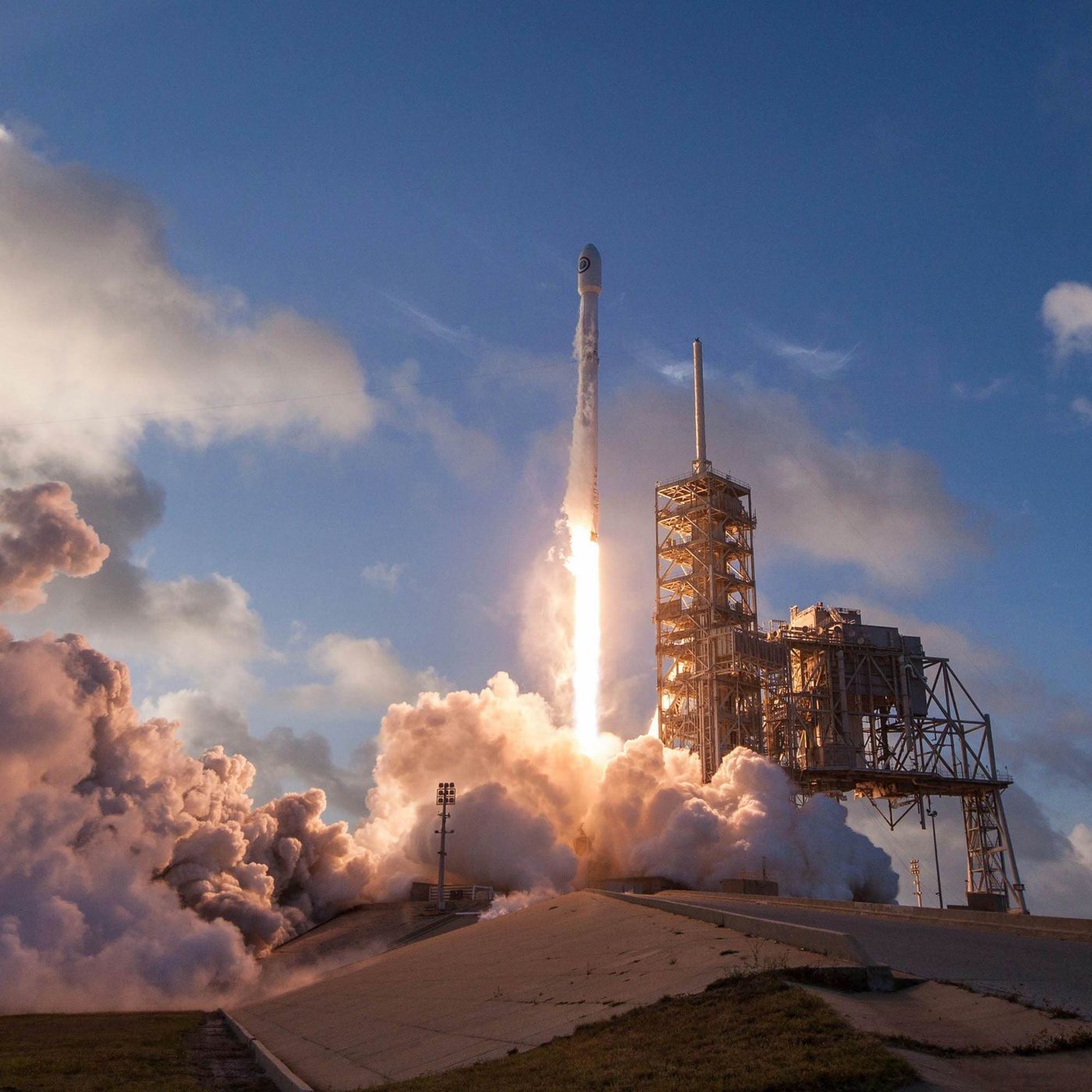
Lompoc, California, serves as a premier gateway to witnessing spectacular rocket launches from the nearby Vandenberg Space Force Base. As the primary spaceport on the West Coast, the base hosts various Space Launch Complexes, with many of the most notable operations led by SpaceX. Since Vandenberg is an active military installation with restricted access, enthusiasts gather at several strategic vantage points around the Lompoc valley to catch the action from a distance.Top viewing locations include Surf Beach, which offers an unforgettable coastal experience when open, and the nearby Surf Amtrak Station. For those closer to town, West Ocean Avenue provides solid views at various intersections, provided the weather is clear. Santa Lucia Canyon Road and Victory Road are preferred for hearing the intense sonic booms, though parking and facilities there are extremely limited. Ocean Park, located about four miles from the launch site, allows visitors to feel the rumble of the engines, while Allan Hancock College and Riverbend Park offer excellent views of the rocket's ascent and nose cone as it lifts off.Vandenberg is currently undergoing significant changes to accommodate a much higher launch cadence. Under new authorizations, SpaceX is permitted to increase its operations to up to 100 launches per year using Space Launch Complexes 4 and 6. This expansion includes the introduction of Falcon Heavy missions to the West Coast and the redevelopment of SLC-6, including the construction of a new integration hangar and two new landing zones. While SLC-4E continues to be the workhorse for Falcon 9, the neighboring SLC-4W has been repurposed as Landing Zone 4, allowing boosters to return for vertical landings.SpaceX's leadership in the industry is driven by its groundbreaking reusability program. Individual boosters have now achieved 18 or more flights, demonstrating a level of technical dominance that significantly outpaces other international space agencies and private competitors. This reusability is central to the deployment of the Starlink satellite constellation, which provides high-speed internet access globally. The second generation of this network, featuring V2 Mini satellites, offers four times the capacity of earlier versions and includes advanced technology like Direct to Cell capability for mobile roaming.SpaceX also operates Starshield, a classified derivative of the Starlink system designed for government and military purposes. Beyond telecommunications, the future of the program points toward the Starship launch vehicle, which could enable the construction of massive space structures and zero-gravity manufacturing. This environment allows for the production of superior fiber optics and specialized chemical compounds that are difficult or impossible to produce within Earth's gravity fields.Environmental stewardship and space safety remain high priorities as these programs expand. SpaceX satellites are designed to be 100 percent demisable, meaning they fully burn up upon reentry to prevent falling debris. They also operate at altitudes below 600 kilometers to ensure that non-functional units decay naturally through atmospheric drag within a short period. To address concerns from the astronomical community, the latest V2 Mini satellites incorporate brightness mitigations such as dielectric mirror films and low-reflectivity black paint, making them significantly fainter to the naked eye than previous generations despite their larger physical size. As SpaceX pushes toward even higher launch frequencies, Lompoc remains the best home base for those wishing to experience the future of space exploration. Hosted on Acast. See acast.com/privacy for more information.
Become a supporter of this podcast: https://www.spreaker.com/podcast/the-world-between-us--6886561/support.