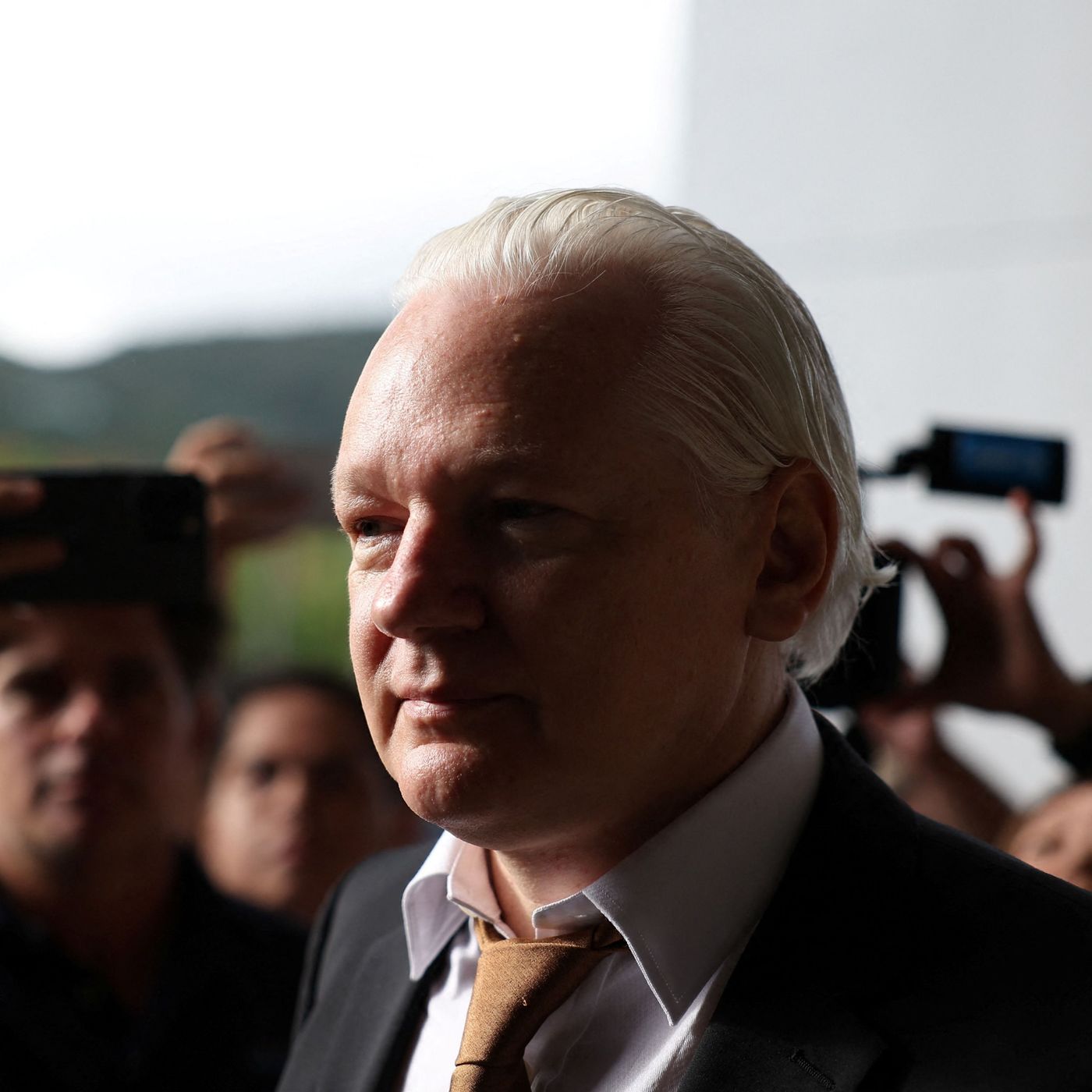
Warning: this episode contains strong language and audio of war.When the long legal saga of Julian Assange, the WikiLeaks founder, came to an end this summer, it marked the first time that the U.S. government had convicted anyone for publishing classified material.Charlie Savage, who covers national security and legal policy for The Times, discusses what the conviction means for journalism and government accountability in a world where publishing state secrets can now be treated as a crime.Guest: Charlie Savage, a national security and legal policy correspondent for The New York Times. Guest host: Natalie Kitroeff, Mexico City Bureau Chief for The New York Times. Background reading:
For more information on today’s episode, visit
nytimes.com/thedaily. Transcripts of each episode will be made available by the next workday. Subscribe today at
nytimes.com/podcasts or on Apple Podcasts and Spotify. You can also subscribe via your favorite podcast app here
https://www.nytimes.com/activate-access/audio?source=podcatcher. For more podcasts and narrated articles, download The New York Times app at nytimes.com/app.
Hosted by Simplecast, an AdsWizz company. See
pcm.adswizz.com for information about our collection and use of personal data for advertising.
“Educational Disclaimer: This episode is presented as part of an independent archival project dedicated to media literacy and the preservation of modern journalism. The content is curated for academic reference, linguistic study, and socio-economic research purposes. All original rights belong to the respective content creators. Our mission is to provide high-fidelity accessibility and full AI-generated transcripts for students of global discourse and international relations in the 2026 digital era"