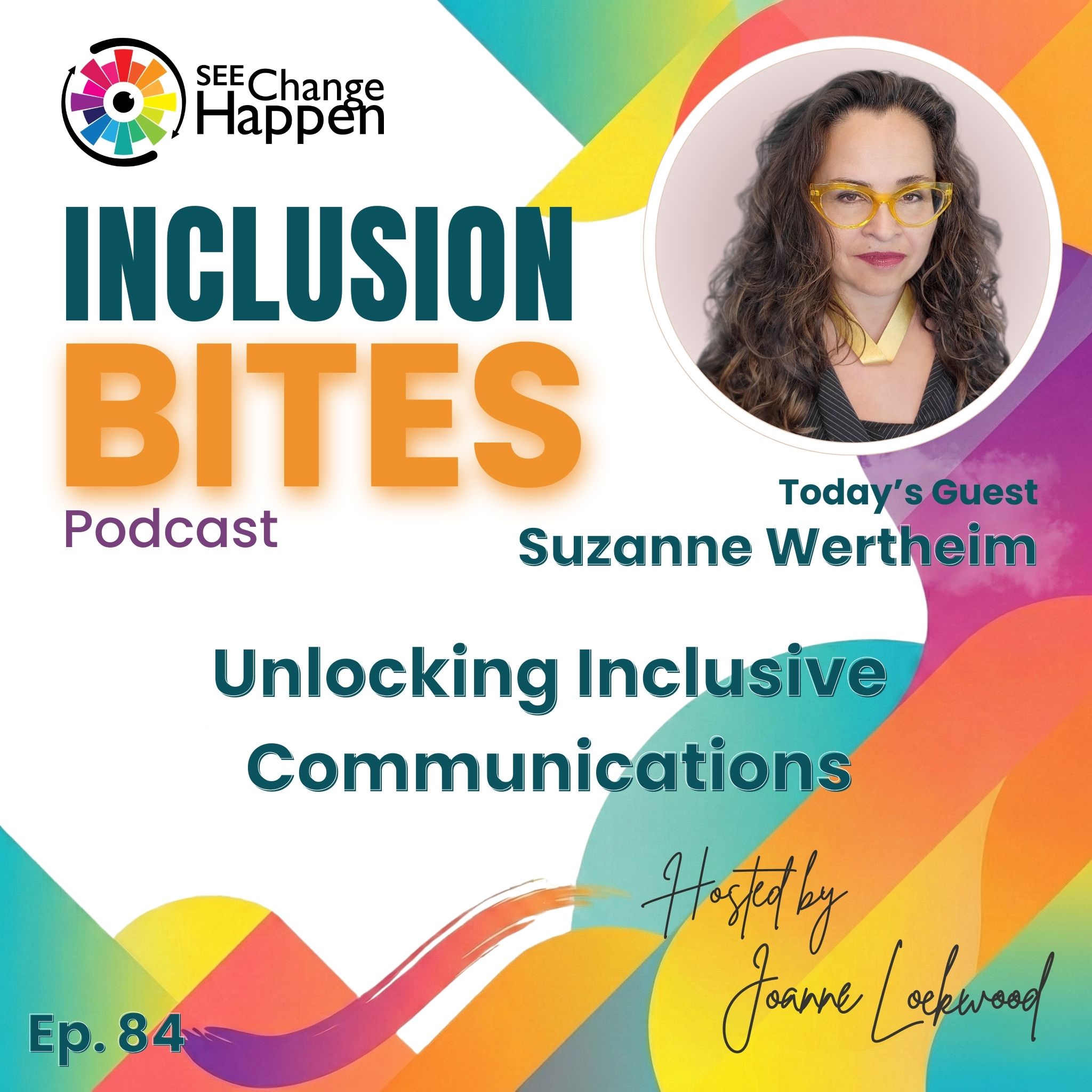
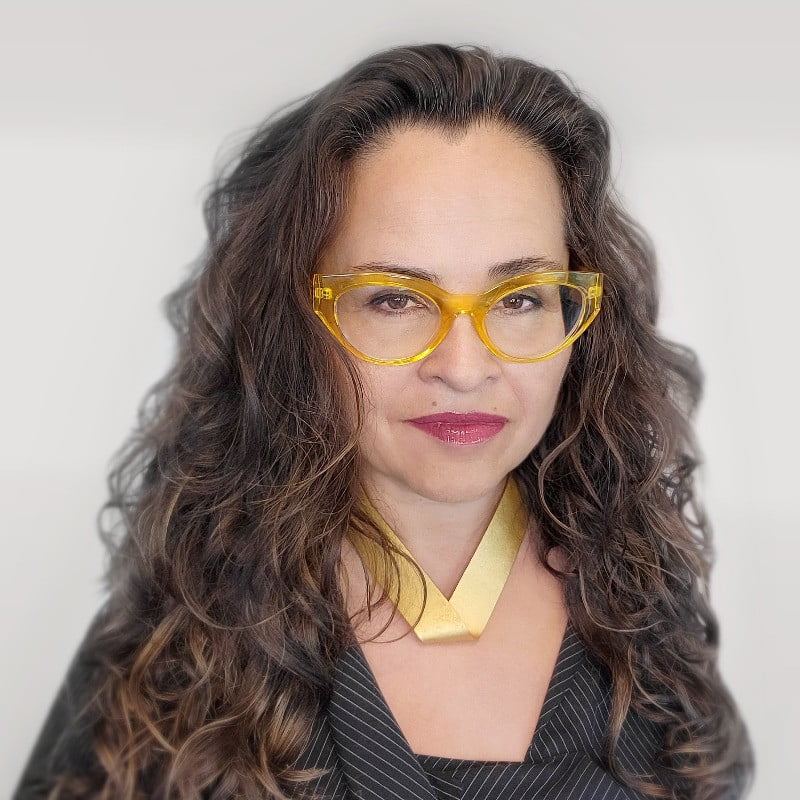
Joanne Lockwood is joined by linguistic anthropologist Suzanne Wertheim to explore what inclusive communication looks like in practice, and why it’s more helpful to focus on behaviours and outcomes than memorising lists of “good” and “bad” words.
Suzanne shares a set of guiding principles for inclusive language, from reflecting reality and showing respect to preventing erasure and recognising pain points. Together they unpack why people often freeze with fear of “getting it wrong,” how silence can communicate exclusion, and how doing a bit of prep work reduces the burden placed on marginalised people to educate others.
The conversation moves through real-world examples, including inclusive alternatives to gendered group terms, how to correct pronoun mistakes without over-apologising, and how to “call in” rather than trigger defensiveness. They also discuss accessibility in communication and events, including considerations for deaf and hard of hearing audiences, and how inclusive design choices tend to benefit everyone.
Across the episode, the emphasis stays on empathy, accountability, and small practical shifts that build trust, belonging, and psychological safety in everyday interactions and organisational communications.