Shows

TED Talks DailyDoes working hard really make you a good person? | Azim Shariff (re-release)Around the world, people who work hard are often seen as morally good -- even if they produce little to no results. Social psychologist Azim Shariff analyzes the roots of this belief and suggests a shift towards a more meaningful way to think about effort, rather than admiring work for work's sake.(This episode originally aired in 2023.) Hosted on Acast. See acast.com/privacy for more information.
2026-07-0714 min
Two Psychologists Four BeersWhy Do We Care About Faculty Diversity? (with Azim Shariff)Many academics care about diversity in faculty hiring, but why? Azim Shariff joins the show to talk about his new paper where he describes rationales for diversity in hiring, and an as-yet unpublished study where he asked department chairs how much they actually care about those rationales. We also talk about the empirical evidence for the diversity rationales (it's mixed!), Paul Bloom's argument against viewpoint diversity, and the future of DEI policies in the U.S.
Plus, Azim deviates from his long-standing practice of not drinking beer.Special Guest: Azim Shariff.Links:...
2026-03-061h 14
科技前緣2025/10/20 Tesla FSD V14 衝擊波:純視覺 AI 的極限挑戰與算力晶片三國戰 (vs. NVIDIA vs. Qualcomm)🎙️ 節目摘要
本集深入解析自動駕駛兩大技術路線:Tesla FSD V14/Supervised 的「端到端」純視覺 AI,與 Waymo/Cruise 的「多感測器融合」(LiDAR、雷達、攝影機)。我們將探討 FSD V14 如何透過 10 倍參數規模的神經網路模型和 Mad Max/Sloth 等新模式,顯著提升停車及應對緊急車輛能力。同時,節目將聚焦硬體競爭:NVIDIA (DRIVE Thor/Orin) 如何以 2000 TOPS 算力與「雲到車」方案領跑 L3+ 市場,以及 Qualcomm (Snapdragon Ride Flex) 如何利用「艙駕融合」策略加速 ADAS 普及。最後,我們將討論自動駕駛在網路安全、功能安全 (SOTIF) 及弱勢道路使用者 (VRUs) 感知公平性等方面的倫理與法規挑戰。
📌 重點整理 Key Points
Tesla V14 AI 大躍進:採用 10 倍大 AI 模型與端到端神經網路,提升駕駛流暢度、停車能力,新增 Sloth 和 Mad Max 等駕駛模式。
感測器路線爭議:Tesla 堅持「純視覺」路線,但面臨冗餘性及惡劣天氣下可靠性風險;競爭者則採 LiDAR/雷達/攝影機多感測器融合,提升 L4 級無人駕駛安全性。
算力硬體競爭:NVIDIA 以 DRIVE Thor 的 2000 TOPS 算力瞄準 L4/Robotaxi 市場;Qualcomm Snapdragon Ride Flex 晶片實現座艙與駕駛融合,降低成本並達 ASIL-D 安全標準,加速 ADAS 普及。
安全與公平性挑戰:自動駕駛需遵循 ISO 26262/SOTIF 標準應對風險。此外,訓練數據集缺乏代表性導致系統對輪椅使用者或導盲犬等 VRUs 偵測準確度較低,亟需法規要求提升感知公平性。
📚 延伸閱讀/相關連結
一、 研究論文與學術報告
A Review of Cybersecurity Challenges and Solutions for Autonomous Vehicles (The Science and Information (SAI) Organization, 2025, Vol. 16, No. 2)
Autonomous Vehicle Pedestrian Detection: Minimum Safety Standards Needed to Protect Disabled Road Users (International Journal of Scientific Research & Engineering Trends (IJSRET), Sep-Oct 2025, Volume 11, Issue 5)
End-to-End Deep Learning for Self-Driving Cars (NVIDIA Technical Blog, Aug 17, 2016)
Taxonomy and Definitions for Terms Related to Driving Automation Systems for On-Road Motor J3016_202104 (SAE International, 2021 年 4 月)
The Cityscapes Dataset for Semantic Urban Scene Understanding (Computer Vision Foundation (Cordts, M., et al.), 2016)
Bias Behind the Wheel: Fairness Analysis of Autonomous Driving Systems (arXiv preprint (Li, Z., et al.), 2023)
The social dilemma of autonomous vehicles (Science (Bonnefon, Jean-François/Shariff, Azim/Rahwan, Iyad), 2016)
Autonomous Driving: Technical, Legal and Social Aspects (Springer (M. Maurer, B. Lenz, H. Winner, and J. C. Gerdes), 2016)
Perception, Planning, Control, and Coordination for Autonomous Vehicles (Machines (Pendleton et al.), 2017)
二、 官方文件與國際標準 (功能安全與法規)
Ethics Commission Automated...
2025-10-2025 min
TED BusinessDoes working hard really make you a good person? | Azim ShariffAround the world, people who work hard are often seen as morally good — even if they produce little to no results. In this episode, we're revisiting a talk by social psychologist Azim Shariff, in which he analyzes the roots of this belief and suggests a shift towards a more meaningful way to think about effort, rather than admiring work for work's sake. After the talk, Modupe delves deeper into Shariff’s research – and what our focus should actually be on at work. Hosted on Acast. See acast.com/privacy for more information.
2024-12-0218 min
Ekonomia i cała resztaPiguła 76: Kto jest bardziej empatyczny: self-made mani, czy bogacze z urodzenia?- Patronite: https://patronite.pl/EICR- Wirtualna kawka: https://buycoffee.to/eicr- Naszą książka "Ile trzeba zarabiać, żeby być szczęśliwym": https://bonito.pl/produkt/ile-trzeba-zarabiac-zeby-byc-szczesliwym-oraz-12-innych-pytan-o-ekon?srsltid=AfmBOoqBQY9Hf8mMy28w5Lc23inbtB9203ouRlmYqyqNMjB3z7lutwjJ==Zastanawialiście się kiedyś, czy pochodzenie klasowe zamożnych ma wpływ na to, jak postrzegają ubogich? Innymi słowy: czy znajomy pochodzący z biednej rodziny, który dzisiaj jeździ porsche, ma więcej czy mniej zrozumienia dla osób, którym się nie poszczęściło, niż kolega, który urodził...
2024-11-1320 min
TED Radio HourMonday — Friday: Making the most of the workweekWeek in, week out, we work. But what can we do to not lose ourselves in the 9-to-5 grind? This hour, we question how long we work, why we valorize work, and what good leadership looks like. Guests include executive coach Anne Morriss, economist Juliet Schor, social psychologist Azim Shariff and political scientist Margaret Levi. Original broadcast date: September 22, 2023TED Radio Hour+ subscribers now get access to bonus episodes, with more ideas from TED speakers and a behind the scenes look with our producers. A Plus subscription also lets you listen to regular episodes (like this...
2024-10-1153 min
TED Radio HourMonday — Friday: Making the most of the workweekWeek in, week out, we work. But what can we do to not lose ourselves in the 9-to-5 grind? This hour, we question how long we work, why we valorize work, and what good leadership looks like. Guests include executive coach Anne Morriss, economist Juliet Schor, social psychologist Azim Shariff and political scientist Margaret Levi. Original broadcast date: September 22, 2023TED Radio Hour+ subscribers now get access to bonus episodes, with more ideas from TED speakers and a behind the scenes look with our producers. A Plus subscription also lets you listen to regular episodes (like this...
2024-10-1149 min
The Dissenter#976 Azim Shariff: Social Robots, Free Will, Rags-To-Riches Stories, and the Moralization of Effort******Support the channel******
Patreon: https://www.patreon.com/thedissenter
PayPal: paypal.me/thedissenter
PayPal Subscription 1 Dollar: https://tinyurl.com/yb3acuuy
PayPal Subscription 3 Dollars: https://tinyurl.com/ybn6bg9l
PayPal Subscription 5 Dollars: https://tinyurl.com/ycmr9gpz
PayPal Subscription 10 Dollars: https://tinyurl.com/y9r3fc9m
PayPal Subscription 20 Dollars: https://tinyurl.com/y95uvkao
******Follow me on******
Website: https://www.thedissenter.net/
Facebook: https://www.facebook.com/thedissenteryt/
Twitter: https://twitter.com/TheDissenterYT
2024-08-051h 03
Heterodox Out LoudRethinking DEI in Higher Education with Azim Shariff | Ep. 14Is diversity simply a box-checking exercise, or does it hold a deeper significance in academia? Today we're joined by Azim Shariff, Ph.D, a distinguished professor of psychology at the University of British Columbia, to explore the complex landscape of Diversity, Equity, and Inclusion (DEI) in higher education. In this conversation, John Tomasi and Azim delve deep into the multifaceted approach to DEI, discussing the pressing need to rethink and clarify the rationale behind diversity in faculty hiring and beyond.Azim provides a fresh perspective on managing and harnessing diversity's paradox of fostering innovation and coordination challenges...
2024-04-241h 02
Keeping it Real with KennedyThe Mission StatementSurprise! I abruptly moved to Idaho a few weeks ago and am spilling all the juicy details. In this week’s episode, we also discuss the topic of effort moralization, finding purpose outside of your career, the new mission statement of Keeping up with Kennedy and sea turtle adoptions from the Georgia Sea Turtle Center. Happy Monday, and welcome back friends!SOURCES:Journal of Experimental Psychology: The Moralization of EffortTED Talk by Azim Shariff: “Does Working Hard Really Make You a Good Person?”
2023-10-3015 min
QUIERO MI RUSHTrabajo duro.Basado en la charla de Azim Shariff.
https://youtu.be/z_ca983qJcI?si=E4ldIa7GxYFHTS-6
2023-10-1109 min
TED Radio HourMonday — FridayWeek in, week out, we work. But what can we do to not lose ourselves in the 9-to-5 grind? This hour, we question how long we work, why we valorize work, and what good leadership looks like. Guests include executive coach Anne Morriss, economist Juliet Schor, social psychologist Azim Shariff and political scientist Margaret Levi. TED Radio Hour+ subscribers now get access to bonus episodes, with more ideas from TED speakers and a behind the scenes look with our producers. A Plus subscription also lets you listen to regular episodes (like this one!) without sponsors. Sign-up at: plus...
2023-09-2252 min
TED Radio HourMonday — FridayWeek in, week out, we work. But what can we do to not lose ourselves in the 9-to-5 grind? This hour, we question how long we work, why we valorize work, and what good leadership looks like. Guests include executive coach Anne Morriss, economist Juliet Schor, social psychologist Azim Shariff and political scientist Margaret Levi. TED Radio Hour+ subscribers now get access to bonus episodes, with more ideas from TED speakers and a behind the scenes look with our producers. A Plus subscription also lets you listen to regular episodes (like this one!) without sponsors. Sign-up at: plus...
2023-09-2250 minTED BusinessDoes working hard really make you a good person? | Azim ShariffAround the world, people who work hard are often seen as morally good -- even if they produce little to no results. Social psychologist Azim Shariff analyzes the roots of this belief and suggests a shift towards a more meaningful way to think about effort, rather than admiring work for work's sake. After the talk, Modupe delves deeper into Shariff’s research – and what our focus should actually be on at work. Hosted on Acast. See acast.com/privacy for more information.
2023-06-2618 min
Lean Out with Tara HenleyOn Politicization and TrustPeople on the left have been reaching out to me for years, saying that they feel like the mainstream media has become politicized, is biased in favour of the left — and they no longer trust it to report the news fairly. Now, a group of international scholars has published an interesting research paper that addresses this dynamic. It finds that when people perceive institutions to be politicized, they lose trust. Even if they happen agree with its politics.Azim Shariff is a professor and Canada 150 Research Chair of moral psychology at the University of British Columbia. The pr...
2023-05-2420 min
Lean Out with Tara HenleyEP 83: On Politicization and TrustPeople on the left have been reaching out to Tara for years, saying that they feel like the mainstream media has become politicized, is biased in favour of the left — and they no longer trust it to report the news fairly. Now, a group of international scholars has published an interesting research paper that addresses this dynamic. It finds that when people perceive institutions to be politicized, they lose trust. Even if they happen agree with its politics. Azim Shariff is a professor and Canada 150 Research Chair of moral psychology at the University of British Columbia. The pre-print paper dis...
2023-05-2420 min
Il podcast di Antonino PriviteraDoes working hard really make you a good person? | Azim ShariffAround the world, people who work hard are often seen as morally good -- even if they produce little to no results. Social psychologist Azim Shariff analyzes the roots of this belief and suggests a shift towards a more meaningful way to think about effort, rather than admiring work for work's sake.
2023-05-1112 min
Религия и Общество - Religiolog075 Религия = мораль Есть ли мораль у атеистов Атеофобия - страх атеизма. Дискриминация атеистовПодкаст рассказывает о самом распространенном заблуждении о атеистах и неверующих. Это предубеждение лежит в основе почти всех предубеждений, связанных с атеизмом и как результат, является причиной такого феномена как атеофобия. Атеофобия – это страх и ненависть к атеистам и\или атеизму. Библиография: Паскаль Boyer, Pascal. 2001. Religion Explained: The Evolutionary Origins of Religious Thought. Basic Books.Cimino, R., and C. Smith. 2014. Atheist Awakening: Secular Activism & Community in America. Oxford: Oxford University Press.Cragun, Ryan T.; Fazzino, Lori; Manning, Christel. 2017. Organized Secularism in the United States: New Directions in Research.Gervais, Will M.; Shariff, Azim F.; Norenzayan, Ara (2011). "Do You Believe in Atheists? Distrust Is Central to Anti-Atheist Prejudice". Journal of Personality and Social Psychology. 101 (6): 1189–1206. Freud, Sigmund. 1928. The Future of an Illusion. W.W. Norton & Company translated and edited by James Strachey.Moore L., Kramnick I. 2018. Godless Citizens in a Godly Republic: Atheists in American Public Life.Niose, David. 2012. Nonbeliever Nation: The Rise of Secular Americans. Palgrave Macmillan.Shermer, Michael. 2015. The Moral Arc...
2023-03-1612 min
Религия и Общество - Religiolog027 ИСТОКИ РЕЛИГИИ - как наука объясняет религию часть 2 теории религии Фрейд, Маркс, Буайе, ДюркгеймЛекция о том, как объясняют феномен религии в академической среде на Западе. Мы вкратце упомянем как на религию смотрели Фрейд, Фрейзер, Маркс, Дюргейм и Малиновский. Однако, важно понимать что наши познания о себе значительно прогрессируют. И сегодня благодаря развитию генетики, нейробиологии, экспериментальной психологии и смежных наук, ученые способны заглянуть в те сферы нашей жизни, в которых долгое время доминировали богословы и философы. Поэтому методологии, которые применяются в исследовании этого феномена в 21 веке значительно расширились. Поэтому в лекции мы обратимся к работам председателя Международной Ассоциации Когнитивного изучения религии Эн Тэйвс, а также упомянем что об этом говорят Дэвид Слоан Уилсон, Паскаль Буайе, Дэниел Деннет, Фредерик Скиннер, Фил Цукерман и другие. В целом, мы постараемся понять благодаря чему в нас зародилось религиозное мышление и какие функции оно несло.БИБЛИОГРАФИЯ:Dennett, Daniel 2006. Breaking the Spell: Religion as a Natural Phenomenon Krauss, Lawrence 2012. A Universe from Nothing: Why There Is Something Rather Than Nothing. — Free Press.Nielsen, Donald A 1998. "Theory". In Swatos, William H., Jr. Encyclopedia of Religion and Society. AltaMira Press.Norenzayan, Ara, Shariff, Azim F. 2008. The Origin and Evolution of Religious Prosociality. Science. V. 322. P. 58–62.Boyer, Pascal 2008. Religion: Bound to believe? Nature. V. 455. P. 1038–1039.Skinner, B. F. 1938. The Behavior of Organisms: An Experimental Analysis.Taves, Ann 2009. Religious Experience Reconsidered: A Building Block Approach to the Study of Religion and Other Special Things, Princeton University PressWilson, David Sloan 1997. «Altruism and Organism: Disentangling the Themes of Multilevel Selection Theory». American Naturalist, Vol. 150, Supplement: Multilevel Selection, pp. S122-S134Wilson, David Sloan 2002. Darwin’s Cathedral — Evolution, Religion, and the Nature of Society Буайе, Паскаль 2016. Объясняя религию: Природа религиозного мышления, М.: Альпина нон-фикшн. Дробышевский, Станислав 2017. Достающее звено. Книга 1. Обезьяны и все-все-все, Corpus.Малиновский Б. 1998. Магия. Наука. Религия: Пер.с англ. = Magic, Science, and Religion — М.: Рефл-бук, 1998. Созвездия мудрости (Astrum Sapientia
2023-01-2706 min
Религия и Общество - Religiolog026 ИСТОКИ РЕЛИГИИ - как наука объясняет религию часть 1 - теории религииЛекция о том, как объясняют феномен религии в академической среде на Западе. Мы вкратце упомянем как на религию смотрели Фрейд, Фрейзер, Маркс, Дюргейм и Малиновский. Однако, важно понимать что наши познания о себе значительно прогрессируют. И сегодня благодаря развитию генетики, нейробиологии, экспериментальной психологии и смежных наук, ученые способны заглянуть в те сферы нашей жизни, в которых долгое время доминировали богословы и философы. Поэтому методологии, которые применяются в исследовании этого феномена в 21 веке значительно расширились. Поэтому в лекции мы обратимся к работам председателя Международной Ассоциации Когнитивного изучения религии Эн Тэйвс, а также упомянем что об этом говорят Дэвид Слоан Уилсон, Паскаль Буайе, Дэниел Деннет, Фредерик Скиннер и другие. В целом, мы постараемся понять благодаря чему в нас зародилось религиозное мышление и какие функции оно несло. БИБЛИОГРАФИЯ:Dennett, Daniel 2006. Breaking the Spell: Religion as a Natural Phenomenon Krauss, Lawrence 2012. A Universe from Nothing: Why There Is Something Rather Than Nothing. — Free Press.Nielsen, Donald A 1998. "Theory". In Swatos, William H., Jr. Encyclopedia of Religion and Society. AltaMira Press.Norenzayan, Ara, Shariff, Azim F. 2008. The Origin and Evolution of Religious Prosociality. Science. V. 322. P. 58–62.Boyer, Pascal 2008. Religion: Bound to believe? Nature. V. 455. P. 1038–1039.Skinner, B. F. 1938. The Behavior of Organisms: An Experimental Analysis.Taves, Ann 2009. Religious Experience Reconsidered: A Building Block Approach to the Study of Religion and Other Special Things, Princeton University PressWilson, David Sloan 1997. «Altruism and Organism: Disentangling the Themes of Multilevel Selection Theory». American Naturalist, Vol. 150, Supplement: Multilevel Selection, pp. S122-S134Wilson, David Sloan 2002. Darwin’s Cathedral — Evolution, Religion, and the Nature of Society Буайе, Паскаль 2016. Объясняя религию: Природа религиозного мышления, М.: Альпина нон-фикшн. Дробышевский, Станислав 2017. Достающее звено. Книга 1. Обезьяны и все-все-все, Corpus.Малиновский Б. 1998. Магия. Наука. Религия: Пер.с англ. = Magic, Science, and Religion — М.: Рефл-бук, 1998. Созвездия мудрости (Astrum Sapientiae).Марков, Алекса
2023-01-2607 min
Религия и Общество - Religiolog015 Атеисты в Исламе. Бывшие мусульмане, кто они и сколько ихЧто науке известно об атеистах в исламской культуре? Сколько отступников среди мусульман? Как #бывшие_мусульмане скрывают свой атеизм\неверие? Об этом этот исследовательский ролик.Согласно Отчету о свободе мысли от 20 года: атеисты в 11 странах с мусульманским большинством официально наказуемы смертной казнью за атеизм или вероотступничество (или богохульство в случае Пакистана). ((Это Афганистан, Иран, Малайзия, Мальдивы, Мавритания, Нигерия, Катар, Пакистан, Саудовская Аравия, Объединенные Арабские Эмираты и Йемен))). Что касается Судана, Сомали и Ливии то они лишь недавно отменили законы о вероотступничестве. Но так ли все плохо? Давайте разбираться, опираясь на недавние академические работы на эту тему и на мои личные интервью с атеистами из Саудовской Аравии, Пакистана, Малайзии и некоторых стран Африки. В этом ролике вы узнаете, насколько много атеистов среди мусульман, какие формы принимает их дискриминация, с какими трудностями они сталкиваются, и многое другое.Библиография: AbuSulayman AbdulHamid. 2013. Apostates, Islam & Freedom of Faith. Change of Conviction VS Change of Allegiance. International Institute of Islamic Thought.Cottee, Simon. 2015. The Apostates: When Muslims Leave Islam. Eller Jack David. 2010. Atheism and Secularity in the Arab World. In Atheism and Secularity. Edited by Phil Zuckerman. Praeger Perspectives. Volume 2.Gayatri Spivak, “Can the Subaltern Speak?” in Cary Nelson and Larry Grossberg, eds., Marxism and the Interpretation of Culture (Chicago: University of Illinois Press, 1988), 271-313Gervais, Will M.; Shariff, Azim F.; Norenzayan, Ara (2011). "Do You Believe in Atheists? Distrust Is Central to Anti-Atheist Prejudice". Journal of Personality and Social Psychology. 101 (6): 1189–1206. Ginzburg Carlo. 1980. The Cheese and the Worms: The Cosmos of a Sixteenth-Century Miller.Gramsci, Antonio (1971). Selections from the Prison Notebooks. International Publishers.Hassan, Riaz. 2007. Asian Journal of Social Science, 2007, Vol. 35, No. 1, SPECIAL FOCUS: Islamic Euroasian Paradoxes (2007), pp. 111-125. Khalil Mohammad Hassan. 2017. Jihad, Radicalism, and the New Atheism. Cambridge University Press.Mahmood, Saba. “Secularism, Hermeneutics, and Empire: The Politics of Islamic Reformation.” Public Culture 18: 323–47Norris Pippa and Ronald Inglehart 2004. Sacred and Secular: Religion and Polit
2023-01-1533 min
Религия и Общество - Religiolog013 Дискриминация атеистов в США. 10 фактов о нарушении прав атеистов. Атеофобия - страх атеизма.Кто такие атеисты и почему их так сильно ненавидят в Америке? Ведь некоторые опросы называют атеистов самой ненавистной категорией людей в США. Видео концентрируется на 10 областей в которых атеисты в Америке испытывают притеснение, нарушение прав и дискриминацию.Библиография:Blankholm, Joseph. 2018. Secularism and Secular People. Public Culture. 30:2 (May 2018): 245-268.Brewster Melanie E. 2014. Atheists in America. Columbia University Press. Pg 21.Brewster Melanie, Atheophobia - https://bstigmafree.org/blog/atheopho....Brinkerhoff, M., and M. Mackie. 1993. “Casting Off the Bonds of Organized Religion: A Religious-Careers Approach to the Study of Apostasy.” Review of Religious Research 34:235–257Cimino, R., and C. Smith. 2014. Atheist Awakening: Secular Activism & Community in America. Oxford UP.Cragun, R., B. A. Kosmin, A. Keysar, J. Hammer, and M. Nielson. 2012. “On the Receiving End: Discrimination toward the Non-religious in the United States.” Journal of Contemporary Religion 27:105–127.Day, Abby. 2011. Believing in Belonging: Belief and Social Identity in the Modern World. Oxford UP.Dennett, Daniel...
2023-01-1233 min
My Unsung HeroAzim Shariff's StoryAzim encounters his high school English teacher in the most unexpected place.Do you have your own story of an unsung hero? We'd love to hear it! Record a voice memo and email it to us at myunsunghero@hiddenbrain.org. Some guidance:--Focus on ONE moment that you will never forget. --Make sure you're in a quiet, non-echoey room.--Speak conversationally, like you're talking to a friend.--Let us know why this person continues to impact your life.--If your hero were standing front of yo...
2022-05-0405 min
Current Directions in Psychological Science PodcastThe Privacy Mismatch: Evolved Intuition in a Digital WorldRobert Goldstone of the Percepts and Concepts Laboratory at Indiana University and editor of the APS journal Current Directions in Psychological Science interviews Azim Shariff, associate professor and Canada Research Chair at the University of British Columbia The interview was held on July 26, 2021.
2021-08-0920 min
On WisdomWorld After Covid series: Negative Consequences (Part I) - Social Inequality, Loneliness, Economic Hardships, and DespairWhich domain or aspect of social life will show the most significant negative societal and/or psychological change in response to the pandemic?
Igor and Charles share and discuss responses from 57 of the world's leading behavioral and social scientists, collected as part of the World After Covid project. Each episode, four responses are selected. This time, the conversation covers themes of social inequality, loneliness, economic hardships, and despair in the midst of the pandemic. Igor assesses 3 sharply contrasting visions of the future, and Charles reflects on the idea of pandemics as the downside of something mostly very...
2021-07-1130 min
Hidden BrainCreating GodIf you've taken part in a religious service, have you ever stopped to think about how people become believers? Where do the rituals come from? And what purpose does it all serve? This week, we bring you a 2018 episode with social psychologist Azim Shariff. He argues that we should consider religion from a Darwinian perspective, as an innovation that helped human societies to grow and flourish. Hosted by Simplecast, an AdsWizz company. See pcm.adswizz.com for information about our collection and use of personal data for advertising.
2021-02-2253 min
Hidden BrainCreating GodIf you've taken part in a religious service, have you ever stopped to think about how people become believers? Where do the rituals come from? And what purpose does it all serve? This week, we bring you a 2018 episode with social psychologist Azim Shariff. He argues that we should consider religion from a Darwinian perspective, as an innovation that helped human societies to grow and flourish. Hosted by Simplecast, an AdsWizz company. See pcm.adswizz.com for information about our collection and use of personal data for advertising.
2021-02-2251 min
Chasing Life with Dr. Sanjay GuptaAre We Still Uncomfortably Numb?In the United States alone, nearly half a million people have now died from the coronavirus. Rationally, we know this is devastating. But emotionally, why can we feel so removed from it? CNN’s Chief Medical Correspondent Dr. Sanjay Gupta talks to Associate Professor Azim Shariff about the limits of human empathy, and what a computer game might teach us about our response to this pandemic. To learn more about how CNN protects listener privacy, visit cnn.com/privacy Learn more about your ad choices. Visit podcastchoices.com/adchoices
2021-02-1816 min
Chasing Life with Dr. Sanjay GuptaUncomfortably NumbAround the world, more than a million people have now died from the coronavirus. Rationally, we know this is devastating, but emotionally, why can we feel so removed from it? CNN’s Chief Medical Correspondent Dr. Sanjay Gupta talks to Associate Professor of Psychology Azim Shariff about the limits of human empathy, and what a computer game might teach us about our response to this pandemic.To learn more about how CNN protects listener privacy, visit cnn.com/privacy Learn more about your ad choices. Visit podcastchoices.com/adchoices
2020-10-1516 min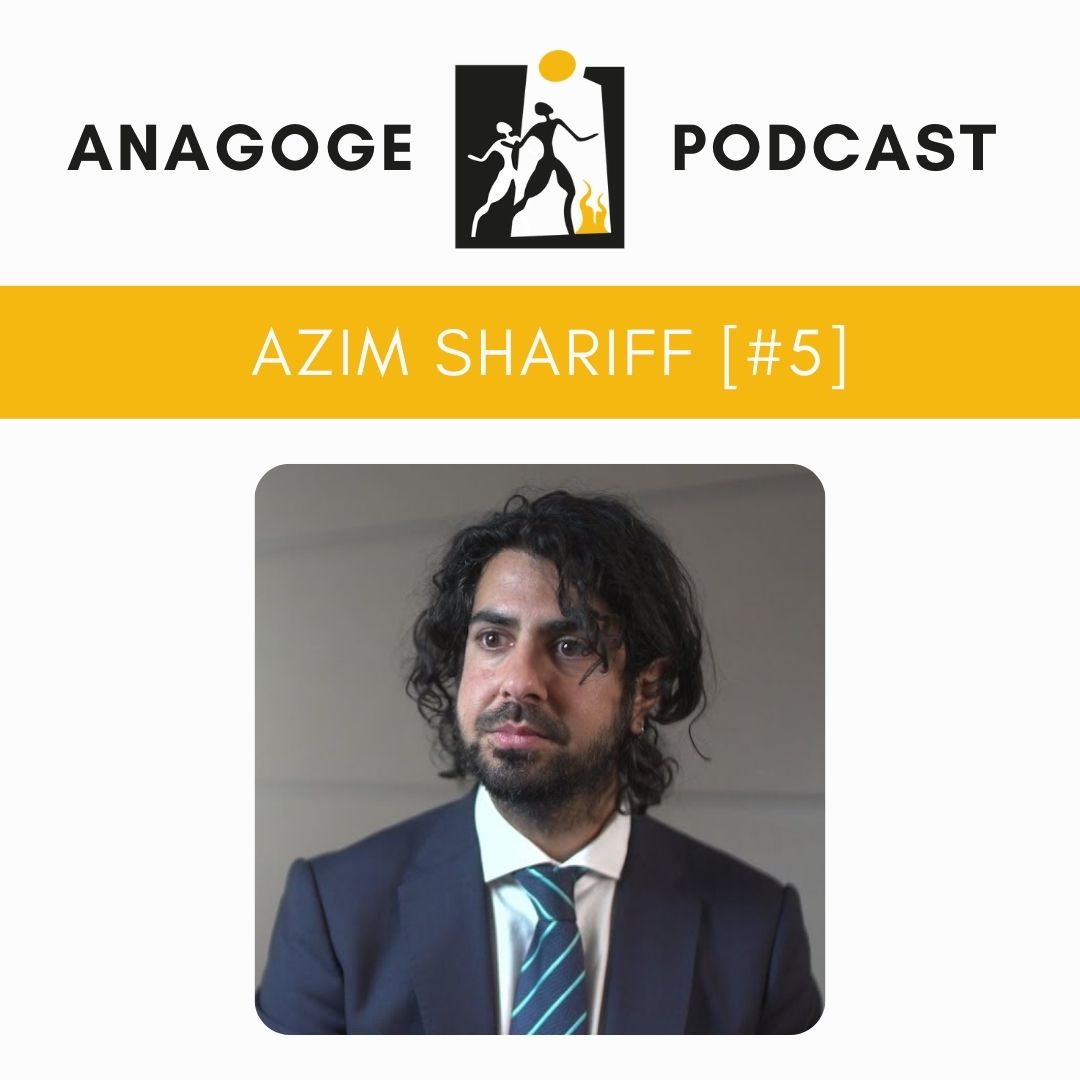
Anagoge PodcastAzim Shariff - The Psychology and Evolution of ReligionDr. Azim Shariff is a social and moral psychologist whose research focuses on morality and religion. He also has some more recent work on the ethics of automation and how people deal with ethical dilemmas of self-driving cars. In this episode, we talk mostly about the psychology of religion through a lens of cultural evolution.
2020-08-081h 44
CafezinhoCafezinho 279 – A ameaça do inferno e a recompensa do céuUm experimento realizado pelo psicólogo da University of British Columbia no Canadá, Azim Shariff, estudou os índices de violência em diversos países e descobriu que a quantidade de homicídios está mais relacionada às crenças religiosas do que à pobreza ou desigualdade. Sua pesquisa com mais de 15 mil pessoas em 67 países utilizou questões separadas entre céu e inferno. Nos países onde mais pessoas acreditavam no céu que no inferno, a taxa de homicídios costumava ser maior que a média. Nos países onde mais gente acreditava no inferno que no céu...
2020-05-0802 min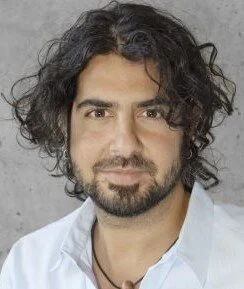
Muslim in ModerationE8: Cultural Evolution and the Future of ReligionSocial scientist Dr. Azim Shariff is back to discuss how religion helped to foster cooperation in societies, the effect of culture on religious practice and where religion is headed in the face of rapid technological change.Azim Shariff is an Associate Professor and Canada Research Chair in the Department of Psychology at the University of British Columbia. His research focuses on where morality intersects with religion, cultural attitudes and economics.
2020-01-1515 min
Muslim in ModerationE3: Irrational RationalismScience, secularism and new atheism have gained prominence in the marketplace of ideas. But outside of the academics, it seems like the supporters of these ideas on social media are not actually spreading rationalism. Have people become more rational or is there an element of tribalism against Islam and Muslims?Social scientist Dr. Azim Shariff discusses the “Intellectual Dark Web”, pluralism as a way to counter reactionary discourse and the effect of social media on religion and civil discourse.Azim Shariff is an Associate Professor and Canada Research Chair in the Department of Psychology at the...
2019-08-0310 minHidden BrainCreating GodIf you've taken part in a religious service, have you ever stopped to think about how it all came to be? How did people become believers? Where did the rituals come from? And what purpose does it all serve? This week, we bring you a July 2018 episode with social psychologist Azim Shariff. He argues that we should consider religion from a Darwinian perspective, as an innovation that helped human societies to thrive and flourish. Hosted by Simplecast, an AdsWizz company. See pcm.adswizz.com for information about our collection and use of personal data for advertising.
2019-05-0757 min
Hidden BrainCreating GodIf you've taken part in a religious service, have you ever stopped to think about how it all came to be? How did people become believers? Where did the rituals come from? And what purpose does it all serve? This week, we bring you a July 2018 episode with social psychologist Azim Shariff. He argues that we should consider religion from a Darwinian perspective, as an innovation that helped human societies to thrive and flourish. Hosted by Simplecast, an AdsWizz company. See pcm.adswizz.com for information about our collection and use of personal data for advertising.
2019-05-0751 min
Newsbeat RadioWhat will it take for humans to trust self driving cars?Popular ScienceOn March 18, 2018, Elaine Herzberg, 49, was crossing a road in Tempe, Arizona, when a Volvo SUV traveling at 39 miles per hour hit and killed her. Although she was one of thousands of U.S. pedestrians killed by vehicles every year, one distinctive—and highly modern—aspect set her death apart: Nobody was driving that Volvo. A computer was.A fatality caused by a self-driving car might not be more tragic than another, but it does encourage the wariness many of us feel about technology making life-and-death decisions. Twelve months later, a survey by AAA revealed that 71 percent of Am...
2019-03-2905 minHidden BrainCreating GodIf you've taken part in a religious service, have you ever stopped to think about how it all came to be? How did people become believers? Where did the rituals come from? And most of all, what purpose does it all serve? This week, we explore these questions with psychologist Azim Shariff, who argues that we can think of religion from a Darwinian perspective, as an innovation that helped human societies to survive and flourish. Hosted by Simplecast, an AdsWizz company. See pcm.adswizz.com for information about our collection and use of personal data for advertising.
2018-07-1751 min
Hidden BrainCreating GodIf you've taken part in a religious service, have you ever stopped to think about how it all came to be? How did people become believers? Where did the rituals come from? And most of all, what purpose does it all serve? This week, we explore these questions with psychologist Azim Shariff, who argues that we can think of religion from a Darwinian perspective, as an innovation that helped human societies to survive and flourish. Hosted by Simplecast, an AdsWizz company. See pcm.adswizz.com for information about our collection and use of personal data for...
2018-07-1751 min
Center for Mind, Brain, and CultureLecture | Azim Shariff | The Evolution, Purpose, and Consequences of Religious ProsocialityWhy do today's religions look and function the way they do? Presenting research primarily on religion’s effects on prosocial behavior and prejudice toward outgroups, I will argue that the form and function of modern religions can be understood as the legacy of a millennia-long process of cultural evolution. Our recent research has begun to empirically test perennially debated questions about whether religions make people act more ethically, what functions religions have served, and why some religious traditions have fared better than others. The results reveal that while the social consequences of religion are not always desirable, they can be...
2017-02-211h 00
Segurança LegalEpisódio #106 – RobotopiaNeste episódio fazemos uma análise dos limites morais envolvendo a autonomia de robôs e dispositivos da Internet das coisas. Ajudaram-nos na explicação Guilherme Feldens e Yasodara Córdova. Resumo de notícias em 09:25. Tema principal em 20:45.
ShowNotes
Resumo de notícias
Cybercrime Overtakes Traditional Crime in UK (via KrebsOnSecurity e National Crime Agency)
Pokemon Go is a huge security risk (via Adam Reeve)
App malicioso do 'Pokémon Go' aparece na loja Google Play (via G1)
By this fall, your Facebook messages will have end-to-end encryption---if you turn it on (via Wired)
WhatsApp: Justiça do RJ ma...
2016-07-251h 38
American Academy of ReligionMorality Without Religion: Empathy, Fairness, and Prosocial PrimatesThis roundtable session features a discussion of Frans de Waal's Work on the theme of the development of "moral" practices outside of religion.
Dr. Frans B. M. de Waal is one of the world’s leading primatologists, known for his work on the behavior and social intelligence of primates. His book, The Bonobo and the Atheist, examines the origins and evolution of morality and the role of religion in human society.
He is C. H. Candler Professor in the Psychology Department of Emory University and Director of the Living Links Center at the Yerkes National Primate Center, in Atlanta. He ha...
2016-02-112h 24