Shows
花里胡哨triple bloom03|管它什么减肥,食物总有它的道理:聊聊与食物有关的情感、欲望和文化象征-导语-吃,看似简单,却渗透入我们人生的每个角落。从三角贸易中的黑人奴隶将非洲味道带上奴隶主的饭桌,到日本本土宗教体系里将装载稻米的腹部视做神的寓所,再到堪称奇观的飞天意面神教在多个国家和地区被承认为正式宗教。食物不仅牵动着我们的情感,直击我们的欲望,甚至深深地扎根在我们的信仰与文化潜意识之中。本期我们从《饮食人类学》和《作为自我的稻米》两本书出发,思考从茹毛饮血的石器时代开始,直至今日,食物是如何链接人与人、人与家乡之间的情感;而我们又是如何在放纵与节制食欲中反复纠缠;试图思考地域、权力、经济等多重因素是如何与食物碰撞出火花的?同时,我们相信吃很重要!如果有什么不开心的,那就吃顿好的吧。如果一顿不行,那就两顿吧。 -收听贴士- 01:48 我们跟别人约饭,不仅仅是为了吃,很多时候也是为了进行情感交流 02:09 文学和影视作品中,吃饭的场景往往伴随着故事发生或戏剧冲突-《饮食男女》 04:15 无锡排骨的故事-食物常常是连接你与一座城市情感的桥梁 04:55 中国人含蓄的情感表达常常透过吃这个场景来表达-《天下无贼》 05:56 饮食偏好不仅仅有情感性的面向,还有生理性的面向 07:03 大酱汤的故事- 发酵的不仅仅是食物,还有人与人之间的情感 09:17 外省人与原乡亲人的情感联结在食物中迸发,-话剧《宝岛一村》里的天津肉包子 10:34 16世纪被贩卖到加勒比的黑奴,如何利用有限的资源重新创造家乡的味道-《饮食人类学》 11:20 回家的「仪式感」-高中母校的牛肉面 12:25 云南米线的故事-当食物跟你的情感记忆连接在一起的时候,细微的差别也可能会让「锚点」消失 14:27 婴儿与母亲的情感联结最早就是透过「哺乳」这一行为产生的 15:53 人类从茹毛饮血进化到如今,「吃」已经从本能行为变成了欲望的投射 16:50 在北欧的阿拉伯同学的斋月是平衡食欲和宗教禁忌的 17:13 人们对糖的复杂态度:对食欲的极端克制和对食物的极端放纵 18:52 糖最早是贵族的专供品-《甜与权利》,如今却被钉上了道德的枷锁 20:29 食物的优劣很多时候是跟它的稀缺程度相关的-冰淇淋被认为是伤风败俗的食物 21:58 人们对食物的评价从最早对于欲望的反思,演变成了一种跟阶级、文化和市场相关的消费 22:18 鲑鱼从最廉价的食物变成了如今的高级、健康的象征-《吃:食物如何改变我们人类和全球历史》 23:30 对于糖的抵抗还有一部分是出于对剥削黑人劳工的反抗-《饮食人类学》 26:01 为什么要把你对吃的欲望跟道德扣连这么高呢-996的日子里我们更需要「肥宅快乐水」的抚慰 27:00 二战时期,美军喊出了「为可口可乐而战」的口号-《饮食人类学》 27:48 食物与信仰的极端案例-飞天意面神教 31:30 农业其实跟宗教有密切的关系-《石器时代经济学》 32:30 到底是「人奴役了稻米,还是稻米奴役了人」 34:04 水稻和日本神道教的关系的典型:少女与口嚼酒-《你的名字》 35:00 女性常常在祭祀仪式里充当很重要的角色:女性到底是神圣的?还是物化女性的行为? 35:58 祭祀与食物的关系,祭祀中的仪式物品和禁忌会跟当地的物产有密切关系 37:54 稻米本身就是神的礼物,承载着信仰,甚至可以当作金钱使用-《饮食人类学》 38:20 「干饭人」而不是「干菜人」 38:38 食物的地域差异不仅在国家维度,在中国南北差异也很大 40:11 「食物」常常被用来区别他者和我群:不同国家对做土豆的方式也会不同 40:41 每一个食物被命名的过程就是我们的文化 43:30 食物在不同国家的融合-伦敦的咖喱、加勒比海菜、大酱版的风干羊排 45:47 不同地域和文化里的饮食禁忌 47:20 食物中的象征与隐喻-稻谷与日本天皇、中医里的阴阳调和、食补药膳、以形补形 49:00 我们赋予食物阴和阳的属性是否跟它的生产过程有关?-中国人的24节气 50:50 电影推荐-《美味关系》:透过对过去食物的演绎,也是讲过去的故事带到了现在,我们吃的食物也是我们的故事 51:52 结语-食物不仅连接着过去,也指向未来 52:30 下期预告-《不平等的童年》《父母:挑战》:东亚亲子关系的讨论 -本期提到的书与电影- 《饮食人类学》,作者:西敏司(Sidney W.Mintz) 《作为自我的稻米》,作者:大贯慧美子 《甜与权利》,作者:西敏司(Sidney W.Mintz) 《石器时代经济学》(Stone Age Economics),作者:萨林斯(Marshall Sahlins) 《吃:食物如何改变我们人类和全球历史》,作者:菲利普·费尔南多(Felipe-Fernandez-Armesto)译者:韩良忆 《法式料理圣经》(Mastering the art of French cooking),作者:朱莉雅·柴尔德等(Julia Child et al.)译者:林洁盈 电影:《饮食男女》,导演:李安 电影:《天下无贼》,导演:冯小刚 电影:《美味关系》,导演:桑德拉·内特尔贝克(Sandra Nettelbeck) 动画电影:《你的名字》,导演:新海诚 动画电影:《千与千寻》,导演:宫崎骏 -本期主播- 怀念奶奶大酱汤的花椒 云南米线必须是粗米线的花皮 连吃三天牛肉面的花生-音乐- 开场白-《甄嬛传》 Slugs and Bugs-《Food》
2024-08-1353 min
BEEF with Bridget ToddProfessor Felipe Fernández-Armesto (Full Interview)In our latest piece of bonus content, showrunner Pete Musto talks with Professor Felipe Fernández-Armesto about the spirit of adventure, the human cost of exploration and the mythmaking that happens around people who seek the forbidden and the unknown.Felipe Fernández-Armesto is a professor of Ancient, Early Modern, Medieval, and Modern History at the University of Notre-Dame. Professor Fernández-Armesto earned his doctorate at the University of Oxford, and has also taught at Tufts University and the University of London. He is author of dozens of books on history, “Oxford History of the W...
2024-05-2247 minBEEF with Bridget ToddSir Richard Burton vs. Capt. John Hanning Speke: Frenemy Explorers of the NileThis week on Beef, fearless explorers Sir Richard Burton and Captain John Hanning Speke face unimaginable dangers, and their own divisiveness, while searching for the source of the Nile River.Check out Felipe Fernández-Armesto's latest book The Oxford History of the World.Learn more about Robin Hanbury-Tenison's adventures in South America!Hosted by Bridget ToddWriting, Editing & Sound Design by Showrunner Pete MustoProduced by James Levine & Benjamin Austin-DocampoCreated by Executive Producer Jeremiah Tittle
2024-05-1548 min
unSILOed with Greg LaBlanc411. Analyzing the Spanish Empire’s Global Footprint feat. Felipe Fernández-ArmestoHow can an interdisciplinary approach to the study of our past help our understanding of history? How transformative was the Spanish Empire’s global influence and how did they accomplish it?Felipe Fernández-Armesto is the William P. Reynolds Professor of History at the University of Notre Dame and the author of several books including How the Spanish Empire Was Built: A 400-Year History, 1492: The Year the Four Corners of the Earth Collided, and Near a Thousand Tables: A History of Food.Felipe and Greg discuss the hunger for simple, moral narratives in history, a sta...
2024-04-2253 min
New Books with Miranda MelcherFelipe Fernández-Armesto and Manuel Lucena Giraldo, "How the Spanish Empire Was Built: A 400 Year History" (Reaktion, 2024)Sixteenth-century Spain was small, poor, disunited and sparsely populated. Yet the Spaniards and their allies built the largest empire the world had ever seen. How did they achieve this?In How the Spanish Empire Was Built: a 400-year History (Reaktion, 2024) Dr. Felipe Fernández-Armesto and Dr. Manuel Lucena Giraldo argue that Spain’s engineers were critical to this venture. The Spanish invested in infrastructure to the advantage of local power brokers, enhancing the abilities of incumbent elites to grow wealthy on trade and widening the arc of Spanish influence.Bringing to life stories of engineers, prosp...
2024-04-161h 01
New Books in Early Modern HistoryFelipe Fernández-Armesto and Manuel Lucena Giraldo, "How the Spanish Empire Was Built: A 400 Year History" (Reaktion, 2024)Sixteenth-century Spain was small, poor, disunited and sparsely populated. Yet the Spaniards and their allies built the largest empire the world had ever seen. How did they achieve this?In How the Spanish Empire Was Built: a 400-year History (Reaktion, 2024) Dr. Felipe Fernández-Armesto and Dr. Manuel Lucena Giraldo argue that Spain’s engineers were critical to this venture. The Spanish invested in infrastructure to the advantage of local power brokers, enhancing the abilities of incumbent elites to grow wealthy on trade and widening the arc of Spanish influence.Bringing to life stories of engineers, prosp...
2024-04-161h 01
New Books in Latin American StudiesFelipe Fernández-Armesto and Manuel Lucena Giraldo, "How the Spanish Empire Was Built: A 400 Year History" (Reaktion, 2024)Sixteenth-century Spain was small, poor, disunited and sparsely populated. Yet the Spaniards and their allies built the largest empire the world had ever seen. How did they achieve this?In How the Spanish Empire Was Built: a 400-year History (Reaktion, 2024) Dr. Felipe Fernández-Armesto and Dr. Manuel Lucena Giraldo argue that Spain’s engineers were critical to this venture. The Spanish invested in infrastructure to the advantage of local power brokers, enhancing the abilities of incumbent elites to grow wealthy on trade and widening the arc of Spanish influence.Bringing to life stories of engineers, prosp...
2024-04-161h 01
New Books in Western European StudiesFelipe Fernández-Armesto and Manuel Lucena Giraldo, "How the Spanish Empire Was Built: A 400 Year History" (Reaktion, 2024)Sixteenth-century Spain was small, poor, disunited and sparsely populated. Yet the Spaniards and their allies built the largest empire the world had ever seen. How did they achieve this?In How the Spanish Empire Was Built: a 400-year History (Reaktion, 2024) Dr. Felipe Fernández-Armesto and Dr. Manuel Lucena Giraldo argue that Spain’s engineers were critical to this venture. The Spanish invested in infrastructure to the advantage of local power brokers, enhancing the abilities of incumbent elites to grow wealthy on trade and widening the arc of Spanish influence.Bringing to life stories of engineers, prosp...
2024-04-161h 01
NBN Book of the DayFelipe Fernández-Armesto and Manuel Lucena Giraldo, "How the Spanish Empire Was Built: A 400 Year History" (Reaktion, 2024)Sixteenth-century Spain was small, poor, disunited and sparsely populated. Yet the Spaniards and their allies built the largest empire the world had ever seen. How did they achieve this?In How the Spanish Empire Was Built: a 400-year History (Reaktion, 2024) Dr. Felipe Fernández-Armesto and Dr. Manuel Lucena Giraldo argue that Spain’s engineers were critical to this venture. The Spanish invested in infrastructure to the advantage of local power brokers, enhancing the abilities of incumbent elites to grow wealthy on trade and widening the arc of Spanish influence.Bringing to life stories of engineers, prosp...
2024-04-161h 01
New Books in Military HistoryFelipe Fernández-Armesto and Manuel Lucena Giraldo, "How the Spanish Empire Was Built: A 400 Year History" (Reaktion, 2024)Sixteenth-century Spain was small, poor, disunited and sparsely populated. Yet the Spaniards and their allies built the largest empire the world had ever seen. How did they achieve this?In How the Spanish Empire Was Built: a 400-year History (Reaktion, 2024) Dr. Felipe Fernández-Armesto and Dr. Manuel Lucena Giraldo argue that Spain’s engineers were critical to this venture. The Spanish invested in infrastructure to the advantage of local power brokers, enhancing the abilities of incumbent elites to grow wealthy on trade and widening the arc of Spanish influence.Bringing to life stories of engineers, prosp...
2024-04-161h 01
New Books in Iberian StudiesFelipe Fernández-Armesto and Manuel Lucena Giraldo, "How the Spanish Empire Was Built: A 400 Year History" (Reaktion, 2024)Sixteenth-century Spain was small, poor, disunited and sparsely populated. Yet the Spaniards and their allies built the largest empire the world had ever seen. How did they achieve this?In How the Spanish Empire Was Built: a 400-year History (Reaktion, 2024) Dr. Felipe Fernández-Armesto and Dr. Manuel Lucena Giraldo argue that Spain’s engineers were critical to this venture. The Spanish invested in infrastructure to the advantage of local power brokers, enhancing the abilities of incumbent elites to grow wealthy on trade and widening the arc of Spanish influence.Bringing to life stories of engineers, prosp...
2024-04-161h 01
Edutainment LearningFelipe Fernández-Armesto: The Legacy of Christopher ColumbusFelipe Fernández-Armesto is a historian and William P. Reynolds Chair of Arts and Letters at the University of Notre Dame. He previously held the Prince of Asturias Chair at Tufts University in Boston and was a visiting professor at several North American universities. He has been distinguished, among other awards, with the World History Association Book Prize (2007) and the Grand Cross of the Order of Alfonso X El Sabio (2016). His books include Columbus on Himself (Folio Society, 1992), Columbus (Duckworth, 1996) and Cristobal Colón (ABC, 2004).
2024-04-1527 min
The Burning Archive140. How to mend Australia-China relationships: a conversation with Warwick PowellWarwick Powell and I had a wide-ranging conversation about Australia-China relationships, and how history has shaped the tensions in the relationship today. But history can also show us how Australia, Asia and America can learn to live together at peace with a multipolar world. Please enjoy this wonderful, inspiring conversation with Australia-China expert, Warwick Powell.
Warwick Powell is an adjunct professor at the Queensland University of Technology, author, chairman of Smart Trade Networks, former adviser to former Prime Minister Kevin Rudd, and a frequent commentator on geopolitics and Australia-Asia relationships.
You can follow Warwick Powell on X (Twitter) at...
2024-03-181h 18
The Burning Archive138. Civilizations of the Ocean - the Atlantic and the rise and fall of the WestHow did Western civilization rise up from the Atlantic Ocean? How did the idea of the West get confused with the military alliance of NATO, the North Atlantic Treaty Organisation? And how do we tell the story of the West if we view civilisation as a process, and civilisations as always plural?
You can explore the world history of civilizations, as discussed in this podcast, by joining me in reading in Felipe Fernández-Armesto, Civilizations. Join my World History Explorers world history book club, with Season 1 starting on March 1.
▼ ▽ SEE THE WORLD MORE CLEARLY WITH MY COURSES
2024-03-0439 minThe Burning Archive137. Civilisations of the Sea - Sri Vijaya in the Indonesian 'Middle Ages'There have been many civilizations of the sea - the Vikings, the Ancient Greeks, the great Polynesian navigators of the Pacific. But among the most intriguing is Sri Vijaya that thrived in what we think of as Indonesia, in the 'middle ages'.
You can explore the world history of civilizations, as discussed in this podcast, by joining me in reading in Felipe Fernández-Armesto, Civilizations. Join my World History Explorers world history book club, with Season 1 starting on March 1.
▼ ▽ SEE THE WORLD MORE CLEARLY WITH MY COURSES
World History Explorers and all my courses ...
2024-02-2620 minThe Burning Archive136. Civilizations in highlands - from Afghanistan to the IncasWhen Americans described Afghani tribesmen as uncivilized people from the mountains they used old tropes about the culture of people from highlands.
However, we learn from Felipe Fernández-Armesto, Civilizations much more about the complex achievements of civilizations of the highlands from Scotland to New Guinea, and from Afghanistan to South America.
You can explore the world history of civilizations, as discussed in this podcast, by joining me in reading in Felipe Fernández-Armesto, Civilizations. Join my World History Explorers world history book club, with Season 1 starting on March 1.
▼ ▽ SEE THE WORLD MORE CLEARL...
2024-02-1919 minThe Burning Archive125. How to spot bad histories in narratives of geopolitics.It is all about the story. We are all experts in story, aren't we? And every day amidst this current world crisis, we are bombarded with narratives. Some of these "geopolitical" narratives are based on good history. Some on very poor history. But how do you spot the difference? How do you know big historical comparisons like "Pearl Harbour or "Munich 1938" are flawed, when you don't know the details of events? You can with the help of stories. You do not need to be an expert historian. You just need to pay attention to stories.
Find out...
2023-11-1050 min![[Coluna] Daniel Barros (Humanamente)](https://d3wo5wojvuv7l.cloudfront.net/t_rss_itunes_square_1400/images.spreaker.com/original/db3c8f9572ea831b8c3ffa633f5bcc42.jpg)
[Coluna] Daniel Barros (Humanamente)03/11/2023 - Indicação de livro: "Uma história da imaginação", de Felipe Fernández-Armesto
2023-11-0302 min
JoCoLibrary UncoveredWhat’s in a Word? ”Libreria VS Biblioteca.”“Libreria” vs “Biblioteca”
Have you ever been confused by a word that looked like another word? You know, like bear and bare or idol and idle?
Today's episode of JocCoLibrary Uncovered isn't about homophones or false cognates. But it is about how words can seem like one thing but mean something else, particularly in Spanish, and especially the words "Biblioteca" and "Libreria."
We're a bit past the mid-way mark of Hispanic Heritage Month, so it's fitting that our Latino Services Librarians, Christine and German, are our guests today. They do the hard work of explaining cognates and...
2023-10-0347 min
Did you hear?What’s in a Word? ”Libreria VS Biblioteca.”“Libreria” vs “Biblioteca” Have you ever been confused by a word that looked like another word? You know, like bear and bare or idol and idle? Today's episode of JocCoLibrary Uncovered isn't about homophones or false cognates. But it is about how words can seem like one thing but mean something else, particularly in Spanish, and especially the words "Biblioteca" and "Libreria." We're a bit past the mid-way mark of Hispanic Heritage Month, so it's fitting that our Latino Services Librarians, Christine and German, are our guests today. They do the hard work of explaining cognates and how words that look like oth...
2023-10-0348 min
The Burning Archive115. Exploring World History with Leading Historian Felipe Fernández-Armesto - Part 2The Burning Archive brings you the second in a special two-part interview with the esteemed world historian, Felipe Fernández-Armesto.
Is the world changing in ways not seen for 100 years? How can America's Hispanic past and present inform how it responds to this changing world of more equally distributed power? And what makes explorers like Magellan, Columbus and Captain James Cook such intriguing figures in world history?
In this second episode we discuss
1. Hispanic America in the Multipolar World - How has America's Hispanic History shaped its people and culture, and how can it be a...
2023-08-2556 min
The Burning Archive114. Exploring World History with Leading Historian Felipe Fernández-Armesto - Part 1The Burning Archive brings you a special two-part interview with the esteemed world historian, Felipe Fernández-Armesto.
Did you know the first case of animal farming was the humble snail? How does the world's leading historian of the world see the accelerating pace of change today affecting identity and mental health?
In this first episode we discuss
1. World History, Food, Environment and Civilizations - how no civilization is better than another, and all civilizations adapt the environment to human needs - sometimes disastrously
2. Ideas, Culture and Change in World History - how human imagination and i...
2023-08-1852 minThe Burning Archive113. Can we cope if everything changes all at once?Change is part of life and central to history. But has the pace of change accelerated over the last 50 years beyond our capacity to cope? Find out with Jeff Rich on the Burning Archive, who shares insights from historian, Felipe Fernandez-Armesto.
---
Send in a voice message: https://podcasters.spotify.com/pod/show/jeff-rich4/message
2023-08-1146 min
Uncommon Decency82. Empires on Trial, with Nigel Biggar & Felipe Fernández-ArmestoOn episode five of this show, the late Gyórgy Schópflin, then retired and in the twilight of his life, made a lucid observation about what, at bottom, set his native Hungary apart from his adoptive Great Britain. "Hungary has no post-colonial guilt", intoned the retired academic and former Member of the European Parliament (MEP). Schöpflin meant this as a partial explanation—if not a justification—of the nationalist politics practiced by Hungarian Prime Minister Viktor Orbán, the subject of our episode that day. Not having colonized other territories, Orbán's dealings with other world leaders were, in...
2023-03-2253 min
PowerHouse PodcastThe TRUTH Behind the SPANISH BLACK LEGEND With ESTEBAN ZACARIAS | POWERHOUSE PODCAST EPISODE 18 |Thanks for watching this episode! In today's podcast, I get the opportunity to interview Esteban Zacarias. He is a Mexican-American Hispanic who grew up in Sacramento CA and then went on to move to Argentina in order to play soccer and study Spanish. His time there influenced his ability to speak the language as well as connect with his culture. We talked about his passion for the history of Hispanic American culture, the Spanish Black Legend, as well as many historical topics relating to the Americas. We also covered topics such as content creation, university, and media bias. Thanks...
2023-03-211h 01
The Colonial DepartmentExtra Credit: On the Book 'Straits: Beyond the Myth of Magellan'In this week's episode of Extra Credit, we crack open the book by historian Felipe Fernandez-Armesto, which was my main resource for the most recent episode. (Listen to S4E3 before listening to this one!)
2023-03-1104 min
that's interesting045_ Interview: cultural chasms | looking into the past while gazing into the futuremy interview with Felipe Fernández-Armesto where we talk about...
the role food has on our culture...
a view on how to better understand the past...
the reality of Magellan you've probably never heard, including his criminality and altering of his legacy, partially from the way he died...
how to wrestle with false stories playing with true bits to suit someone's agenda...
a paradox of our time, is how technology gives us a faster ability to connect, but furthers us from understanding one another...
before ending on some ideas from the most distant past to view out to the coming f...
2023-02-271h 58
The Burning Archive86. How I wrote and published my book, From the Burning Archive, while working full-timeHow did I transform from frustrated, very minor government official to independent author? I tell the story of how my recent book, From the Burning Archive: Essays and Fragments slowly took shape through notes, poems, a blog, a podcast then finally a polished, published collection of essays. I talk you through all the steps I took to write and to self-publish the book, and give you some insights into the themes and essays contained in the book. Is there any other podcast that mentions Maurice Blanchot, Jordan Peterson, John Berryman and Felipe Fernandez-Armesto in the one package?
...
2023-02-0651 min
Time to Eat the DogsStraits: Beyond the Myth of Magellan
Felipe Fernandez-Armesto talks about the life and work of Ferdinand Magellan. Fernandez-Armesto is the William P. Reynolds Professor of History at the University of Notre Dame. He is the author of Straits: Beyond the Myth of Magellan.
Felipe Fernandez-Armesto
https://www.podtrac.com/pts/redirect.mp3/pdst.fm/e/chtbl.com/track/1C3AGD/traffic.megaphone.fm/LIT9271202025.mp3
2023-01-1100 min
Uncancelled HistoryEP. 07 Age of the ExplorersFelipe Fernández-Armesto joins Douglas Murray on this episode to discuss the Age of the Explorers. From Magellan to Christopher Columbus, the two give an in-depth examination of the era. Should the Age of the Explorers stay cancelled?Uncancelled History re-evaluates events, people, and ideas that have otherwise been cancelled from the past. Learn more at www.uncancelledhistory.comDouglas Murray is a British author and political commentator, who — along with his guests — looks at great figures of the past through their historical conte...
2023-01-031h 02
Sunday Book ReviewDecember 18, 2022 the Top Books on History editionIn the Sunday Book Review, I consider four books that would interest the compliance professional, the business executive or anyone who might be curious. It could be books about business, compliance, history, leadership, current events or anything else that might interest me. In today’s edition of the Sunday Book Review, we consider some of the FT’s top books of 2022 on history:Straits: Beyond the Myth of Magellan by Felipe Fernández-ArmestoMuslims and the Making of Modern Europe by Emily Greble We the Miners: Self-Government in the California Gold Rush by Andrea G...
2022-12-1805 min
Maryland State Library AgencyBeyond the Stacks: October 3Collection Highlight: October 2022
Contributed by Jordan Wohlfort, Collection Development Librarian
October 2022
National Hispanic Heritage Month runs from September 15th-October 15th. Check out this sampling of works from Hispanic authors.Our America: A Hispanic History of the United States, by Felipe Fernández-Armesto.DB 78528History professor examines the Hispanic past of the United States, from Spain's colonization of Puerto Rico in 1505 to the twenty-first-century debate over immigration reform. Encourages the embrace of Hispanic culture and posits that doing so would be to the nation's advantage and enrichment.Dominicana, by Angie CruzDB 96435 ; Spanish language DB 1038481965. F...
2022-11-0703 min
Gastropolítica1X07. La mafia creció en los limonerosA lo largo de 3000 años Sicilia pasó por manos fenicias, cartaginesas, griegas, romanas, árabes, normandas, españolas, francesas y, finalmente, italianas. En esa isla donde cada civilización dejó su huella, los árabes introdujeron los limones y a su sombra crecería la sociedad criminal más célebre e impenetrable del mundo: la Cosa Nostra. * Este episodio tuvo como fuentes principales los libros Cosa Nostra, de John Dickie; Crónicas de la mafia, de Íñigo Domínguez; El país donde florece el limonero, de Helena Attlee; El Gatopardo, de Giuseppe Tomasi di Lampedusa; V...
2022-10-2020 min
TheInquisitor Podcast with Marcus CauchiKlisman Murati: What is The Global Power Index and What Can It Tell Us About What’s To Come?Klisman Murati is founder and CEO of Pareto Economics, the creators of The Global Power Index, GPI™ which is used by governments, investors, family offices to have a lens 30 years into the future. THE GPI™ shows how capable a country is of achieving what it sets out to and it is measured in relation to other countries globally and locally.
Unless you start looking above the clouds, you run the serious risk of being caught out through lack of preparedness and acting upon poor and incomplete information.
Klisman is a fascinating character. I met him when...
2022-10-1746 min
The Mariner's Mirror PodcastThe Magellan Myth UncoveredOn 20 September 1519 the Portuguese explorer Ferdinand Magellan left Spain and headed westwards on a voyage that would subsequently echo through the centuries as the first circumnavigation of the earth. The riches of Asia were first tasted by the Portuguese in the late 1490s but the 1494 Treaty of Tordesillas reserved for Portugal the eastern-bound maritime routes to Asia. It thus became commercially imperative for the Spanish to find a western-route to Asia, and in particular to the riches of the Spice Islands in the south western Pacific where nutmeg, mace and cloves were to be exclusively discovered. Magellan's subsequent voyage is b...
2022-09-2033 min
The Burning Archive57 Civilizations of Mud, Highlands, Seas and OceansThis episode is part three of an extended four part series Civilization - the game, the concept and the examples from across the globe. In this episode, I look at four environments and five matching civilizations. First, I look at Sumerian civilization (approx 3000-1500 BC) in the alluvial river valleys of Mesopotamia, the original "cradle" of civilization. Then, I travel to the highlands of MesoAmerica and the Andes to look at the Aztecs and the Incas (roughly 1200-1600 AD). Third, I look at seaboard civilizations and the remarkable trading empire of Sri Vijaya that prospered in Sumatra and the...
2022-06-1557 min
Gastropolítica1x04. Canela: fuego y serendipiaLa delirante expedición de Gonzalo Pizarro en busca de El País de la Canela fue uno de los hechos más terribles de la fiebre por las especias. Aunque hoy esté domesticada en nuestras cocinas, la canela siempre estuvo rodeada de mitos, deseo y, sobre todo, de fuego. * Este episodio tuvo como fuentes principales los libros El país de la canela, de William Ospina; Especias, de Jack Turner; 1492, de Felipe Fernández-Armesto; Dangerous Tastes, de Andrew Dalby; El libro de las especias, de John O'Connell y la película Aguirre, la ira de...
2022-06-1314 minThe Burning Archive56. Civilizations in Ice, Grasslands and Tropical LowlandsIn part two of an extended four part series of eipisodes on the game Civilization, the Burning Archive examines three types of environment adapted by people for civilization - deserts of ice, uncultivable grasslands and tropical lowlands. These three environments were traditionally seen as hostile or incompatible with the kind of Civilization descended from the cradle of civilization, but are shown in Felipe Fernandez-Armesto Civilizations to have housed remarkable culture of the Saami, the Scythians and the City of Benin. For more details see www.theburningarchive.com
Credit: Opening music of Civilization IV
2022-06-1249 min
Diálogos y debates Fundación Rafael del PinoUn imperio de ingenieros. Una historia del imperio español a través de sus infraestructurasLa Fundación Rafael del Pino organizó, el 30 de mayo de 2022, el diálogo presencial en el auditorio Rafael del Pino «Un imperio de ingenieros: las infraestructuras del Imperio español» en el que participaron Felipe Fernández-Armesto, Manuel Lucena y Maite Rico con motivo de la publicación de la obra «Un imperio de ingenieros. Una historia del imperio español a través de sus infraestructuras« de Felipe Fernández-Armesto y Manuel Lucena , editada por Taurus.
2022-06-011h 01Diálogos y debates Fundación Rafael del PinoUn imperio de ingenieros. Una historia del imperio español a través de sus infraestructurasLa Fundación Rafael del Pino organizó, el 30 de mayo de 2022, el diálogo presencial en el auditorio Rafael del Pino «Un imperio de ingenieros: las infraestructuras del Imperio español» en el que participaron Felipe Fernández-Armesto, Manuel Lucena y Maite Rico con motivo de la publicación de la obra «Un imperio de ingenieros. Una historia del imperio español a través de sus infraestructuras« de Felipe Fernández-Armesto y Manuel Lucena , editada por Taurus.
2022-06-011h 01
FacultiStraits: Beyond the Myth of MagellanFor centuries, Ferdinand Magellan has been celebrated as a hero: a noble adventurer who circumnavigated the globe in an extraordinary feat of human bravery; a paragon of daring and chivalry. Felipe Fernández-Armesto untangles the myths that made Magellan a hero.
2022-05-2816 min
Travels Through TimeFelipe Fernández-Armesto; The Year Our World Began (1492)1492 famously brought Columbus’s discovery of a route to America. This was, as today’s guest Felipe Fernández-Armesto points out, ‘a world-changing event if ever there was one.’ But what else was happening in that fateful year? Far beyond the courts of Europe, what was life like in China? In Africa?
In this week’s brilliantly insightful episode we set out on a journey of our own to glimpse 1492 in three telling scenes. Our guest is one of the finest imaginable. Felipe Fernández-Armesto is an eminent and hugely decorated author who had written extensively about maritime and...
2022-05-2459 min
Beyond the Margins: The University of California Press PodcastFelipe Fernandez-Armesto, "Straits: Beyond the Myth of Magellan" (U California Press, 2022)2019 marked the five-hundred year anniversary of the launch of Ferdinand Magellan’s voyage around the world–a milestone marked by commemorative sailings, museum exhibitions, and a joint submission from Spain and Portugal to UNESCO.Two years later, the Philippines marked their own commemoration of Magellan’s voyage: the 500th anniversary of his death at the hands of local leader Lapu-Lapu.A master voyager in Spain and Portugal, a defeated imperialist in the Philippines–these are just two of the ways that Magellan’s image has evolved and changed over the past five centuries. But what was the ma...
2022-05-0549 minNew Books in Iberian StudiesFelipe Fernandez-Armesto, "Straits: Beyond the Myth of Magellan" (U California Press, 2022)2019 marked the five-hundred year anniversary of the launch of Ferdinand Magellan’s voyage around the world–a milestone marked by commemorative sailings, museum exhibitions, and a joint submission from Spain and Portugal to UNESCO.Two years later, the Philippines marked their own commemoration of Magellan’s voyage: the 500th anniversary of his death at the hands of local leader Lapu-Lapu.A master voyager in Spain and Portugal, a defeated imperialist in the Philippines–these are just two of the ways that Magellan’s image has evolved and changed over the past five centuries. But what was the ma...
2022-05-0549 minNew Books in Early Modern HistoryFelipe Fernandez-Armesto, "Straits: Beyond the Myth of Magellan" (U California Press, 2022)2019 marked the five-hundred year anniversary of the launch of Ferdinand Magellan’s voyage around the world–a milestone marked by commemorative sailings, museum exhibitions, and a joint submission from Spain and Portugal to UNESCO.Two years later, the Philippines marked their own commemoration of Magellan’s voyage: the 500th anniversary of his death at the hands of local leader Lapu-Lapu.A master voyager in Spain and Portugal, a defeated imperialist in the Philippines–these are just two of the ways that Magellan’s image has evolved and changed over the past five centuries. But what was the ma...
2022-05-0551 min
Asian Review of BooksFelipe Fernandez-Armesto, "Straits: Beyond the Myth of Magellan" (U California Press, 2022)2019 marked the five-hundred year anniversary of the launch of Ferdinand Magellan’s voyage around the world–a milestone marked by commemorative sailings, museum exhibitions, and a joint submission from Spain and Portugal to UNESCO.Two years later, the Philippines marked their own commemoration of Magellan’s voyage: the 500th anniversary of his death at the hands of local leader Lapu-Lapu.A master voyager in Spain and Portugal, a defeated imperialist in the Philippines–these are just two of the ways that Magellan’s image has evolved and changed over the past five centuries. But what was the ma...
2022-05-0549 min
New Books in World AffairsFelipe Fernandez-Armesto, "Straits: Beyond the Myth of Magellan" (U California Press, 2022)2019 marked the five-hundred year anniversary of the launch of Ferdinand Magellan’s voyage around the world–a milestone marked by commemorative sailings, museum exhibitions, and a joint submission from Spain and Portugal to UNESCO.Two years later, the Philippines marked their own commemoration of Magellan’s voyage: the 500th anniversary of his death at the hands of local leader Lapu-Lapu.A master voyager in Spain and Portugal, a defeated imperialist in the Philippines–these are just two of the ways that Magellan’s image has evolved and changed over the past five centuries. But what was the man actually like?Felipe Fer...
2022-05-0551 min
New Books in Biography & MemoirFelipe Fernandez-Armesto, "Straits: Beyond the Myth of Magellan" (U California Press, 2022)2019 marked the five-hundred year anniversary of the launch of Ferdinand Magellan’s voyage around the world–a milestone marked by commemorative sailings, museum exhibitions, and a joint submission from Spain and Portugal to UNESCO.Two years later, the Philippines marked their own commemoration of Magellan’s voyage: the 500th anniversary of his death at the hands of local leader Lapu-Lapu.A master voyager in Spain and Portugal, a defeated imperialist in the Philippines–these are just two of the ways that Magellan’s image has evolved and changed over the past five centuries. But what was the ma...
2022-05-0551 min
The Book ClubFelipe Fernández-Armesto: Beyond the Myth of MagellanIn this week’s Book Club podcast, my guest is the historian Felipe Fernández-Armesto. 500 years after Ferdinand Magellan’s expedition circumnavigated the globe, Felipe’s gripping new book Straits: Beyond the Myth of Magellan goes back to the original sources to discover that almost everything we think we know about this hero of the great age of exploration is wrong.Become a Spectator subscriber today to access this podcast without adverts. Go to spectator.co.uk/adfree to find out more.For more Spectator podcasts, go to spectator.co.uk/podcastsContact us: pod...
2022-04-0647 min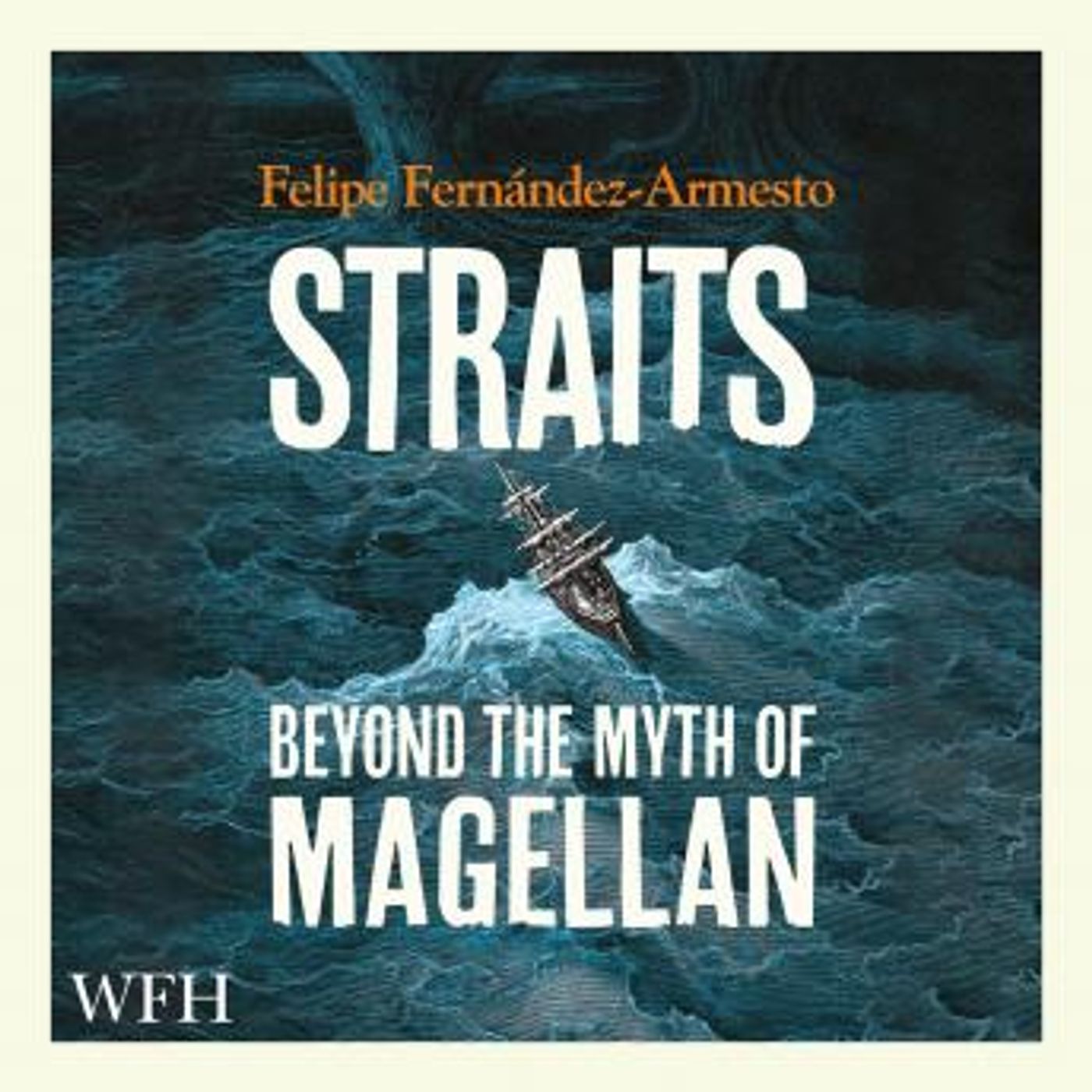
Top Free Audiobooks in Biography & Memoir, History & CultureStraits: Beyond the Myth of Magellan by Felipe Fernández-ArmestoPlease visit https://thebookvoice.com/podcasts/1/audiobook/564280 to listen full audiobooks. Title: Straits: Beyond the Myth of Magellan Author: Felipe Fernández-Armesto Narrator: Kris Dyer Format: Unabridged Audiobook Length: 15 hours 34 minutes Release date: March 29, 2022 Genres: History & Culture Publisher's Summary: For centuries, Ferdinand Magellan has been celebrated as a hero: a noble adventurer who circumnavigated the globe in an extraordinary feat of human bravery; a paragon of daring and chivalry. Now, renowned historian Felipe Fernández-Armesto draws on extensive and meticulous research to conduct a dazzling investigation into Magellan's life, his character and his ill-fated voyage. He shows that Magellan did no...
2022-03-2903 min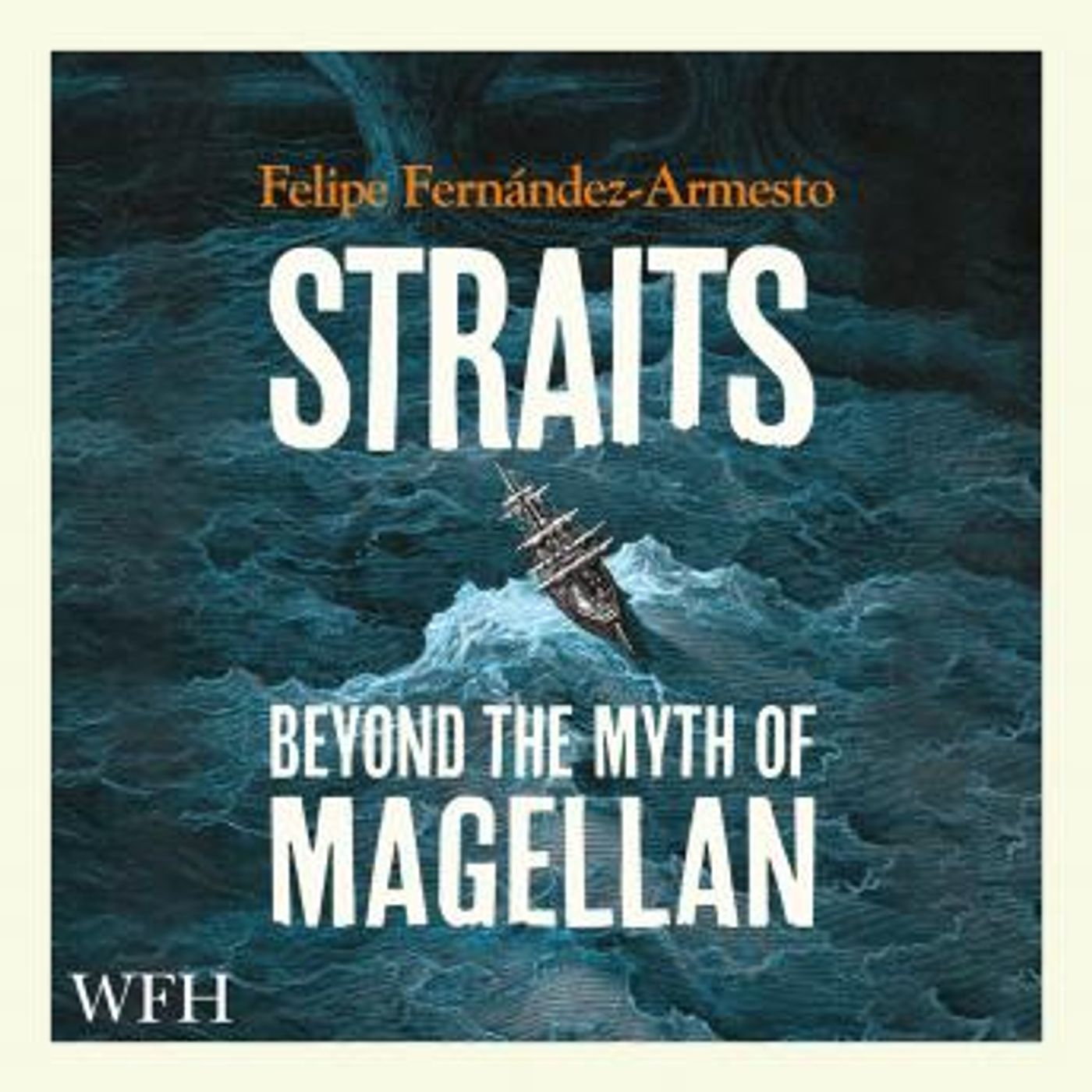
Discover Top Full Trial Audiobooks in Biography & Memoir, History & CultureStraits: Beyond the Myth of Magellan by Felipe Fernández-ArmestoPlease visit https://thebookvoice.com/podcasts/1/audiobook/564280 to listen full audiobooks. Title: Straits: Beyond the Myth of Magellan Author: Felipe Fernández-Armesto Narrator: Kris Dyer Format: Unabridged Audiobook Length: 15 hours 34 minutes Release date: March 29, 2022 Genres: History & Culture Publisher's Summary: For centuries, Ferdinand Magellan has been celebrated as a hero: a noble adventurer who circumnavigated the globe in an extraordinary feat of human bravery; a paragon of daring and chivalry. Now, renowned historian Felipe Fernández-Armesto draws on extensive and meticulous research to conduct a dazzling investigation into Magellan's life, his character and his ill-fated voyage. He shows that Magellan did no...
2022-03-2903 min
that's interesting031_ Conversation: the more things change, the more they stay the sameThis episode was a delight for me, not only for the company I had for this conversation, but that it was able to be recorded in person. A luxury I rarely have for this show.
Having moved back to the Midwest, i was able to take my guest up on an offer to visit them when they're teaching at Notre Dame, and be able to spend an afternoon chatting with one of the best historians of our day, who would likely have to go back to Will Durant to find another such historian with quite the breath and depth as...
2022-01-172h 24
Köşedeki KitapçıArmesto, Ulu, Edem📗Felipe Fernandez Armesto - Kendi Kaleminden Kolomb Seyahatnamesi
📗Gökmen Ulu - Bir Kar Tanesinin Çığa Dönüşümü: Müjdat Gezen
📗Ömer Edem - Güneş Kalır Bir Başına
2021-12-0805 min
The Critic PodcastThe art of fast food by Felipe Fernández-ArmestoEmpty shelves need not mean dreary eating
2021-12-0308 min
The Critic PodcastFast food and stolen goodsWelcome back to The Critic Narrated, where we bring you a selection of articles from our print issues, read aloud by their authors.
In this episode, Felipe Fernández-Armesto says that empty shelves need not mean dreary eating in his column from the December/January issue of The Critic: “The art of fast food”, while Daisy Dunn narrates her book review of Mary Beard's Twelve Caesars: Images of Power from the Ancient World to the Modern, and Michael Prodger reads aloud his art column from the latest issue of The Critic: “To catch a culture thief”.
2021-12-0323 min
GeopolinómicosIRÁN y LÍBANO: ¿DIVIDIR el MUNDO ÁRABE?💥 El GRUPO WAGNER💥PUZZLE en KURDISTÁN💥ARGELIA/MARRUECOSApoya el canal con nuestro PATREON: https://www.patreon.com/geopolinomics
00:00 Introducción
00:49 Noticias geopolíticas de la semana
03;29 La guerra en Etiopía da un vuelco
09:04 El conflicto entre Marruecos y Argelia
16:44 Ejércitos privados: el Grupo Wagner
35:34 Irán divide al mundo árabe por medio de Líbano
46:53 El puzzle del Kurdistán
1:08:05 Alvar Núñez Cabeza de Vaca es nuestro Mirlo Blanco de la semana
1:20:01 Recomendación bibliográfica: LAS AMÉRICAS, Felipe Fernández-Armesto. Enlace afiliado: https://amzn.to/3CRGJYS
1:28:23 Preguntas de los espectadores
💥Enlace a nuestro CURSO ONLINE:
🟡https://formacioncontinua.uam.es/73966/detail/latinoamerica_-siglo-xxi.-una-potencia-econom...
2021-11-081h 38
Polymatas#8 (Entre Polymatas) - Felipe Fernández-Armesto y la historia de las ideasPara ver las referencias a los libros y temas mencionados entra en https://www.polymatas.com/entrevista-felipe-fernandez-armesto/.
Felipe Fernández-Armesto es una de esas personas que no te dejan indiferente. Mientras leía su último libro, Más allá de nuestras mentes, quedé completamente apabullado por la cantidad de frentes de investigación que se abrían ante mis ojos. Felipe ha escrito una historia de las ideas que se remonta a la prehistoria y termina en nuestros días. Solo eso ya merece dos y tres lecturas cuidadosas del libro. Sin embargo, lo que de verdad me dejó n...
2021-08-211h 09The Burning Archive13 Change everything but change itselfIn this episode of the Burning Archive, Jeff Rich completes his 12 part thematic history of our times. Historian Felipe Fernandez-Armesto writes about the impact of accelerating change on society over the last 50 years: “Under the surface of political and economic change lurks fear of instability in the most precious sources of identity.” He puts his finger on the change the Burning Archive has been describing as social fragmentation: Social Change + Identity Impacts + Technological Amplification + Cultural Viruses = profound uncertainty about who we are. In this episode, the Burning Archive asks: What happens to a society when we change everything, even chan...
2021-08-141h 09The Burning Archive8. Cultural decay and the meaning of the Burning ArchiveCultural decay has been a theme of cultural pessimists for centuries, and in this episode Jeff Rich surveys prophets of cultural doom from Matthew Arnold, Max Weber, Stefan Zweig, and the more witty and balanced Felipe Fernandez-Armesto. Poetry makes an appearance too - with Arnold's "Dover Beach", Yeats' "Second Coming", Jeff Rich's own reading of "The Burning Archive", and lastly a special guest appearance of Ezra Pound reading from his Cantos. Trust me - it all makes sense in the end.
Credits:
* The wonderful Kimiko Ishizaka and the Open Goldberg project, for the public domain...
2021-06-251h 03Diálogos y debates Fundación Rafael del PinoUn pie en el río: sobre el cambio y los límites de la evolución Felipe Fernández-Armesto y Juan Pablo FusiCon motivo de la presentación del libro “Un píe en el río. Sobre el cambio y los límites de la evolución”, del historiador Felipe Fernández-Armesto, la Fundación Rafael del Pino organizó el 23 de mayo de 2016 un diálogo entre el autor y Juan Pablo Fusi. El primero en intervenir fue Juan Pablo Fusi, catedrático de Historia Contemporánea de la Universidad Complutense de Madrid, quien señaló que el título del libro procede de Heráclito, quien dijo que cada vez que ponemos un pie en un río, el río siempre es distinto...
2021-04-0744 minDiálogos y debates Fundación Rafael del PinoUn pie en el río: sobre el cambio y los límites de la evolución Felipe Fernández-Armesto y Juan Pablo FusiCon motivo de la presentación del libro “Un píe en el río. Sobre el cambio y los límites de la evolución”, del historiador Felipe Fernández-Armesto, la Fundación Rafael del Pino organizó el 23 de mayo de 2016 un diálogo entre el autor y Juan Pablo Fusi. El primero en intervenir fue Juan Pablo Fusi, catedrático de Historia Contemporánea de la Universidad Complutense de Madrid, quien señaló que el título del libro procede de Heráclito, quien dijo que cada vez que ponemos un pie en un río, el río siempre es distinto...
2021-04-0744 min
The Mariner's Mirror PodcastThe Challenges and Rewards of Maritime HistoryDr Sam Willis speaks to Professor Felipe Fernández-Armesto, one of the world's leading authorities on global history. A British historian with Spanish roots who writes on world history, Fernández-Armesto offers a unique and comparative perspective on the importance of the sea in national histories. They discuss the challenges and rewards of studying maritime history from an international perspective. How is the sea remembered in national memory? How important is the sea to national identities of Spain and the UK? How valuable is maritime history as a tool for investigating encounters between different cultures and race relations? What are th...
2021-01-1252 min
Major Figures in Spanish Culture02. Christopher ColumbusNo one from Spain’s past is more famed, more hated or more misunderstood than Cristopher Columbus. Misplaced vengeance topples Columbus’ statues. Tweets traduce him. He was mendacious, egotistical, irrational, self-righteous, humourless, and mean. But he had virtues to balance his vices—including dazzling bravery, a kind of ingenuous charm, and a confiding nature. He was, moreover, sympathetic towards cultures other than his own, including Native Americans’. In this podcast, Felipe Fernández-Armesto, William P. Reynolds Professor of History at the University of Notre Dame, talks about this outstanding figure in Spanish culture.
Presented by Maria Jenell Nicolas
2020-12-1625 minMajor Figures in Spanish Culture02. Christopher ColumbusNo one from Spain’s past is more famed, more hated or more misunderstood than Cristopher Columbus. Misplaced vengeance topples Columbus’ statues. Tweets traduce him. He was mendacious, egotistical, irrational, self-righteous, humourless, and mean. But he had virtues to balance his vices—including dazzling bravery, a kind of ingenuous charm, and a confiding nature. He was, moreover, sympathetic towards cultures other than his own, including Native Americans’. In this podcast, Felipe Fernández-Armesto, William P. Reynolds Professor of History at the University of Notre Dame, talks about this outstanding figure in Spanish culture. Books and public...
2020-12-1625 min
that's interesting008_ Interview: culture is the frame of referenceThis episode I interview Felipe Fernández-Armesto, one of the most authored in volume, width and breadth, historian of our time.
We talk about the paradox of truth, comfort being the enemy of well-being, the wonder of imagination, if Europe is really a continent or just a plateau out of Asia, and a question you can use to escape out of chit chat.
Felipe is an exceptional author, and I encourage you to check out his work, especially Amerigo: the man who gave his name to America, and Truth: A history and guide for the perplexed.
https://www.amazon.com/d...
2020-11-031h 46
OBS: RadioessänÄr världen på väg att bli en enda stor kultur?Kulturutbytet har varit avgörande i människans historia och kanske också för hennes framtid. Eva-Lotta Hultén funderar över hur det ska gå till i en värld som alltmer liknar en enda kultur. Lyssna på alla avsnitt i Sveriges Radio Play. ESSÄ: Detta är en text där skribenten reflekterar över ett ämne eller ett verk. Åsikter som uttrycks är skribentens egna.
För många år sedan höll jag i en kurs i spanska. En av eleverna var en äldre man som skulle börja bo i Spanien på vintrarna. Han hade...
2020-04-2709 min
The Sheldrake Vernon DialoguesBig History and the Need for MeaningBig histories are big sellers. Noah Yuval Harari, David Christian and Felipe Fernández-Armesto are among the authors attempting to tell a deep story of the universe and humanity. In this episode of The Sheldrake-Vernon Dialogues, Rupert Sheldrake and Mark Vernon ask how they work and what’s at stake. Mark is particularly interested in this question as his new book, A Secret History of Christianity, adopts a different worldview to show how spirit and soul drive life. The conversation ranges over fascinating questions from the nature of information and emergence to what, given the current sense of crisis, we...
2019-08-2731 min
Beyond BeliefThe Religion of Spain500 years ago this summer a fleet of ships left Spain in search of the Spice Islands and a way around the new world. Three years later just one ship returned barely afloat. The first documented circumnavigation of the Earth was complete. The voyage signalled the growth of the Spanish Empire and the spread of Christianity to the new world. The voyage was financed by a Papal grant and Spaniards were committed by Vatican decree to spread Catholicism to the new world. So how do we assess the role of religion in Spanish history, what have been the key moments...
2019-08-2627 min
Stream Your Favorite Audiobook Titles Instantly OnlineOut of Our Minds: What We Think and How We Came to Think It : Felipe Fernandez-ArmestoPlease visit https://thebookvoice.com/podcasts/1/audiobook/387647 to listen full audiobooks.
Title: Out of Our Minds: What We Think and How We Came to Think It
Author: Felipe Fernandez-Armesto
Narrator: Kris Dyer
Format: Unabridged Audiobook
Length: 19 hours 35 minutes
Release date: July 25, 2019
Ratings: Ratings of Book: 4.67 of Total 3
Genres: Animals & Nature
Publisher's Summary: To imagine – to see that which is not there – is the startling ability that has fuelled human development and innovation through the centuries. As a species we stand alone in our remarkable capacity to refashion the world after the pictures in o...
2019-07-257h 35
Tides of HistoryWho Was Christopher Columbus? With Professor Felipe Fernandez-Armesto1492 was a truly wild year, and there is no one better to talk about it with than one of Patrick's favorite historians, Felipe Fernandez-Armesto, author of many excellent books on Columbus and exploration.You can listen to the back catalog of Tides of History, completely ad-free, only on Stitcher Premium. For a free month of Stitcher Premium, go to stitcherpremium.com/wondery and use promo code WONDERY.Support this show by supporting our sponsors!See Privacy Policy at https://art19.com/privacy and California Privacy Notice at https://art19.com/pr...
2019-03-1440 min
On the River of History1 - Dissecting the Past (Part 4)The premiere episode! Featuring a condensed review of historiography, analyzing how historians uncover the human past and how they interpret what they discover. Subjects include dating systems, archaeology, and written records.Transcript: https://riverofhistory.tumblr.com/post/181793049896/episode-1-dissecting-the-pastLinks and References Mentioned:- Human Relations Area Files: http://ehrafarchaeology.yale.edu/ehrafa/ - Felipe Fernández-Armesto quote: "Civilizations" Touchstone, 2002- Sting quote: https://genius.com/Sting-history-will-teach-us-nothing-lyrics - Nigel Calder 'like a Martian': "Timescale: An Atlas of the Fourth Dimension" The Viking Press, 1983Note: podcast was originally hosted on Mixclo...
2019-02-1016 minOn the River of History1 - Dissecting the Past (Part 3)The premiere episode! Featuring a condensed review of historiography, analyzing how historians uncover the human past and how they interpret what they discover. Subjects include dating systems, archaeology, and written records.Transcript: https://riverofhistory.tumblr.com/post/181793049896/episode-1-dissecting-the-pastLinks and References Mentioned:- Human Relations Area Files: http://ehrafarchaeology.yale.edu/ehrafa/ - Felipe Fernández-Armesto quote: "Civilizations" Touchstone, 2002- Sting quote: https://genius.com/Sting-history-will-teach-us-nothing-lyrics - Nigel Calder 'like a Martian': "Timescale: An Atlas of the Fourth Dimension" The Viking Press, 1983Note: podcast was originally hosted on Mixclo...
2019-02-1010 minOn the River of History1 - Dissecting the Past (Part 2)The premiere episode! Featuring a condensed review of historiography, analyzing how historians uncover the human past and how they interpret what they discover. Subjects include dating systems, archaeology, and written records.Transcript: https://riverofhistory.tumblr.com/post/181793049896/episode-1-dissecting-the-pastLinks and References Mentioned:- Human Relations Area Files: http://ehrafarchaeology.yale.edu/ehrafa/ - Felipe Fernández-Armesto quote: "Civilizations" Touchstone, 2002- Sting quote: https://genius.com/Sting-history-will-teach-us-nothing-lyrics - Nigel Calder 'like a Martian': "Timescale: An Atlas of the Fourth Dimension" The Viking Press, 1983Note: podcast was originally hosted on Mixclo...
2019-02-1012 minOn the River of History1 - Dissecting the Past (Part 1)The premiere episode! Featuring a condensed review of historiography, analyzing how historians uncover the human past and how they interpret what they discover. Subjects include dating systems, archaeology, and written records.Transcript: https://riverofhistory.tumblr.com/post/181793049896/episode-1-dissecting-the-pastLinks and References Mentioned:- Human Relations Area Files: http://ehrafarchaeology.yale.edu/ehrafa/ - Felipe Fernández-Armesto quote: "Civilizations" Touchstone, 2002- Sting quote: https://genius.com/Sting-history-will-teach-us-nothing-lyrics - Nigel Calder 'like a Martian': "Timescale: An Atlas of the Fourth Dimension" The Viking Press, 1983Note: podcast was originally hosted on Mixclo...
2019-02-1011 min
New Books in Diplomatic HistoryAndrew Lambert, "Seapower States: Maritime Culture, Continental Empires and the Conflict That Made the Modern World" (Yale UP, 2018)Andrew Lambert, Professor of Naval History at King’s College, London, author of eighteen books, and winner of the prestigious Anderson Medal—turns his attention in a book that historian Felipe Fernandez Armesto describes as full of ‘ambition’, ‘verve’ and at times ‘brilliance’ - to Athens, Carthage, Venice, the Dutch Republic, and Britain. In Seapower States: Maritime Culture, Continental Empires and the Conflict That Made the Modern World (Yale UP, 2018), Professor Lambert, examines how each of these polities identities as “seapowers” informed and determined their individual histories and enabled them to achieve success disproportionate to their size.Lambert by delving i...
2019-01-231h 02
New Books in National SecurityAndrew Lambert, "Seapower States: Maritime Culture, Continental Empires and the Conflict That Made the Modern World" (Yale UP, 2018)Andrew Lambert, Professor of Naval History at King’s College, London, author of eighteen books, and winner of the prestigious Anderson Medal—turns his attention in a book that historian Felipe Fernandez Armesto describes as full of ‘ambition’, ‘verve’ and at times ‘brilliance’ - to Athens, Carthage, Venice, the Dutch Republic, and Britain. In Seapower States: Maritime Culture, Continental Empires and the Conflict That Made the Modern World (Yale UP, 2018), Professor Lambert, examines how each of these polities identities as “seapowers” informed and determined their individual histories and enabled them to achieve success disproportionate to their size.Lambert by delving i...
2019-01-231h 02
Notre Dame International Security CenterStudents Talk Security | The Effects of U.S. Foreign Policy, Past and PresentAn interview with Professor Felipe Fernandez-Armesto by Joseph Simone
Summary:
In this episode of ‘Student Talk Security’, Prof. Felipe Fernandez-Armesto will compare U.S. foreign policy of the past and present, discuss security threats today and other times in history, and explain how current U.S. policy is affecting the Hispanic community.
Biography:
Felipe Fernandez-Armesto is an esteemed member of the University of Notre Dame History Department. Born in London to a Spanish father and an English mother, Prof. Fernandez-Armesto completed his undergraduate and doctoral education at the University of Oxford. He joined the Notre Dame faculty in 2009 after previously hold...
2018-12-1234 min
This Week in VirologyReaders of the lost ORFThe TWiVsters review isolation of a naturally occurring DNA virus from fruit flies, and the cell-type specific function of a small transmembrane protein encoded in an open reading frame upstream of the enterovirus polyprotein. Hosts: Vincent Racaniello, Dickson Despommier, Rich Condit, and Kathy Spindler Subscribe (free): iTunes, Google Podcasts, RSS, email Become a patron of TWiV! Links for this episode Genome-edited babies (Nature) Second CRISPR pregnancy? (MIT Tech Rev) Naturally occurring DNA virus of Drosophila (PLoS Path) Upstream protein coding region in enterovirus genome We missed it in 1988! (J Virol) Letters re...
2018-12-021h 47
CUNY TV's Nueva YorkEpisodio #266In this episode we talk to tango couple Leonardo Sardella and Walter Pérez, and former Venezuelan beauty queen Luisa Díaz. Then, Carmen Boullosa interviews British writer and History professor Felipe Fernández-Armesto and we end with Puerto Rican musician and composer, Visitante.
2018-07-0629 min
From Our Own CorrespondentFrom Our Home CorrespondentMishal Husain presents dispatches from journalists and writers around the United Kingdom that reflect the range of contemporary life in the country. In the latest programme, we hear from Chris Warburton on how Bolton in Greater Manchester is responding to the dramatically changing retail scene on its streets. The BBC's Religion Editor, Martin Bashir, draws on his own family's experience to consider the significance of the Church of England's intervention in the debate about pre-natal screening for Down's syndrome. Elizabeth Gowing reveals what one ex-offender has derived from his work with yoga and meditation - disciplines she has been...
2018-01-2828 min
Salvo Melhor JuízoSMJ #26 - Direito dos AnimaisDurante a idade média e o início da modernidade registrou-se uma variedade de casos de animais que eram levados aos bancos dos réus para serem julgados por supostos crimes cometidos contra os seres humanos. As decisões da época decidiram pela execução de porcos, excomungaram sanguessugas e gafanhotos, absolveram mulas e, em alguns casos, até reconheceram milagres operados por animais.
É só com o passar dos séculos rumo à modernidade que cada vez mais os animais foram se transformando em coisas desalmadas que estavam à mercê da vontade e da ação humana. De réus que eram, por mais estranho...
2016-09-051h 42
Salvo Melhor JuízoSMJ #26 - Direito dos AnimaisDurante a idade média e o início da modernidade registrou-se uma variedade de casos de animais que eram levados aos bancos dos réus para serem julgados por supostos crimes cometidos contra os seres humanos. As decisões da época decidiram pela execução de porcos, excomungaram sanguessugas e gafanhotos, absolveram mulas e, em alguns casos, até reconheceram milagres operados por animais.
É só com o passar dos séculos rumo à modernidade que cada vez mais os animais foram se transformando em coisas desalmadas que estavam à mercê da vontade e da ação humana. De réus que eram, por mais estranho...
2016-09-051h 42Salvo Melhor JuízoSMJ #26 - Direito dos AnimaisDurante a idade média e o início da modernidade registrou-se uma variedade de casos de animais que eram levados aos bancos dos réus para serem julgados por supostos crimes cometidos contra os seres humanos. As decisões da época decidiram pela execução de porcos, excomungaram sanguessugas e gafanhotos, absolveram mulas e, em alguns casos, até reconheceram milagres operados por animais.
É só com o passar dos séculos rumo à modernidade que cada vez mais os animais foram se transformando em coisas desalmadas que estavam à mercê da vontade e da ação humana. De réus que eram, por mais estranho...
2016-09-051h 42
RedesRedes (427) - Ahora sabemos que es un humano (Ciencia, divulgación)Algunos dicen que la humanidad está en peligro....Aún está por ver. Pero tras los hallazgos de la biología, la antropología y la inteligencia artificial, lo que seguro está en peligro es el concepto de "humano".
Qué significa ser humano? Quién es humano y quién no? Parecen preguntas fáciles de responder, pero no es así. Damos por hecho el concepto de humanidad pero la ciencia nos lo desmonta. Cada vez somos más parecidos a los animales y a las máquinas y la ingeniería genética nos depara nuevos retos a resolver.
Llevamos años h...
2015-10-1252 min
latinousaWhy Latino History MattersTo wrap up our history special, we explore why Latino history matters. We speak with historian Felipe Fernandez-Armesto (author of “Our America: A Hispanic History of the United States). Fernandez-Armesto makes the argument that if the United States wants to be a great nation in the future, it needs to embrace its history as a Latin American nation. Then we return to Laredo, a 96 percent Latino city on the US-Mexico border that’s also hosts the nation’s biggest celebration of George Washington’s birthday, to get a sneak peek at what our country’s Latino future might look like.
2015-05-2205 min
The Why FactorCookeryWhy do we cook, and not just eat raw food like all other animals? Jo Fidgen hears that our ancestors first started to cook about two million years ago, and the advent of cookery coincides with our developing bigger brains, and smaller guts. Harvard primatologist Richard Wrangham argues that it was cooking that led to both these developments, as cooked food is easier to digest, and allows the body to absorb more calories from the food, thus making it possible to fuel a bigger brain. So cooking made us human. Historian Felipe Fernandez-Armesto adds another dimension to...
2014-11-2917 min
AyerAyer - Eduardo García Rico. El hombre que cambió el semanario Triunfo - 17/08/14 Por Ayer han pasado algunos periodistas y el primero fue Augusto Assía, el corresponsal de de La Vanguardia (Felipe Fernández Armesto era su nombre), expulsado de Alemania por Goebbles, amigo después, en Londres, del topo soviético Kim Philby, en Washington consejero de Lequerica (y de Franco), medalla de la Orden del Imperio Británico y el periodista que más secretos guardaba al fallecer cercano a los 100 años de edad, después de una vida que le llevó del comunismo desmentido de su juvent...
2014-08-1700 min
2014 | LSE Public lectures and events | Audio and pdfA Typical Latin American Country: the United StatesContributor(s): Professor Felipe Fernández-Armesto | In this talk Felipe Fernández-Armesto aims to traduce the Anglo myth that has dominated US historiography, by suggesting that regional approaches to US history have disclosed facts previously under-acknowledged: the country - in parts, especially - has a past that closely resembles that of most Latin American republics, and a future increasingly convergent with other parts of the Americas. Felipe Fernández-Armesto is the William P Reynolds Professor of Arts and Letters at the University of Notre Dame and the author, most recently, of Our America.
2014-04-301h 22Summer 2014 | Public lectures and events | Audio and pdfA Typical Latin American Country: the United StatesContributor(s): Professor Felipe Fernández-Armesto | In this talk Felipe Fernández-Armesto aims to traduce the Anglo myth that has dominated US historiography, by suggesting that regional approaches to US history have disclosed facts previously under-acknowledged: the country - in parts, especially - has a past that closely resembles that of most Latin American republics, and a future increasingly convergent with other parts of the Americas. Felipe Fernández-Armesto is the William P Reynolds Professor of Arts and Letters at the University of Notre Dame and the author, most recently, of Our America.
2014-04-301h 222014 | LSE Public lectures and events | VideoA Typical Latin American Country: the United StatesContributor(s): Professor Felipe Fernández-Armesto | In this talk Felipe Fernández-Armesto aims to traduce the Anglo myth that has dominated US historiography, by suggesting that regional approaches to US history have disclosed facts previously under-acknowledged: the country - in parts, especially - has a past that closely resembles that of most Latin American republics, and a future increasingly convergent with other parts of the Americas. Felipe Fernández-Armesto is the William P Reynolds Professor of Arts and Letters at the University of Notre Dame and the author, most recently, of Our America.
2014-04-301h 22
Podcast AndakieFelipe Fernández Armesto y Manuel Lucena GiraldoAudio para mis estudiantes. Entrevista II a Felipe Fernández Armesto y Manuel Lucena Giraldo en el marco del Simposio de Filosofía Política realizado en octubre de 2011
2012-03-1423 min
Podcast AndakieFelipe Fernández Armesto y Manuel Lucena GiraldoAudio para mis estudiantes. Entrevista I a Felipe Fernández Armesto y Manuel Lucena Giraldo en el marco del Simposio de Filosofía Política realizado en octubre de 2011
2012-03-1424 min
Redes (Emisiones Anteriores)Ahora sabemos qué es un humano (Redes #427)¿qué características se consideraban anteriormente como exclusivas del ser humano? ¿la diferencia entre humanos y animales? ¿Cuándo surgió el deseo?. Con Felipe Fernández-Armesto, profesor de Historia de la Universidad de Oxford. Programa perteneciente a la temporada de 2007
2012-02-1552 min
Four ThoughtFelipe Fernandez-Armesto: The Myth of the Protestant Work EthicProfessor Felipe Fernandez-Armesto explodes what he sees as the newly revived myth of the Protestant work ethic and debunks cultural explanations for economic progress or decline in different parts of the world.Four Thought is a series of talks which combine thought provoking ideas and engaging storytelling. Recorded live in front of an audience at the RSA in London, speakers take to the stage to air their latest thinking on the trends, ideas, interests and passions that affect our culture and society.Producer: Sheila Cook.
2011-06-0114 min
A History of the World in 100 ObjectsDurer's RhinocerosNeil MacGregor's world history as told through things that time has left behind. This week he is exploring vigorous empires that flourished across the world 600 years ago - visiting the Inca in South America, Ming Dynasty China, and the Timurids in their capital at Samarkand and the Ottomans in Constantinople. Today he examines the fledgling empire of Portugal and describes what the European world was looking like at this time. His chosen object is one of the most enduring in art history, and one of the most duplicated - Albrecht Durer's famous print of an Indian rhino, an animal...
2010-09-1714 min
Blackwell Online PodcastsFelipe Fernandez-ArmestoIn '1492 - The Year Our World Began', historian and author Felipe Fernandez-Armesto traces the birth of the modern age back to a single year, 1492; analysing the events that would unfold and change the world forever. The distribution of global power and wealth; the divergance of major religions and civilisations, and even events that would change the ecological system of the planet, Fernandez-Armesto shows how 1492 was one of the most pivitol years in human history.
2010-02-1900 min
Listen To An Eye-Opening Full Audiobook And Elevate Your Mindset.The Americas by Felipe Fernandez-ArmestoPlease visithttps://thebookvoice.com/podcasts/2/audible/132696to listen full audiobooks.
Title: The Americas
Author: Felipe Fernandez-Armesto
Narrator: Paul Hecht
Format: mp3
Length: 6 hrs and 16 mins
Release date: 07-28-05
Ratings: 3.5 out of 5 stars, 45 ratings
Genres: Civilization
Publisher's Summary:
2005-07-286h 16
In Our TimeThe AristocracyMelvyn Bragg and guests discuss the British aristocracy. The Greeks gave us the word aristocracy; it takes its root from ‘aristo’, meaning best and ‘kratos’, meaning rule or power. And for more than five hundred years Britain was ruled by a class that was defined, at the time, as the best. They founded their ascendancy on the twin pillars of land and heredity and in terms of privilege, preferment, power, style and wealth, they dominated British society. As the Earl of Chesterfield confidently informed the House of Lords in the mid-18th century, “We, my lords, may thank heaven that we have...
2003-06-1942 minIn Our TimeSlavery and EmpireMelvyn Bragg and guests discuss slavery and empire; two themes that run right through this country’s history. Britain’s imperial project dominated at least the last three centuries of our national life. Its advocates claim it was a civilising mission by which Britain spread enlightenment and improvement across the globe. Opponents have long seen it as a brutal business, with Britons cast as cruel oppressors out to exploit a conquered world. Is our imperial history so clear cut? What if Britons were themselves captives, either as prisoners of an imperial enterprise that sucked them in, generation after generation or...
2002-10-1728 minIn Our TimeFoodMelvyn Bragg explores the history of food in Modern Europe. The French philosopher of food Brillat-Savarin wrote in his Physiology of Taste, 'The pleasures of the table belong to all times and all ages, to every country and to every day; they go hand in hand with all our other pleasures; outlast them, and remain to console us for their loss' . The story of food is cultural as well as culinary, and what we eat and how we eat has always been linked to who we are or whom we might become, from the great humanist thinker Erasmus warning...
2001-12-2742 min