Shows
InPrincipio PodcastPractice During Lent — From Dom Guéranger’s Liturgical YearPlease Note: In light of increasingly frequent inquiries, I want to assure all listeners that the voice in these recordings is *NOT AI generated*; it is my (InPrincipio Podcast’s) own human voice, unworthy as it is. Thank you. Chapter 3 of the Introduction to the Season of Lent: Practice During Lent, from Volume V of "The Liturgical Year" by Dom Prosper Guéranger.Dom Prosper Guéranger's The Liturgical Year, a monumental fifteen-volume work, offers a comprehensive exploration of the Catholic Church’s liturgical calendar, guiding readers through the spiritual and historical richness of the Church’s worship. Written in the 1...
2026-02-1728 min
InPrincipio PodcastThe Mystery of Lent — From Dom Guéranger’s Liturgical YearPlease Note: In light of increasingly frequent inquiries, I want to assure all listeners that the voice in these recordings is *NOT AI generated*; it is my (InPrincipio Podcast’s) own human voice, unworthy as it is. Thank you. Chapter 2 of the Introduction to the Season of Lent: The Mystery of Lent, from Volume V of "The Liturgical Year" by Dom Prosper Guéranger.Dom Prosper Guéranger's The Liturgical Year, a monumental fifteen-volume work, offers a comprehensive exploration of the Catholic Church’s liturgical calendar, guiding readers through the spiritual and historical richness of the Church’s worship. Written...
2026-02-1618 min
InPrincipio PodcastThe History of Lent — From Dom Guéranger’s Liturgical YearPlease Note: In light of increasingly frequent inquiries, I want to assure all listeners that the voice in these recordings is *NOT AI generated*; it is my (InPrincipio Podcast’s) own human voice, unworthy as it is. Thank you. Preface and Chapter 1 of the Introduction to the Season of Lent: The History of Lent, from Volume V of "The Liturgical Year" by Dom Prosper Guéranger.Dom Prosper Guéranger's The Liturgical Year, a monumental fifteen-volume work, offers a comprehensive exploration of the Catholic Church’s liturgical calendar, guiding readers through the spiritual and historical richness of the Church’s worshi...
2026-02-1639 min
InPrincipio PodcastAsh Wednesday — From Dom Guéranger’s Liturgical YearPlease Note: In light of increasingly frequent inquiries, I want to assure all listeners that the voice in these recordings is *NOT AI generated*; it is my (InPrincipio Podcast’s) own human voice, unworthy as it is. Thank you. A meditation for Ash Wednesday, from Dom Guéranger’s “The Liturgical Year”. On Ash Wednesday the Church abruptly turns from the fleeting mirth of the world to the solemn fast of Lent, summoning her children to spiritual combat through humility, penance, and recollection of death. Marked with blessed ashes—made from the palms of the previous year—the faithful hear the sent...
2026-02-1530 min
InPrincipio PodcastTuesday of Quinquagesima Week — From Dom Guéranger’s Liturgical YearPlease Note: In light of increasingly frequent inquiries, I want to assure all listeners that the voice in these recordings is *NOT AI generated*; it is my (InPrincipio Podcast’s) own human voice, unworthy as it is. Thank you. A meditation for Tuesday of Quinquagesima Week, from Dom Guéranger’s “The Liturgical Year”. On Tuesday of Quinquagesima Week (Fat Tuesday), Dom Guéranger reflects on the Christian’s solemn renunciation of “the world,” clarifying that this does not mean despising God’s creation or withdrawing from human society, but rejecting the spirit opposed to Christ—those false maxims, vanities, and pleasu...
2026-02-1506 min
InPrincipio PodcastMonday of Quinquagesima Week — From Dom Guéranger’s Liturgical YearPlease Note: In light of increasingly frequent inquiries, I want to assure all listeners that the voice in these recordings is *NOT AI generated*; it is my (InPrincipio Podcast’s) own human voice, unworthy as it is. Thank you. A meditation for Monday of Quinquagesima Week, from Dom Guéranger’s “The Liturgical Year”. Monday of Quinquagesima Week calls the Christian to imitate Abraham in generous and unwavering obedience to God. Like the patriarch who left Chaldea at the divine command and later proved his fidelity through the willingness to sacrifice Isaac, the faithful soul must journey courageously toward the heave...
2026-02-1506 min
InPrincipio PodcastOn Holy Communion During Septuagesima— From Dom Guéranger’s Liturgical YearPlease Note: In light of increasingly frequent inquiries, I want to assure all listeners that the voice in these recordings is *NOT AI generated*; it is my (InPrincipio Podcast’s) own human voice, unworthy as it is. Thank you. Chapter 6 of the Introduction to the Season of Septuagesima: On Holy Communion During Septuagesima, from Volume IV of "The Liturgical Year" by Dom Prosper Guéranger.Dom Prosper Guéranger's The Liturgical Year, a monumental fifteen-volume work, offers a comprehensive exploration of the Catholic Church’s liturgical calendar, guiding readers through the spiritual and historical richness of the Church’s worship...
2026-02-1418 min
InPrincipio PodcastQuinquagesima Sunday — From Dom Guéranger’s Liturgical YearPlease Note: In light of increasingly frequent inquiries, I want to assure all listeners that the voice in these recordings is *NOT AI generated*; it is my (InPrincipio Podcast’s) own human voice, unworthy as it is. Thank you. A meditation for Quinquagesima Sunday, from Dom Guéranger’s “The Liturgical Year”. Quinquagesima Sunday gathers up the whole spirit of Septuagesima and places before us, on the threshold of Lent, the figure of Abraham as the model of obedient faith, detachment, and fidelity. Called by God to leave country, kindred, and father’s house, he becomes the father of believers a...
2026-02-1432 min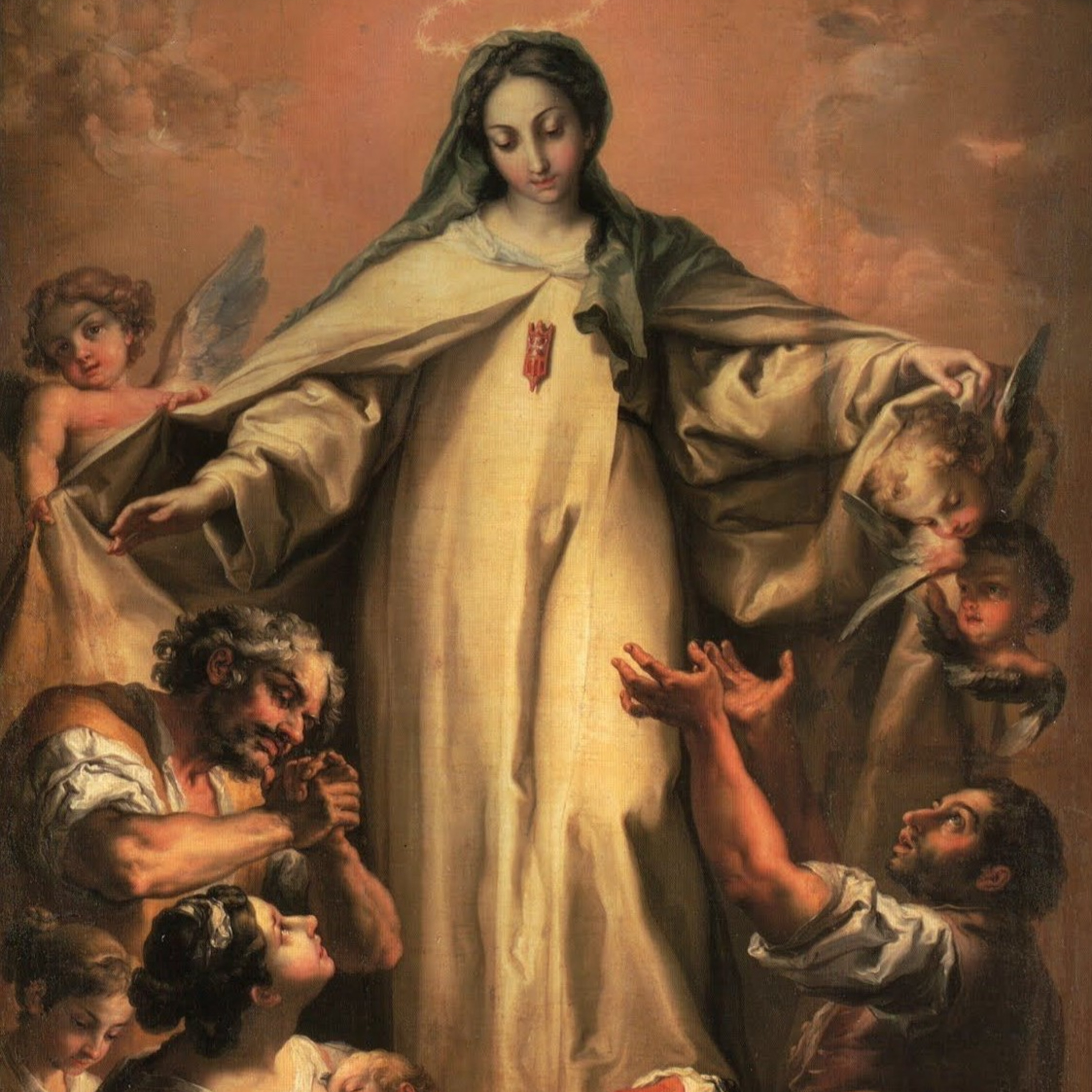
InPrincipio PodcastSaturday of Sexagesima Week — From Dom Guéranger’s Liturgical YearPlease Note: In light of increasingly frequent inquiries, I want to assure all listeners that the voice in these recordings is *NOT AI generated*; it is my (InPrincipio Podcast’s) own human voice, unworthy as it is. Thank you. A meditation for Saturday of Sexagesima Week, from Dom Guéranger’s “The Liturgical Year”. On the Saturday of Sexagesima Week, Dom Guéranger turns our attention once more to the Blessed Virgin Mary, contrasting our fallenness and repeated actual sins with her spotless purity as the one member of our race untouched by sin. In humble sorrow, we acknowledge how often...
2026-02-1308 min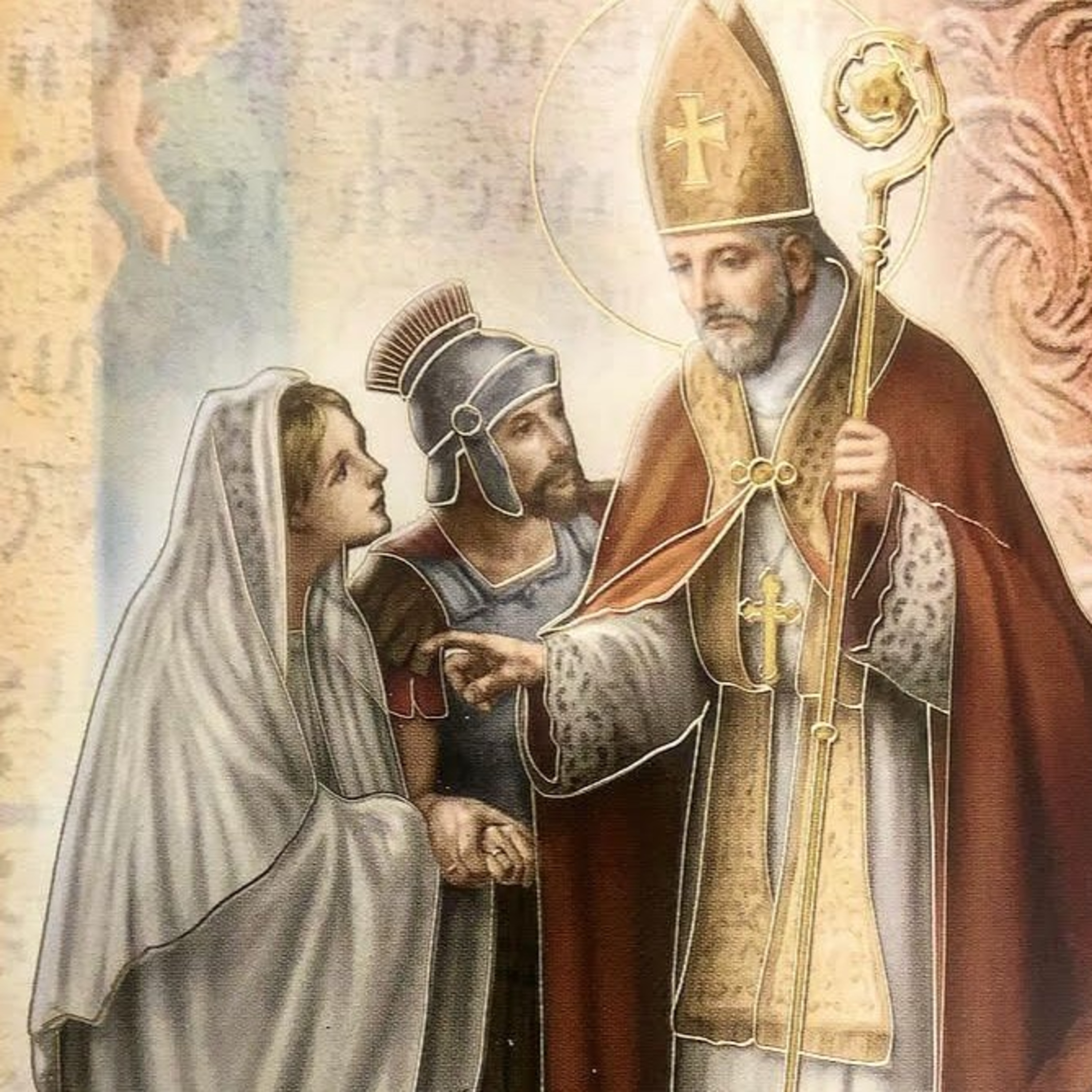
InPrincipio PodcastSt. Valentine (February 14) — From Dom Guéranger’s Liturgical YearPlease Note: In light of increasingly frequent inquiries, I want to assure all listeners that the voice in these recordings is *NOT AI generated*; it is my (InPrincipio Podcast’s) own human voice, unworthy as it is. Thank you. A meditation for the Feast of Saint Valentine, from Dom Guéranger’s “The Liturgical Year”. Saint Valentine was an early Christian martyr of the third century, traditionally identified as a priest or bishop in Rome who suffered under the persecution of Emperor Claudius II around the year 269. Though historical details are sparse and several martyrs of that name are recorded...
2026-02-1302 min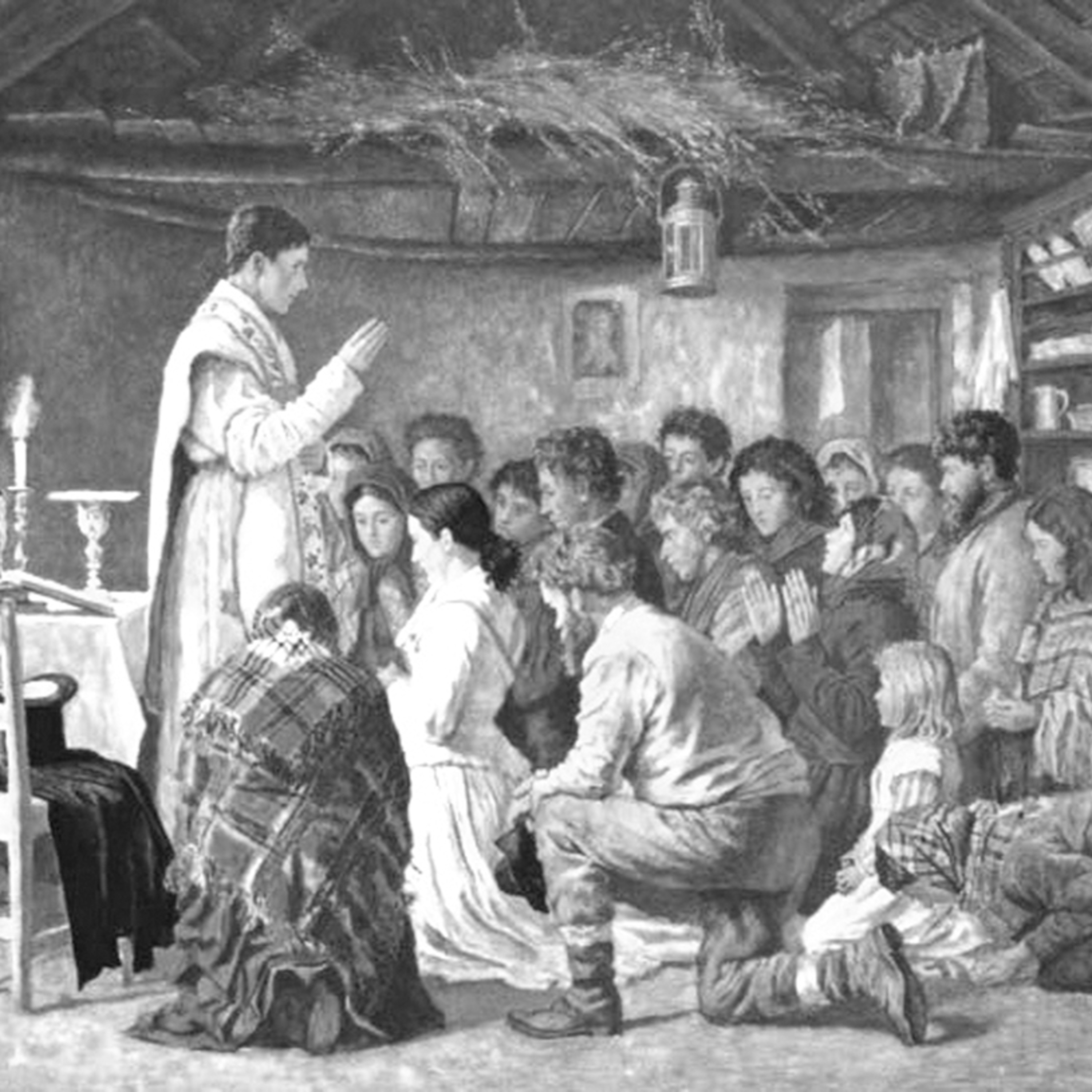
InPrincipio PodcastOn Hearing Mass During Septuagesima— From Dom Guéranger’s Liturgical YearPlease Note: In light of increasingly frequent inquiries, I want to assure all listeners that the voice in these recordings is *NOT AI generated*; it is my (InPrincipio Podcast’s) own human voice, unworthy as it is. Thank you. Chapter 5 of the Introduction to the Season of Septuagesima: On Hearing Mass During the Season of Septuagesima, from Volume IV of "The Liturgical Year" by Dom Prosper Guéranger.Dom Prosper Guéranger's The Liturgical Year, a monumental fifteen-volume work, offers a comprehensive exploration of the Catholic Church’s liturgical calendar, guiding readers through the spiritual and historical richness of the Ch...
2026-02-1258 min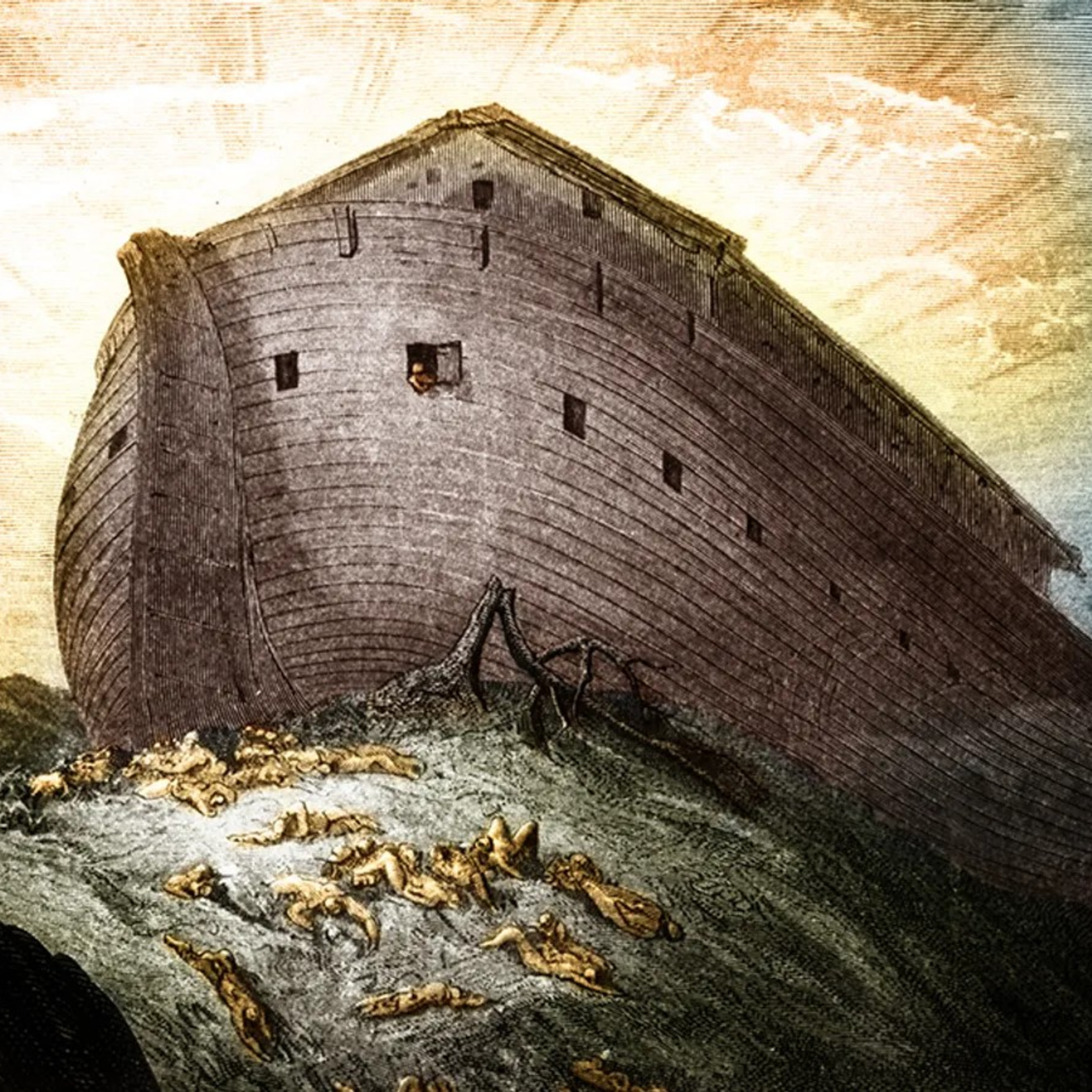
InPrincipio PodcastFriday of Sexagesima Week — From Dom Guéranger’s Liturgical YearPlease Note: In light of increasingly frequent inquiries, I want to assure all listeners that the voice in these recordings is *NOT AI generated*; it is my (InPrincipio Podcast’s) own human voice, unworthy as it is. Thank you. A meditation for Friday of Sexagesima Week, from Dom Guéranger’s “The Liturgical Year”. Friday of Sexagesima Week presents the figure of Noah’s Ark as a prophetic image of the Church, the true Ark of salvation established by God to preserve mankind amid the deluge of sin and divine chastisement. As the waters of the flood overwhelmed the world yet b...
2026-02-1107 min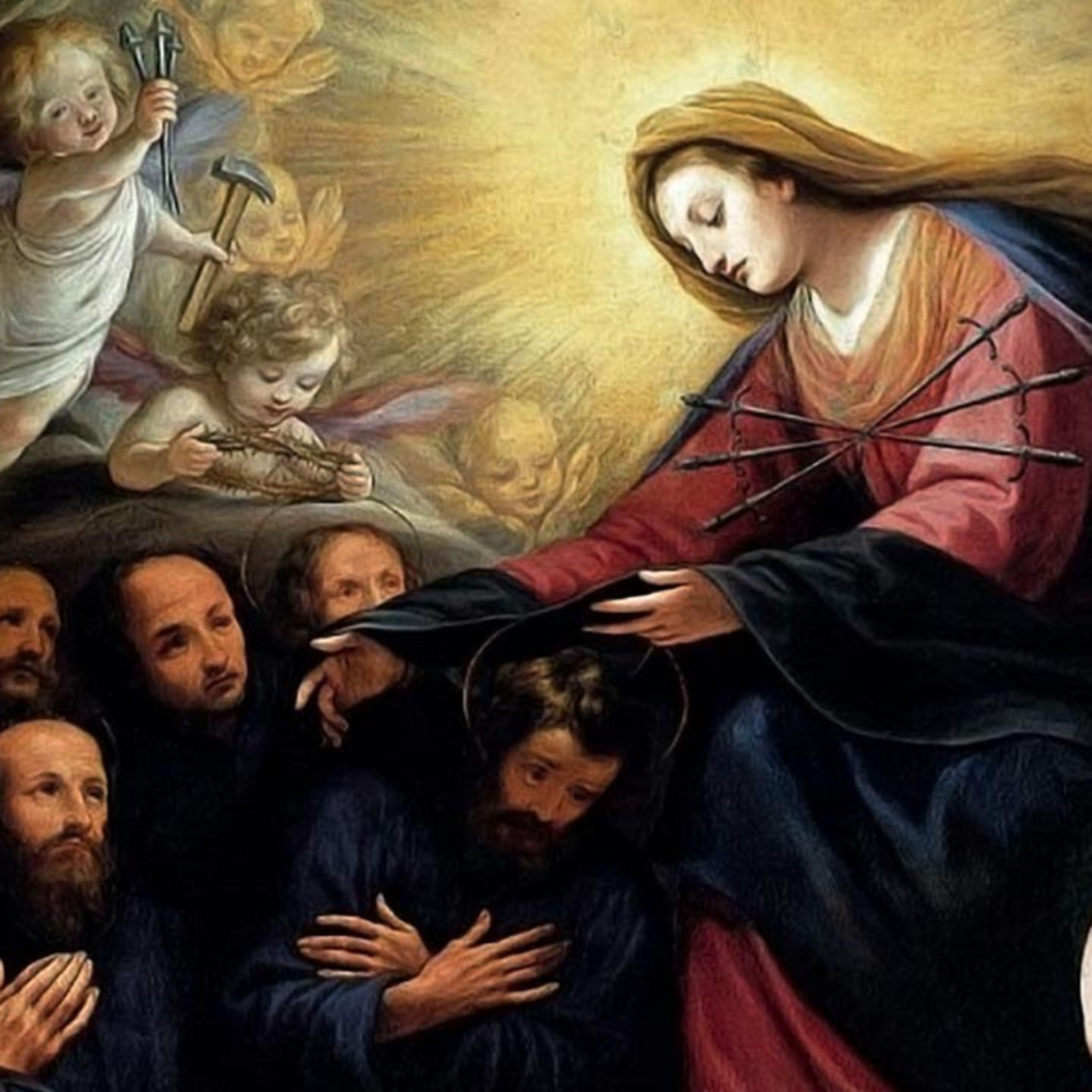
InPrincipio PodcastThe Seven Holy Founders of the Servite Order (February 12) — From Dom Guéranger’s Liturgical YearPlease Note: In light of increasingly frequent inquiries, I want to assure all listeners that the voice in these recordings is *NOT AI generated*; it is my (InPrincipio Podcast’s) own human voice, unworthy as it is. Thank you. A meditation for the Feast of the Seven Holy Founders of the Order of Servites, from Dom Guéranger’s “The Liturgical Year”. The Seven Holy Founders of the Order of Servites were seven noblemen of Florence—Bonfilius Monaldi, Alexis Falconieri, Benedict Dell’Antella, Bartholomew Amidei, Hugh of Uguccione, Gerard Sostegni, and John Buonagiunta—who in the early thirteenth century renounced their...
2026-02-1109 min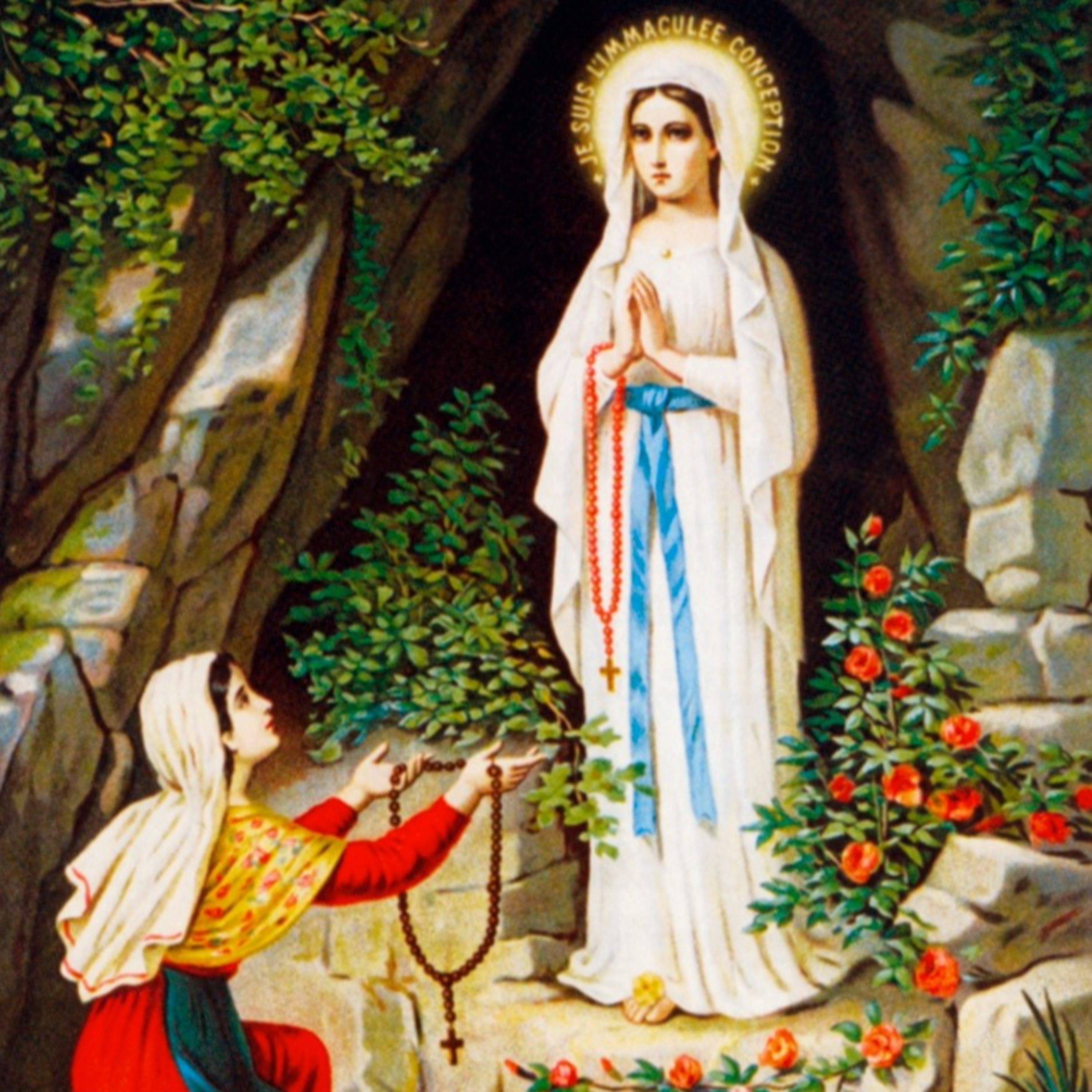
InPrincipio PodcastOur Lady of Lourdes (February 11) — From Dom Guéranger’s Liturgical YearPlease Note: In light of increasingly frequent inquiries, I want to assure all listeners that the voice in these recordings is *NOT AI generated*; it is my (InPrincipio Podcast’s) own human voice, unworthy as it is. Thank you. A meditation for the Feast of Our Lady of Lourdes, from Dom Guéranger’s “The Liturgical Year”. The feast of Our Lady of Lourdes, kept on February 11, commemorates the apparitions of the Blessed Virgin Mary to fourteen-year-old Bernadette Soubirous in 1858 at the grotto of Massabielle near Lourdes in France. Appearing as a radiant Lady clothed in white with a blue sash...
2026-02-1111 min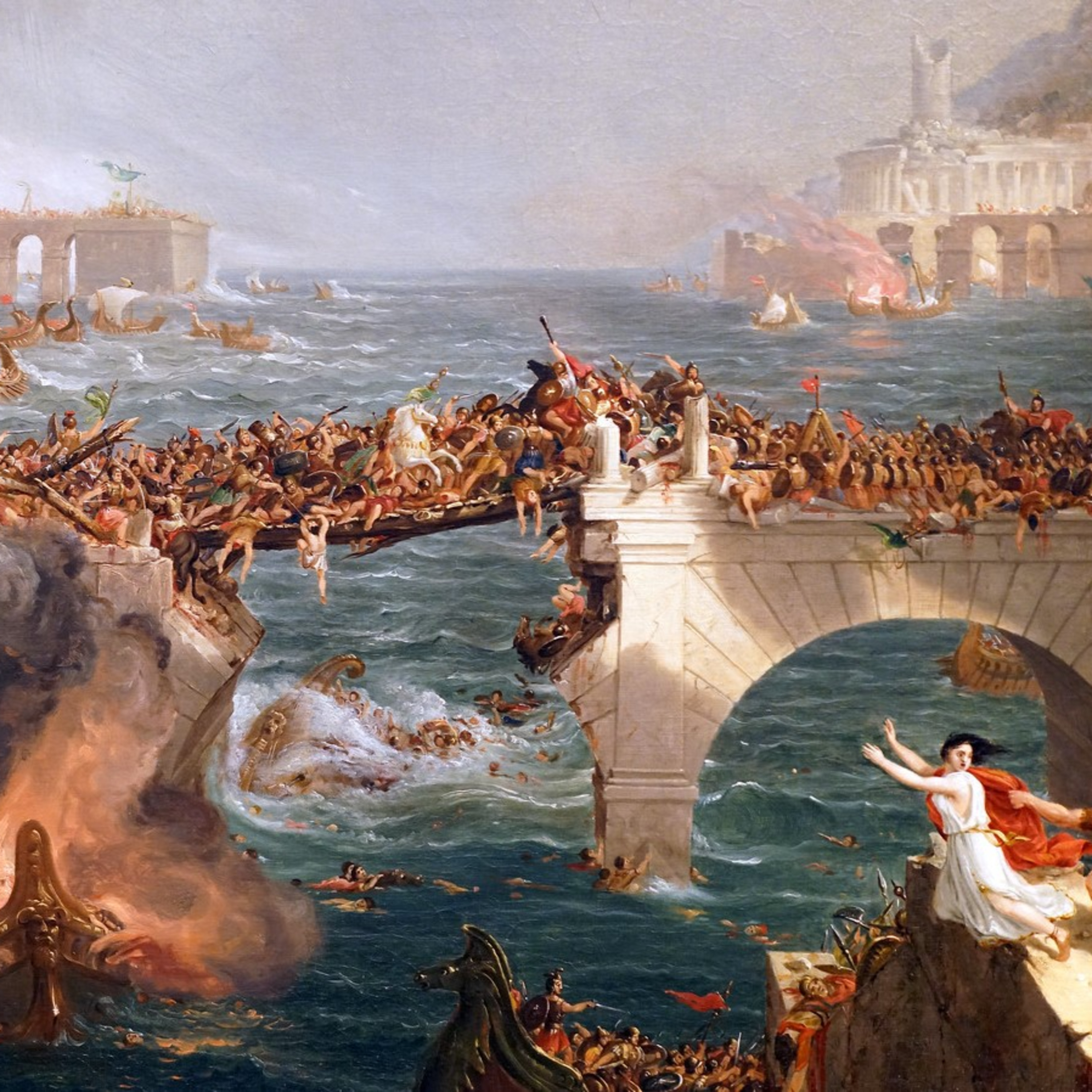
InPrincipio PodcastThursday of Sexagesima Week — From Dom Guéranger’s Liturgical YearPlease Note: In light of increasingly frequent inquiries, I want to assure all listeners that the voice in these recordings is *NOT AI generated*; it is my (InPrincipio Podcast’s) own human voice, unworthy as it is. Thank you. A meditation for Thursday of Sexagesima Week, from Dom Guéranger’s “The Liturgical Year”. Thursday of Sexagesima Week reflects soberly on God’s justice in history, especially as it is revealed through the “deluges” of invading nations permitted as punishment for collective sin. After the Flood of Noah, God no longer chastises the world by water, yet He allows the s...
2026-02-1005 min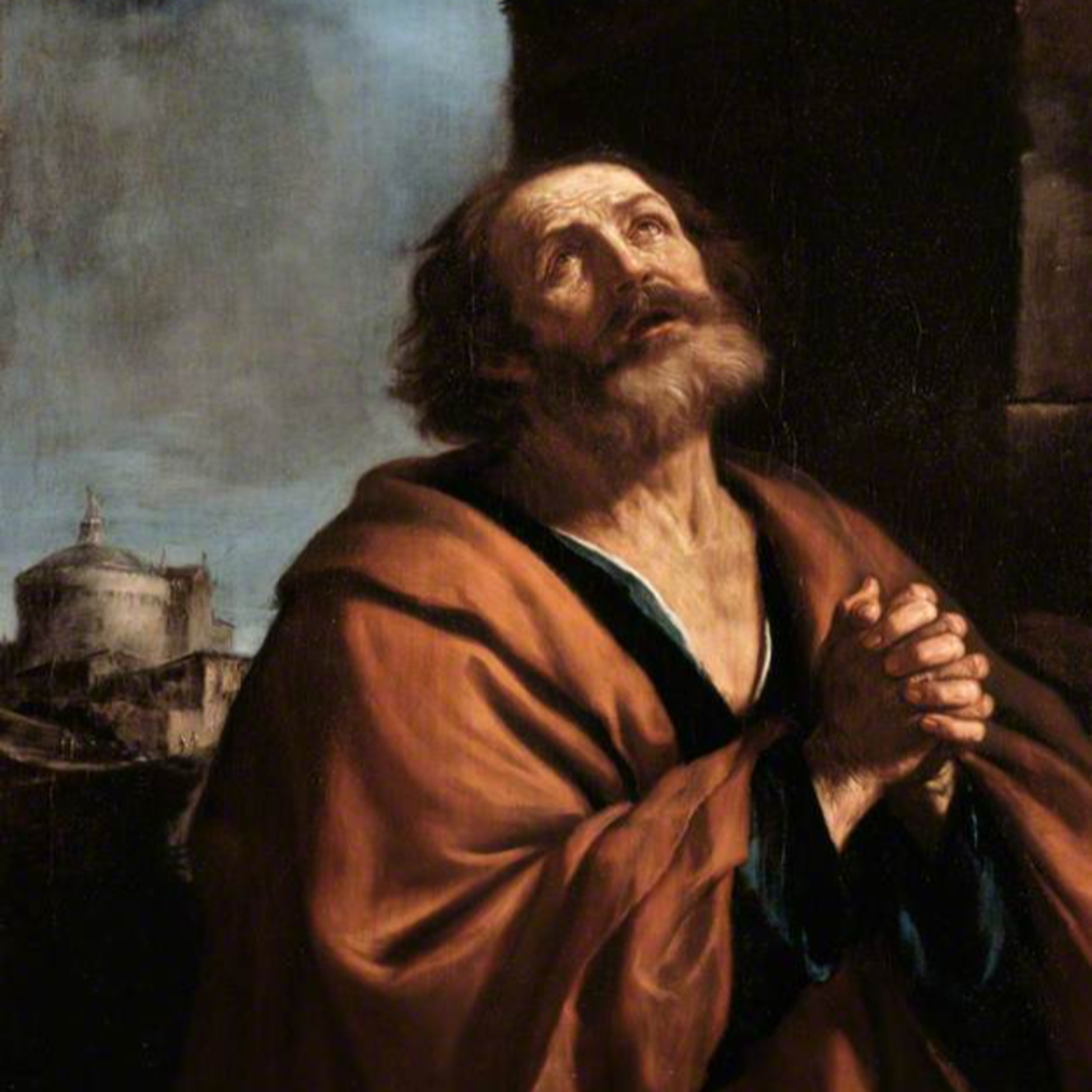
InPrincipio PodcastMorning and Night Prayers for Septuagesima — From Dom Guéranger’s Liturgical YearPlease Note: In light of increasingly frequent inquiries, I want to assure all listeners that the voice in these recordings is *NOT AI generated*; it is my (InPrincipio Podcast’s) own human voice, unworthy as it is. Thank you. Chapter 4 of the Introduction to the Season of Septuagesima: Morning and Night Prayers for Septuagesima, from Volume IV of "The Liturgical Year" by Dom Prosper Guéranger.In Chapter 4 of the Introduction to Septuagesima, Dom Guéranger lays out a structured pattern of morning and night prayer to help the faithful enter into the penitential spirit of the season. Beginning the...
2026-02-1025 min
InPrincipio PodcastWednesday of Sexagesima Week — From Dom Guéranger’s Liturgical YearPlease Note: In light of increasingly frequent inquiries, I want to assure all listeners that the voice in these recordings is *NOT AI generated*; it is my (InPrincipio Podcast’s) own human voice, unworthy as it is. Thank you. A meditation for Wednesday of Sexagesima Week, from Dom Guéranger’s “The Liturgical Year”. On Wednesday of Sexagesima Week, Dom Guéranger places before us the sobering reality of God’s justice and the necessity of holy fear as we approach Lent. Reflecting on the punishments of former ages—especially the Flood—he reminds us that though God is patient and desi...
2026-02-1004 min
InPrincipio PodcastSt. Scholastica (February 9) — From Dom Guéranger’s Liturgical YearPlease Note: In light of increasingly frequent inquiries, I want to assure all listeners that the voice in these recordings is *NOT AI generated*; it is my (InPrincipio Podcast’s) own human voice, unworthy as it is. Thank you. A meditation for the Feast of St. Scholastica, from Dom Guéranger’s “The Liturgical Year”. Saint Scholastica was a consecrated virgin of the sixth century and the twin sister of Saint Benedict of Nursia, sharing with him a deep dedication to the service of God. Though she lived apart from her brother—tradition holds that she resided near Monte Cassino—she...
2026-02-1020 min
InPrincipio PodcastTuesday of Sexagesima Week — From Dom Guéranger’s Liturgical YearPlease Note: In light of increasingly frequent inquiries, I want to assure all listeners that the voice in these recordings is *NOT AI generated*; it is my (InPrincipio Podcast’s) own human voice, unworthy as it is. Thank you. A meditation for Tuesday of Sexagesima Week, from Dom Guéranger’s “The Liturgical Year”. Tuesday of Sexagesima Week turns our gaze to the corruption of mankind before the Flood and confronts us with the sobering truth that, despite centuries of divine blessings, men remain forgetful, ungrateful, and rebellious before God. The Church recounts the sins of the early world and the c...
2026-02-0905 min
InPrincipio PodcastSt. Cyril of Alexandria (February 9) — From Dom Guéranger’s Liturgical YearPlease Note: In light of increasingly frequent inquiries, I want to assure all listeners that the voice in these recordings is *NOT AI generated*; it is my (InPrincipio Podcast’s) own human voice, unworthy as it is. Thank you. A meditation for the Feast of St. Cyril of Alexandria, from Dom Guéranger’s “The Liturgical Year”. Saint Cyril of Alexandria (c. 376–444) was Patriarch of Alexandria and one of the Church’s greatest champions of orthodox Christology, best known for his decisive role at the Council of Ephesus (431), where he defended the unity of Christ’s person against Nestorius and upheld the...
2026-02-0926 min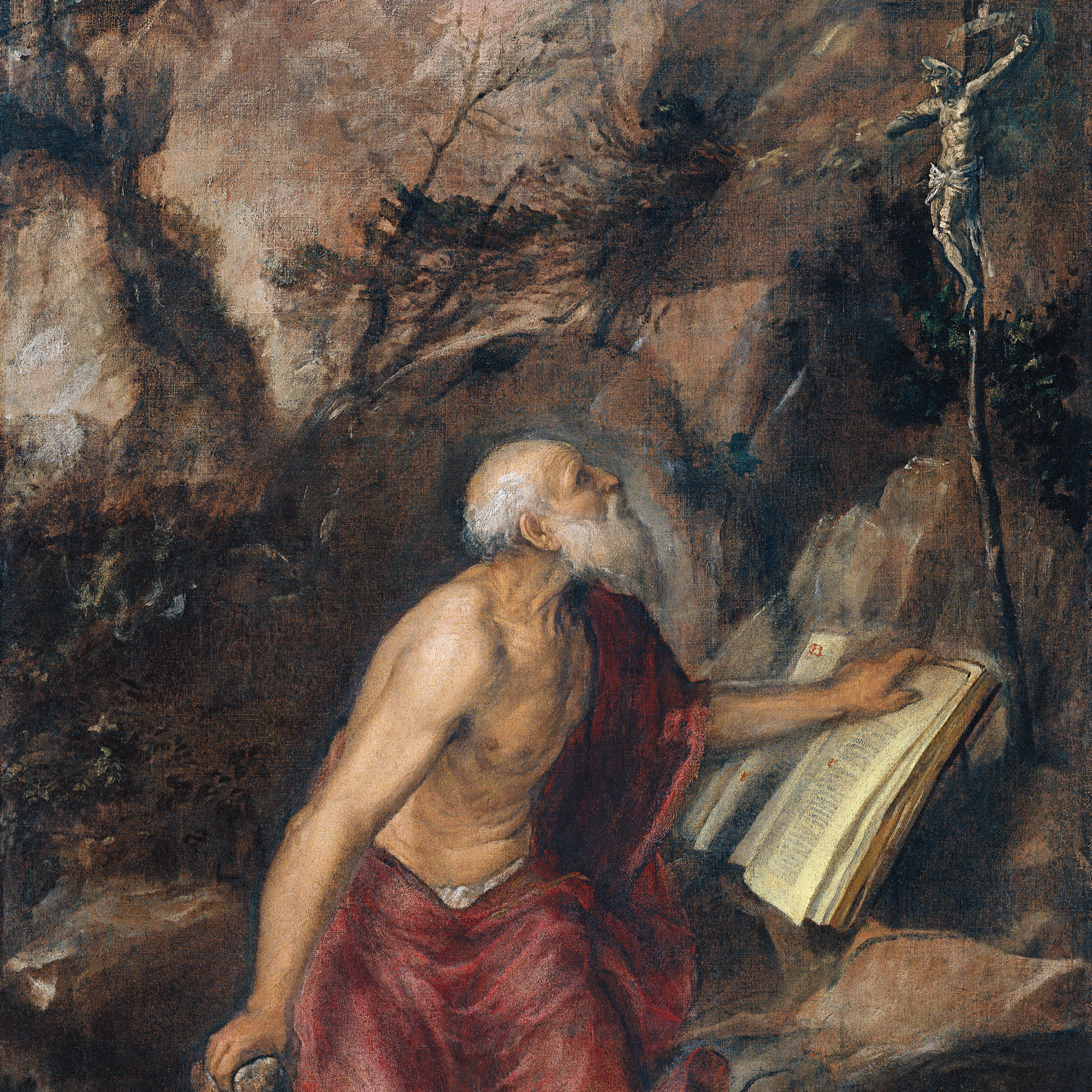
InPrincipio PodcastPractice During Septuagesima — From Dom Guéranger’s Liturgical YearChapter 3 of the Introduction to the Season of Septuagesima: Practice During Septuagesima, from Volume IV of "The Liturgical Year" by Dom Prosper Guéranger.Chapter 3 of the Introduction to the Season of Septuagesima teaches that Septuagesima is a sober season of preparation in which the Church gradually turns the soul from the joy of Christ’s Nativity toward the penitential path that leads to Lent and Easter. Though the gladness of Christmastide has passed, Christ has not left us; rather, we are invited to contemplate Him as the Victim who will suffer and die for our sins, and to rec...
2026-02-0808 min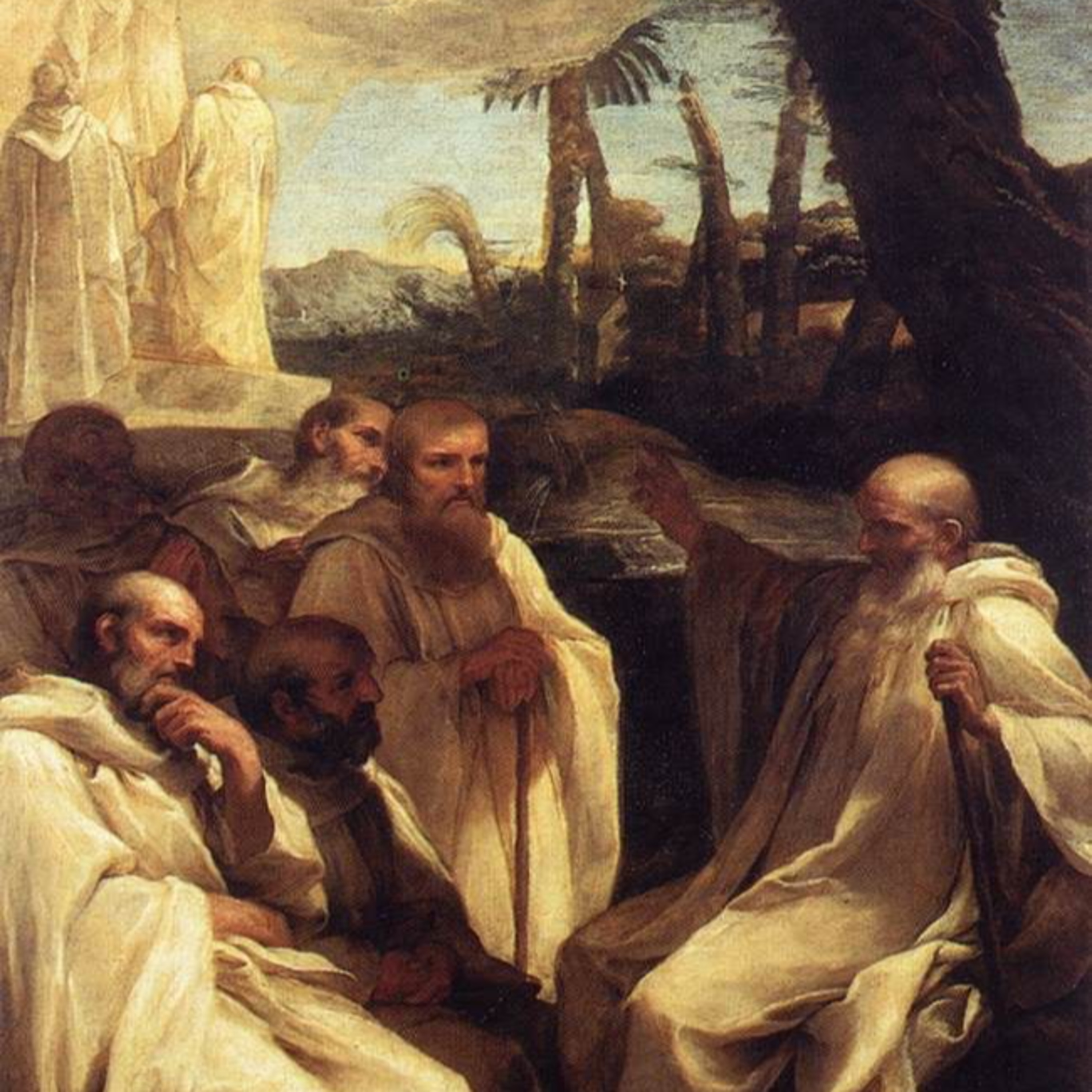
InPrincipio PodcastSt. Romuald (February 7) — From Dom Guéranger’s Liturgical YearA meditation for the Feast of St. Romuald, from Dom Guéranger’s “The Liturgical Year”. Saint Romuald (c. 951–1027) was an Italian monk, hermit, and reformer who founded the Camaldolese branch of the Benedictine Order, uniting the solitary life of the hermit with the stability of cenobitic monasticism. Born into a noble family in Ravenna, he was moved to conversion after witnessing a duel involving his father and entered a Benedictine monastery to do penance. Drawn to a stricter and more contemplative life, he spent years traveling through Italy, reviving lax monasteries and inspiring many to embrace greater austerity, silence...
2026-02-0707 min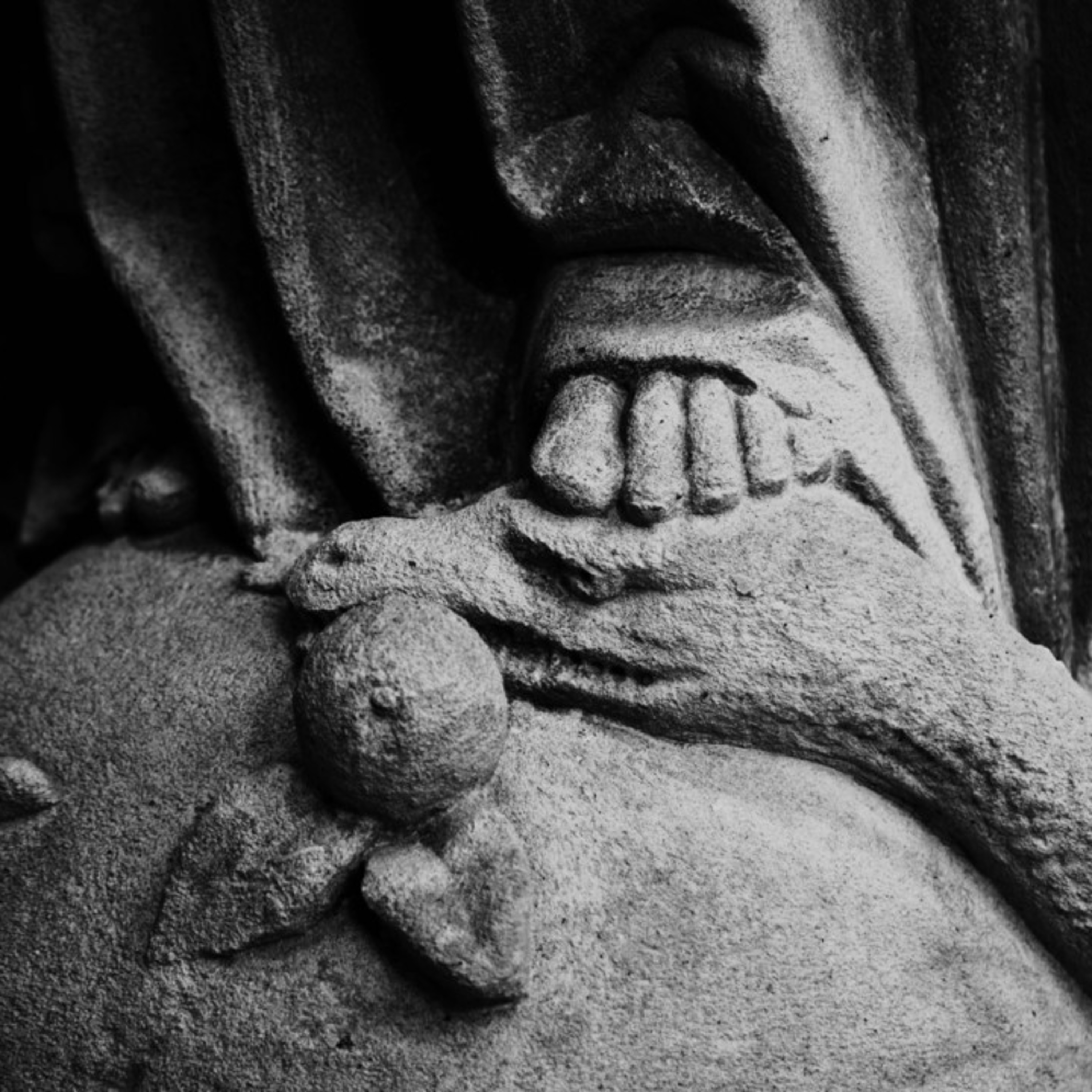
InPrincipio PodcastSaturday of Septuagesima Week — From Dom Guéranger’s Liturgical YearA meditation for Saturday of Septuagesima week, from Dom Guéranger’s “The Liturgical Year”. Saturday of Septuagesima Week brings the season’s penitential meditation to its deepest point by confronting the most humiliating consequence of the Fall: the transmission of original sin to the whole human race. Though redeemed and restored to grace through Christ, humanity still bears the scars of this inheritance—ignorance clouding truth, concupiscence warring against the soul, and a restless love of self-will that makes life a continual struggle. Against this dark backdrop, the Church turns with wonder and love to the Blessed Virgin Mary, a tru...
2026-02-0606 min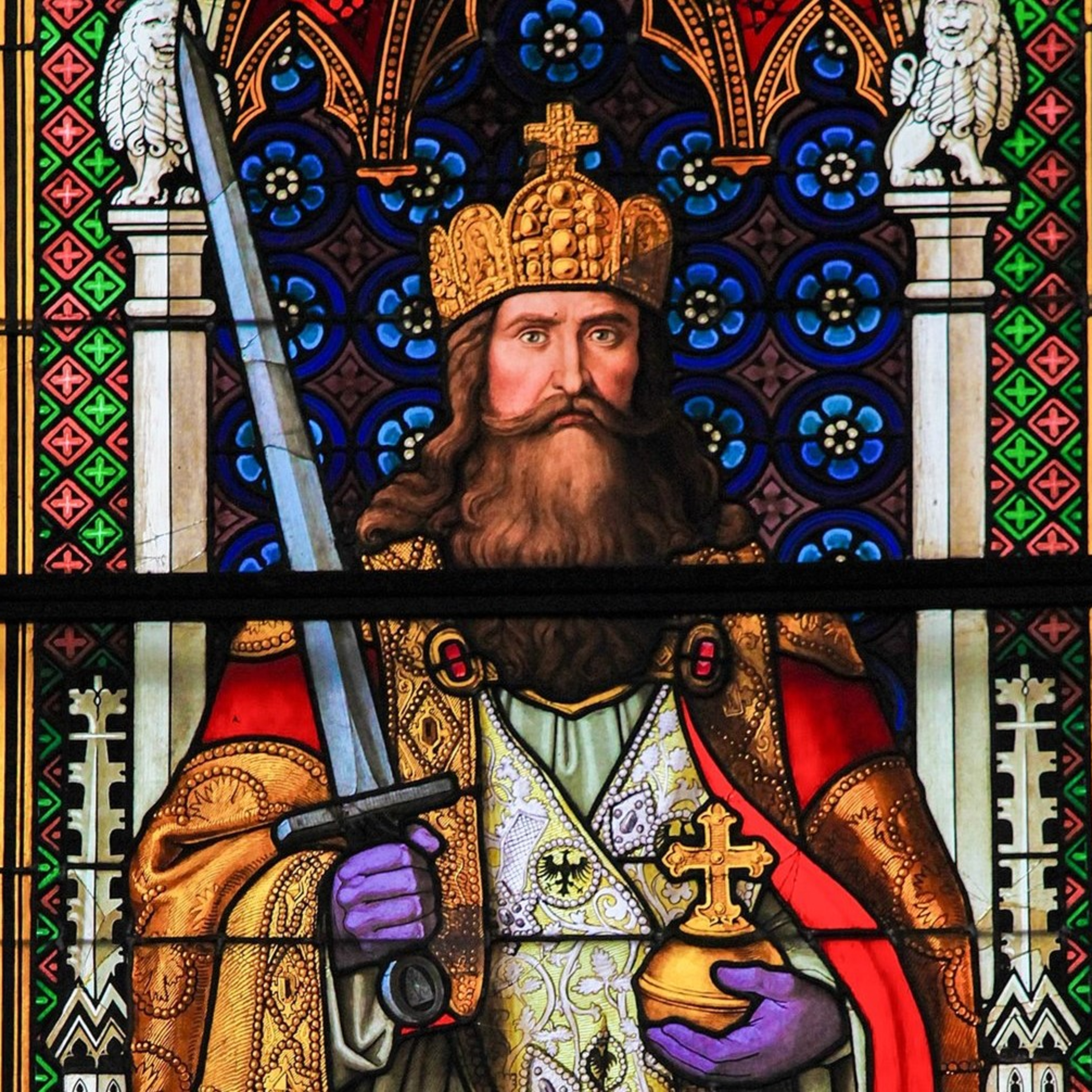
InPrincipio PodcastBlessed Emperor Charlemagne (January 28) — From Dom Guéranger’s Liturgical YearA meditation for the Feast of Blessed Emperor Charlemagne, from Dom Guéranger’s “The Liturgical Year”. The Feast of Blessed Emperor Charlemagne, observed on January 28 in some local Catholic calendars, honors Charlemagne (c. 742–814), King of the Franks and Emperor of the Romans, who was crowned by Pope Leo III in 800 and helped lay the foundations of Christian Europe. Venerated as “Blessed” by immemorial local devotion rather than formal canonization, he is remembered for defending the Church, supporting the papacy, promoting education and liturgical reform through the Carolingian Renaissance, and fostering the unity of Western Christendom. The feast reflects on the Christ...
2026-01-2729 min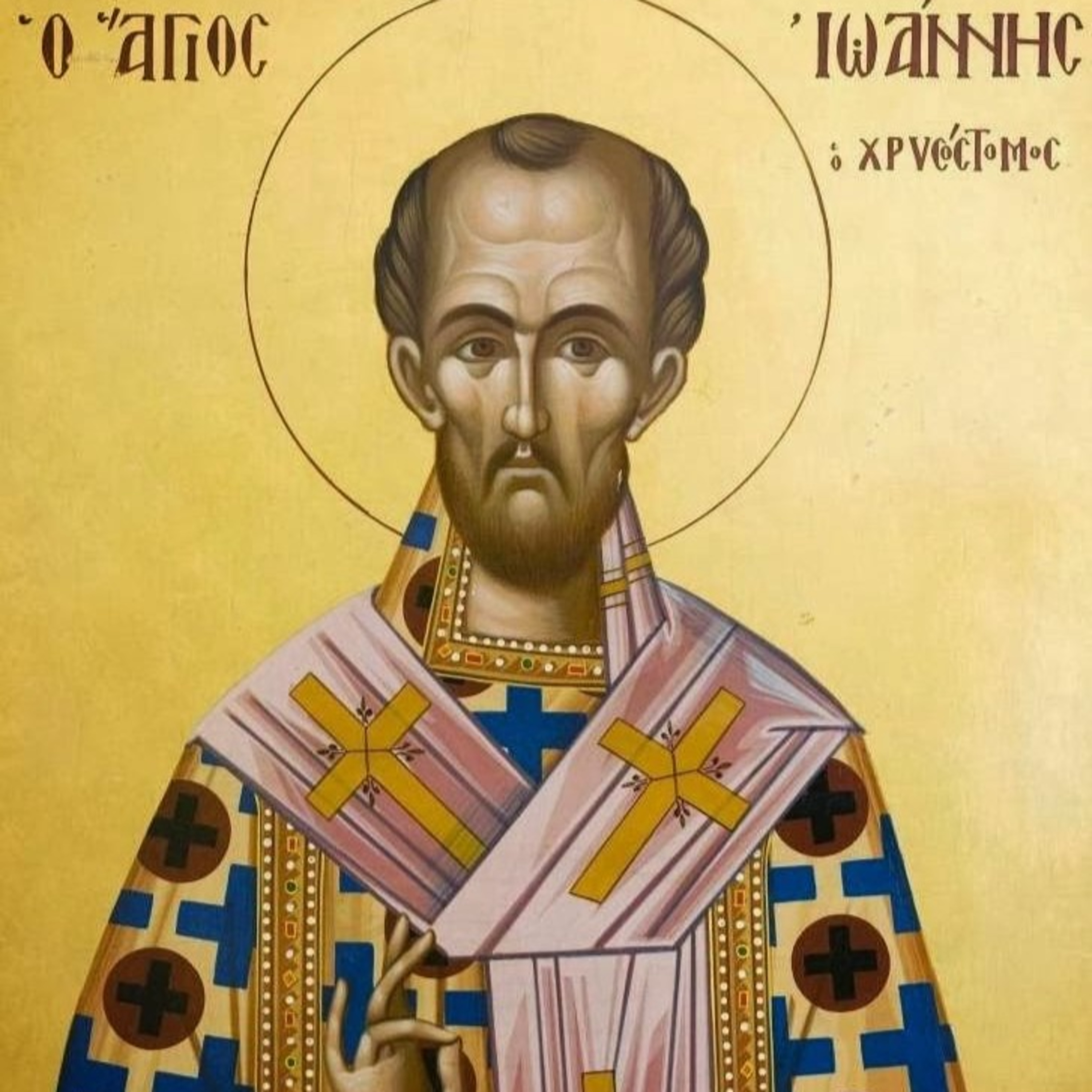
InPrincipio PodcastSt. John Chrysostom (January 27) — From Dom Guéranger’s Liturgical YearA meditation for the Feast of the Saint John Chrysostom, from Dom Guéranger’s “The Liturgical Year”. Saint John Chrysostom (c. 347–407), whose name means “Golden-Mouthed,” was one of the greatest preachers and theologians of the early Church, renowned for his eloquent homilies and moral clarity. Born in Antioch and later made Archbishop of Constantinople, he preached tirelessly against corruption, luxury, and injustice, calling both clergy and laity to repentance and evangelical poverty. His fearless rebukes, especially of imperial excess, led to repeated exiles, during which he continued to write letters and sermons marked by deep pastoral care and trust in God...
2026-01-2628 min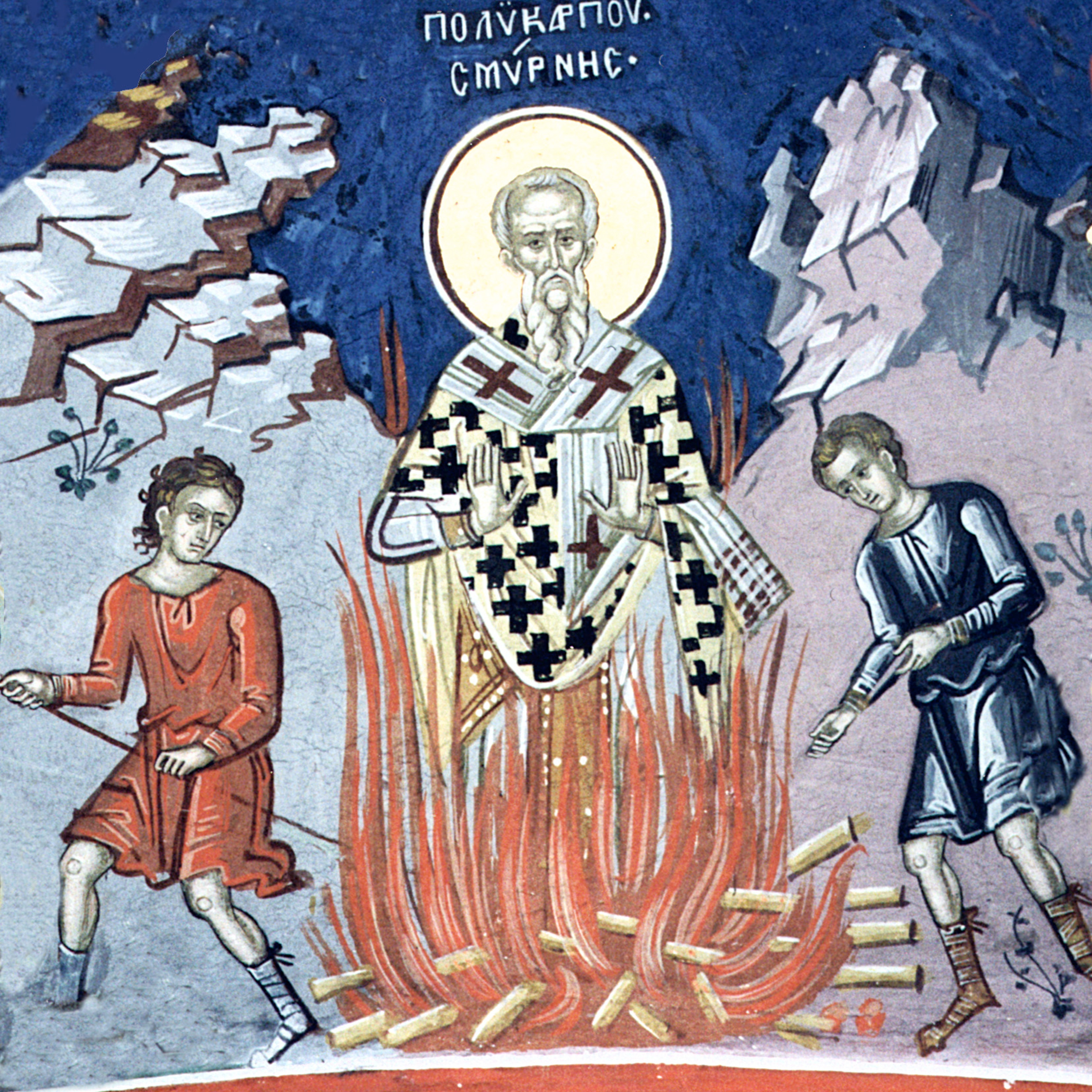
InPrincipio PodcastSt. Polycarp (January 26) — From Dom Guéranger’s Liturgical YearA meditation for the Feast of the Saint Polycarp, from Dom Guéranger’s “The Liturgical Year”. Saint Polycarp was a disciple of Saint John the Apostle and the venerable bishop of Smyrna, renowned for his fidelity to the apostolic faith and his pastoral care of the early Church. Living at a time when Christianity was still closely linked to the generation of the Apostles, he served as a vital witness to authentic doctrine, opposing heresies and strengthening unity among the faithful. Arrested during a persecution, Polycarp boldly confessed Christ before the authorities and accepted martyrdom with calm courage, refusin...
2026-01-2509 min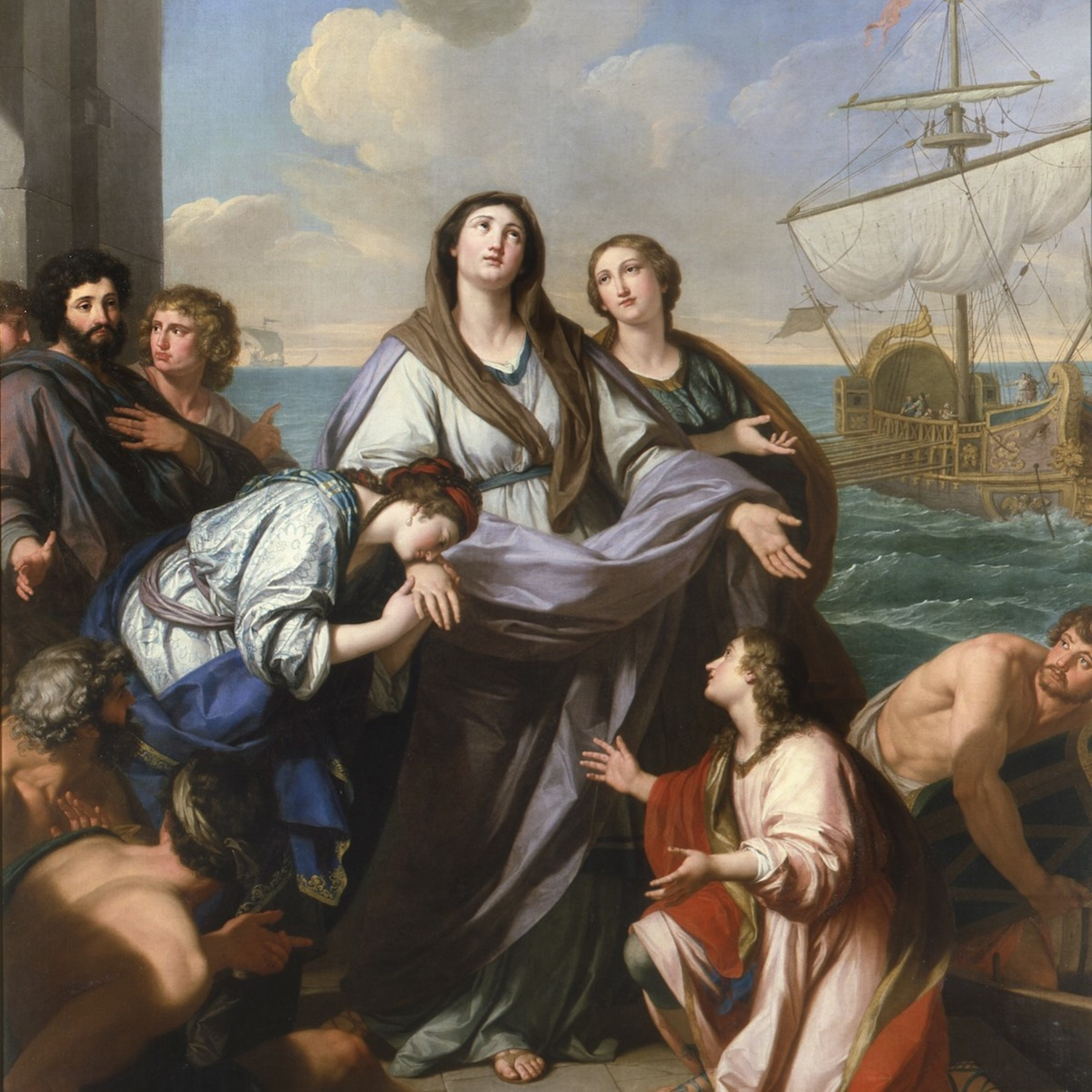
InPrincipio PodcastSt. Paula (January 26) — From Dom Guéranger’s Liturgical YearA meditation for the Feast of the Saint Paula, from Dom Guéranger’s “The Liturgical Year”. Saint Paula of Rome (347–404) was a noble Roman widow who renounced her immense wealth and social rank to follow a life of ascetic devotion inspired by Saint Jerome. After the death of her husband and several children, she embraced poverty, fasting, and charitable works, and in 385 she accompanied Jerome to the Holy Land, where she founded monasteries for men and women in Bethlehem and a hospice for pilgrims. A devoted student of Scripture, she learned Hebrew to better understand the Bible and supported...
2026-01-2512 min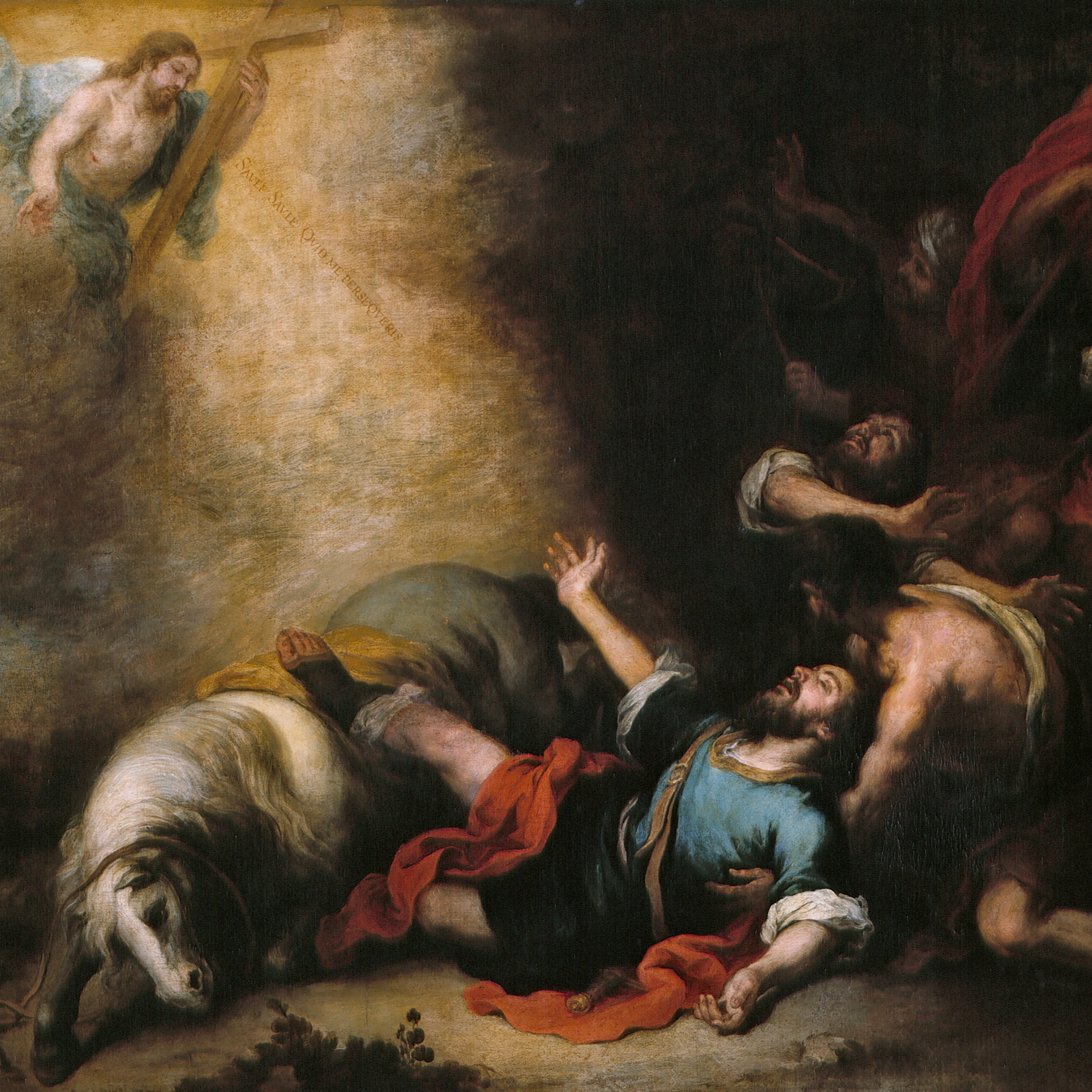
InPrincipio PodcastThe Conversion of St. Paul (January 25) — From Dom Guéranger’s Liturgical YearA meditation for the Feast of the Conversion of Saint Paul, from Dom Guéranger’s “The Liturgical Year”. The Conversion of Saint Paul commemorates the dramatic turning of the Apostle of the Gentiles from persecutor of the Church to its most tireless preacher, brought about by the grace of Christ on the road to Damascus. Struck down by a heavenly light and addressed by the risen Lord, Saul was blinded, humbled, and then healed through the ministry of Ananias, receiving baptism and a new mission to proclaim the Gospel to the nations. The feast, celebrated on January 25, highlights both th...
2026-01-2419 min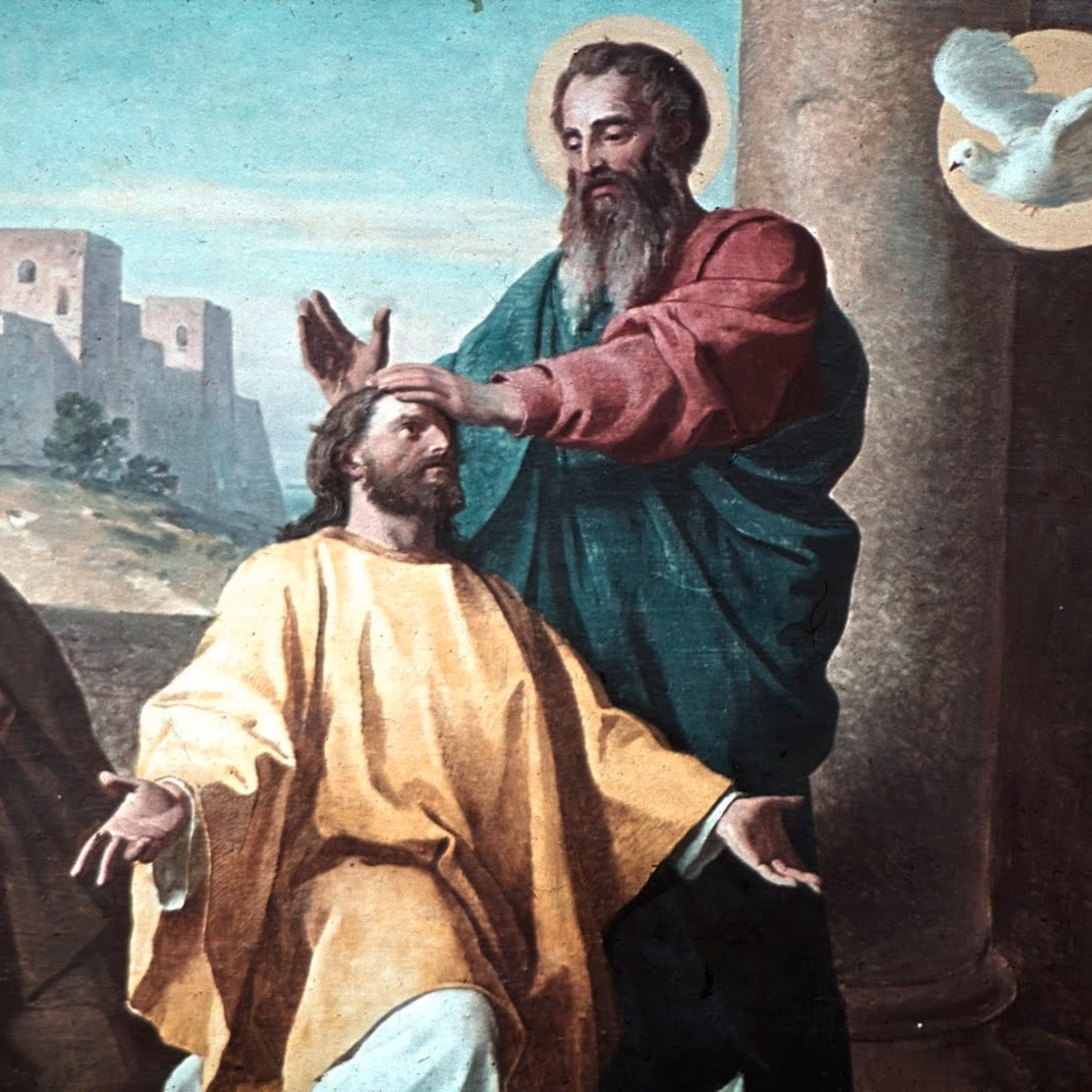
InPrincipio PodcastSt. Timothy (January 24) — From Dom Guéranger’s Liturgical YearPlease Note: In light of increasingly frequent inquiries, I want to assure all listeners that the voice in these recordings is *NOT AI generated*; it is my (InPrincipio Podcast’s) own human voice, unworthy as it is. Thank you. A meditation for the Feast of Saint Timothy, from Dom Guéranger’s “The Liturgical Year”. Saint Timothy was a close disciple and trusted companion of Saint Paul, known for his youthful zeal, steadfast faith, and pastoral charity. Born of a Jewish mother and a Greek father, he was well formed in the Scriptures from childhood and became an important helper in...
2026-01-2307 min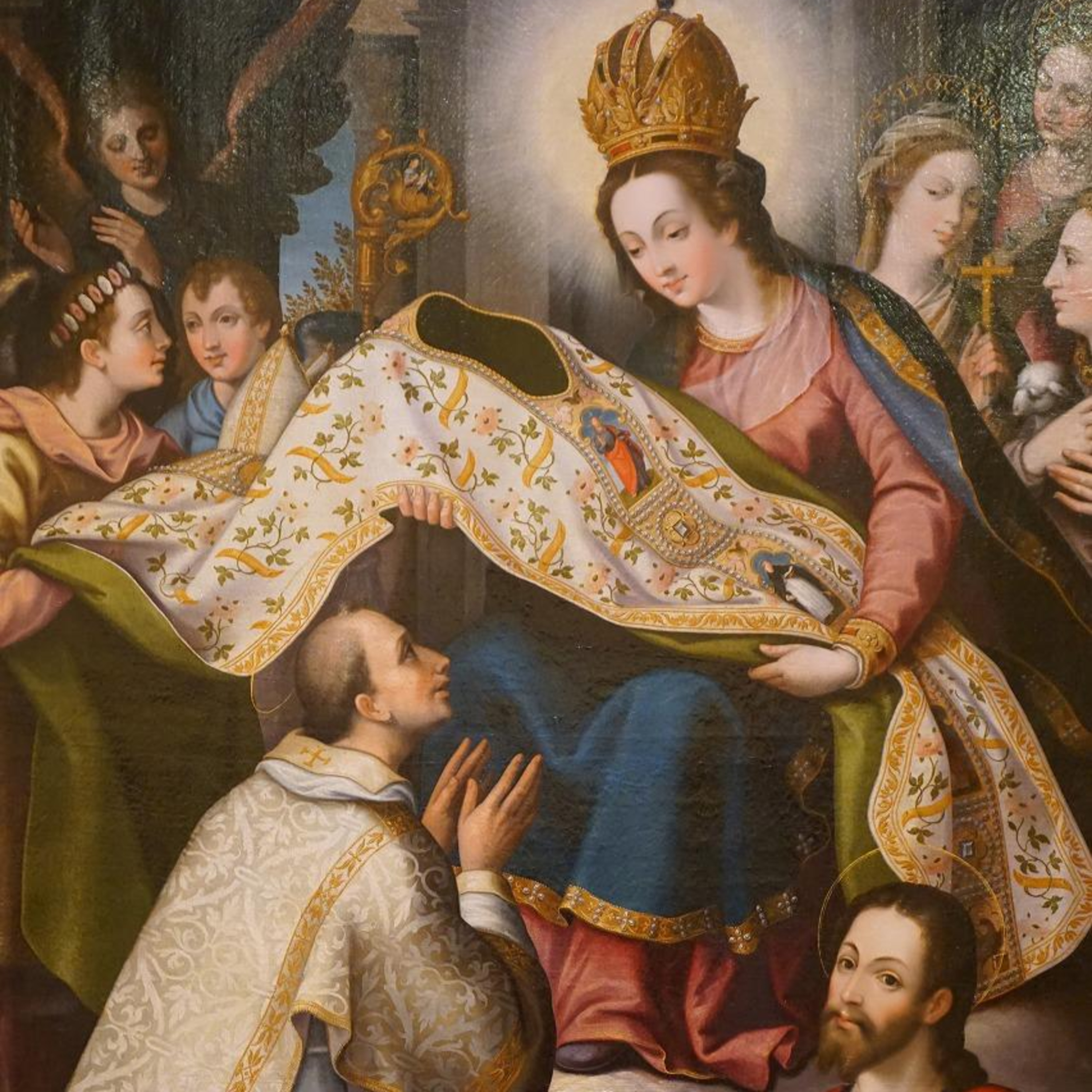
InPrincipio PodcastSt. Ildephonsus (January 23) — From Dom Guéranger’s Liturgical YearPlease Note: In light of increasingly frequent inquiries, I want to assure all listeners that the voice in these recordings is *NOT AI generated*; it is my (InPrincipio Podcast’s) own human voice, unworthy as it is. Thank you. A meditation for the Feast of Saint Ildephonsus, from Dom Guéranger’s “The Liturgical Year”. Saint Ildephonsus of Toledo was a seventh-century Spanish bishop, theologian, and ardent defender of the Blessed Virgin Mary, renowned for his learning and holiness. As abbot and later archbishop of Toledo, he labored to strengthen clerical discipline, deepen liturgical life, and preserve orthodox teaching in the Vi...
2026-01-2209 min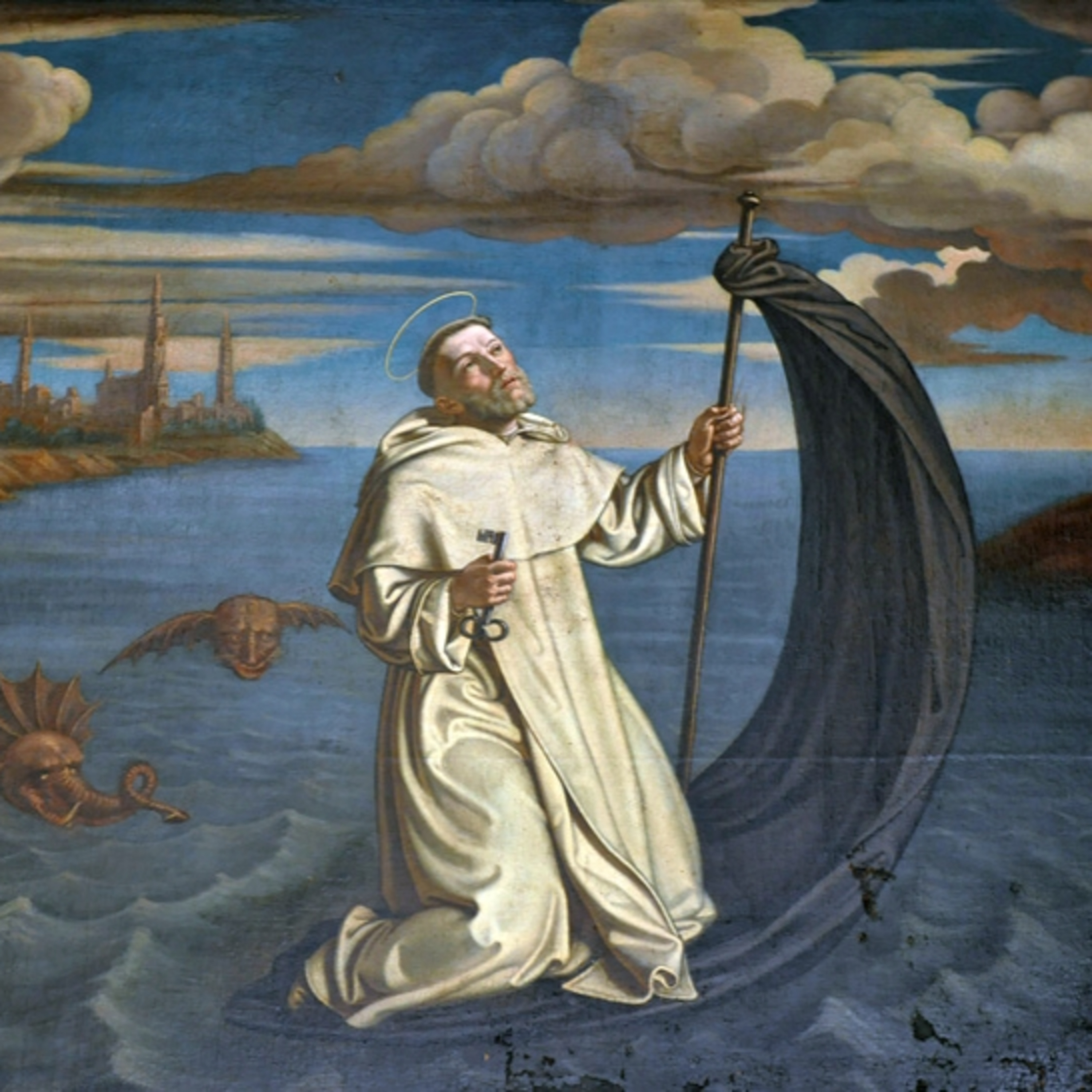
InPrincipio PodcastRaymond of Peñafort (January 23) — From Dom Guéranger’s Liturgical YearA meditation for the Feast of Saint Raymond of Peñafort, with a commemoration of Saint Emerentiana, from Dom Guéranger’s “The Liturgical Year”. Saint Raymond of Peñafort was a distinguished Dominican friar, canon lawyer, and confessor, renowned for his wisdom, humility, and service to the Church in the thirteenth century. Born in Catalonia, he became a master of canon law and was later called to Rome by Pope Gregory IX, for whom he compiled the Decretals, a foundational and authoritative collection of Church law. Despite holding high office, including briefly serving as Master of the Dominican Order, Ra...
2026-01-2214 min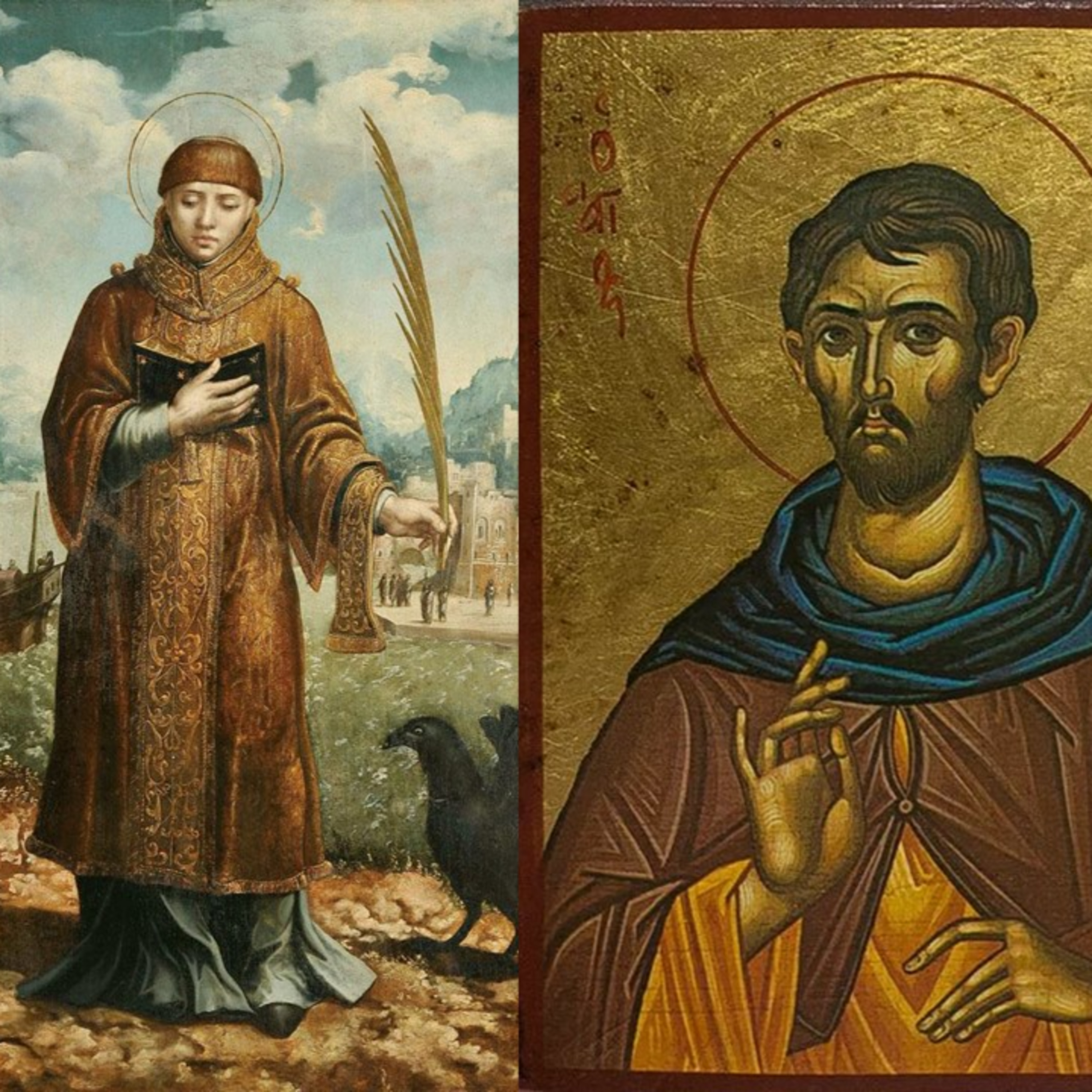
InPrincipio PodcastSaints Vincent and Anastasius (January 22) — From Dom Guéranger’s Liturgical YearPlease Note: In light of increasingly frequent inquiries, I want to assure all listeners that the voice in these recordings is *NOT AI generated*; it is my (InPrincipio Podcast’s) own human voice, unworthy as it is. Thank you. A meditation for the Feast of Saints Vincent and Anastasius, from Dom Guéranger’s “The Liturgical Year”. Saints Vincent and Anastasius are commemorated together as martyrs who bore heroic witness to Christ under pagan persecution. Saint Vincent, a deacon of Saragossa in Spain, suffered cruel tortures under the Roman governor Dacian during the persecution of Diocletian and Maximian, yet remained...
2026-01-2125 min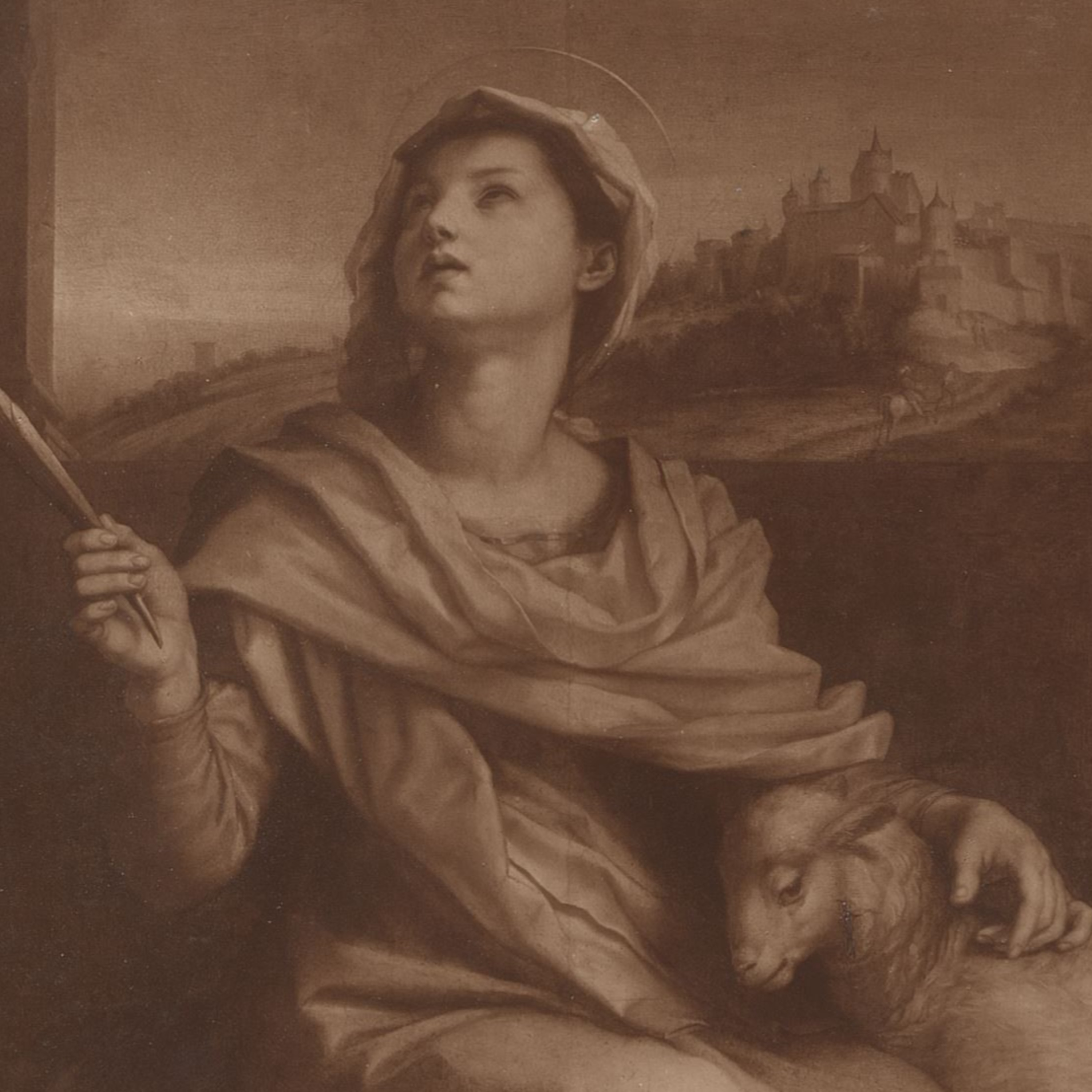
InPrincipio PodcastSt. Agnes (January 21) — From Dom Guéranger’s Liturgical YearPlease Note: In light of increasingly frequent inquiries, I want to assure all listeners that the voice in these recordings is *NOT AI generated*; it is my (InPrincipio Podcast’s) own human voice, unworthy as it is. Thank you. A meditation for the Feast of Saint Agnes, from Dom Guéranger’s “The Liturgical Year”. Saint Agnes was a young Roman virgin and martyr of the early fourth century, revered for her purity, courage, and unwavering fidelity to Christ. Refusing marriage and consecrating herself wholly to God, she rejected suitors of high rank and would not renounce her faith during th...
2026-01-2030 min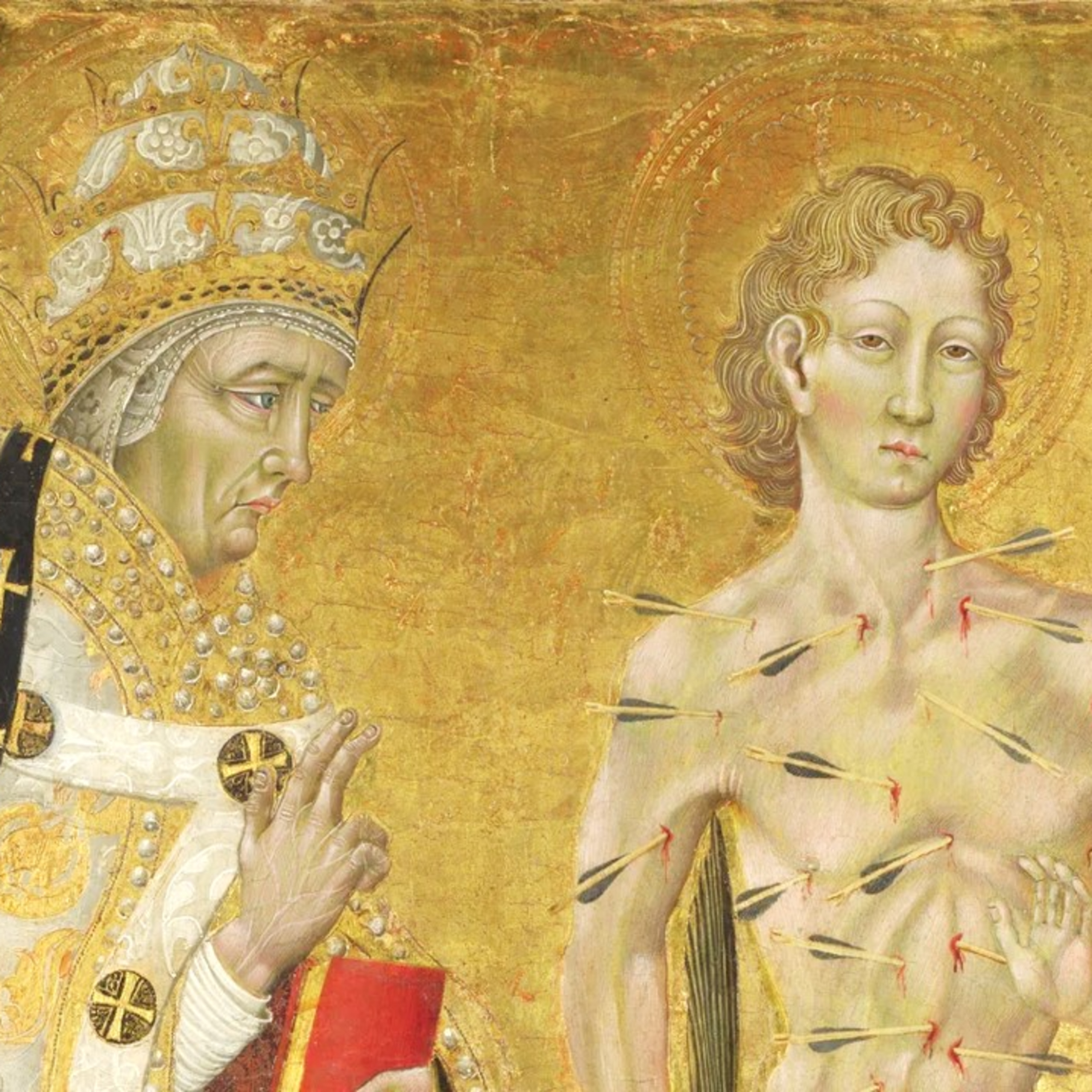
InPrincipio PodcastSaints Fabian and Sebastian (January 20) — From Dom Guéranger’s Liturgical YearPlease Note: In light of increasingly frequent inquiries, I want to assure all listeners that the voice in these recordings is *NOT AI generated*; it is my (InPrincipio Podcast’s) own human voice, unworthy as it is. Thank you. A meditation for the Feast of Pope Saint Fabian and Saint Sebastian, from Dom Guéranger’s “The Liturgical Year”. Saints Fabian and Sebastian were early Roman martyrs whose joint feast commemorates steadfast faith amid persecution. Saint Fabian, a layman chosen Pope in 236 after a dove was said to have descended upon him during the election, governed the Church with prudence...
2026-01-1920 min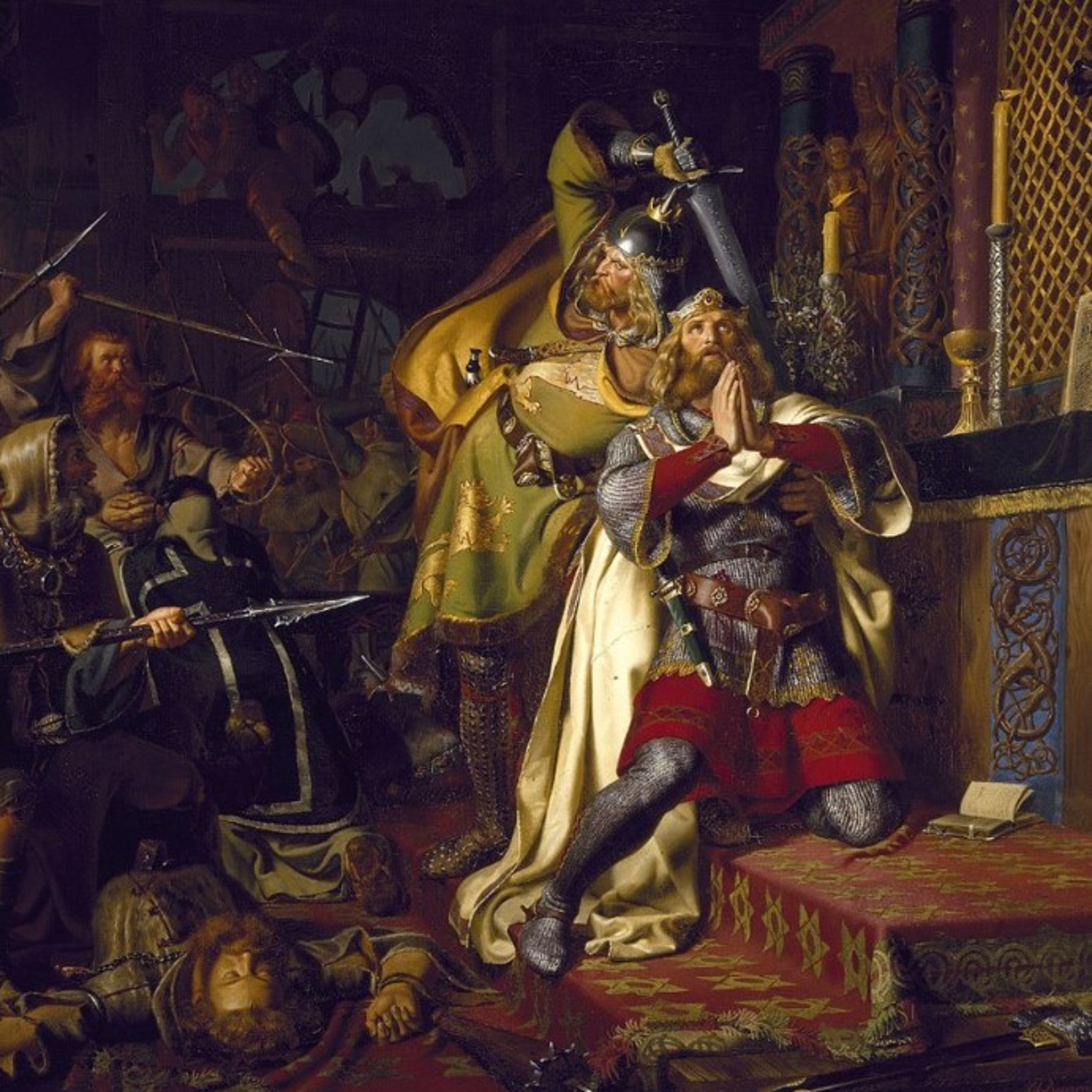
InPrincipio PodcastSt. Canute King of Denmark (January 19) — From Dom Guéranger’s Liturgical YearPlease Note: In light of increasingly frequent inquiries, I want to assure all listeners that the voice in these recordings is *NOT AI generated*; it is my (InPrincipio Podcast’s) own human voice, unworthy as it is. Thank you. A meditation for the Feast of Saint Canute, King of Denmark, from Dom Guéranger’s “The Liturgical Year”. King Saint Canute (Cnut) IV of Denmark (c. 1042–1086) was a deeply pious and reform-minded ruler who sought to strengthen the Christian character of his kingdom and align it more closely with the Church. He promoted ecclesiastical reform, supported monasteries, enforced the payment of...
2026-01-1807 min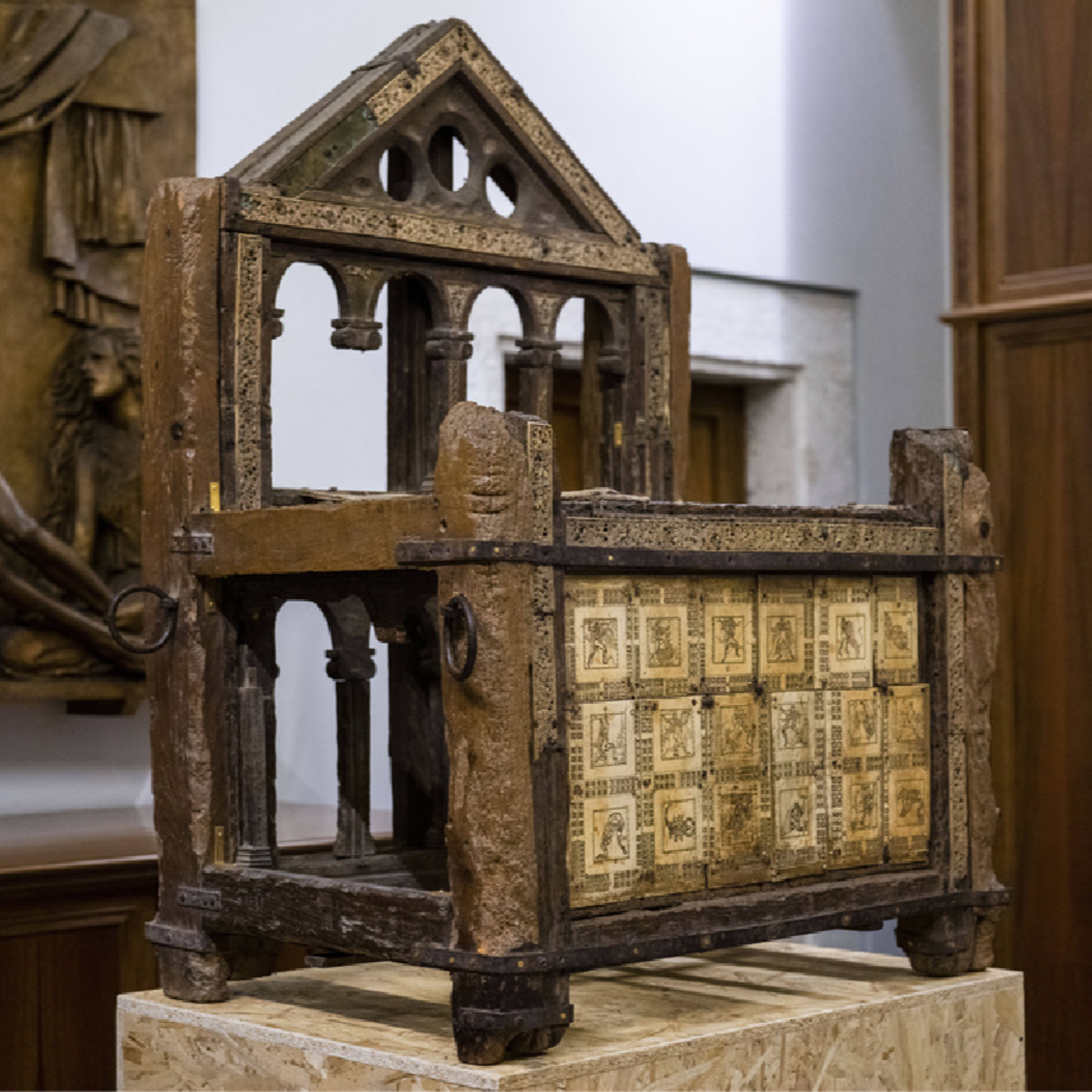
InPrincipio PodcastChair of St. Peter at Rome (January 18) — From Dom Guéranger’s Liturgical YearPlease Note: In light of increasingly frequent inquiries, I want to assure all listeners that the voice in these recordings is *NOT AI generated*; it is my (InPrincipio Podcast’s) own human voice, unworthy as it is. Thank you. A meditation for the Feast of Saint Peter’s Chair at Rome, from Dom Guéranger’s “The Liturgical Year”. The Feast of the Chair of Saint Peter at Rome, celebrated on January 18 in the traditional Roman calendar, honors Saint Peter’s role as the first bishop of Rome and the foundation of the Church’s unity and authority. The “chair” (cathedra...
2026-01-1737 min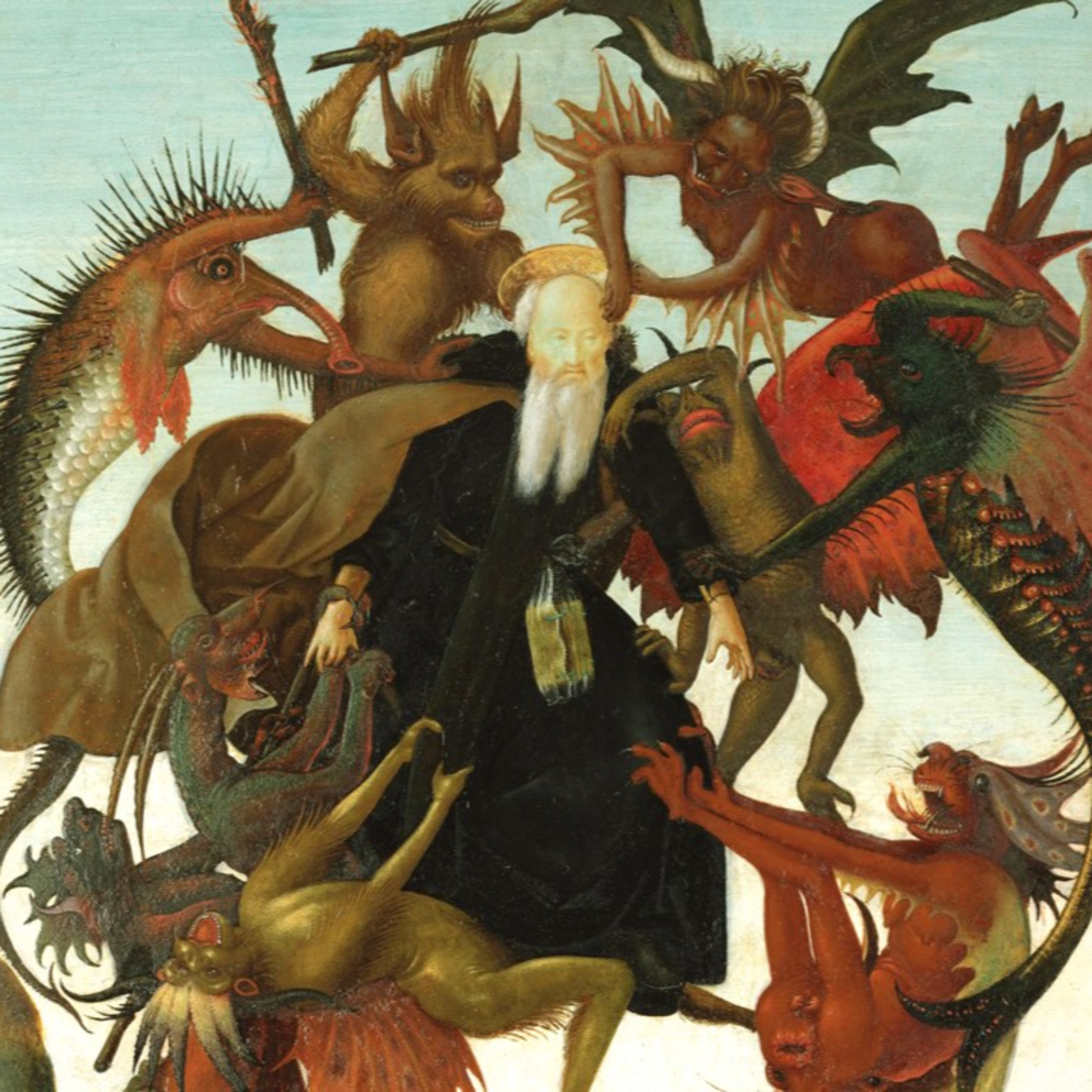
InPrincipio PodcastSt. Anthony the Great (January 17) — From Dom Guéranger’s Liturgical YearPlease Note: In light of increasingly frequent inquiries, I want to assure all listeners that the voice in these recordings is *NOT AI generated*; it is my (InPrincipio Podcast’s) own human voice, unworthy as it is. Thank you. A meditation for the Feast of Saint Anthony (Antony) the Great, from Dom Guéranger’s “The Liturgical Year”. Saint Anthony the Great (c. 251–356), often called the Father of Monasticism, was an Egyptian hermit whose life of asceticism and prayer became a model for Christian monastic life. Leaving his family to follow Christ more completely, he withdrew into the desert, enduring ex...
2026-01-1616 min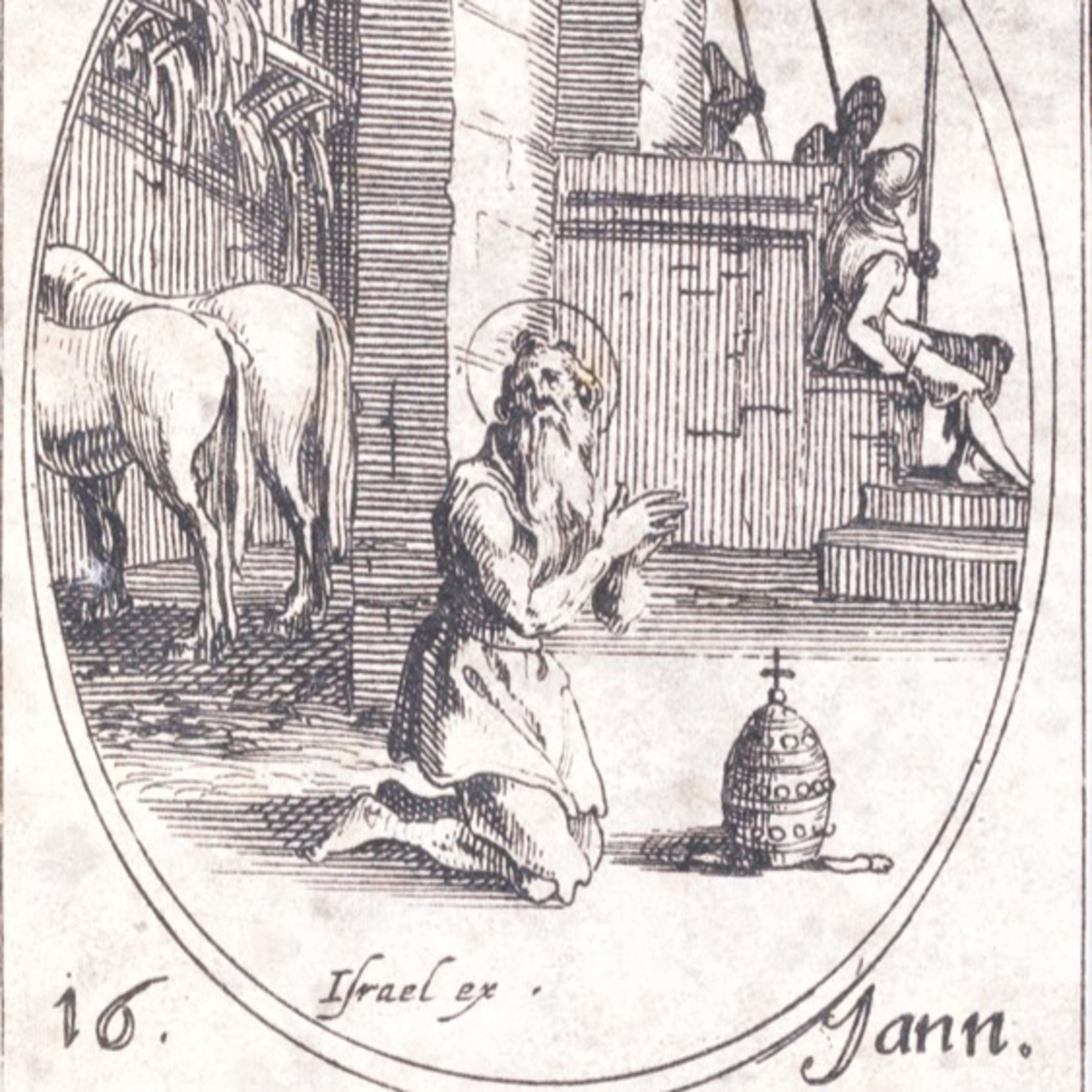
InPrincipio PodcastPope St. Marcellus (January 16) — From Dom Guéranger’s Liturgical YearPlease Note: In light of increasingly frequent inquiries, I want to assure all listeners that the voice in these recordings is *NOT AI generated*; it is my (InPrincipio Podcast’s) own human voice, unworthy as it is. Thank you. A meditation for the Feast of Pope Saint Marcellus, from Dom Guéranger’s “The Liturgical Year”. Pope Saint Marcellus I reigned briefly from about 308 to 309, at a moment when the Church was emerging from the Diocletian persecution and struggling to heal deep internal wounds. With many clergy and lay faithful having lapsed by sacrificing to idols or surrendering sacred books, Ma...
2026-01-1506 min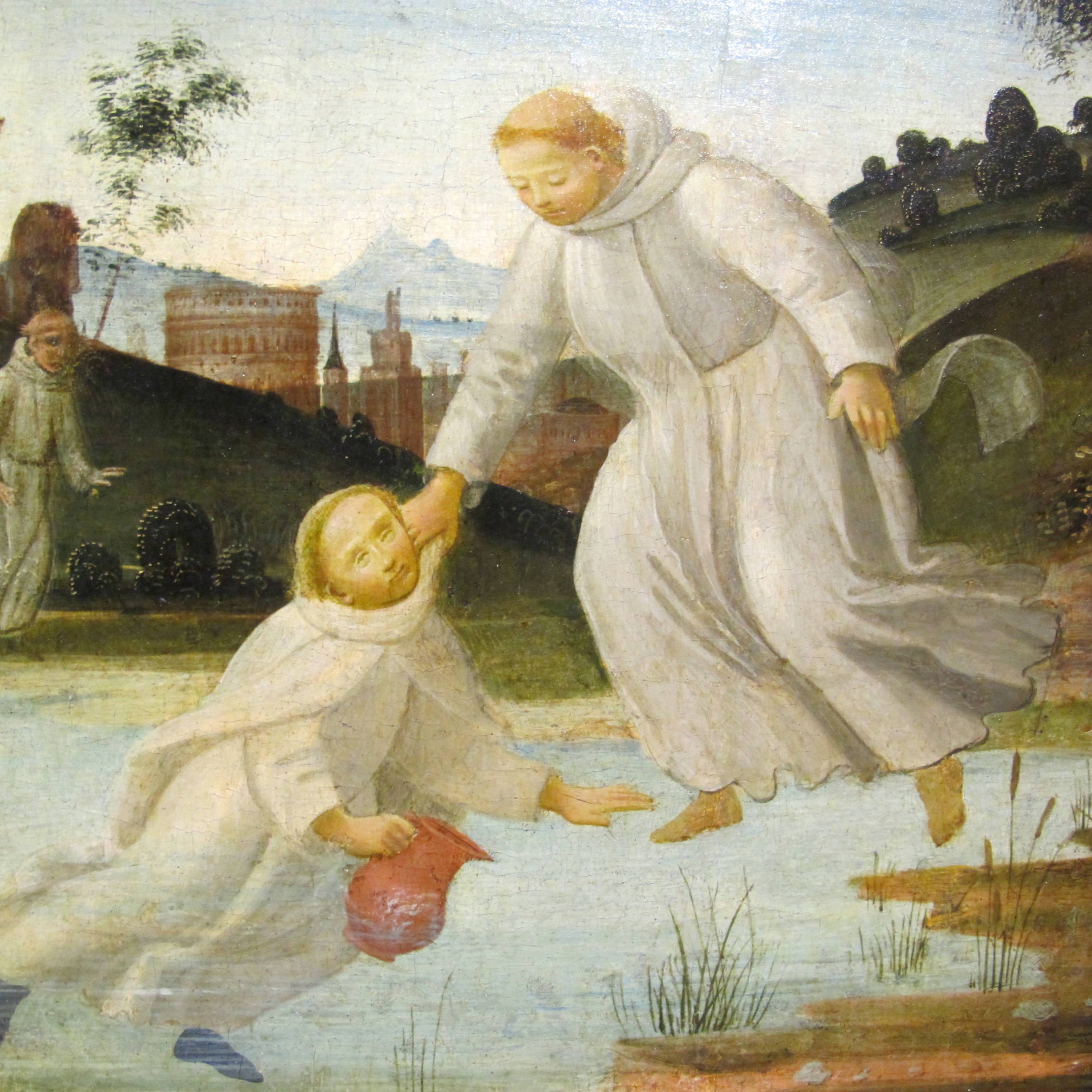
InPrincipio PodcastSt. Maurus (January 15) — From Dom Guéranger’s Liturgical YearPlease Note: In light of increasingly frequent inquiries, I want to assure all listeners that the voice in these recordings is *NOT AI generated*; it is my (InPrincipio Podcast’s) own human voice, unworthy as it is. Thank you. A meditation for the Feast of Saint Maurus, Abbot, from Dom Guéranger’s “The Liturgical Year”. Saint Maurus (c. 512–584) was a disciple of Saint Benedict of Nursia and one of the earliest exemplars of Benedictine monastic life, renowned for his obedience, humility, and miraculous faith. Entrusted by Saint Benedict with leadership at a young age, Maurus is remembered especially for his pro...
2026-01-1417 min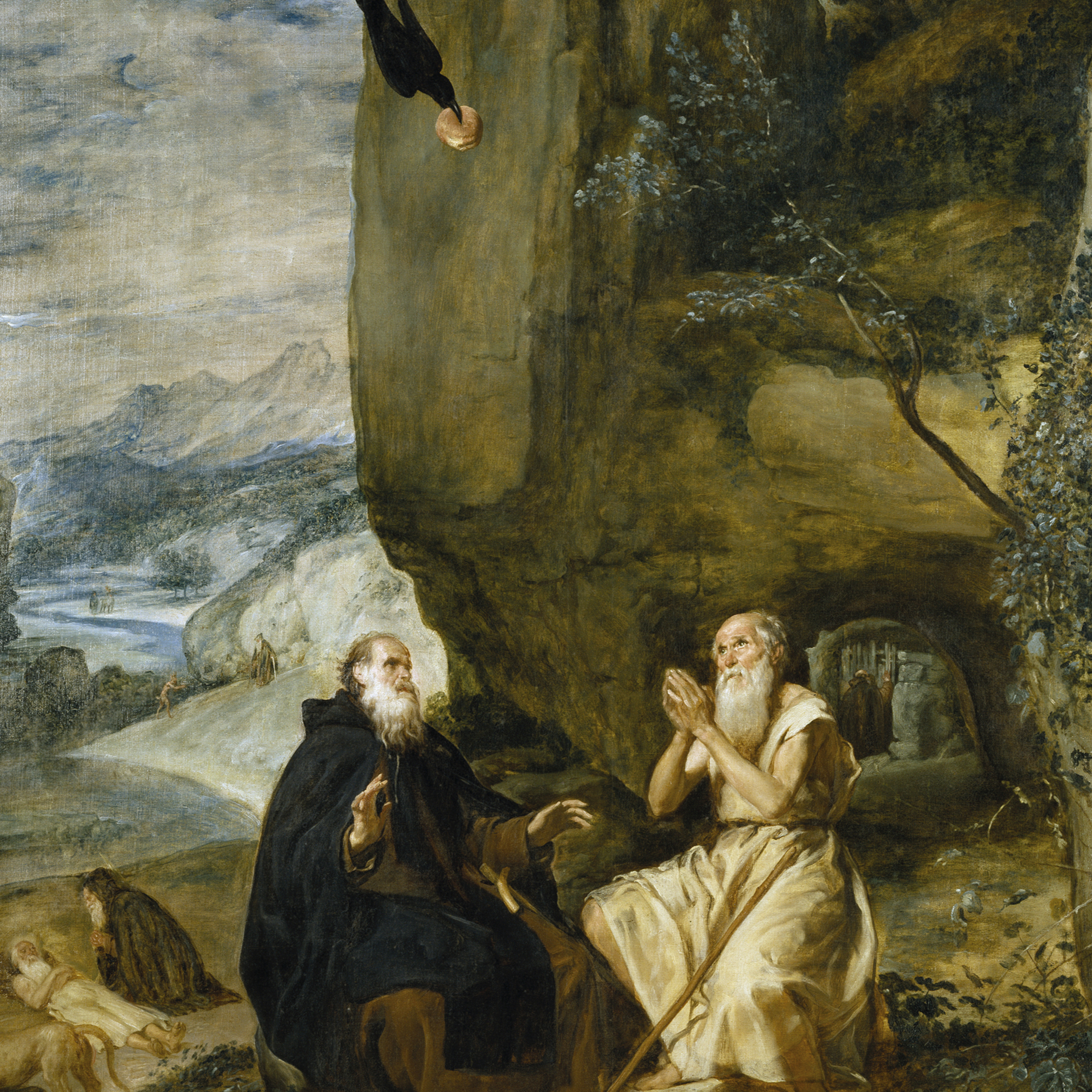
InPrincipio PodcastSt. Paul the First Hermit (January 15) — From Dom Guéranger’s Liturgical YearPlease Note: In light of increasingly frequent inquiries, I want to assure all listeners that the voice in these recordings is *NOT AI generated*; it is my (InPrincipio Podcast’s) own human voice, unworthy as it is. Thank you. A meditation for the Feast of Saint Paul the First Hermit, from Dom Guéranger’s “The Liturgical Year”. Saint Paul the First Hermit (c. 228–341) is traditionally honored as the earliest Christian hermit, whose life embodied radical withdrawal from the world for the sake of undivided union with God. Fleeing persecution during the Decian era, he retreated into the Egyptian desert, whe...
2026-01-1408 min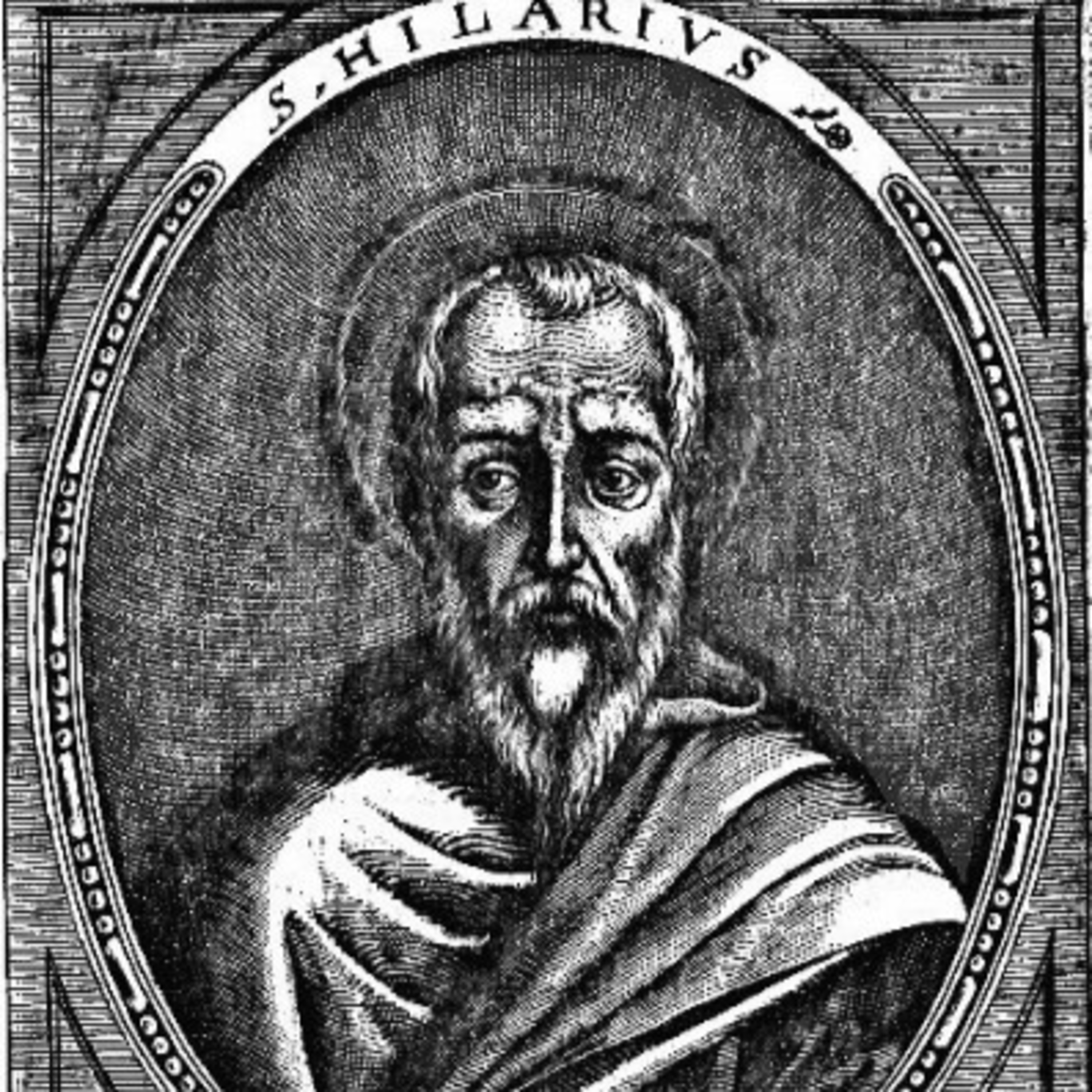
InPrincipio PodcastSt. Hilary of Poitiers (January 14) — From Dom Guéranger’s Liturgical YearPlease Note: In light of increasingly frequent inquiries, I want to assure all listeners that the voice in these recordings is *NOT AI generated*; it is my (InPrincipio Podcast’s) own human voice, unworthy as it is. Thank you. A meditation for the Feast of Saint Hilary of Poitiers, from Dom Guéranger’s “The Liturgical Year”. Saint Hilary of Poitiers (c. 310–367), known as the “Athanasius of the West,” was a bishop, theologian, and Doctor of the Church who played a decisive role in defending the divinity of Christ during the Arian crisis of the fourth century. A convert from paganism a...
2026-01-1329 min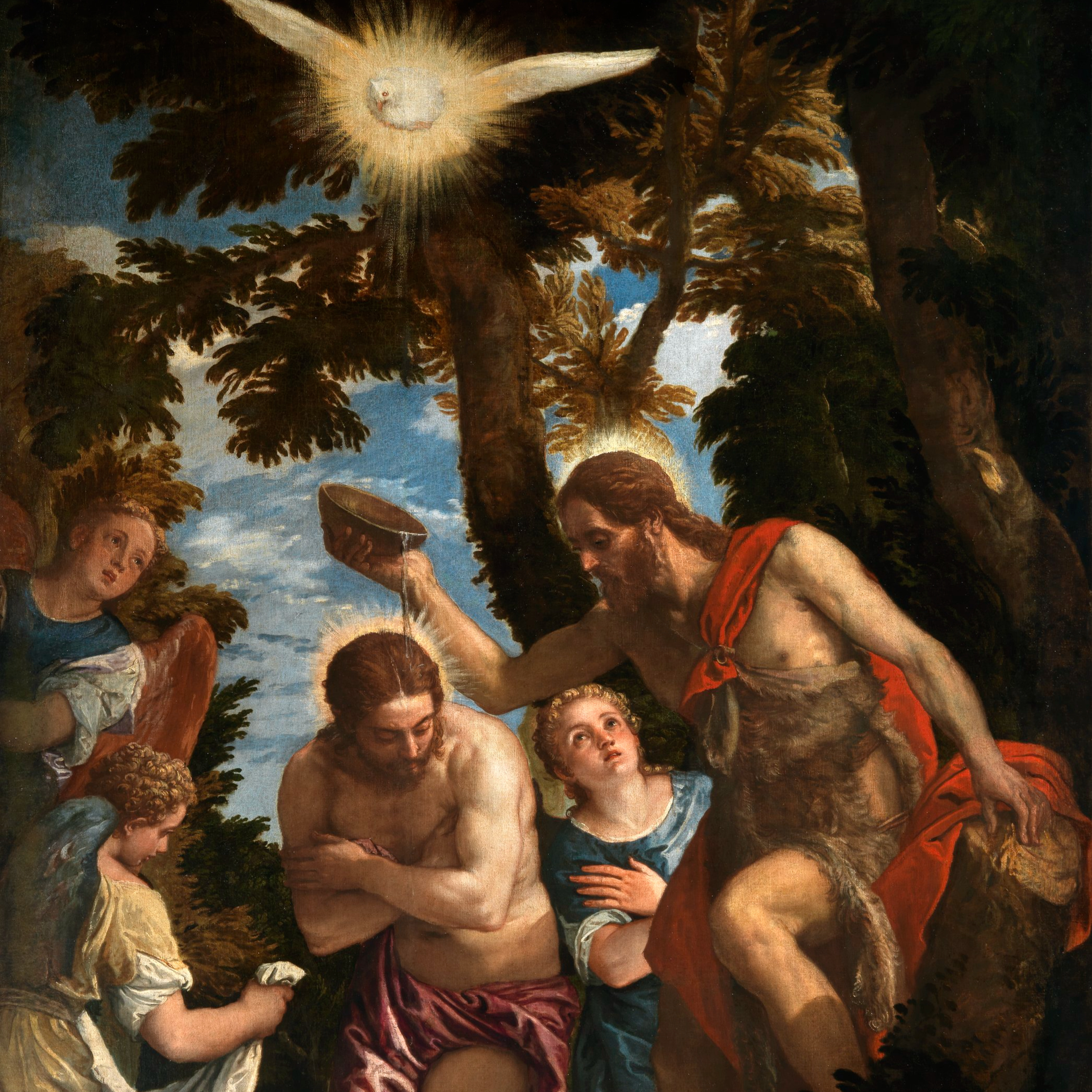
InPrincipio PodcastOctave of the Epiphany (January 13) — From Dom Guéranger’s Liturgical YearPlease Note: In light of increasingly frequent inquiries, I want to assure all listeners that the voice in these recordings is *NOT AI generated*; it is my (InPrincipio Podcast’s) own human voice, unworthy as it is. Thank you. A meditation for the Octave of the Epiphany, from Dom Guéranger’s “The Liturgical Year”. The Octave Day of the Epiphany, kept on January 13 in the traditional calendar, brings the Church’s prolonged contemplation of the Lord’s manifestation to its theological summit by focusing chiefly on His Baptism in the Jordan, the second great mystery of the Epiphany. While Christ...
2026-01-1231 min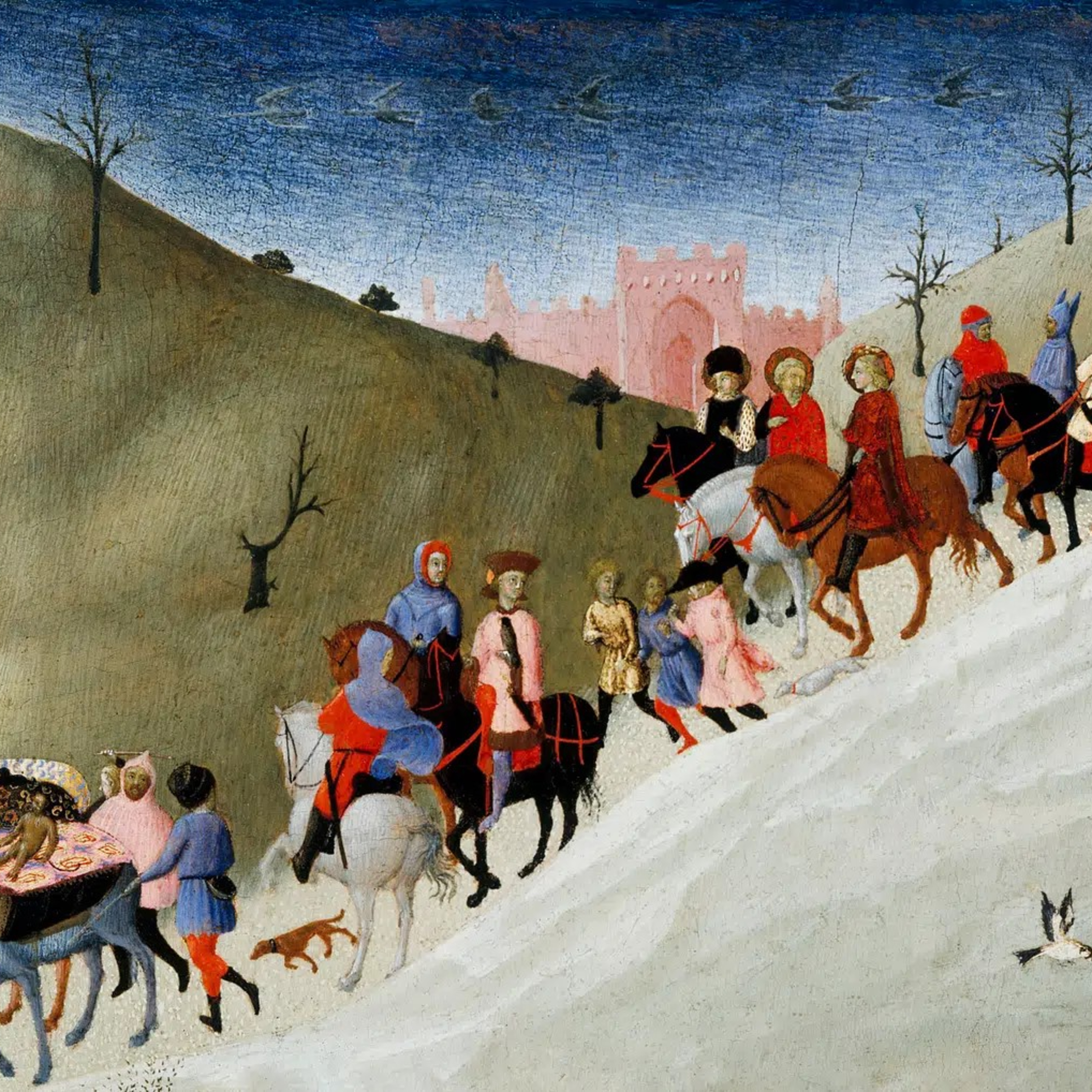
InPrincipio PodcastSeventh day within the Octave of the Epiphany (January 12) — From Dom Guéranger’s Liturgical YearPlease Note: In light of increasingly frequent inquiries, I want to assure all listeners that the voice in these recordings is *NOT AI generated*; it is my (InPrincipio Podcast’s) own human voice, unworthy as it is. Thank you. A meditation for the Seventh day within the Octave of the Epiphany, from Dom Guéranger’s “The Liturgical Year”. The seventh day within the Octave of the Epiphany contemplates the departure of the Magi from Bethlehem and their mission to the Gentile world, marking the transition from their adoration of Christ to their role as the first heralds of the Gospe...
2026-01-1115 min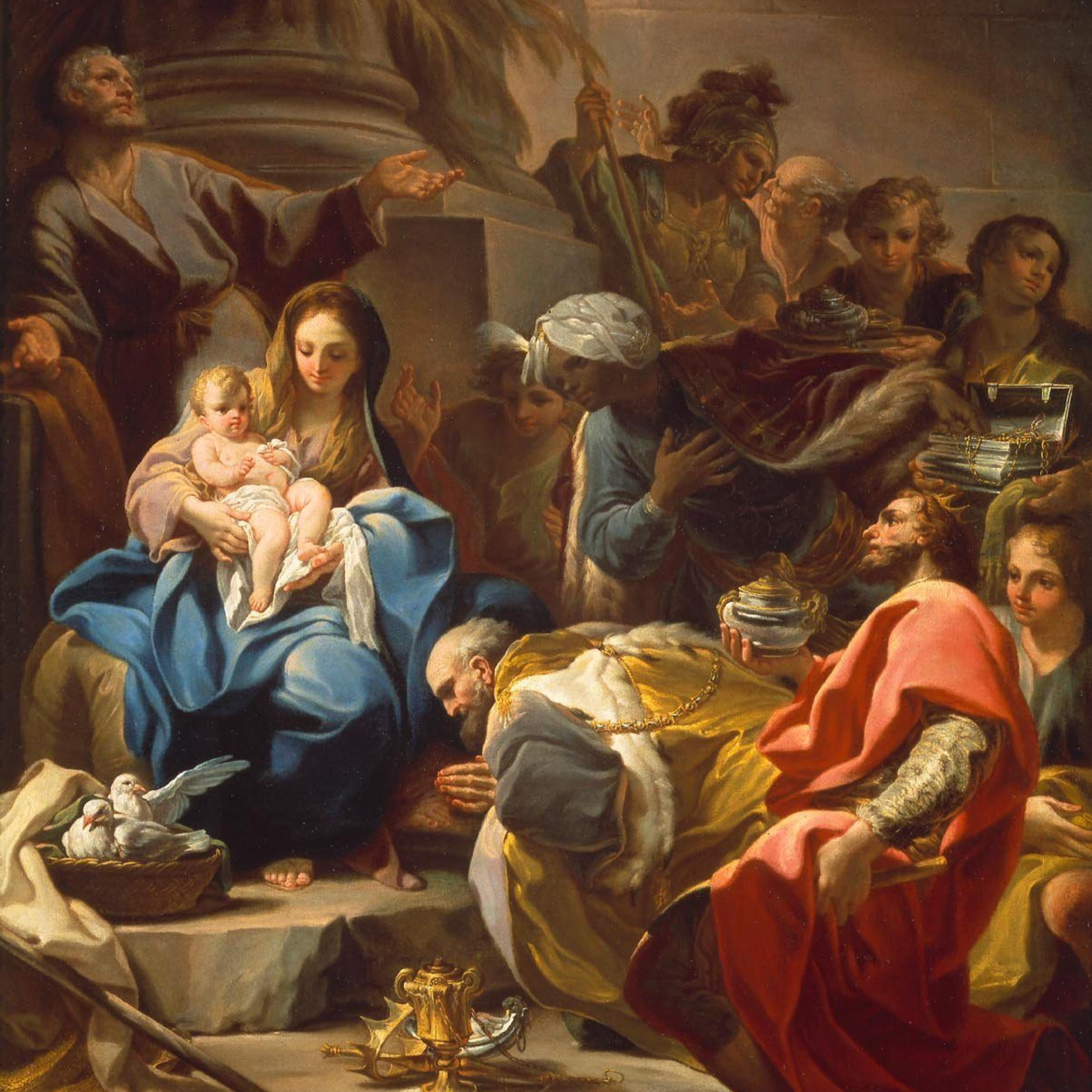
InPrincipio PodcastSixth day within the Octave of the Epiphany (January 11) — From Dom Guéranger’s Liturgical YearPlease Note: In light of increasingly frequent inquiries, I want to assure all listeners that the voice in these recordings is *NOT AI generated*; it is my (InPrincipio Podcast’s) own human voice, unworthy as it is. Thank you. A meditation for the Sixth Day within the Octave of the Epiphany of our Lord, from Dom Guéranger’s “The Liturgical Year”. The sixth day within the Octave of the Epiphany reflects on the offerings of the Magi, who, having adored the Infant Christ, open their treasures and present gold, frankincense, and myrrh, mystically proclaiming Him as King, God, and morta...
2026-01-1019 min
InPrincipio PodcastThe Feast of the Holy Family — From Dom Guéranger’s Liturgical YearPlease Note: In light of increasingly frequent inquiries, I want to assure all listeners that the voice in these recordings is *NOT AI generated*; it is my (InPrincipio Podcast’s) own human voice, unworthy as it is. Thank you. A meditation for the Feast of the Holy Family (Sunday within the Octave of the Epiphany), from Dom Guéranger’s “The Liturgical Year”. The Sunday within the Octave of the Epiphany, traditionally associated with the Feast of the Holy Family, turns our gaze from the manifestation of Christ to the nations toward the hidden life of Jesus at Nazareth, where the...
2026-01-1012 min
InPrincipio PodcastFifth day within the Octave of the Epiphany (January 10) — From Dom Guéranger’s Liturgical YearPlease Note: In light of increasingly frequent inquiries, I want to assure all listeners that the voice in these recordings is *NOT AI generated*; it is my (InPrincipio Podcast’s) own human voice, unworthy as it is. Thank you. A meditation for the Fifth day within the Octave of the Epiphany of our Lord, from Dom Guéranger’s “The Liturgical Year”. The fifth day within the Octave of the Epiphany contemplates the arrival of the Magi at Bethlehem, where, finding the Child with Mary His Mother, they fall down in adoration and thus inaugurate the visible beginning of the Churc...
2026-01-0916 min
InPrincipio PodcastFourth day within the Octave of the Epiphany (January 9) — From Dom Guéranger’s Liturgical YearA meditation for the Fourth day within the Octave of the Epiphany of our Lord, from Dom Guéranger’s “The Liturgical Year”. The fourth day within the Octave of the Epiphany dwells on the vocation and faith of the Magi, who, guided directly by divine illumination rather than angelic speech, promptly abandon their homeland, riches, and security to follow the star to Christ. Their docile and courageous response to grace makes them true fathers of the Gentile Church, prefiguring the universal call of the nations to salvation. Entering Jerusalem, they unwittingly expose the blindness of Israel’s leaders and the m...
2026-01-0819 min
InPrincipio PodcastThird day within the Octave of the Epiphany (January 8) — From Dom Guéranger’s Liturgical YearPlease Note: In light of increasingly frequent inquiries, I want to assure all listeners that the voice in these recordings is *NOT AI generated*; it is my (InPrincipio Podcast’s) own human voice, unworthy as it is. Thank you. A meditation for the Third day within the Octave of the Epiphany of our Lord, from Dom Guéranger’s “The Liturgical Year”. The third day within the Octave of the Epiphany deepens the Church’s contemplation of the Epiphany as the consummation of God’s eternal plan to unite the Gentiles to Himself through Christ, the divine Bridegroom of the universal...
2026-01-0724 min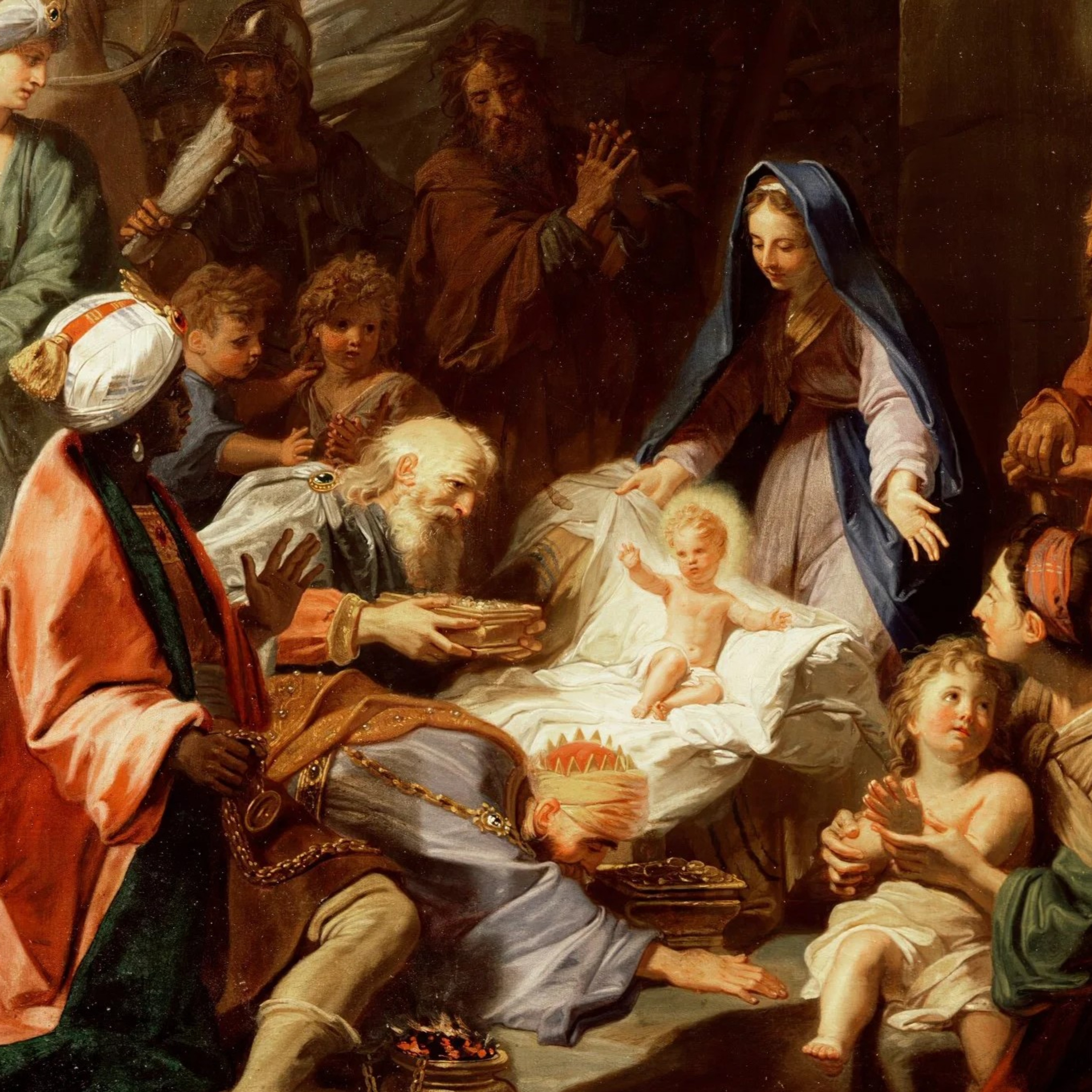
InPrincipio PodcastSecond day within the Octave of the Epiphany (January 7) — From Dom Guéranger’s Liturgical YearPlease Note: In light of increasingly frequent inquiries, I want to assure all listeners that the voice in these recordings is *NOT AI generated*; it is my (InPrincipio Podcast’s) own human voice, unworthy as it is. Thank you. A meditation for the Second day within the Octave of the Epiphany of our Lord, from Dom Guéranger’s “The Liturgical Year”. The second day within the Octave of the Epiphany continues the Church’s joyful contemplation of the vocation of the Gentiles, centering especially on the Magi as the firstfruits of the nations called to Christ. As Dom Guéranger e...
2026-01-0615 min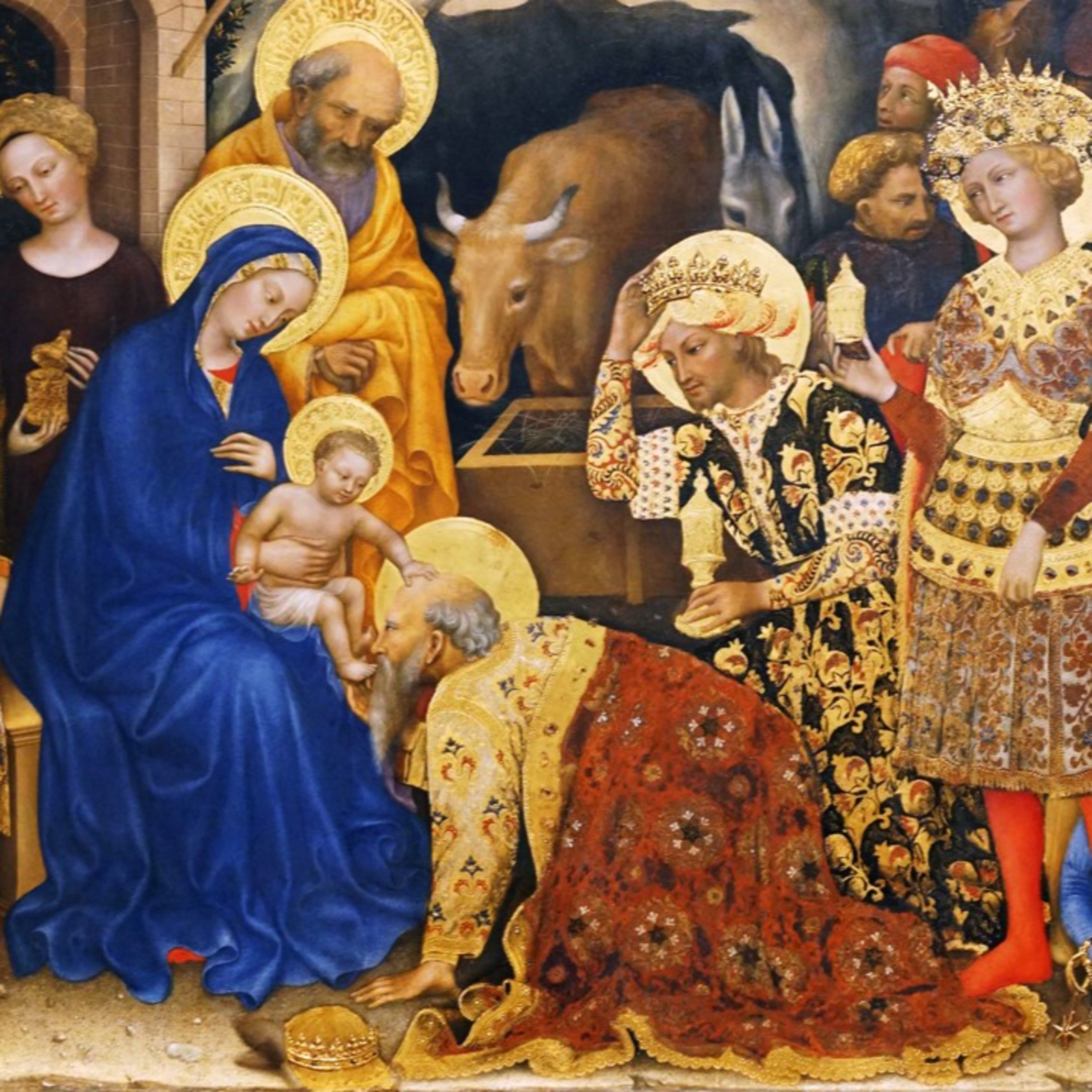
InPrincipio PodcastThe Epiphany of our Lord (January 6) — From Dom Guéranger’s Liturgical YearPlease Note: In light of increasingly frequent inquiries, I want to assure all listeners that the voice in these recordings is *NOT AI generated*; it is my (InPrincipio Podcast’s) own human voice, unworthy as it is. Thank you. A meditation for the Feast of the Epiphany, from Dom Guéranger’s “The Liturgical Year”. Music: “The First Noel” (Latin)Performed by Corpus Christi WatershedUsed with permissionVisit ccwatershed.org for more beautiful chants, hymnals, scores, and liturgical resources. Please pray for their good work!The Epiphany of Our Lord celebrates the manifestation of Christ to the nations, revealed most vividly in th...
2026-01-0556 min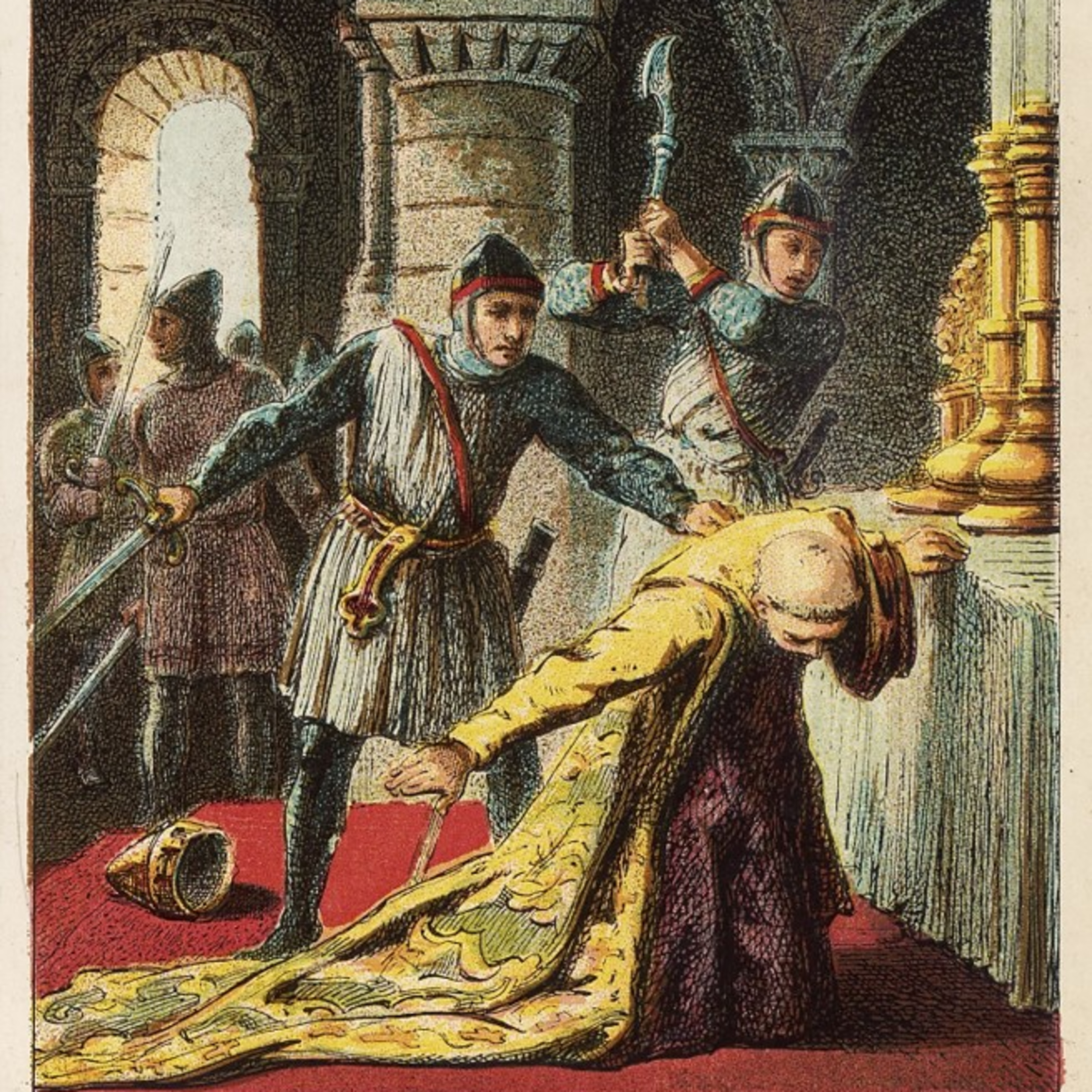
InPrincipio PodcastOctave of St. Thomas Becket (January 5) — From Dom Guéranger’s Liturgical YearPlease Note: In light of increasingly frequent inquiries, I want to assure all listeners that the voice in these recordings is *NOT AI generated*; it is my (InPrincipio Podcast’s) own human voice, unworthy as it is. Thank you. A meditation for the Feast of the Octave of St. Thomas Becket, from Dom Guéranger’s “The Liturgical Year”. Music: “The First Noel” (Latin)Performed by Corpus Christi WatershedUsed with permissionVisit ccwatershed.org for more beautiful chants, hymnals, scores, and liturgical resources. Please pray for their good work!The Octave Day of Saint Thomas Becket crowns the Church’s prolonged medit...
2026-01-0419 min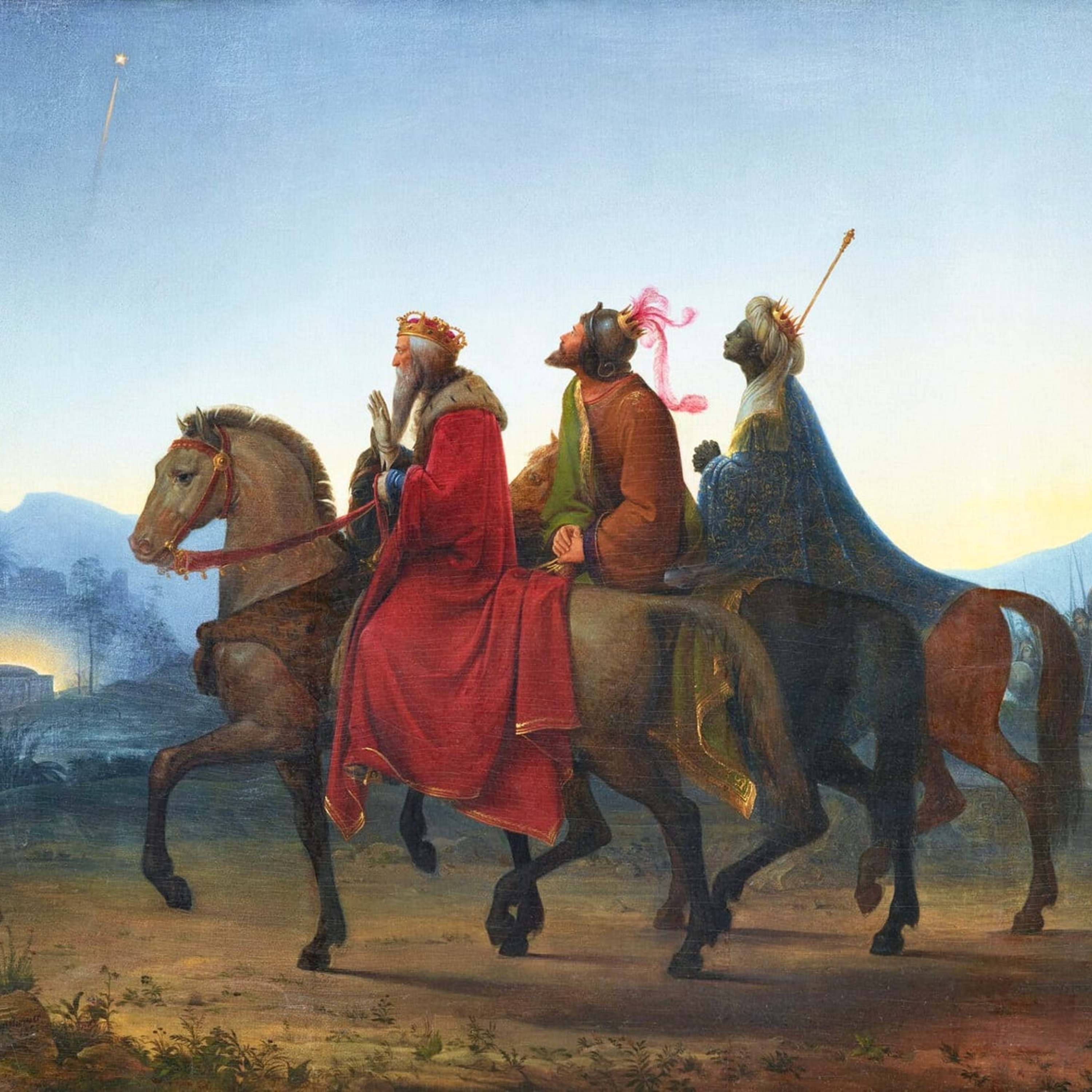
InPrincipio PodcastVigil of the Epiphany (January 5) — From Dom Guéranger’s Liturgical YearPlease Note: In light of increasingly frequent inquiries, I want to assure all listeners that the voice in these recordings is *NOT AI generated*; it is my (InPrincipio Podcast’s) own human voice, unworthy as it is. Thank you. A meditation for the Vigil of the Epiphany, from Dom Guéranger’s “The Liturgical Year”. Music: “The First Noel” (Latin)Performed by Corpus Christi WatershedUsed with permissionVisit ccwatershed.org for more beautiful chants, hymnals, scores, and liturgical resources. Please pray for their good work!The Vigil of the Epiphany prepares the Church to celebrate the manifestation of Christ to the nations b...
2026-01-0408 min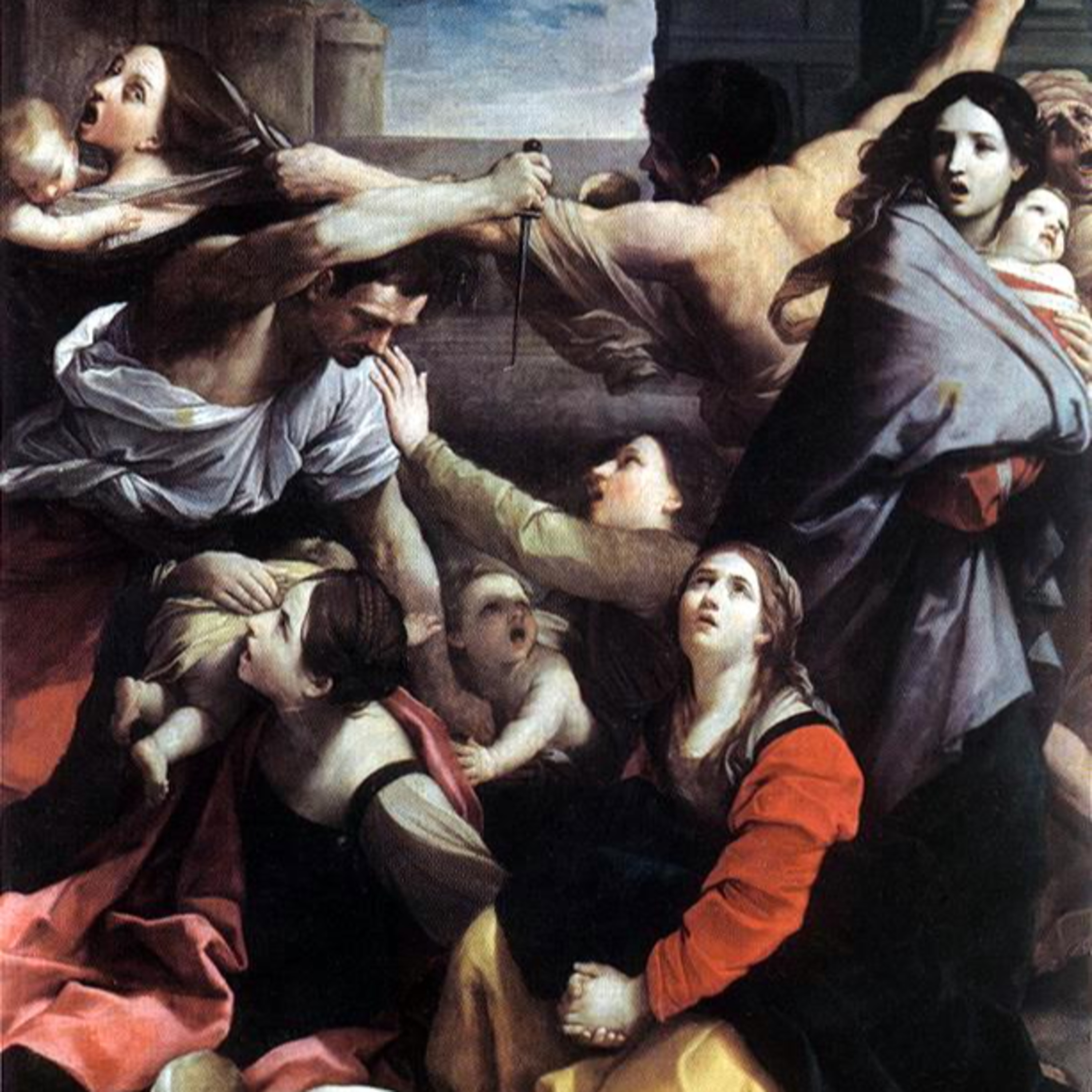
InPrincipio PodcastOctave of the Holy Innocents (January 4) — From Dom Guéranger’s Liturgical YearPlease Note: In light of increasingly frequent inquiries, I want to assure all listeners that the voice in these recordings is *NOT AI generated*; it is my (InPrincipio Podcast’s) own human voice, unworthy as it is. Thank you. A meditation for the Feast of the Octave of the Holy Innocents, from Dom Guéranger’s “The Liturgical Year”. Music: “The First Noel” (Latin)Performed by Corpus Christi WatershedUsed with permissionVisit ccwatershed.org for more beautiful chants, hymnals, scores, and liturgical resources. Please pray for their good work!The Octave of the Holy Innocents prolongs the Church’s contemplation of the mystery...
2026-01-0321 min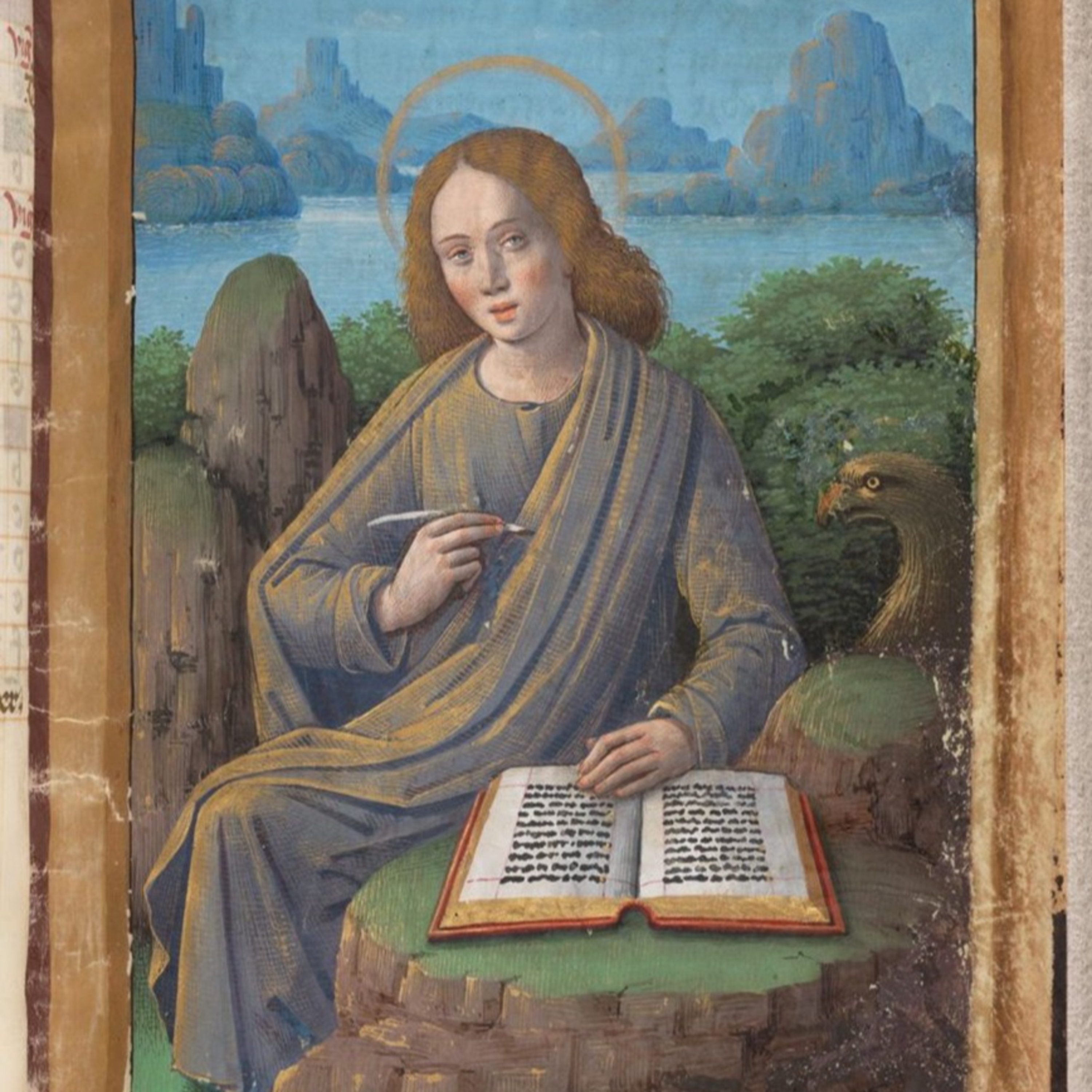
InPrincipio PodcastOctave of St. John the Evangelist (January 3) — From Dom Guéranger’s Liturgical YearPlease Note: In light of increasingly frequent inquiries, I want to assure all listeners that the voice in these recordings is *NOT AI generated*; it is my (InPrincipio Podcast’s) own human voice, unworthy as it is. Thank you. A meditation for the Feast of the Octave of Saint John, Apostle and Evangelist, from Dom Guéranger’s “The Liturgical Year”.Music: “The First Noel” (Latin)Performed by Corpus Christi WatershedUsed with permissionVisit ccwatershed.org for more beautiful chants, hymnals, scores, and liturgical resources. Please pray for their good work!The Octave of Saint John, Apostle and Evangelist, extends the Church’s...
2026-01-0226 min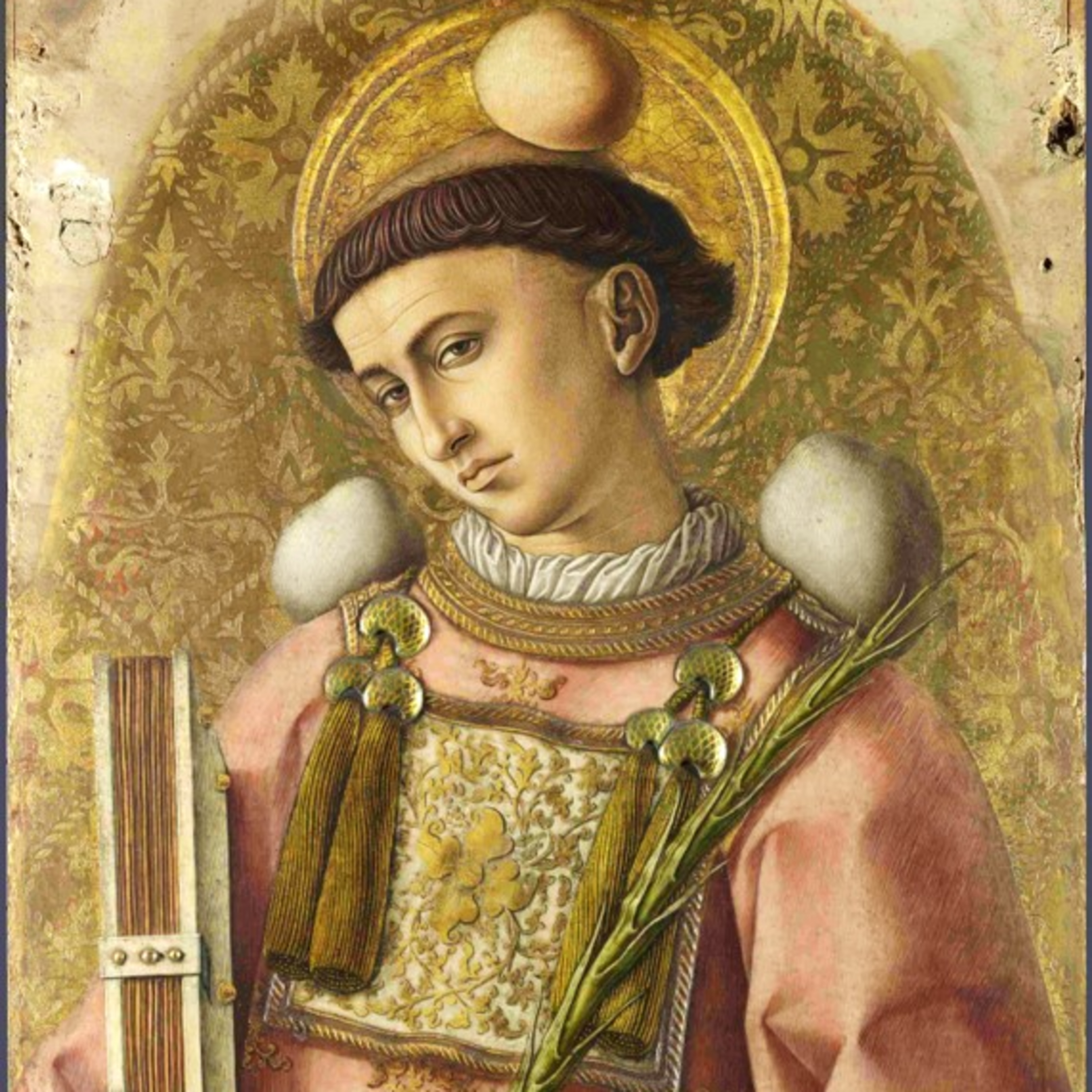
InPrincipio PodcastOctave of St. Stephen the First Martyr (January 2) — From Dom Guéranger’s Liturgical YearPlease Note: In light of increasingly frequent inquiries, I want to assure all listeners that the voice in these recordings is *NOT AI generated*; it is my (InPrincipio Podcast’s) own human voice, unworthy as it is. Thank you. A meditation for the Feast of the Octave of Saint Stephen Protomartyr, from Dom Guéranger’s “The Liturgical Year”.Music: “The First Noel” (Latin)Performed by Corpus Christi WatershedUsed with permissionVisit ccwatershed.org for more beautiful chants, hymnals, scores, and liturgical resources. Please pray for their good work!The Octave of Saint Step...
2026-01-0121 min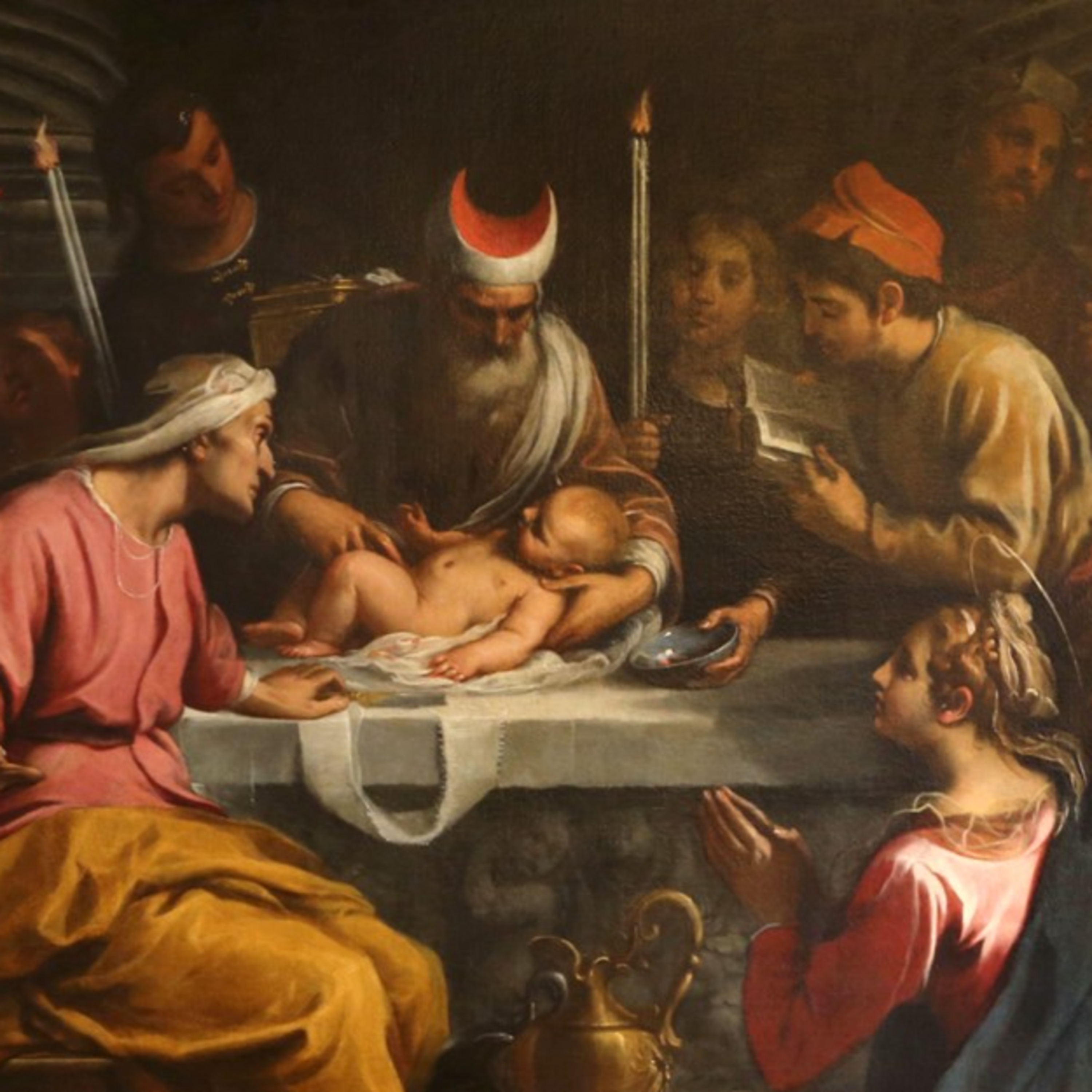
InPrincipio PodcastThe Circumcision of our Lord (January 1) — From Dom Guéranger’s Liturgical YearPlease Note: In light of increasingly frequent inquiries, I want to assure all listeners that the voice in these recordings is *NOT AI generated*; it is my (InPrincipio Podcast’s) own human voice, unworthy as it is. Thank you. A meditation for the Feast of the Circumcision of our Lord Jesus Christ, and the Octave day of the Nativity, from Dom Guéranger’s “The Liturgical Year”.The Feast of the Circumcision of Our Lord, celebrated on the Octave Day of the Nativity, commemorates the moment when the Infant Jesus, eight days after His birth, submitted to the Law of Moses...
2025-12-3141 min
InPrincipio PodcastCompline during Christmas — From Dom Guéranger’s Liturgical YearPlease Note: In light of increasingly frequent inquiries, I want to assure all listeners that the voice in these recordings is *NOT AI generated*; it is my (InPrincipio Podcast’s) own human voice, unworthy as it is. Thank you. Chapter 8 of the Introduction to the Season of Christmas: On the Office of Compline during Christmas, from Volume II of "The Liturgical Year" by Dom Prosper Guéranger.Music: “The First Noel” (Latin)Performed by Corpus Christi WatershedUsed with permissionVisit ccwatershed.org for more beautiful chants, hymnals, scores, and liturgical resources. Please pray for their good work!In On the Office...
2025-12-2915 min
InPrincipio PodcastVespers during Christmas — From Dom Guéranger’s Liturgical YearPlease Note: In light of increasingly frequent inquiries, I want to assure all listeners that the voice in these recordings is *NOT AI generated*; it is my (InPrincipio Podcast’s) own human voice, unworthy as it is. Thank you. Chapter 7 of the Introduction to the Season of Christmas: Of the Office of Vespers during Sundays and Feasts during Christmas, from Volume II of "The Liturgical Year" by Dom Prosper Guéranger.Music: “The First Noel” (Latin)Performed by Corpus Christi WatershedUsed with permissionVisit ccwatershed.org for more beautiful chants, hymnals, scores, and liturgical resources. Please pray for their good work!In...
2025-12-2916 min
InPrincipio PodcastOn Holy Communion during Christmas — From Dom Guéranger’s Liturgical YearPlease Note: In light of increasingly frequent inquiries, I want to assure all listeners that the voice in these recordings is *NOT AI generated*; it is my (InPrincipio Podcast’s) own human voice, unworthy as it is. Thank you. Chapter 6 of the Introduction to the Season of Christmas: On Holy Communion during Christmas, from Volume II of "The Liturgical Year" by Dom Prosper Guéranger.Music: “The First Noel” (Latin)Performed by Corpus Christi WatershedUsed with permissionVisit ccwatershed.org for more beautiful chants, hymnals, scores, and liturgical resources. Please pray for their good work!In On Holy Communion during Christm...
2025-12-2925 min
InPrincipio PodcastPope St. Sylvester (December 31st) — From Dom Guéranger’s Liturgical YearPlease Note: In light of increasingly frequent inquiries, I want to assure all listeners that the voice in these recordings is *NOT AI generated*; it is my (InPrincipio Podcast’s) own human voice, unworthy as it is. Thank you. A meditation for the Feast of Pope Saint Sylvester, from Dom Guéranger’s “The Liturgical Year”.Music: “The First Noel” (Latin)Performed by Corpus Christi WatershedUsed with permissionVisit ccwatershed.org for more beautiful chants, hymnals, scores, and liturgical resources. Please pray for their good work!Pope Saint Sylvester I governed the Church during the reign of Emperor Constantine, guiding her through t...
2025-12-2930 min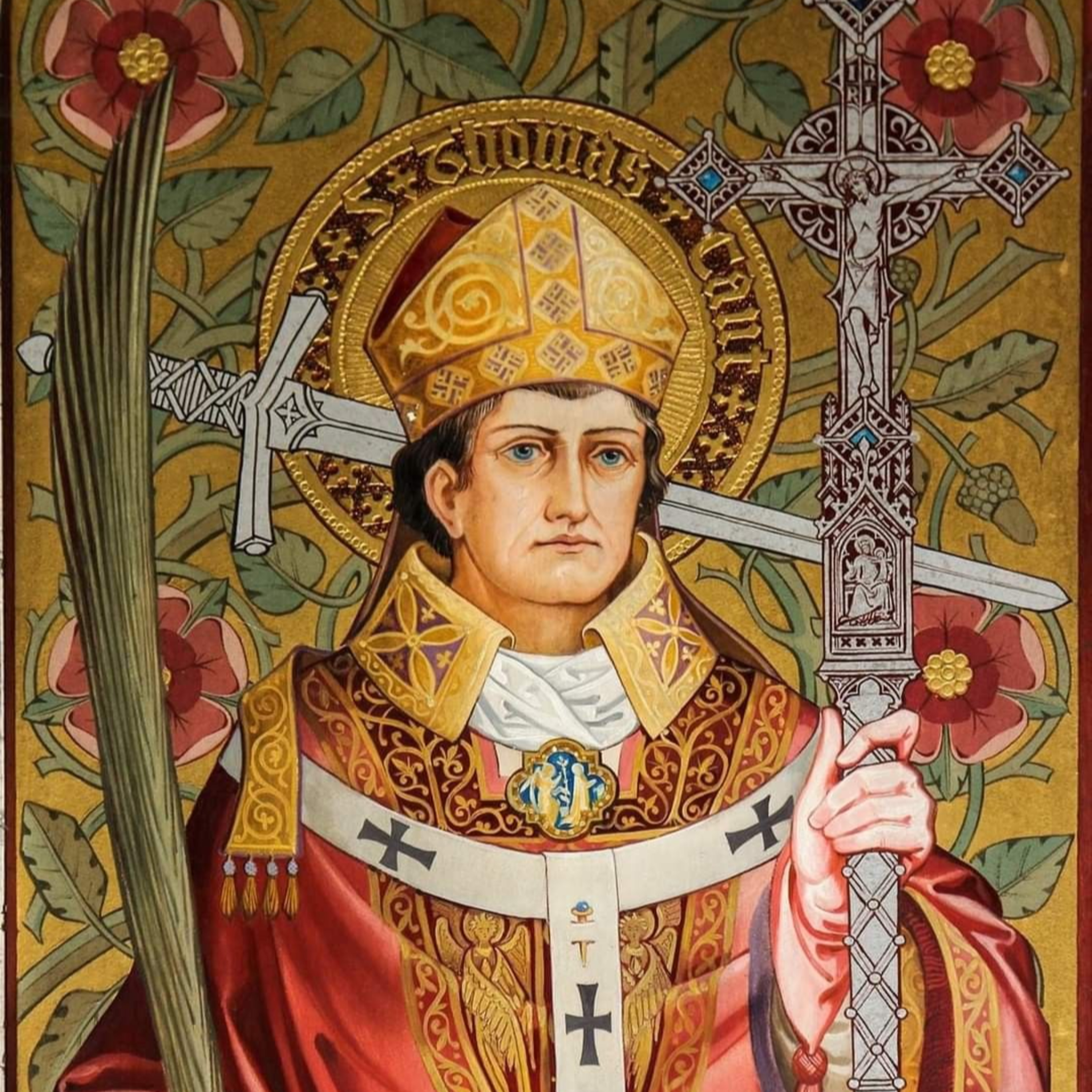
InPrincipio PodcastSt. Thomas Becket (December 29th) — From Dom Guéranger’s Liturgical YearPlease Note: In light of increasingly frequent inquiries, I want to assure all listeners that the voice in these recordings is *NOT AI-generated*; it is my (InPrincipio Podcast’s) own human voice, unworthy as it is. Thank you. A meditation for the Feast of Saint Thomas Becket, Archbishop of Canterbury, from Dom Guéranger’s “The Liturgical Year”.Music: “The First Noel” (Latin)Performed by Corpus Christi WatershedUsed with permissionVisit ccwatershed.org for more beautiful chants, hymnals, scores, and liturgical resources. Please pray for their good work!St. Thomas Becket was Archbishop of Canterbury in the twelfth century and a former clos...
2025-12-2857 min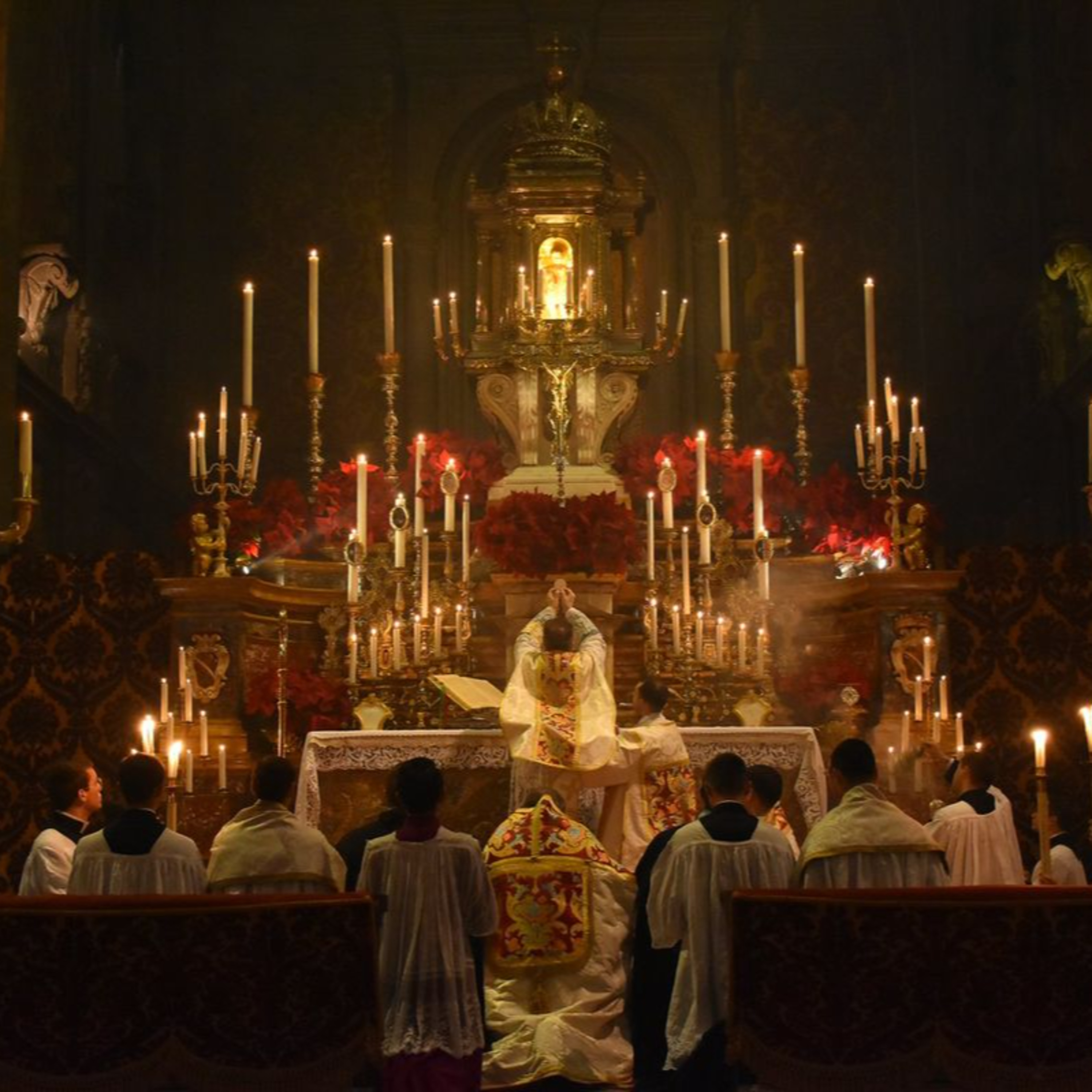
InPrincipio PodcastOn Hearing Mass during Christmas — From Dom Guéranger’s Liturgical YearPlease Note: In light of increasingly frequent inquiries, I want to assure all listeners that the voice in these recordings is *NOT AI generated*; it is my (InPrincipio Podcast’s) own human voice, unworthy as it is. Thank you. Music: “The First Noel” (Latin)Performed by Corpus Christi WatershedUsed with permissionVisit ccwatershed.org for more beautiful chants, hymnals, scores, and liturgical resources. Please pray for their good work!Chapter 5 of the Introduction to the Season of Christmas: On Hearing Mass during the Season of Christmas, from Volume II of "The Liturgical Year" by Dom Prosper Guéranger.Hearing Mass during...
2025-12-2855 min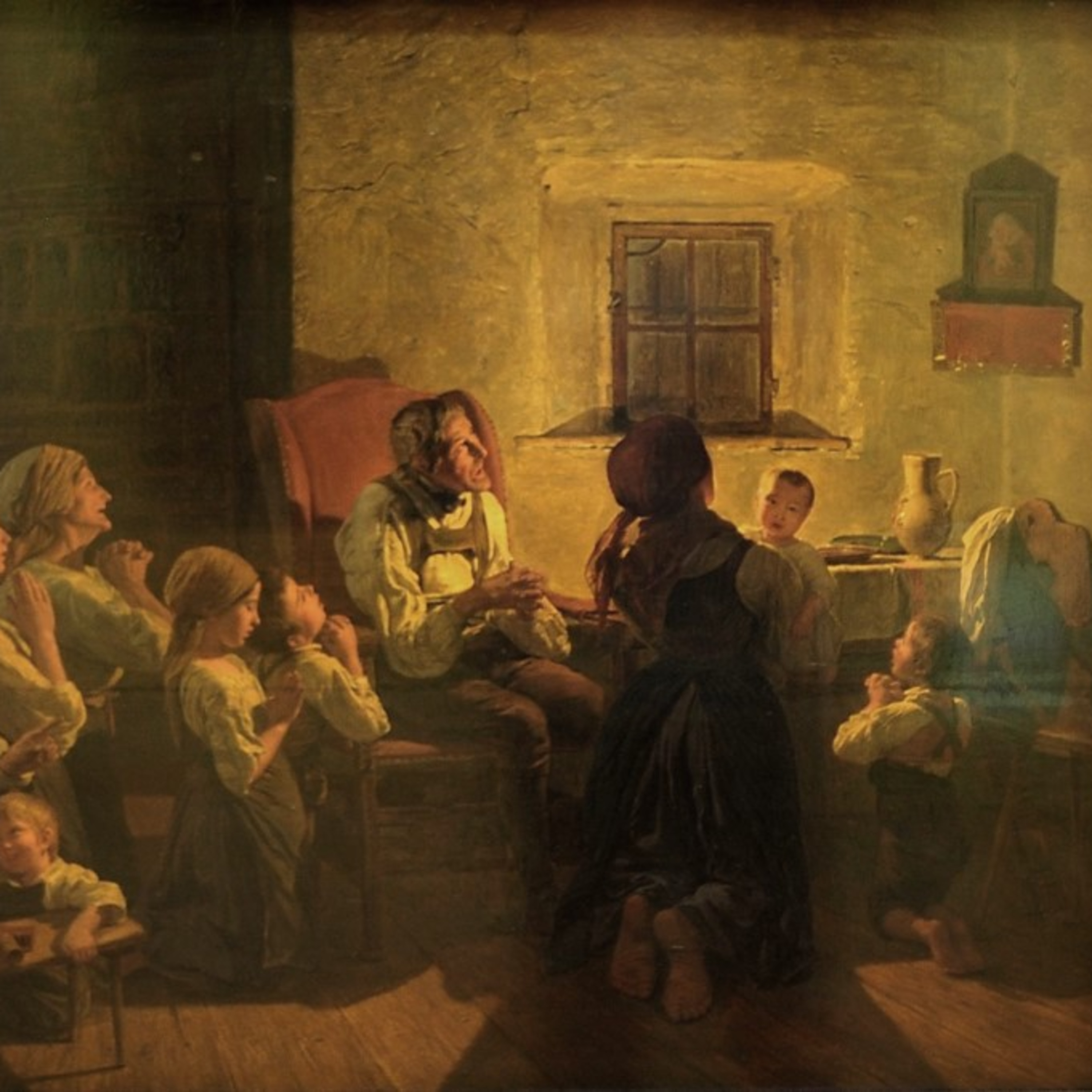
InPrincipio PodcastMorning and Night Prayers for Christmas — From Dom Guéranger’s Liturgical YearPlease Note: In light of increasingly frequent inquiries, I want to assure all listeners that the voice in these recordings is *NOT AI generated*; it is my (InPrincipio Podcast’s) own human voice, unworthy as it is. Thank you. Chapter 4, of the Introduction to the Season of Christmas: Morning and Night Prayers for Christmas, from Volume II of "The Liturgical Year" by Dom Prosper Guéranger.The morning and night prayers of Christmas envelop the faithful in continual adoration of the Incarnate Word, teaching them to begin and end each day in the presence of the Divine Child. Morning pra...
2025-12-2726 min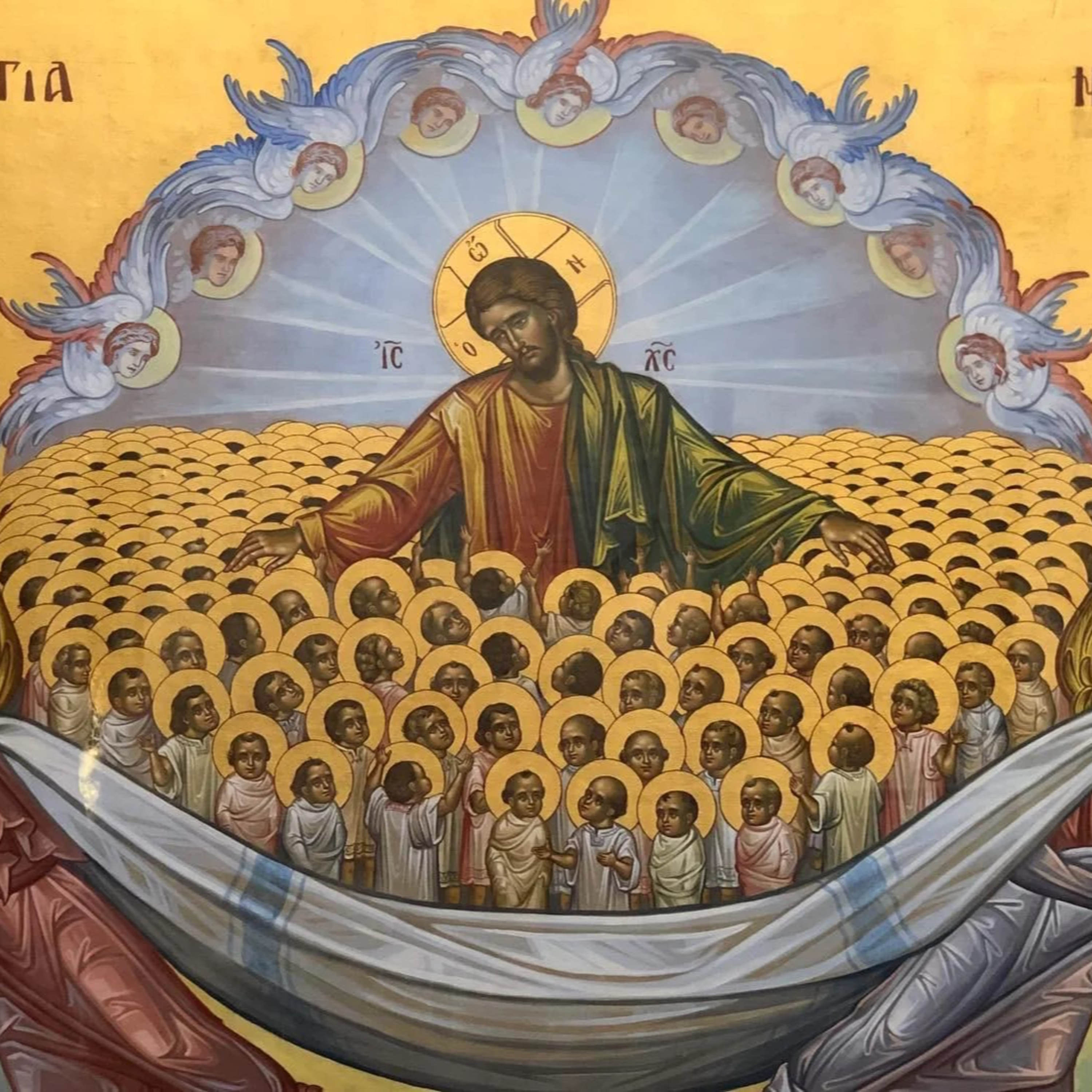
InPrincipio PodcastThe Holy Innocents (December 28th) — From Dom Guéranger’s Liturgical YearPlease Note: In light of increasingly frequent inquiries, I want to assure all listeners that the voice in these recordings is *NOT AI generated*; it is my (InPrincipio Podcast’s) own human voice, unworthy as it is. Thank you. A meditation for the Feast of the Holy Innocents, from Dom Guéranger’s “The Liturgical Year”.Music: “The First Noel” (Latin)Performed by Corpus Christi WatershedUsed with permissionVisit ccwatershed.org for more beautiful chants, hymnals, scores, and liturgical resources. Please pray for their good work!The Feast of the Holy Innocents commemorates the infant children of Bethlehem who were massacred by...
2025-12-2744 min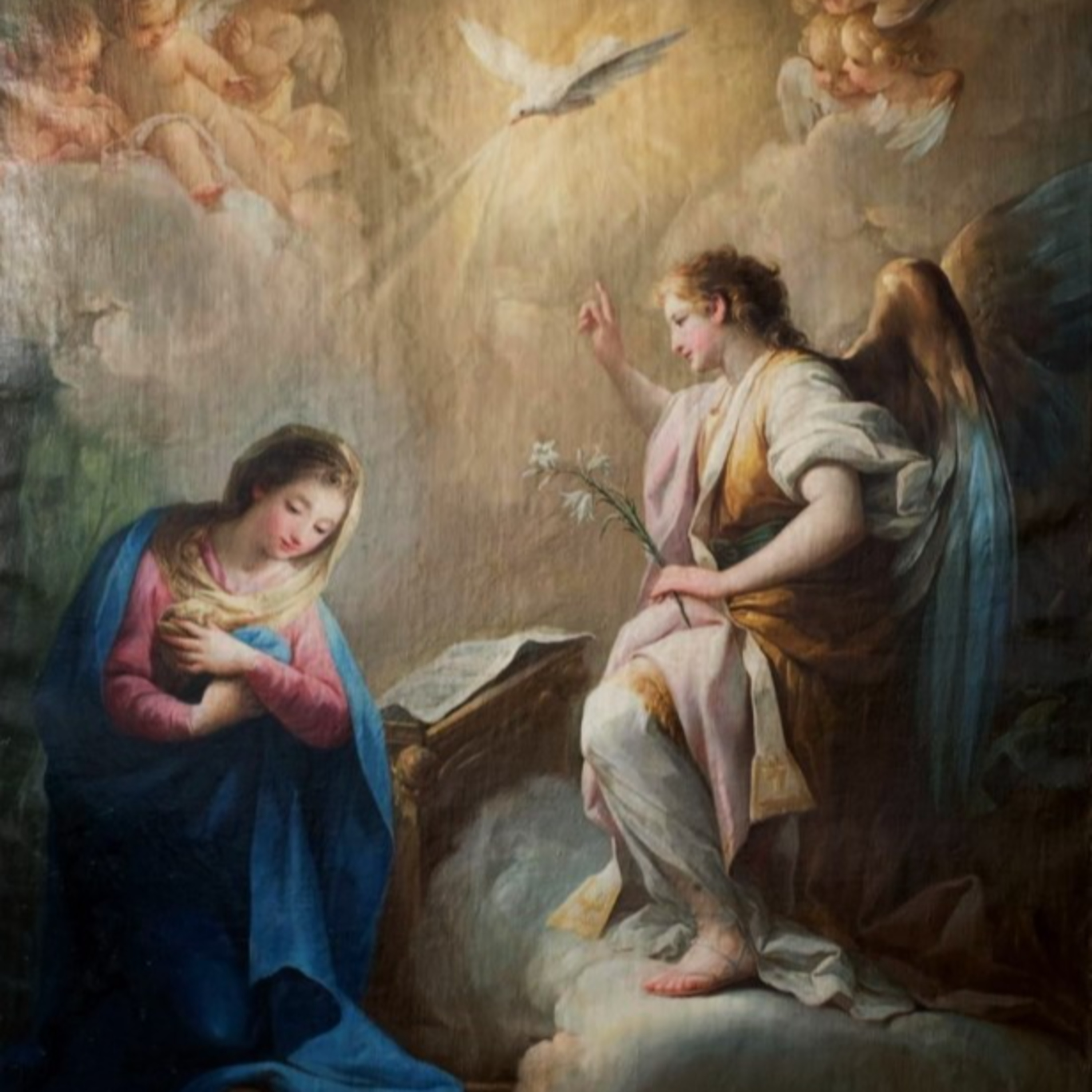
InPrincipio PodcastChrist Renews His Incarnation in the Mass — Explanation of the Holy Mass by Fr Cochem (Chapter 4)Chapter 4 of Fr. Martin von Cochem's "Explanation of the Holy Sacrifice of the Mass" teaches that in the Holy Mass Christ mystically and truly renews His Incarnation, not merely as a symbol but as a real continuation of the work of redemption, for at every consecration the Eternal Word again becomes present in human nature upon the altar by the power of the Holy Ghost. Drawing on the testimony of the Church, Scripture, saints, and theologians such as St. Augustine, St. John Damascene, St. Bonaventure, and Ven. Alanus de Rupe, the chapter explains that just as Christ once became...
2025-12-1419 min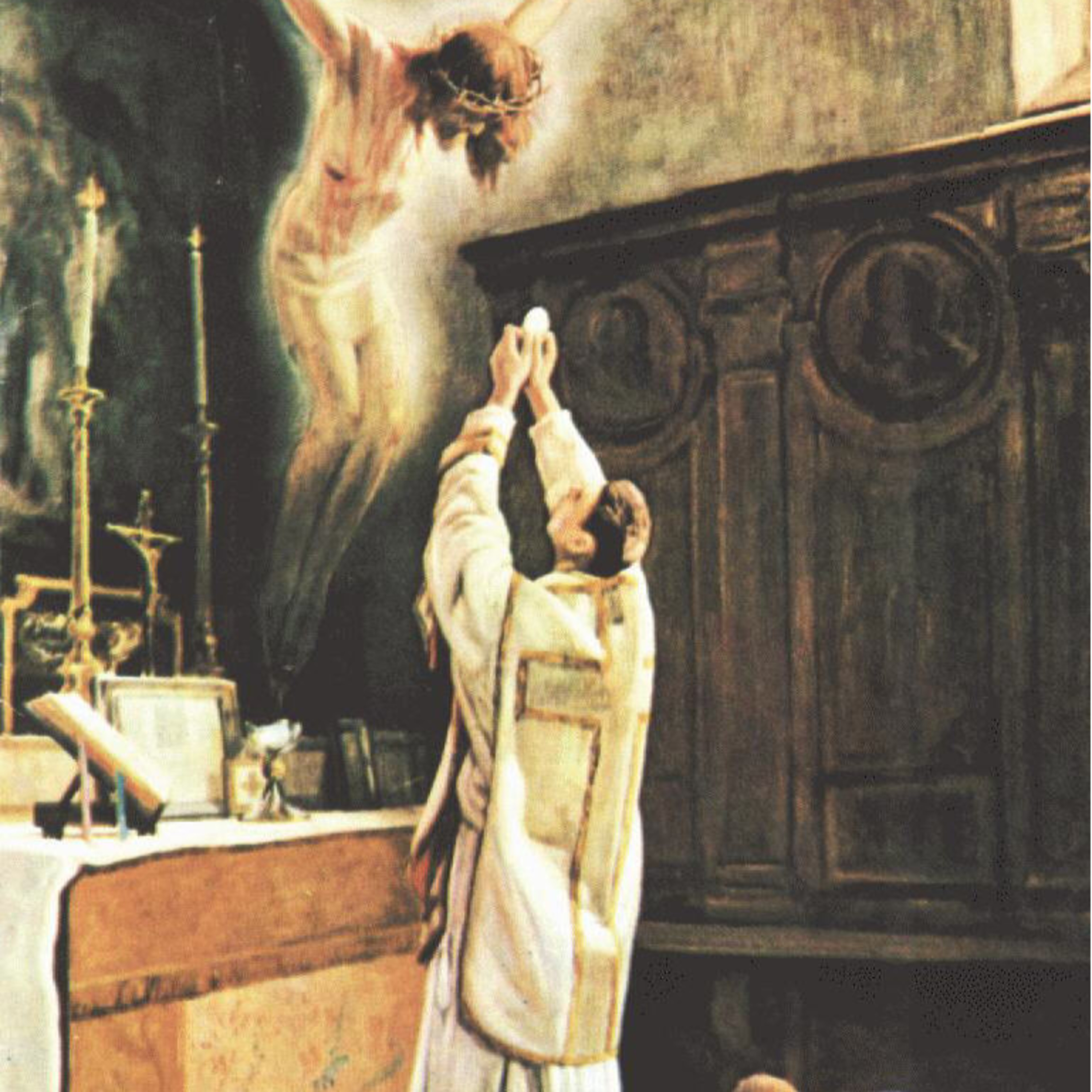
InPrincipio PodcastMysteries of Holy Mass — Explanation of the Holy Mass by Fr. Martin von Cochem (Audiobook, Ch. 3)In Chapter 3 of Fr. Martin von Cochem’s Explanation of the Holy Sacrifice of the Mass, the author unfolds the “mysteries of the Holy Mass,” declaring it the greatest of all divine works—an ocean of graces surpassing comprehension. He begins by praising its infinite richness, illustrating through the story of St. John of Facundo how deeply the saints grasped its hidden realities. He then shows how the ancient sacrifices of Abel, Noah, Abraham, Melchizedek, and Aaron prefigured the one perfect sacrifice of Christ renewed in every Mass. In its celebration, von Cochem explains, all the mysteries of Our Lord’s l...
2025-11-0836 min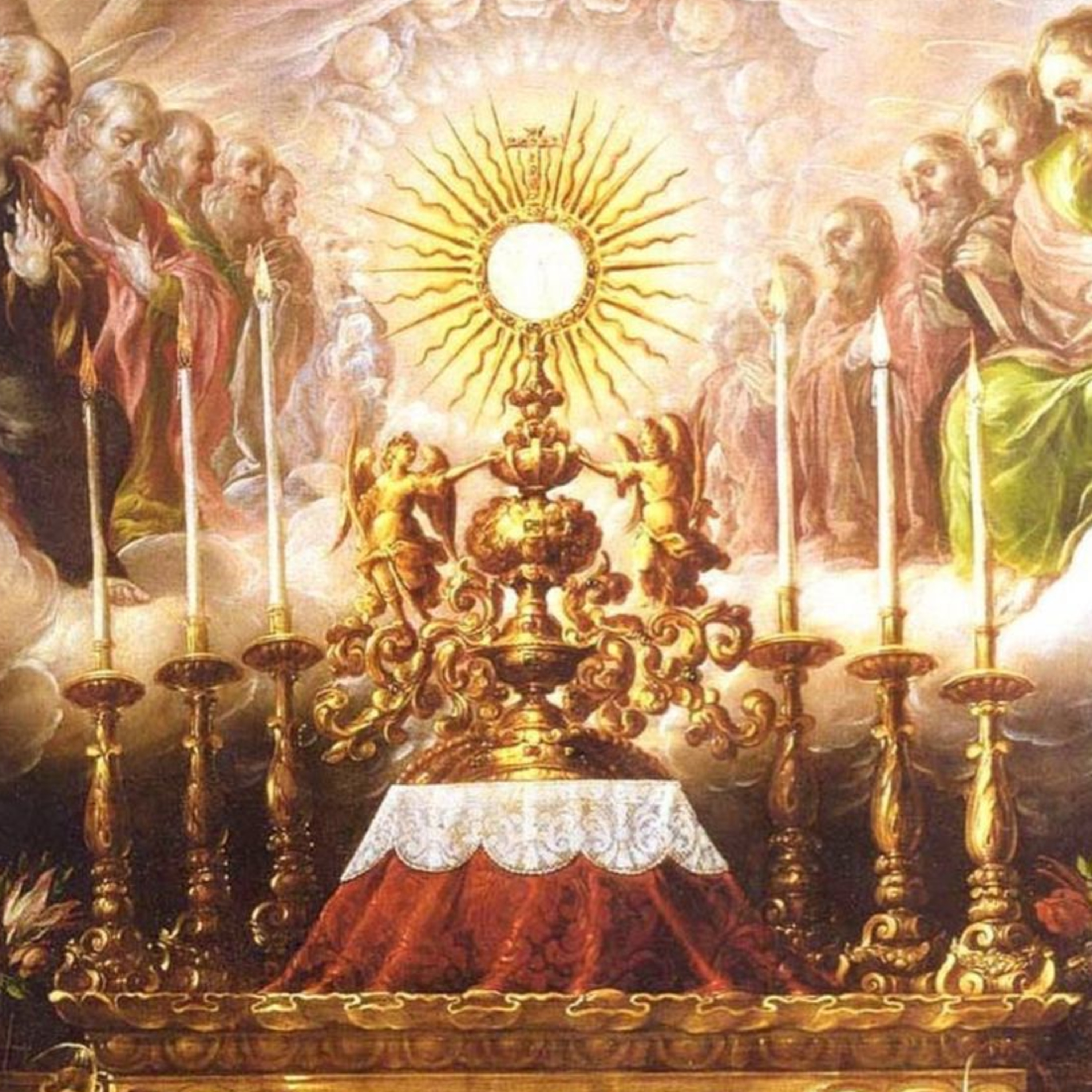
InPrincipio PodcastThe Excellence of Holy Mass — Explanation of the Holy Mass by Fr Martin von Cochem (Audiobook Ch. 2)Chapter 2 of Explanation of the Holy Sacrifice of the Mass, titled “The Excellence of Holy Mass,” is a sweeping meditation on the supreme dignity and mystery of the Mass, described as an act so sublime that even the highest angels cannot fully praise it. Father Martin von Cochem shows its preeminence through vivid examples: the solemn consecration of churches and altars, the careful ordination of priests, and the rich symbolism of every vestment, vessel, and ritual act. He teaches that all these elaborate rites exist to prepare for and honor the Holy Sacrifice, wherein Christ Himself—the Eternal High Priest...
2025-10-2359 min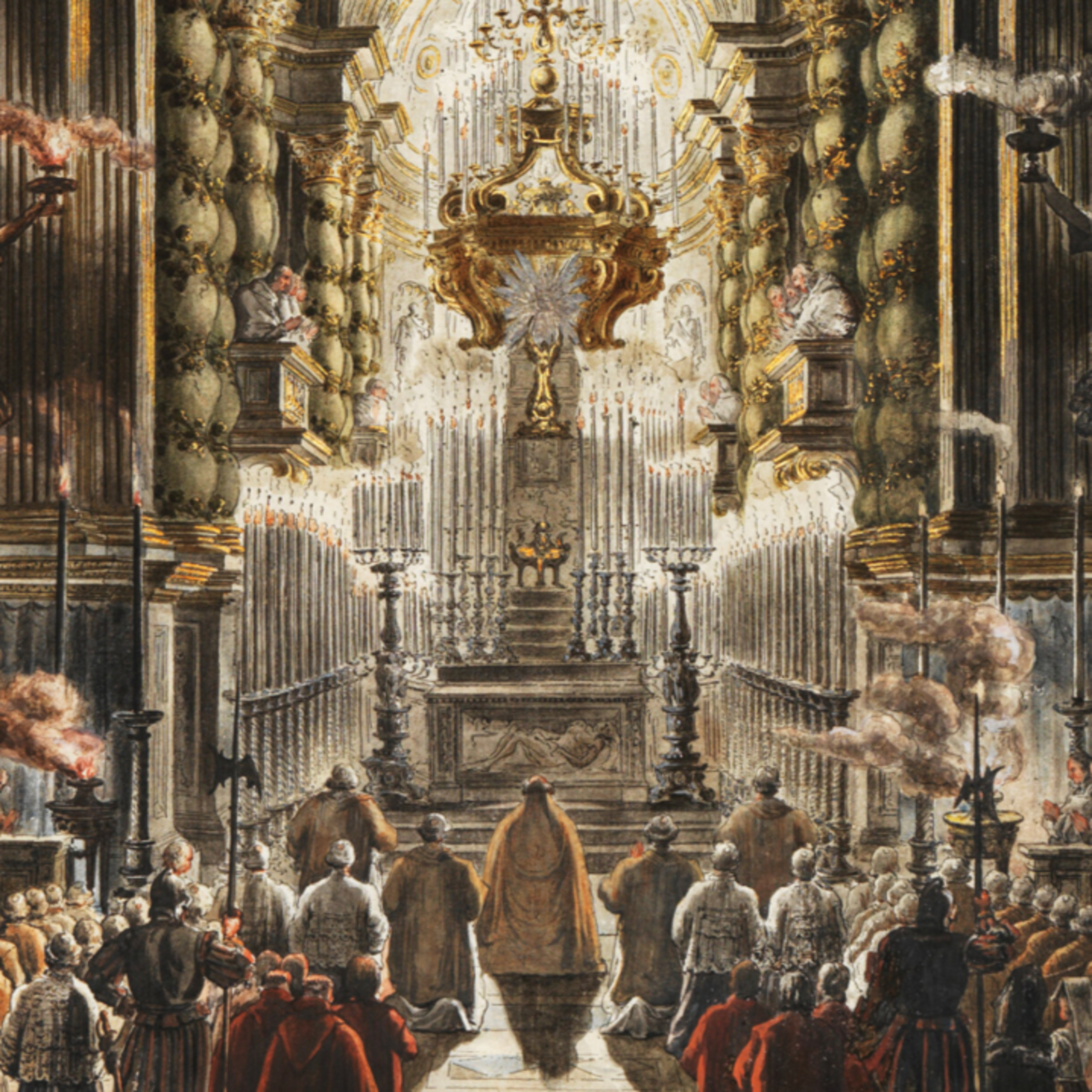
InPrincipio PodcastExplanation of the Holy Sacrifice of the Mass — Fr. Martin von Cochem (Audiobook, Ch. 1)'Explanation of the Holy Sacrifice of the Mass' (1896) by Fr. Martin von Cochem is a classic 17th-century Catholic devotional work that passionately and engagingly explains the immense spiritual value, mystery, and supernatural power of the Holy Sacrifice of the Mass. Drawing on Scripture, the Church Fathers, and mystical theology, Cochem portrays the Mass as a re-presentation of Christ’s sacrifice on Calvary, a source of infinite grace, and the highest act of worship that unites heaven and earth. Through vivid anecdotes, historical insights, and practical exhortations, von Cochem urges Catholics to attend Mass with fervent attention, revealing its "incredible" me...
2025-10-2326 min
InPrincipio PodcastThe Golden Legend: Saints Justina and Cyprian (Sept. 26)The Golden Legend, compiled by the Dominican friar and later archbishop of Genoa, Blessed Jacobus de Voragine, around 1260, was the single most popular religious text of the Middle Ages after the Bible itself. Encompassing over 170 chapters, it offered vivid accounts of the lives of saints, explanations of feast days, and meditations on the mysteries of the liturgical year, drawing on Scripture, apocrypha, early Christian writings, and popular traditions. Far more than a mere catalogue of saints’ biographies, it wove together miracle stories, moral lessons, and symbolic interpretations, providing preachers and laypeople alike with a rich treasury of exempla to in...
2025-09-2513 min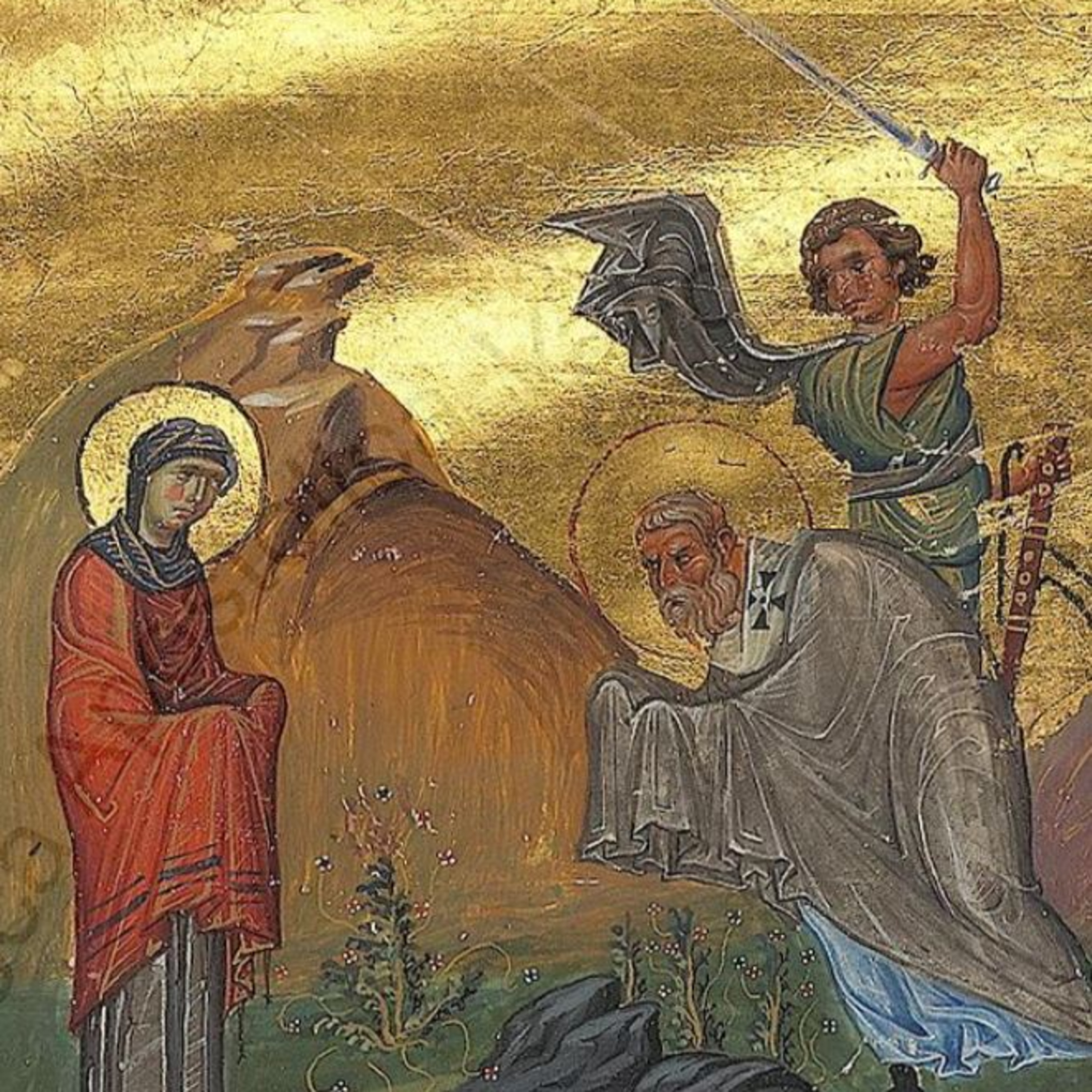
InPrincipio PodcastDom Guéranger's Liturgical Year: September 26 - Saints Cyprian and JustinaSaints Cyprian and Justina were early Christian martyrs venerated together for their dramatic conversion story and steadfast faith. According to tradition, Cyprian was a pagan magician and philosopher from Antioch who was commissioned to use sorcery to corrupt the Christian maiden Justina, but her fervent prayers defeated his spells, leading him to renounce magic and embrace Christianity. Inspired by her purity and faith, he was baptized, ordained a priest, and later became a bishop, while Justina devoted herself to virginity and prayer. During the persecutions of Emperor Diocletian in the early 4th century, both were arrested, tortured, and ultimately...
2025-09-2403 min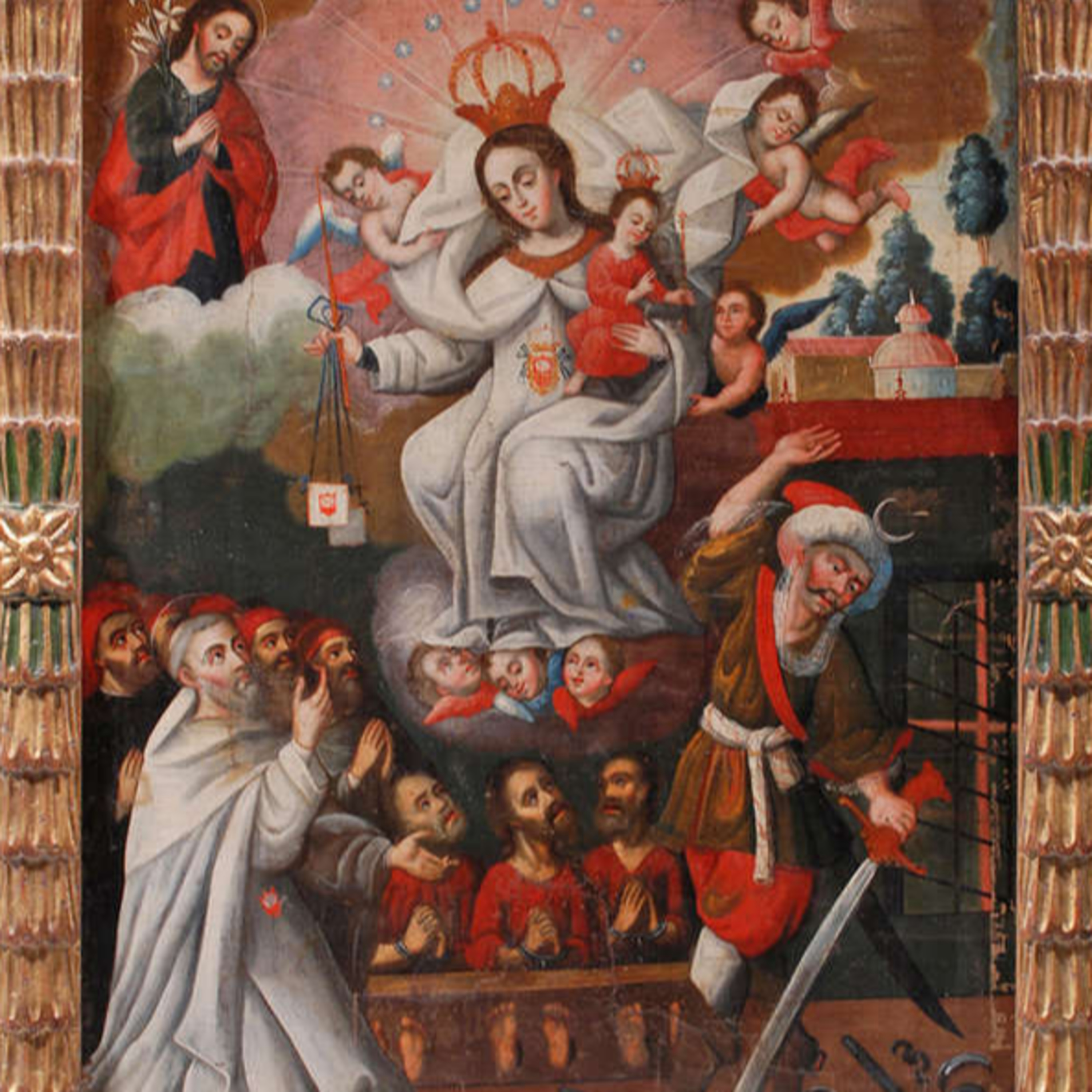
InPrincipio PodcastDom Guéranger's Liturgical Year: September 24 - Our Lady of RansomThe Feast of Our Lady of Ransom, also known as Our Lady of Mercy, is celebrated on September 24 and honors the Blessed Virgin Mary’s role in the redemption of Christian captives during the Middle Ages. It originated with the foundation of the Order of the Blessed Virgin Mary of Mercy (the Mercedarians) in 1218 by St. Peter Nolasco, with support from St. Raymond of Peñafort and King James I of Aragon, after the Blessed Virgin appeared urging them to ransom Christians enslaved by Moorish raiders. The feast highlights the Blessed Virgin Mary's compassion and intercession, the Christian call to...
2025-09-2307 min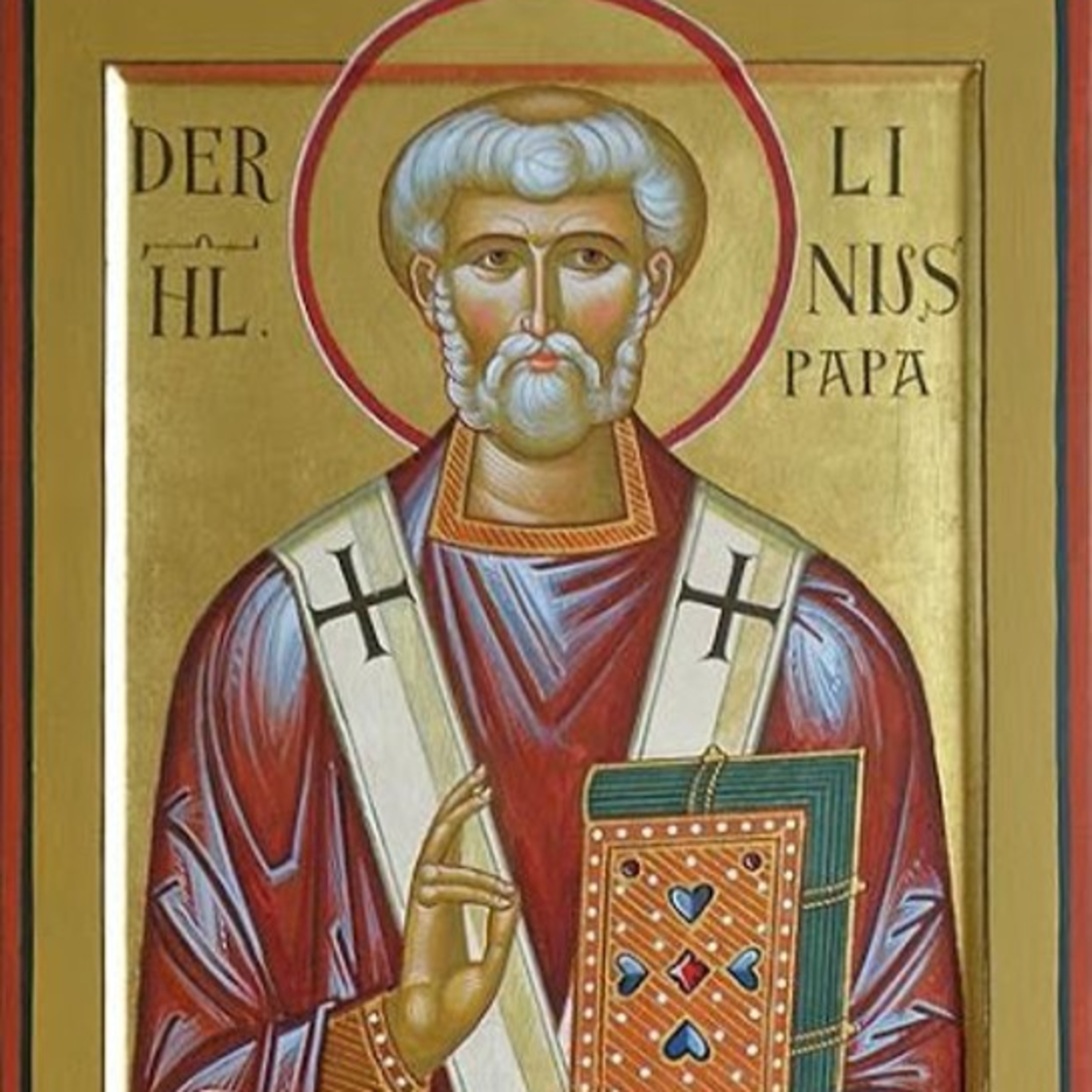
InPrincipio PodcastDom Guéranger's Liturgical Year: September 23 - Pope St. LinusPope St. Linus, traditionally regarded as the second Bishop of Rome after St. Peter, served as pope from around AD 67 to 76. According to early Christian writers such as Irenaeus and Eusebius, Linus was appointed by Peter himself and helped lead the Church during the dangerous years of persecution under Emperor Nero. He is sometimes identified with the Linus mentioned in St. Paul’s Second Letter to Timothy (2 Tim 4:21). While little is known about his specific actions, tradition holds that he enforced the discipline requiring women to cover their heads in church, and he is honored as a martyr, though th...
2025-09-2202 min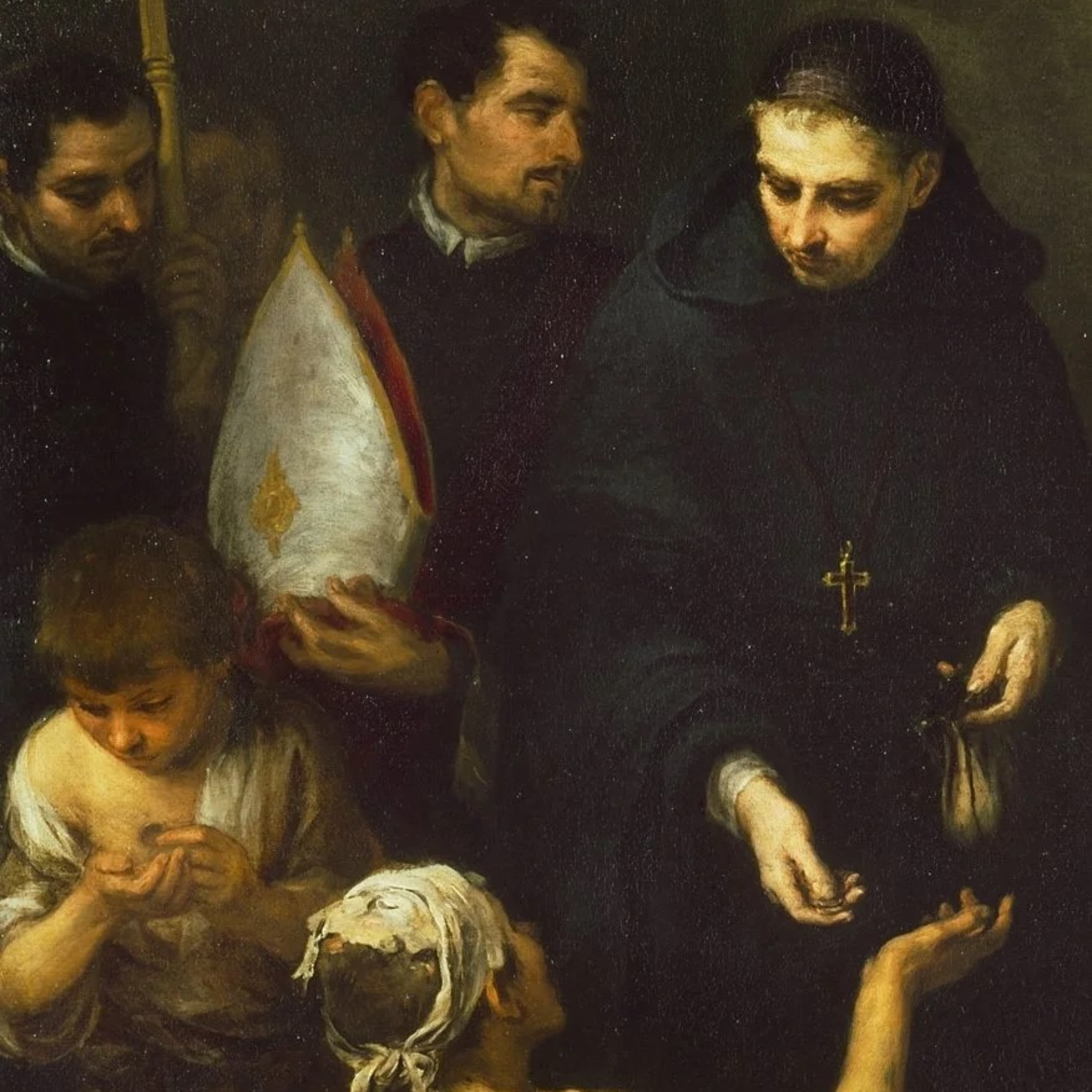
InPrincipio PodcastDom Guéranger's Liturgical Year: September 22 - St. Thomas of VillanovaSt. Thomas of Villanova (1488–1555) was a Spanish Augustinian friar, theologian, and archbishop renowned for his learning, humility, and deep commitment to the poor. Born in Fuenllana and raised in Villanueva de los Infantes, he studied at the University of Alcalá, where he became a professor of philosophy before joining the Augustinian Order. Known as the “Almsgiver” and the “Father of the Poor,” he gave away much of his income to charity and lived austerely despite his high ecclesiastical office. Appointed Archbishop of Valencia in 1544, he reformed the clergy, improved education, and established hospitals, orphanages, and institutions for the marginalized. A gifted pr...
2025-09-2105 min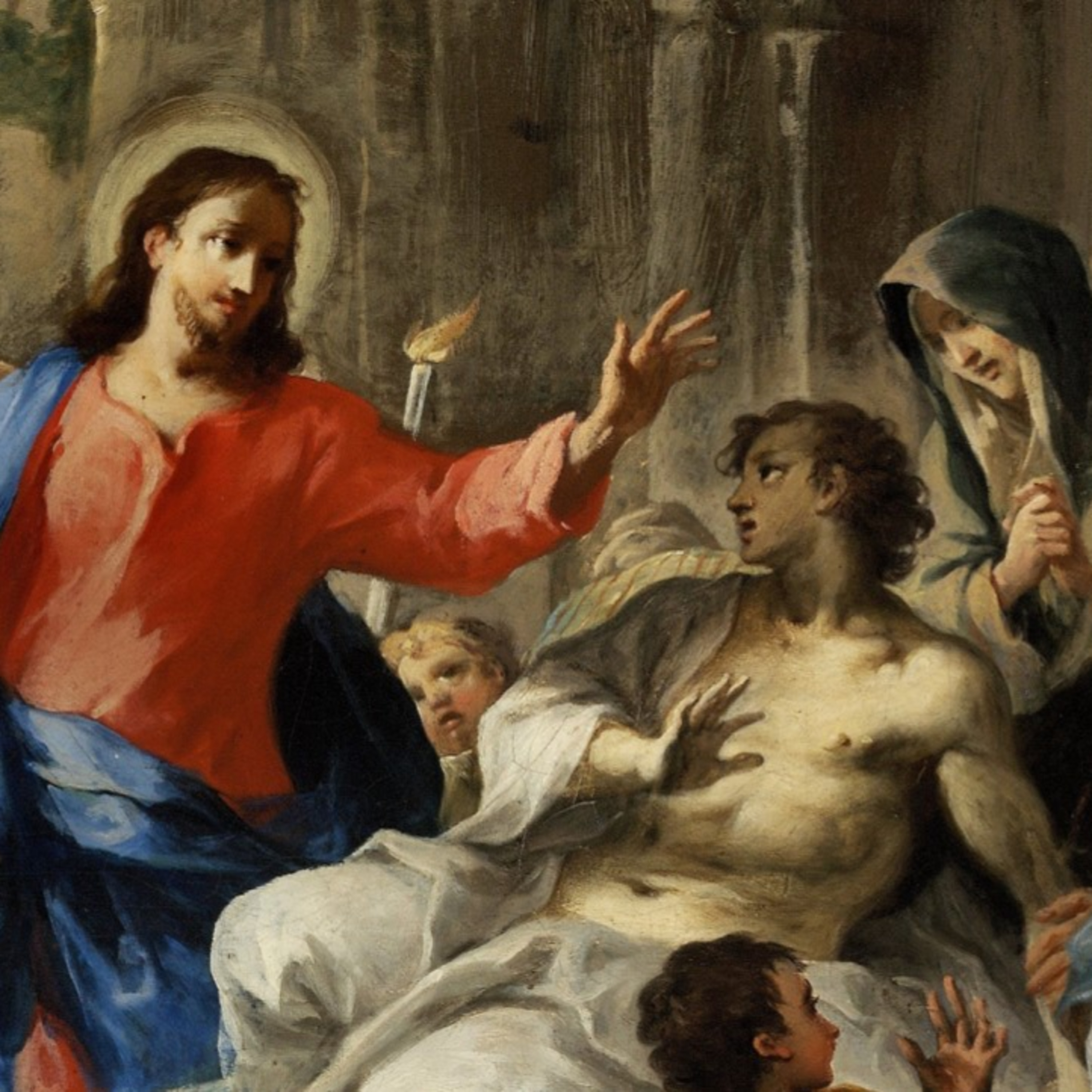
InPrincipio PodcastDom Guéranger's Liturgical Year: The Fifteenth Sunday after Pentecost: the Widow of NaimDom Prosper Guéranger's The Liturgical Year, a monumental fifteen-volume work, offers a comprehensive exploration of the Catholic Church’s liturgical calendar, guiding readers through the spiritual and historical richness of the Church’s worship. Written in the 19th century, the series provides daily meditations, historical context, and liturgical texts for the Mass and Divine Office, covering the entire cycle of seasons—Advent, Christmas, Lent, Passiontide, Easter, and the Time after Pentecost—as well as feast days of saints. Guéranger’s work, rooted in a deep contemplative spirit, aims to immerse the faithful in the Church’s prayerful life, emphasiz...
2025-09-2014 min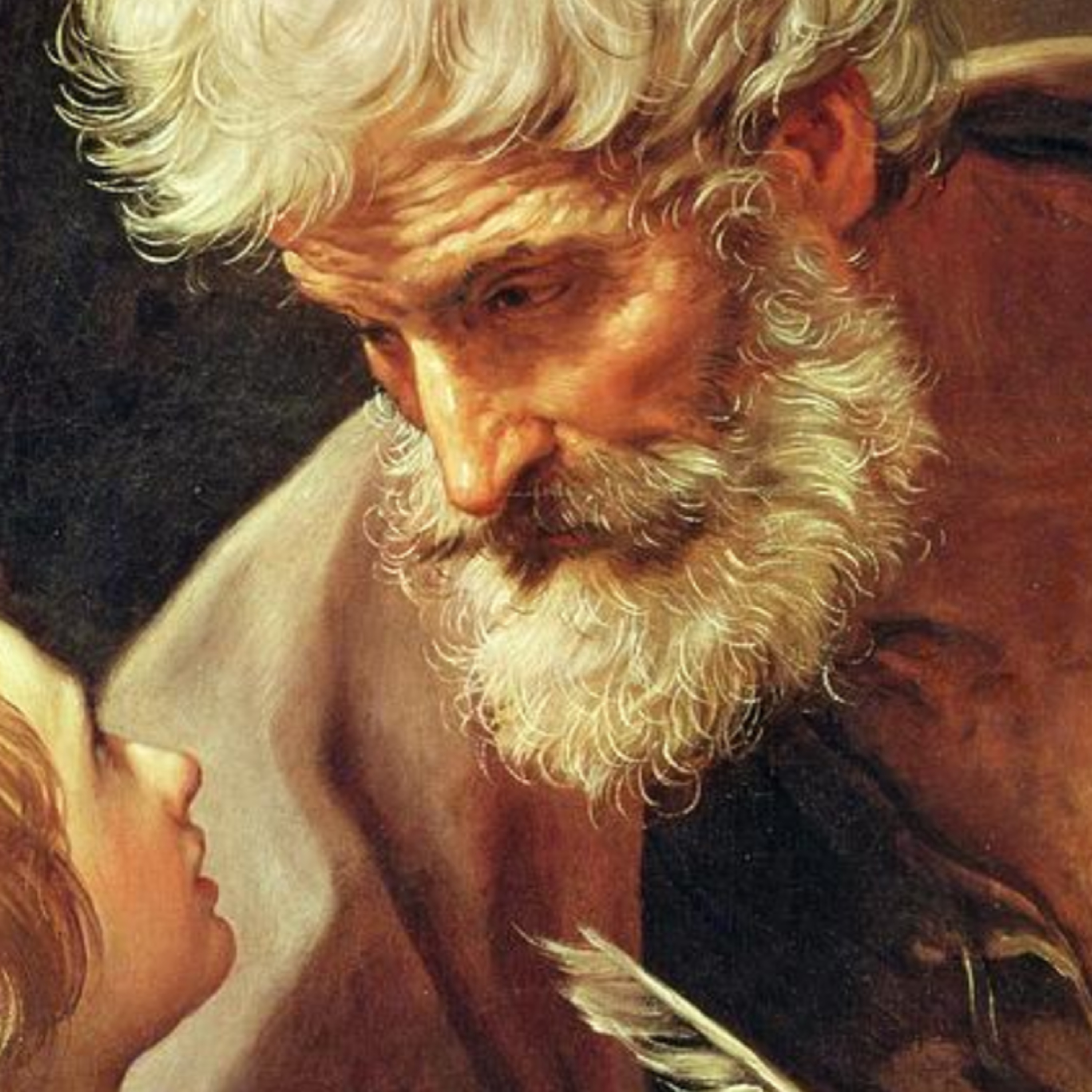
InPrincipio PodcastDom Guéranger's Liturgical Year: September 21 - St. Matthew, Apostle and EvangelistSaint Matthew, also known as Levi, was one of the twelve apostles of Jesus Christ and author of the Gospel of Matthew. Originally a tax collector in Capernaum, he was called by Christ to leave his occupation and follow Him, demonstrating the transformative power of Jesus’ call. Matthew faithfully accompanied Jesus, witnessing His ministry, miracles, death, and resurrection, and later devoted himself to spreading the Gospel. Tradition holds that he preached in various regions, including Judea, Ethiopia, and Persia, enduring hardships and finally martyrdom for the sake of Christ. Honored as both an apostle and evangelist, he is remembered fo...
2025-09-2007 min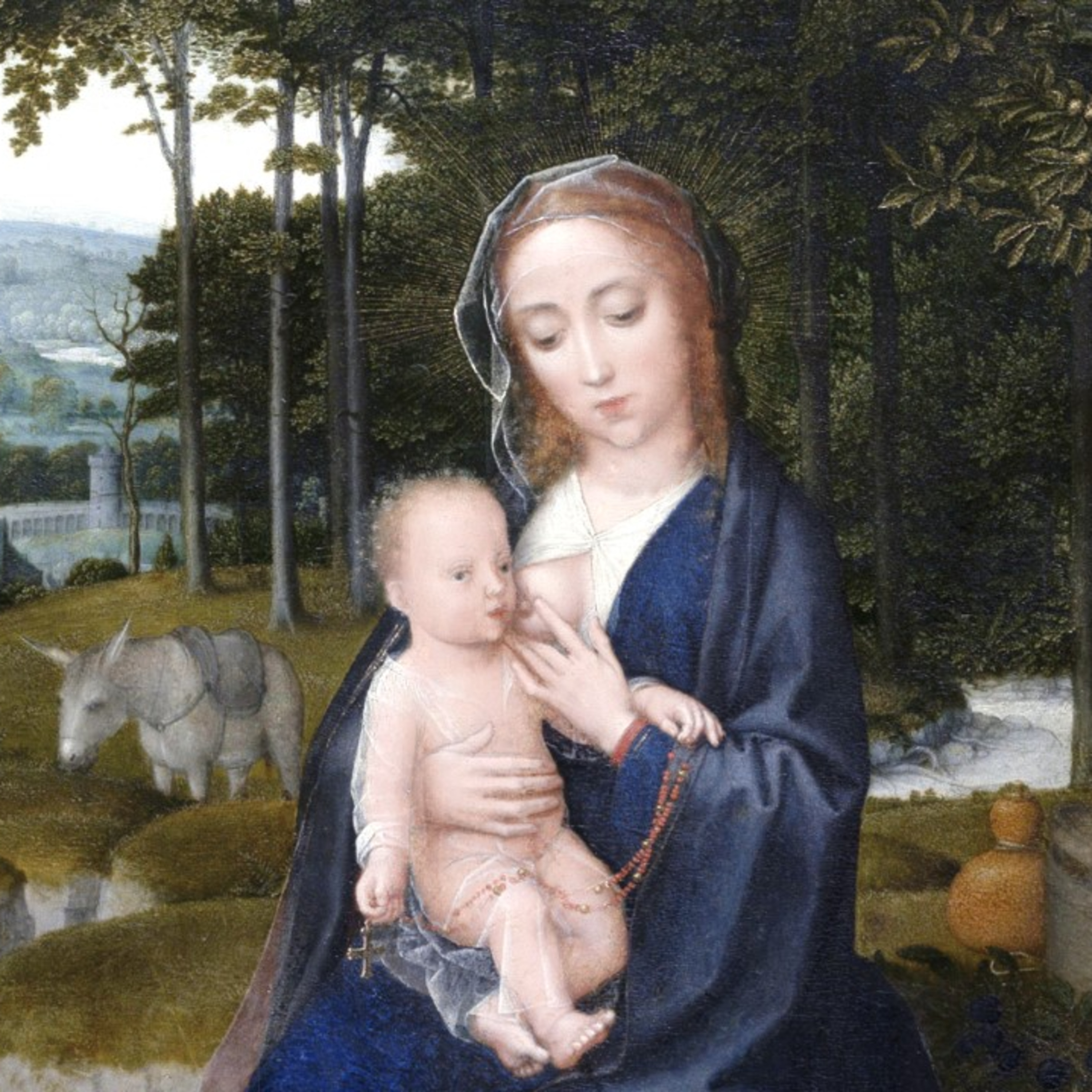
InPrincipio PodcastThe Century of Columbus by James Joseph Walsh Audiobook: Bk 1 Ch 5: Outside Italy- Part 6 of 32Chapter 5 of Book 1 of James Joseph Walsh's 'The Century of Columbus' explores some of the renowned Renaissance painters from the regions beyond Italy, from Hans Memling of Bruges, to Albrecht Dürer of Nuremberg, and many others.The Century of Columbus by James Joseph Walsh offers a comprehensive exploration of the late 15th to early 16th century, emphasizing the pivotal role of Catholic faith and culture in shaping the era’s intellectual, artistic, and exploratory achievements. Walsh, a Catholic historian, portrays the period as a golden age of Catholic civilization, highlighting figures like Christopher Columbus, whose voyages were driven by...
2025-09-1922 min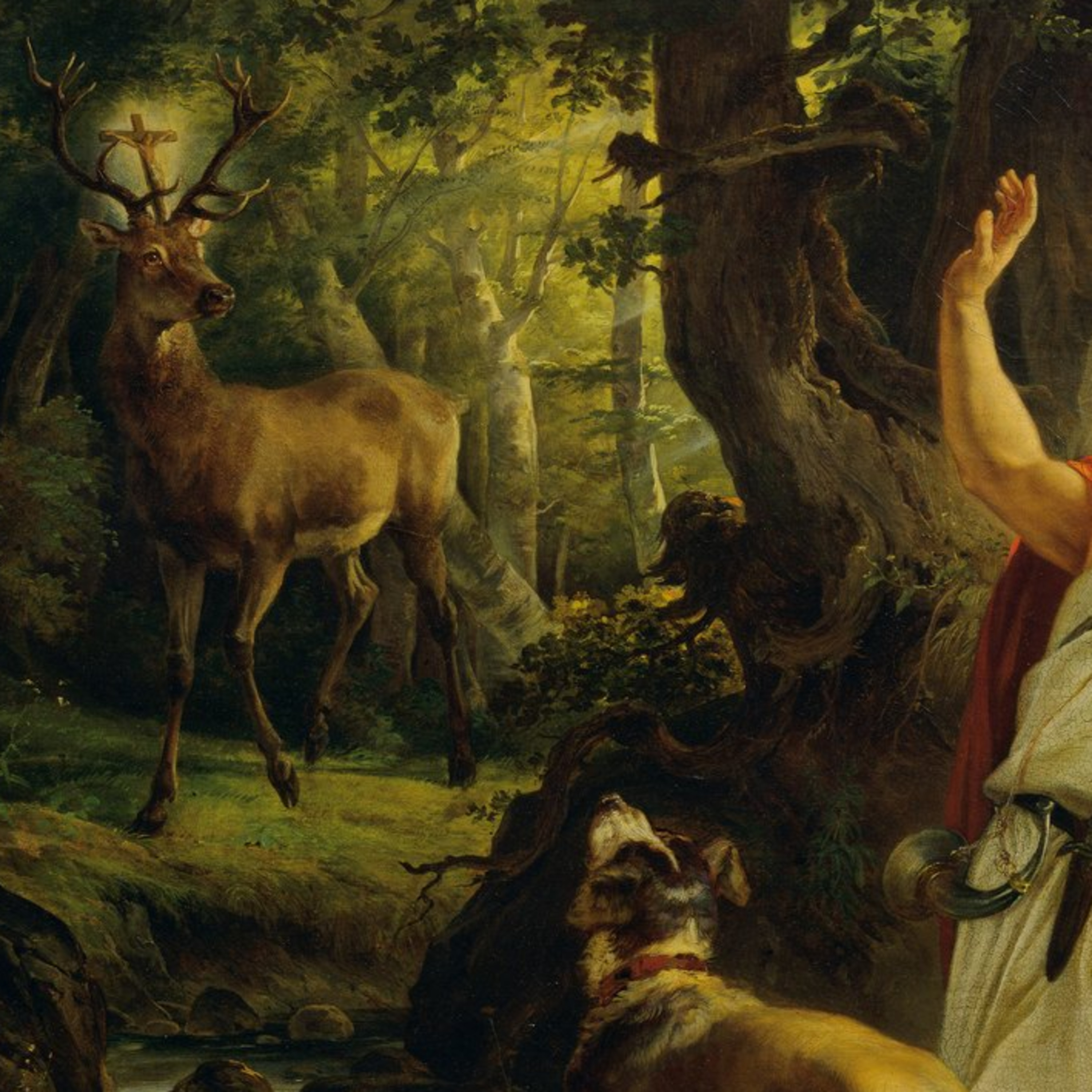
InPrincipio PodcastDom Guéranger's Liturgical Year: September 20 - St. Eustace and companionsSt. Eustace, also known as Placidus before his conversion, was a Roman general under Emperor Trajan renowned for his military skill and noble character, who, according to legend, experienced a miraculous vision of a stag bearing a radiant cross between its antlers while hunting, leading to his conversion to Christianity along with his wife and children. Despite his newfound faith, he endured great trials, including the loss of his wealth and separation from his family, but he remained steadfast in virtue and trust in God. Eventually reunited with his loved ones, he continued to serve with distinction until Emperor...
2025-09-1905 min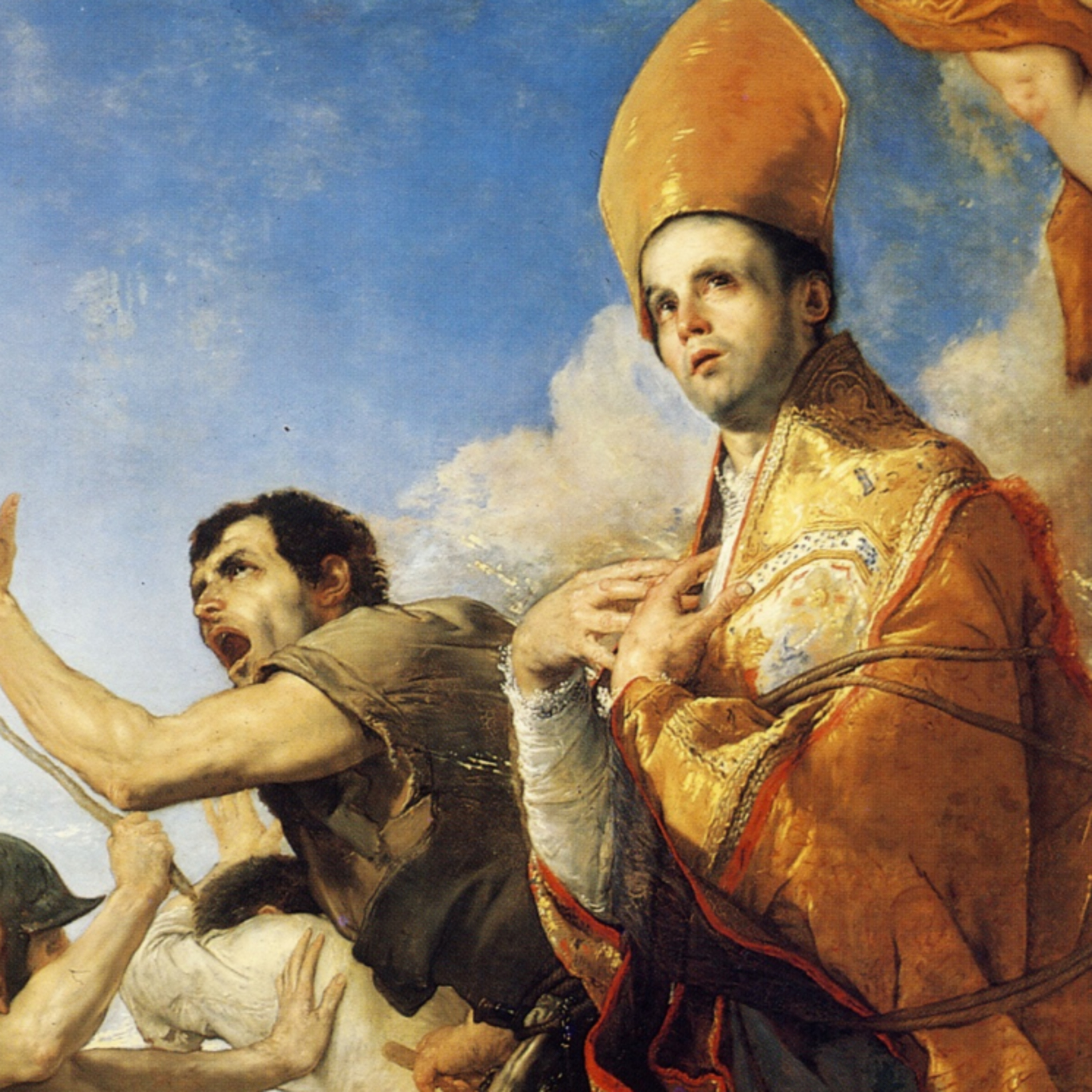
InPrincipio PodcastDom Guéranger's Liturgical Year: September 19 - St. Januarius and companionsSt. Januarius, also known as San Gennaro, was a 3rd–4th century bishop of Benevento in southern Italy, venerated as a martyr and one of the most beloved saints of Naples. According to tradition, he was arrested during the persecution of Christians under Emperor Diocletian and, after enduring imprisonment and attempted execution by wild beasts, was ultimately beheaded around 305 AD. His fame rests not only on his martyrdom but also on the miracle of the liquefaction of his blood, preserved in a vial in Naples Cathedral, which reportedly liquefies on certain feast days, seen by the faithful as a si...
2025-09-1904 min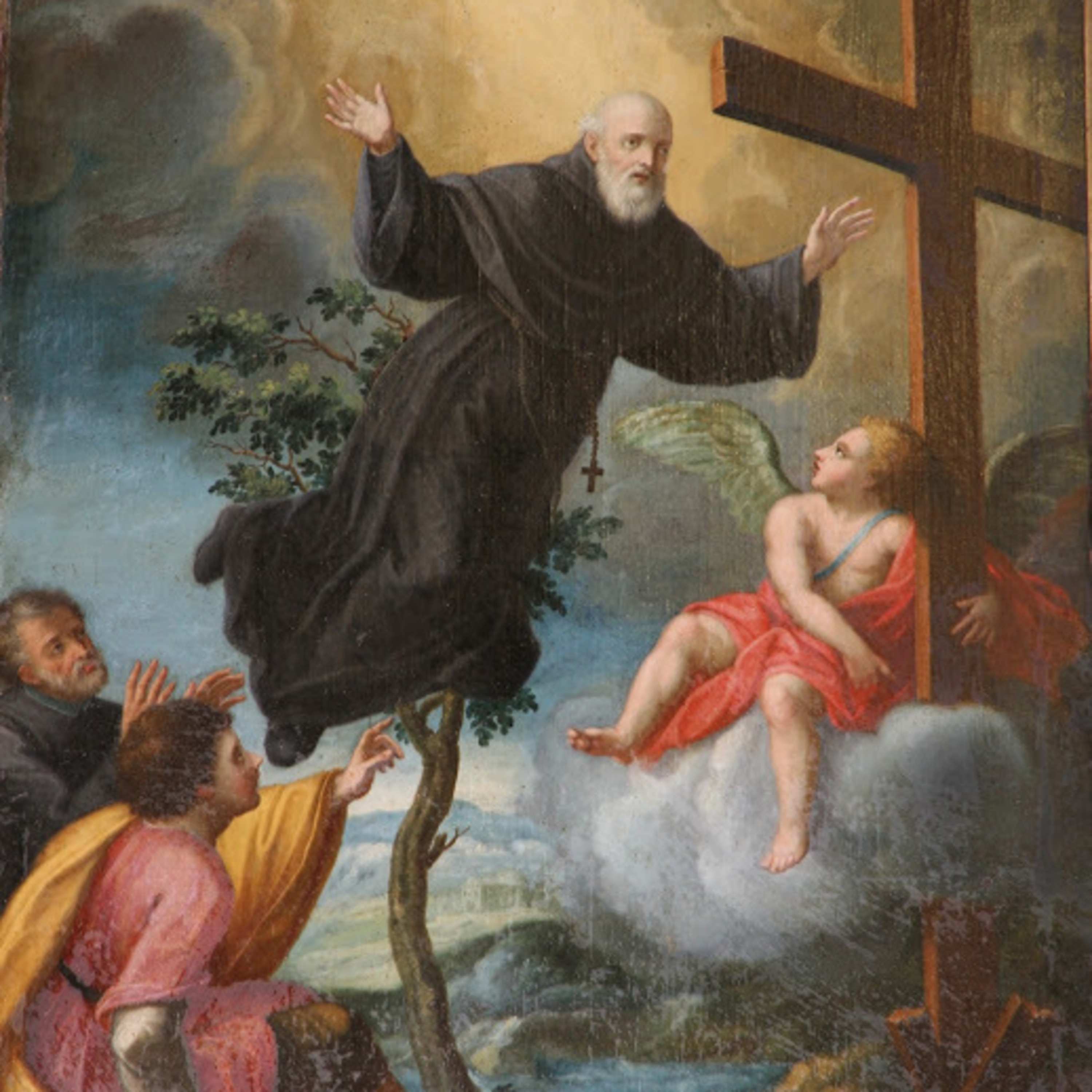
InPrincipio PodcastDom Guéranger's Liturgical Year: September 18 - St. Joseph of CupertinoSt. Joseph of Cupertino (1603–1663) was an Italian Franciscan friar renowned for his humility, simplicity, and extraordinary mystical gifts, especially the miraculous levitations that earned him the title “the Flying Saint.” Born in Cupertino, Apulia, into poverty and marked by an awkward, slow-witted youth, he was eventually accepted into the Franciscan order as a lay brother after many difficulties. Despite his limited learning, he was ordained a priest through divine providence and became known for his ecstatic visions during Mass and prayer, which often lifted him physically into the air. His unusual gifts drew both admiration and suspicion, leading Church author...
2025-09-1806 min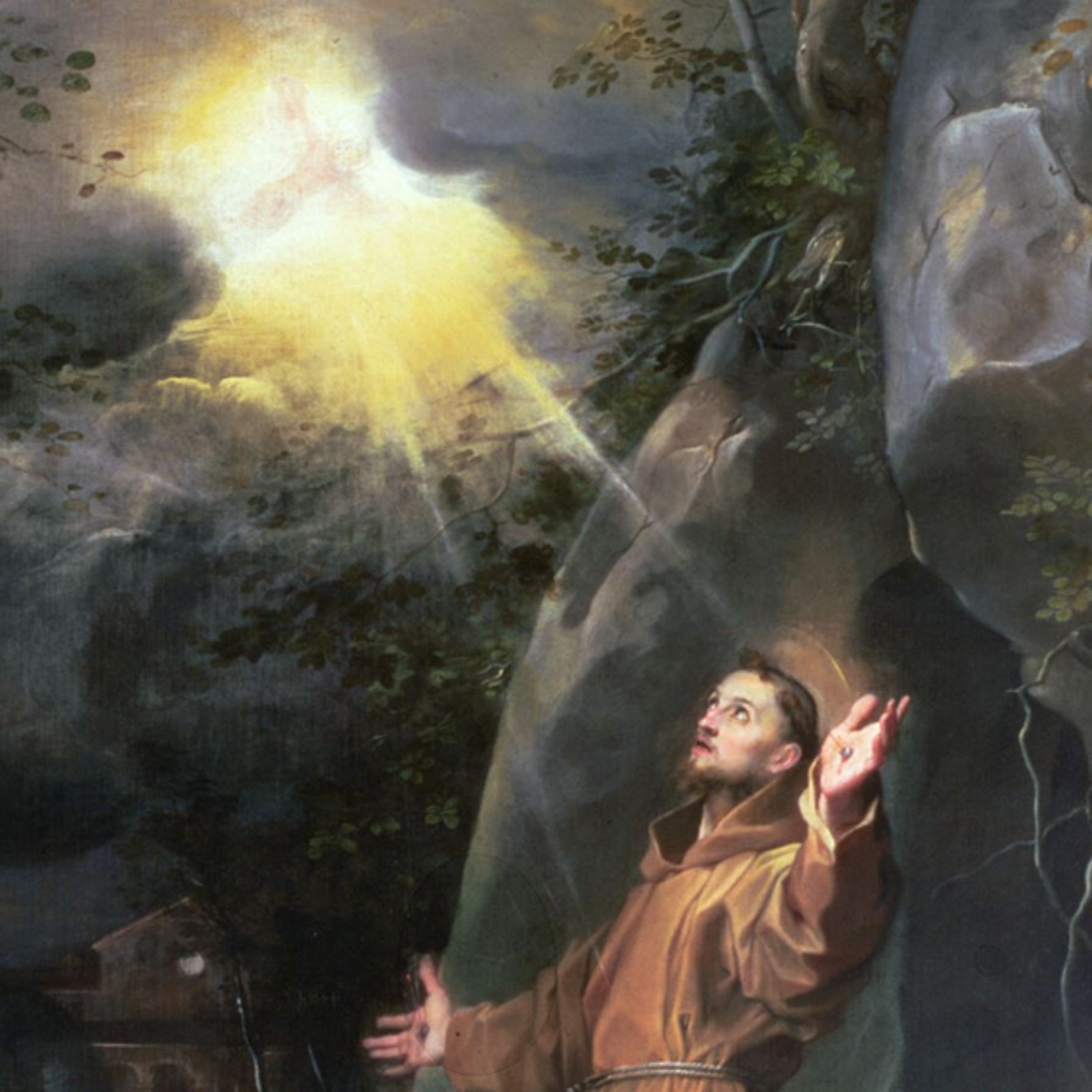
InPrincipio PodcastDom Guéranger's Liturgical Year: September 7 - The Stigmata of St. FrancisThe Feast of the Stigmata of St. Francis, observed on September 17, commemorates the miraculous event in 1224 when St. Francis of Assisi, while deep in prayer and contemplation on Mount La Verna, received in his body the sacred wounds of Christ’s Passion, becoming the first known saint to bear the stigmata. This mystical grace, bestowed two years before his death, was seen as the crowning seal of his conformity to Christ Crucified, uniting him more perfectly to the sufferings of the Savior he so ardently loved. The feast celebrates not only this extraordinary sign of divine favor but also Fr...
2025-09-1707 min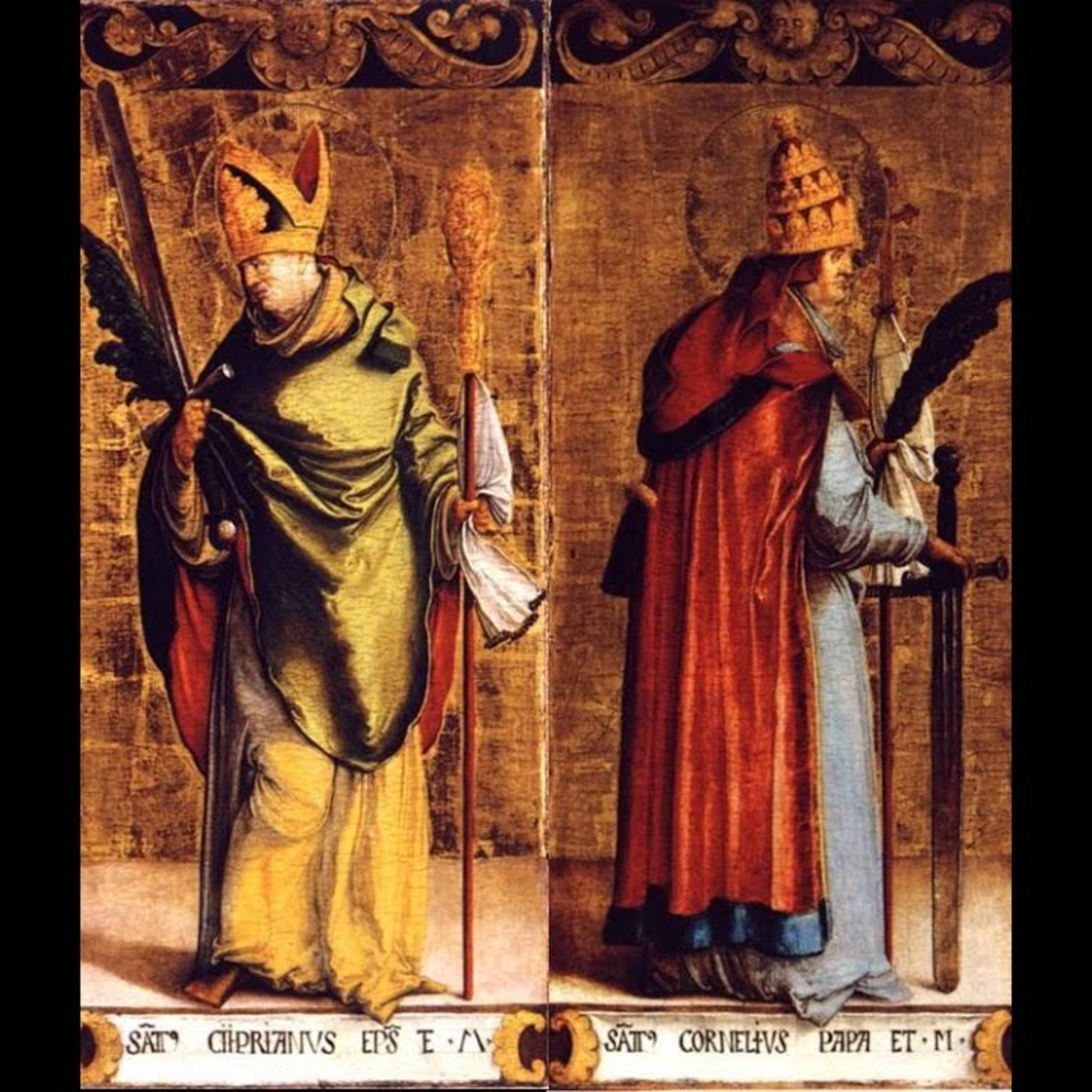
InPrincipio PodcastDom Guéranger's Liturgical Year: September 16 - St. Cornelius and St. CyprianPope St. Cornelius, who reigned from 251 to 253 during a time of intense persecution under Emperor Decius, is remembered for his steadfast leadership and pastoral charity in guiding the Church through crisis. Chosen as successor to Pope Fabian after a year-long vacancy caused by fear of persecution, Cornelius faced both external threats from Roman authorities and internal division sparked by the rigorist priest Novatian, who opposed the readmission of Christians who had lapsed during persecution. Cornelius, supported by St. Cyprian of Carthage, upheld the Church’s mercy by affirming that repentant lapsed Christians could be reconciled after proper penance. His pa...
2025-09-1513 min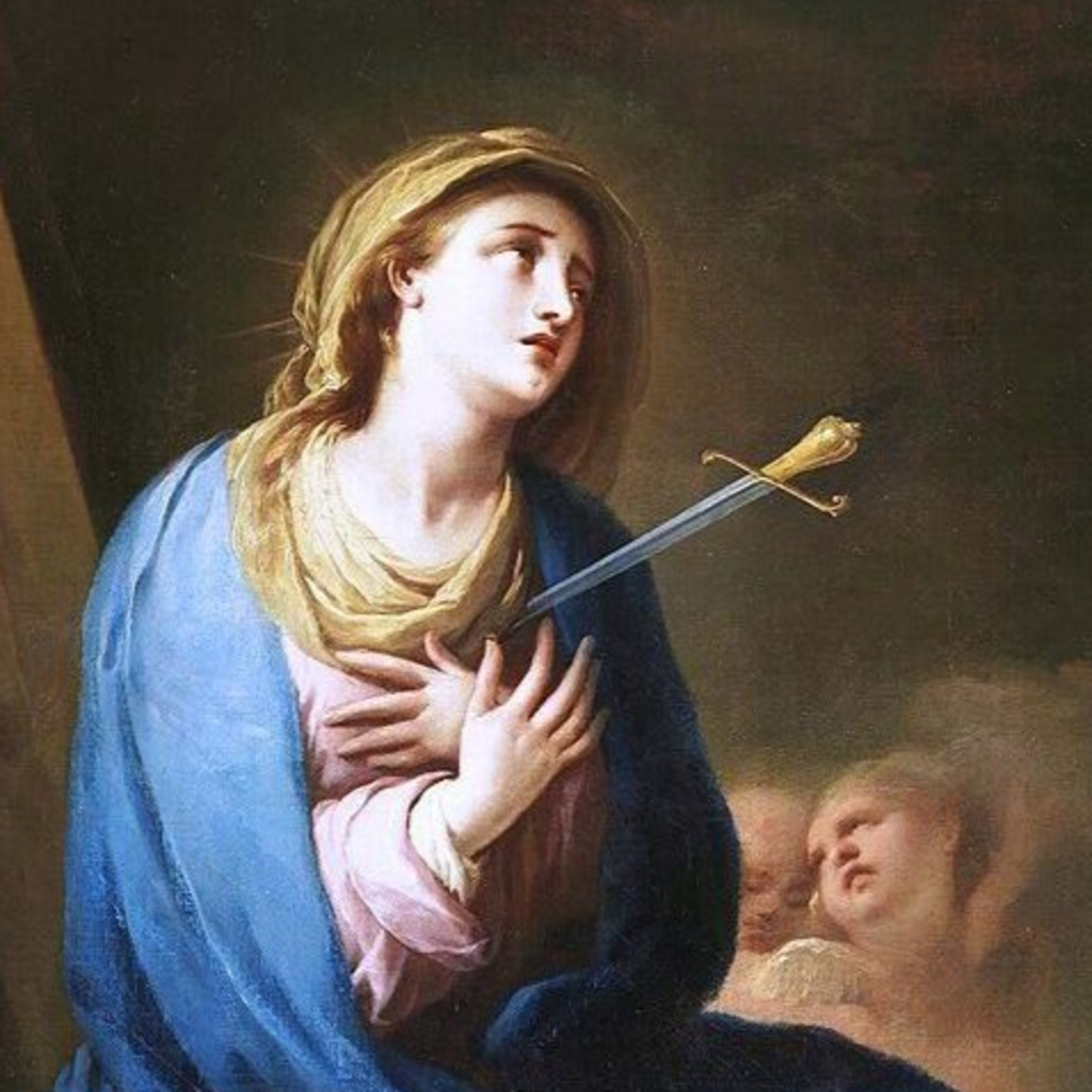
InPrincipio PodcastDom Guéranger's Liturgical Year: September 15 - The Seven Sorrows of the Blessed Virgin MaryDom Prosper Guéranger's The Liturgical Year, a monumental fifteen-volume work, offers a comprehensive exploration of the Catholic Church’s liturgical calendar, guiding readers through the spiritual and historical richness of the Church’s worship. Written in the 19th century, the series provides daily meditations, historical context, and liturgical texts for the Mass and Divine Office, covering the entire cycle of seasons—Advent, Christmas, Lent, Passiontide, Easter, and the Time after Pentecost—as well as feast days of saints. Guéranger’s work, rooted in a deep contemplative spirit, aims to immerse the faithful in the Church’s prayerful life, emphasiz...
2025-09-1509 min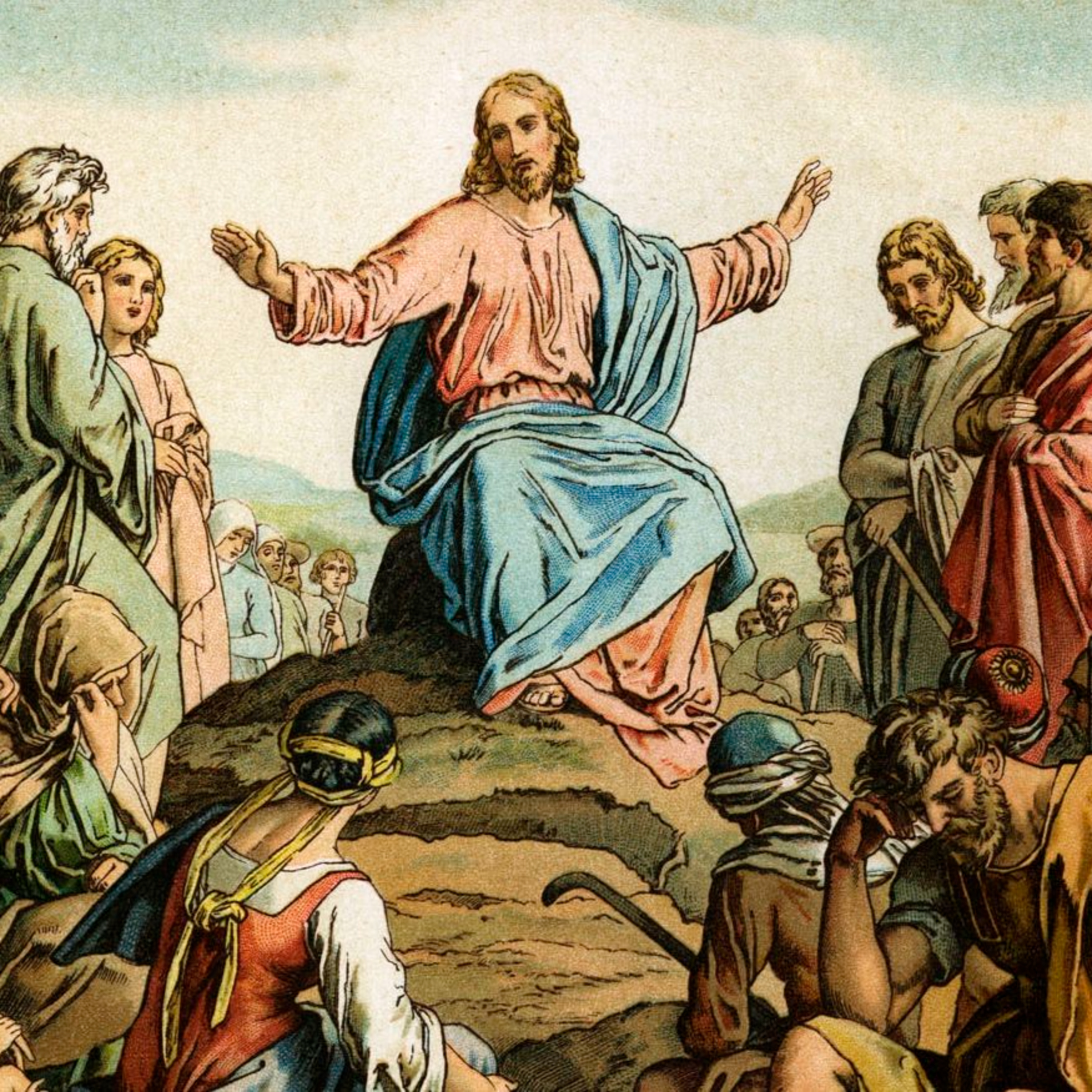
InPrincipio PodcastDom Guéranger's Liturgical Year: Fourteenth Sunday after Pentecost: God and mammonDom Prosper Guéranger's The Liturgical Year, a monumental fifteen-volume work, offers a comprehensive exploration of the Catholic Church’s liturgical calendar, guiding readers through the spiritual and historical richness of the Church’s worship. Written in the 19th century, the series provides daily meditations, historical context, and liturgical texts for the Mass and Divine Office, covering the entire cycle of seasons—Advent, Christmas, Lent, Passiontide, Easter, and the Time after Pentecost—as well as feast days of saints. Guéranger’s work, rooted in a deep contemplative spirit, aims to immerse the faithful in the Church’s prayerful life, emphasiz...
2025-09-1422 min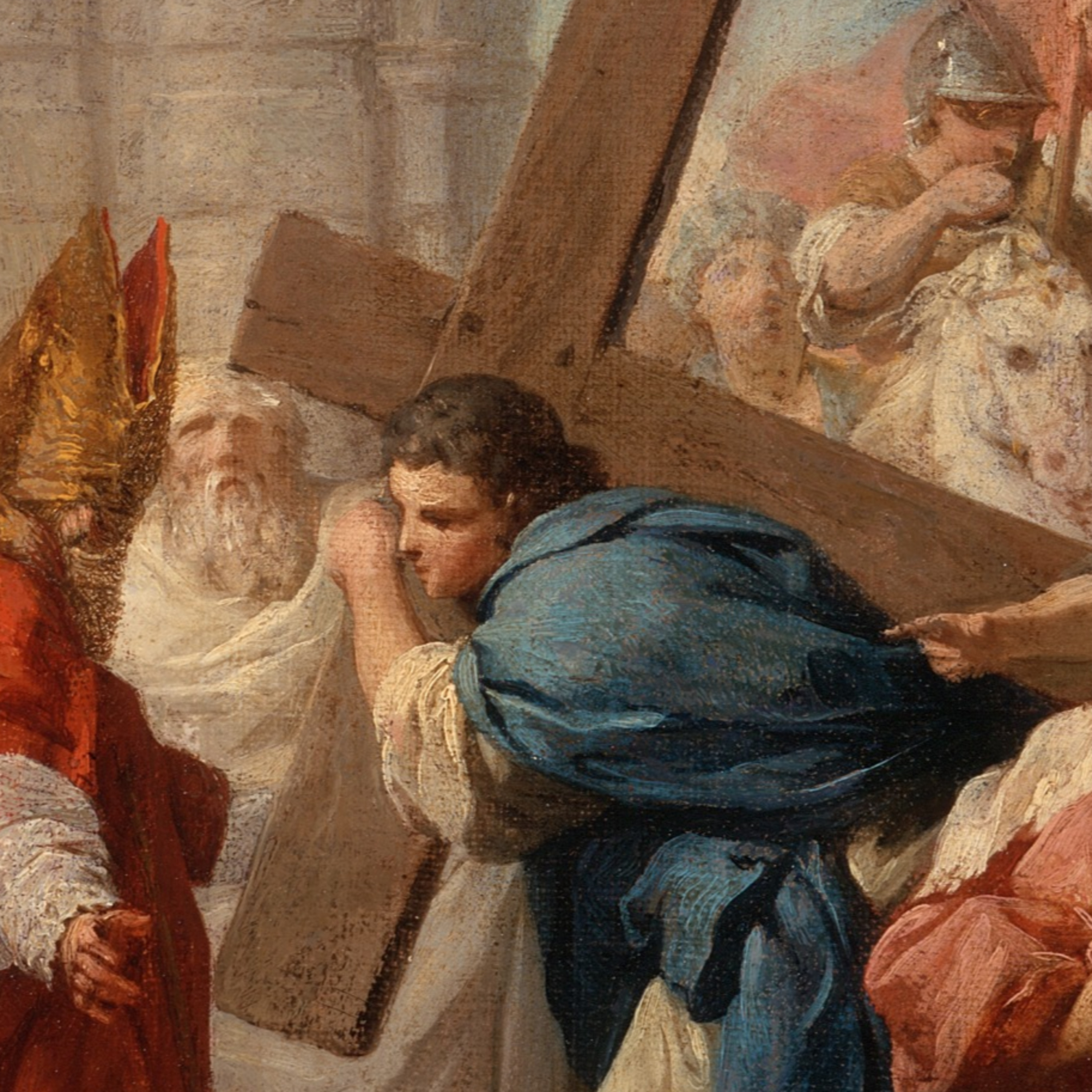
InPrincipio PodcastDom Guéranger's Liturgical Year: September 14 - Exaltation of the Holy CrossThe Feast of the Exaltation of the Holy Cross, kept on September 14, honors the sacred instrument of our Redemption, the holy wood upon which Our Lord Jesus Christ wrought the salvation of the world. It recalls the finding of the True Cross by Saint Helena, the dedication of the Basilica of the Holy Sepulchre in Jerusalem, and the triumphal return of the Cross from captivity under the Persians by Emperor Heraclius. The feast invites the faithful to adore the Cross as the sign of Christ’s victory over sin and death, to glory in its power, and to embrace it...
2025-09-1412 min
InPrincipio PodcastDom Guéranger's Liturgical Year: September 13 - Sixth Day within the Octave of the Nativity of the BVMThe Feast of the Nativity of the Blessed Virgin Mary, celebrated on September 8, honors the birth of Mary, the Mother of Jesus, who was chosen from all eternity to be the vessel of the Incarnation. Rooted in ancient tradition and first celebrated in the East by the 6th century, the feast spread to the West by the Middle Ages. It marks the dawn of salvation, for in Mary’s birth the world received the one destined to bear Christ, the Light of the world. The liturgy highlights joy, hope, and gratitude, as her nativity is seen as the beginning of...
2025-09-1304 min
InPrincipio PodcastDom Guéranger's Liturgical Year: September 12 - Most Holy Name of the Blessed Virgin MaryThe Feast of the Most Holy Name of Mary, celebrated on September 12 on the Fifth day within the Octave of the Nativity of the Virgin Mary, honors the name of the Blessed Virgin as a source of grace, protection, and devotion for Christians. Instituted in Spain in 1513 and extended to the universal Church by Pope Innocent XI in 1683 after the victory of Christian forces at the Battle of Vienna, the feast commemorates Mary’s intercession in safeguarding the faithful against danger. The liturgy highlights the reverence due to her name, which evokes her role as Mother of God, helper of...
2025-09-1204 min
InPrincipio PodcastSt. Thomas Aquinas on tyrannical government: How must Catholics respond?Excerpts from St. Thomas Aquinas' works, De Regno (On Kingship), and the Summa Theologica, examining the nature of tyrannical government, and how Catholics may licitly respond to it.
2025-09-1231 min
InPrincipio PodcastDom Guéranger's Liturgical Year: September 11 - Fourth Day within Octave of the Nativity of the BVMDom Prosper Guéranger's The Liturgical Year, a monumental fifteen-volume work, offers a comprehensive exploration of the Catholic Church’s liturgical calendar, guiding readers through the spiritual and historical richness of the Church’s worship. Written in the 19th century, the series provides daily meditations, historical context, and liturgical texts for the Mass and Divine Office, covering the entire cycle of seasons—Advent, Christmas, Lent, Passiontide, Easter, and the Time after Pentecost—as well as feast days of saints. Guéranger’s work, rooted in a deep contemplative spirit, aims to immerse the faithful in the Church’s prayerful life, emphasiz...
2025-09-1104 min
InPrincipio PodcastDom Guéranger's Liturgical Year: September 10 - St. Nicholas of TolentinoSaint Nicholas of Tolentino (1245–1305) was an Italian Augustinian friar known for his piety, charity, and miracles. Born in Sant'Angelo in Pontano, he joined the Augustinian Order at a young age, dedicating his life to prayer, fasting, and serving the poor and sick. Renowned for his compassion, he ministered to prisoners and the marginalized, earning the title "Patron of Holy Souls" for his devotion to praying for souls in purgatory. His life was marked by numerous miracles, including healings and visions, which continued after his death, leading to his canonization in 1446 by Pope Eugene IV. Celebrated on September 10, he is a...
2025-09-1004 min
InPrincipio PodcastThe Century of Columbus by James Joseph Walsh Audiobook: Bk 1 Ch 4: Part 5 of 32Chapter 4 of Book I of the Century of Columbus examines secondary master painters of the Italian Renaissance, including Fra Angelico, Titian, Botticelli, and others. The Century of Columbus by James Joseph Walsh offers a comprehensive exploration of the late 15th to early 16th century, emphasizing the pivotal role of Catholic faith and culture in shaping the era’s intellectual, artistic, and exploratory achievements. Walsh, a Catholic historian, portrays the period as a golden age of Catholic civilization, highlighting figures like Christopher Columbus, whose voyages were driven by a missionary zeal to spread Christianity alongside discovery. The book celebrates the Ch...
2025-09-0940 min
InPrincipio PodcastDom Guéranger's Liturgical Year: September 9 - Within the Octave of the Nativity of the BVMSaint Gorgonius of Rome, an early Christian martyr, lived during the late 3rd to early 4th century under the Roman Empire. Little is known about his early life, but he is believed to have been a devoted Christian who actively participated in Rome’s underground Christian community during a time of intense persecution under Emperor Diocletian. Gorgonius was likely arrested for openly professing his faith and refusing to renounce Christianity, enduring torture before his martyrdom, traditionally dated around 304 AD. He was buried in the cemetery known as "Inter duas lauros" (between the two laurel trees) on the Via Labicana in...
2025-09-0907 min
InPrincipio PodcastDom Guéranger's Liturgical Year: September 8 - The Nativity of the Blessed Virgin MaryDom Prosper Guéranger's The Liturgical Year, a monumental fifteen-volume work, offers a comprehensive exploration of the Catholic Church’s liturgical calendar, guiding readers through the spiritual and historical richness of the Church’s worship. Written in the 19th century, the series provides daily meditations, historical context, and liturgical texts for the Mass and Divine Office, covering the entire cycle of seasons—Advent, Christmas, Lent, Passiontide, Easter, and the Time after Pentecost—as well as feast days of saints. Guéranger’s work, rooted in a deep contemplative spirit, aims to immerse the faithful in the Church’s prayerful life, emphasiz...
2025-09-0916 min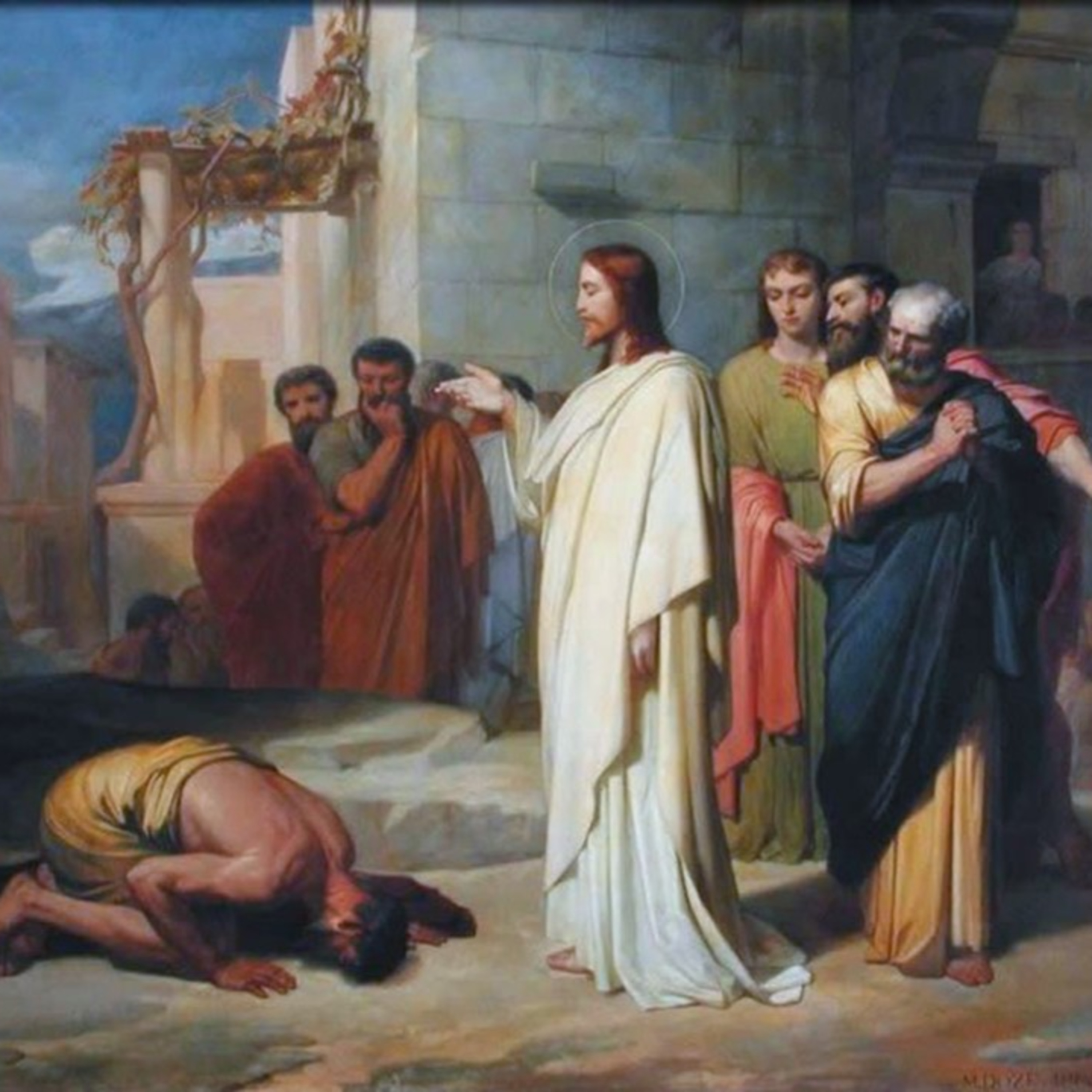
InPrincipio PodcastDom Guéranger's Liturgical Year: Thirteenth Sunday after Pentecost - The Ten LepersDom Prosper Guéranger's The Liturgical Year, a monumental fifteen-volume work, offers a comprehensive exploration of the Catholic Church’s liturgical calendar, guiding readers through the spiritual and historical richness of the Church’s worship. Written in the 19th century, the series provides daily meditations, historical context, and liturgical texts for the Mass and Divine Office, covering the entire cycle of seasons—Advent, Christmas, Lent, Passiontide, Easter, and the Time after Pentecost—as well as feast days of saints. Guéranger’s work, rooted in a deep contemplative spirit, aims to immerse the faithful in the Church’s prayerful life, emphasiz...
2025-09-0727 min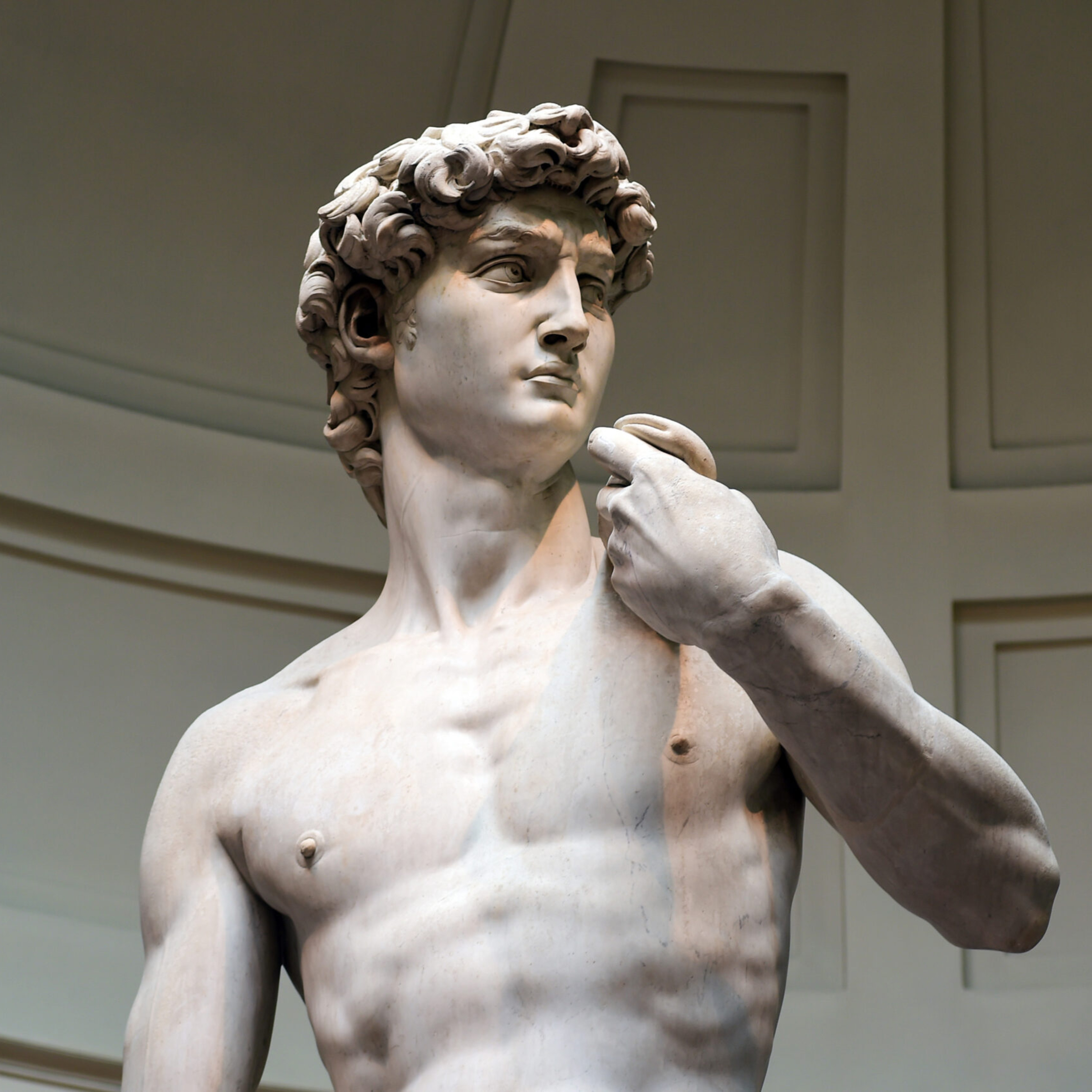
InPrincipio PodcastThe Century of Columbus by James Joseph Walsh Audiobook: Bk 1 Ch 3: Michelangelo - Part 4 of 32The Century of Columbus by James Joseph Walsh offers a comprehensive exploration of the late 15th to early 16th century, emphasizing the pivotal role of Catholic faith and culture in shaping the era’s intellectual, artistic, and exploratory achievements. Walsh, a Catholic historian, portrays the period as a golden age of Catholic civilization, highlighting figures like Christopher Columbus, whose voyages were driven by a missionary zeal to spread Christianity alongside discovery. The book celebrates the Church’s influence on the Renaissance, with its patronage of arts and sciences, and defends the Catholic worldview against secular critiques, presenting the period as a...
2025-09-0650 min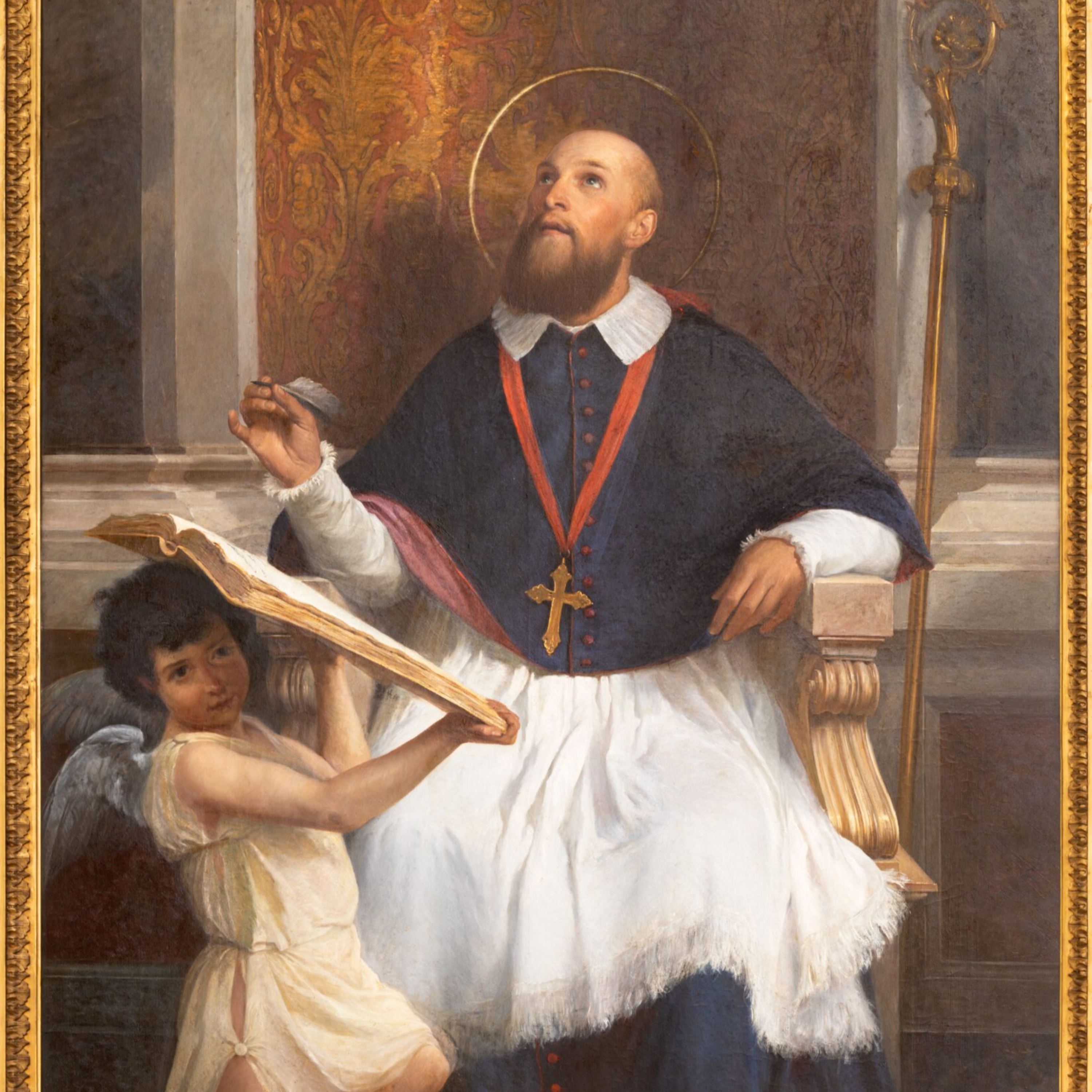
InPrincipio PodcastSt. Francis de Sales on Humility: a selection from 'An Introduction to the Devout Life'Introduction to the Devout Life (1609) by Saint Francis de Sales is a practical spiritual guide written for laypeople seeking holiness in everyday life, showing that true devotion is not confined to monks or clergy but is attainable for all, regardless of vocation or status. Presented as a series of letters to a young woman under the pseudonym “Philothea,” the work offers step-by-step counsel on prayer, meditation, virtues, resisting temptation, confession, the Eucharist, and cultivating a life of charity. Francis emphasizes that devotion must be genuine, humble, and adapted to one’s state in life—whether married, working, or in public a...
2025-09-0531 min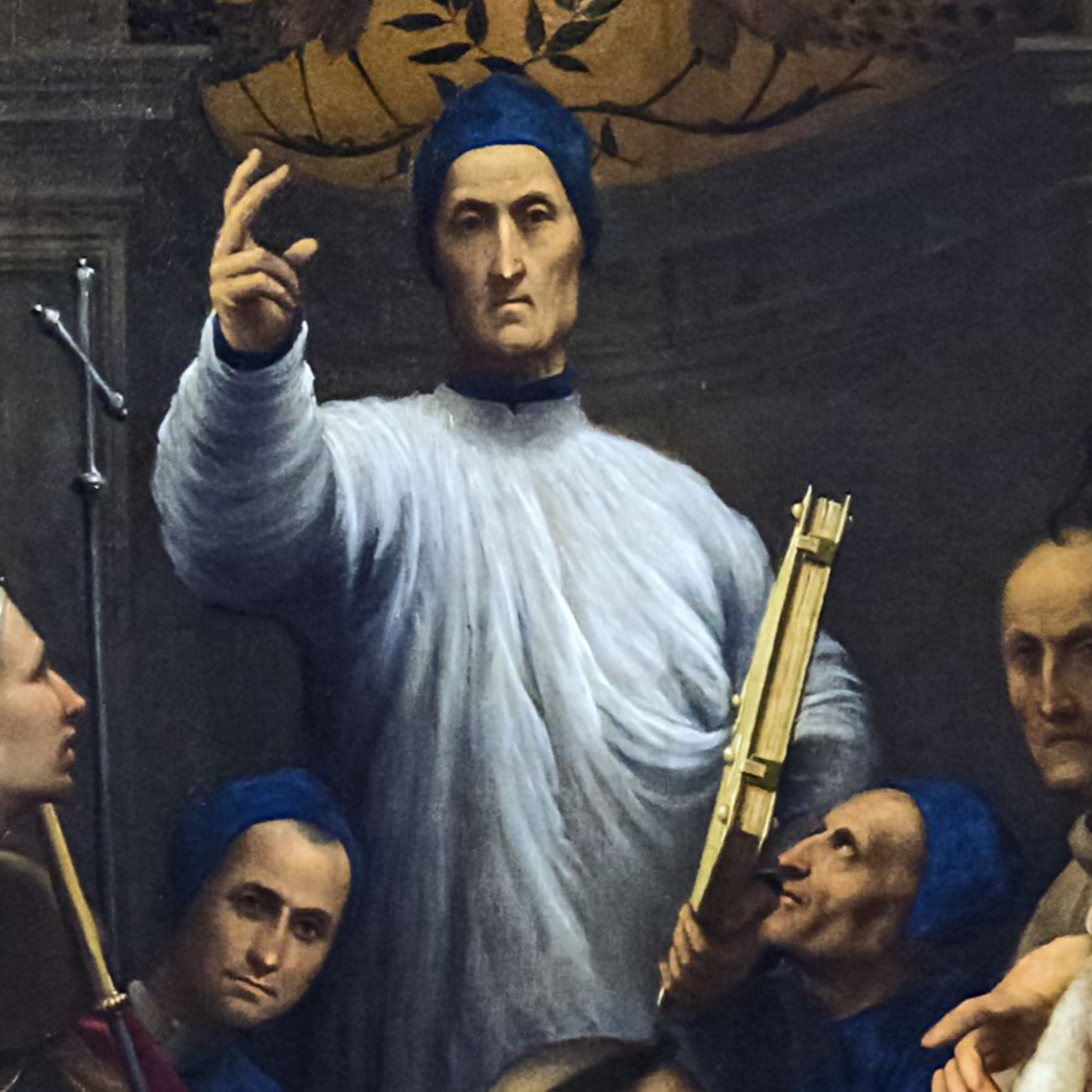
InPrincipio PodcastDom Guéranger's Liturgical Year: September 5 - St. Lawrence Justinian, First Patriarch of VeniceSaint Lawrence Giustiniani (1381–1456) was a Venetian nobleman who, moved by a deep desire for holiness, renounced wealth and honors to enter religious life as one of the Canons Regular of San Giorgio in Alga. Known for his humility, austerity, and mystical spirituality, he quickly gained a reputation for wisdom and sanctity, eventually being chosen prior general of his community. In 1433 he was consecrated bishop of Castello, where he worked tirelessly to reform clergy, renew liturgical life, and care for the poor and sick. When Venice united Castello with its patriarchate in 1451, he became the first Patriarch of Venice, a ro...
2025-09-0409 min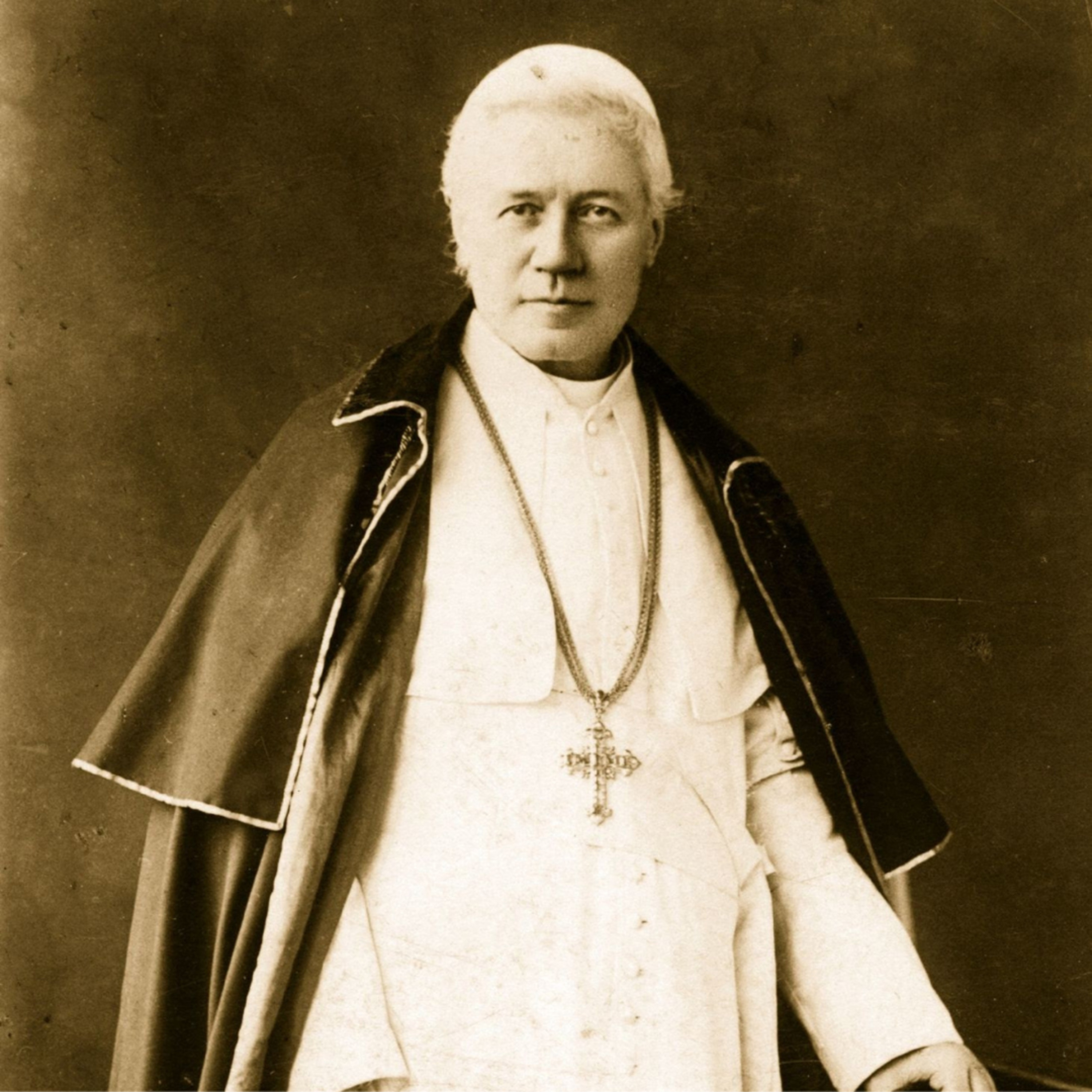
InPrincipio PodcastFirst Encyclical of Pope St. Pius X: E Supremi - the Restoration of All Things in Christ - 1903Pope St. Pius X’s first encyclical, E Supremi Apostolatus (1903), sets forth the program of his pontificate with the motto Instaurare omnia in Christo—“to restore all things in Christ.” Writing at a time of widespread secularism, political upheaval, and moral decline, he laments the grave evils afflicting society, especially the rejection of God and the spread of error undermining faith and morals. He warns of false philosophies and revolutionary movements seeking to uproot Christian civilization, stressing that peace and renewal can only come through Christ and His Church. Pius X exhorts bishops, clergy, and the faithful to greater holiness...
2025-09-0328 min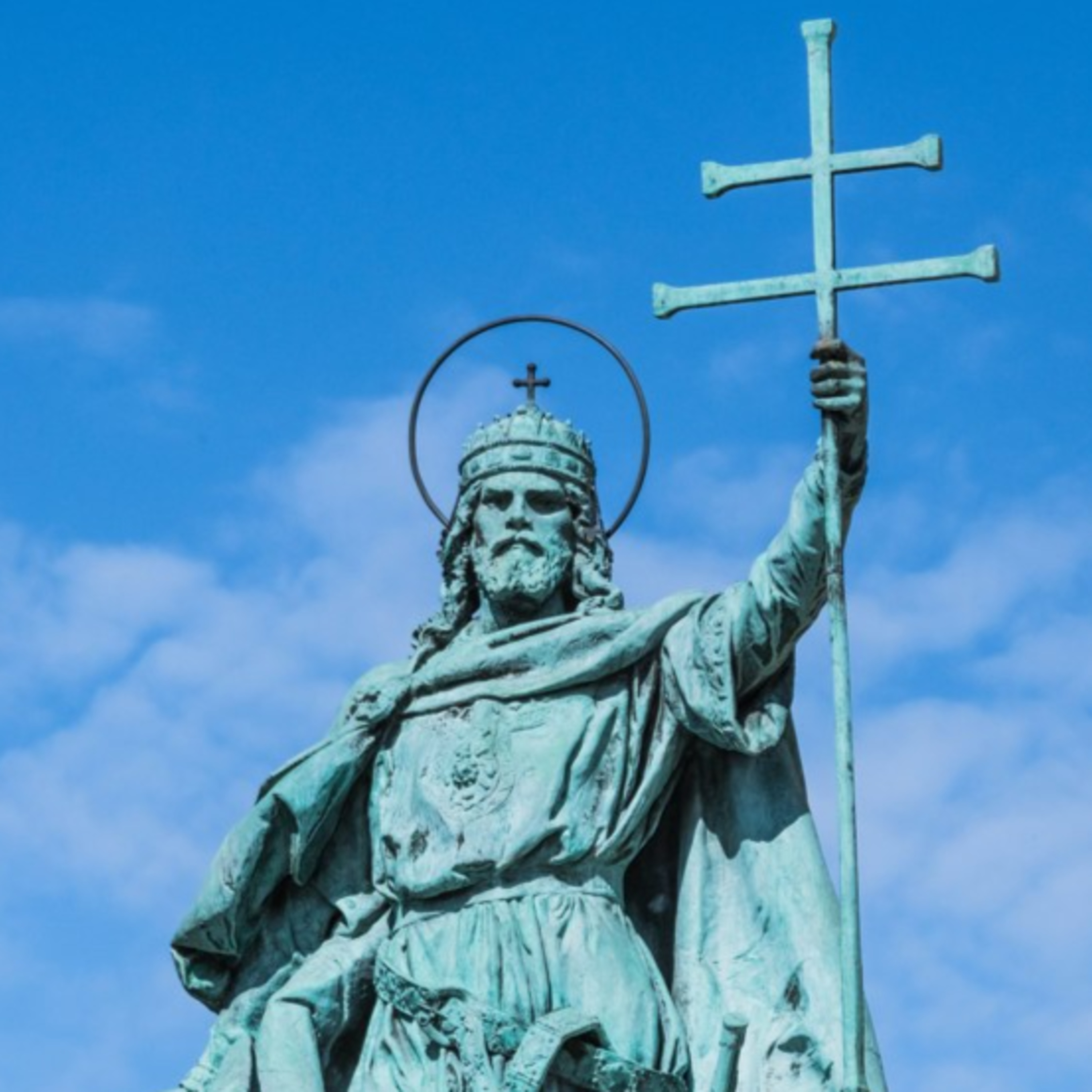
InPrincipio PodcastDom Guéranger's Liturgical Year: September 2 - St. Stephen, King of HungarySaint Stephen I of Hungary (c. 975–1038) was the first king of Hungary and is revered for founding the Catholic Hungarian state. Born as Vajk, he converted to Christianity under the influence of Western missionaries and was crowned king around the year 1000, establishing Hungary as a Catholic kingdom recognized by the Pope. Stephen centralized royal authority, organized a network of dioceses and churches, and enacted laws to strengthen Christian morals and royal governance. His reign marked the integration of Hungary into the broader European Christian world, promoting both political stability and cultural development. Canonized in 1083, Saint Stephen is celebrated as a...
2025-09-0209 min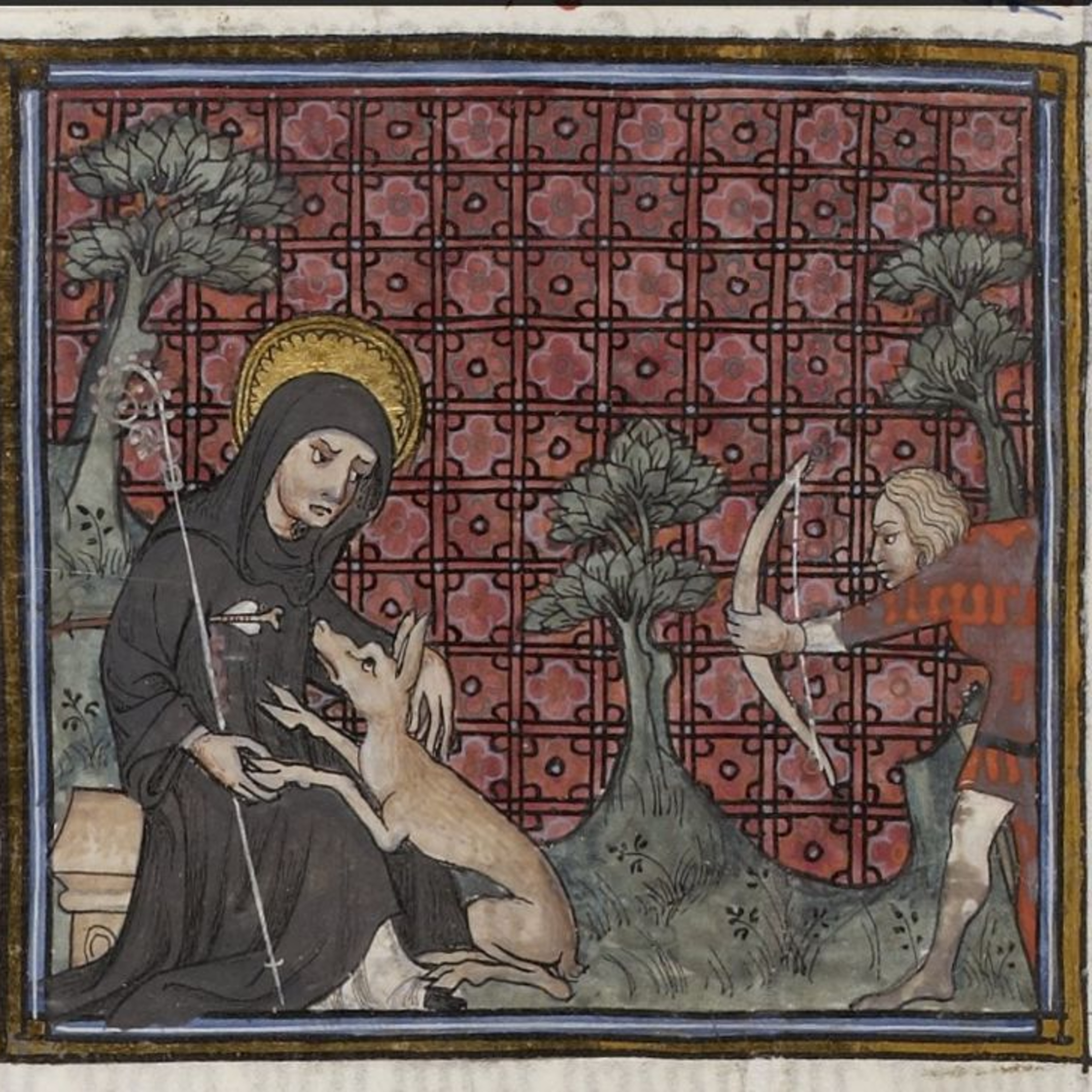
InPrincipio PodcastDom Guéranger's Liturgical Year: September 1 - St. Giles, AbbotSaint Giles, known in Latin as Aegidius, was a holy confessor of Christ who shone in sanctity during the 7th century. Born in Athens of noble and wealthy parents, he despised the riches of the world for the love of Christ and gave his inheritance to the poor. Journeying to Gaul, he embraced the eremitical life in a deep forest near Nîmes, where, sustained by the milk of a gentle hind sent by God, he devoted himself entirely to prayer and penance. When hunters of the local king discovered him, an arrow intended for the deer wounded the s...
2025-09-0207 min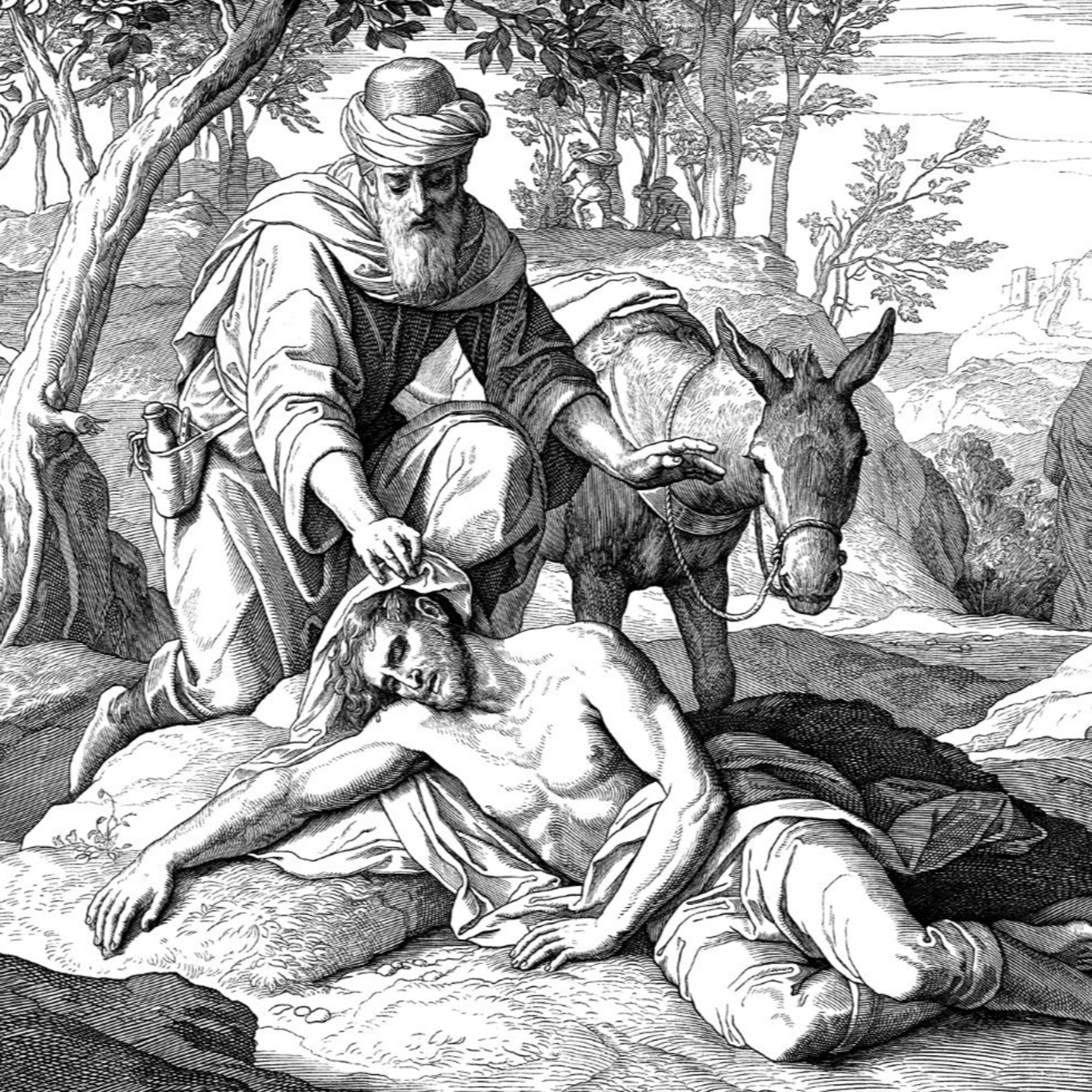
InPrincipio PodcastDom Guéranger's Liturgical Year: August 31 - Twelfth Sunday after Pentecost: the Good SamaritanIn the Parable of the Good Samaritan (Luke 10:25–37), Christ tells of a man who, after being beaten and left for dead on the roadside, is ignored by a priest and a Levite but mercifully aided by a Samaritan—someone despised by the Jews—who tends his wounds and provides for his recovery. In Catholic teaching, this parable exemplifies the universal call to charity, showing that true love of neighbor transcends ethnic, religious, or social boundaries. The Fathers often interpreted the Samaritan as a figure of Christ, who heals fallen humanity (the wounded man) through the sacraments and brings him into t...
2025-08-3124 min