Shows

Tao Te Ching - Dao De JingYang Chu's Garden of Pleasure-LieziYang Chu's Garden of Pleasure-Liezi invites listeners into a profound exploration of hedonism and the pursuit of pleasure, reflecting on the nature of happiness and the human experience. This timeless work delves into the philosophical underpinnings of enjoyment, emphasizing the importance of personal fulfillment and the embrace of life's joys. Its themes resonate deeply in today's fast-paced world, where the quest for genuine satisfaction often feels elusive. By engaging with Yang Chu's insights, listeners can reconnect with the fundamental truths about desire and contentment, making this audiobook a compelling reminder of the enduring relevance of ancient wisdom in modern life.
2026-11-251h 36
Expression proverbiale chinoiseYu Gong déplace les montagnesCette histoire apparaît dans le Liezi, un ancien ouvrage philosophique chinois de l'époque des Royaumes combattants. Aujourd’hui, l’expression « Yu Gong déplace les montagnes » symbolise la persévérance et la détermination face à une tâche qui semble impossible.
2026-11-1901 min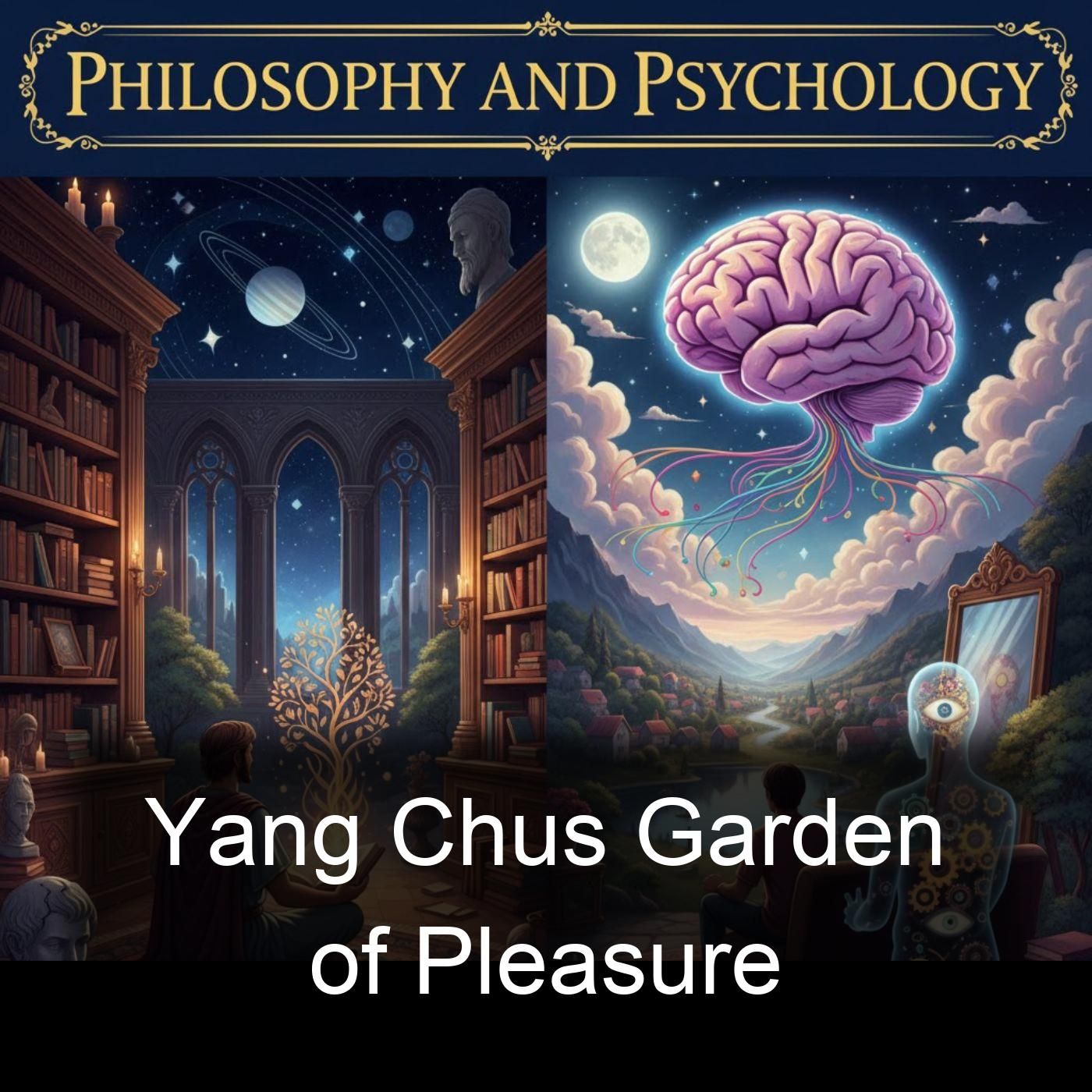
Yang Chus Garden of PleasureBotanic Garden, a Poem in Two Parts. - Erasmus DarwinBotanic Garden, a Poem in Two Parts. - Erasmus Darwin.This episode includes AI-generated content.
2026-11-145h 50
Let's speak Magick by Nexus ArcanumS07 E11 - L'ARTE DI STARE AL MONDO: corpo, mente e spirito fra spiritualità, natura e società | con Gianmarco Geti☯️ Il prossimo seminario di Gianmarco Geti, dedicato proprio all'argomento in questo episodio, si terrà a Pinerolo presso BlablaYoga il 13 Dicembre 2026 dalle 09:30 alle 18:00.Per informazioni: +353 4542551 (Gianmarco)_____Che cosa significa vivere in armonia con il mondo?In molte tradizioni spirituali, l'armonia con il Cosmo è un principio o una meta fondamentali. Riteniamo che per sperimentarla davvero si debba andare oltre i facili slogan sul “riconnettersi alla natura”.Armonizzarsi significa solo che si è obbligati ad accettare con passiva rassegnazione tutto ciò che accade? Seguire un ordine prestabilito? Rinunciare alla propria individualità per sentirsi parte di qualcosa d...
2026-11-141h 39
Schlafreise Mythen & LegendenPenglai – Die Insel der Unsterblichen im OstmeerAm Horizont des Golfs von Bohai sollen drei Berginseln schweben, auf denen Unsterbliche leben und das Kraut des ewigen Lebens wächst: Penglai, Fangzhang und Yingzhou. In dieser Folge erzählen wir, wie diese Vorstellung entstand. Wir folgen dem Weg von den schwimmenden Bergen und den Riesenschildkröten im Buch Liezi zum ersten Kaiser Chinas, Qin Shihuang, der im Jahr 219 v. Chr. den Hofmagier Xu Fu mit mehreren tausend Jungen und Mädchen aufs Meer schickte. Wir sehen, wie Kaiser Wu die Inseln in seinen Garten holte und damit ein Gestaltungsprinzip schuf, das bis nach Japan wirkt, wo die Inse...
2026-10-3023 min
Classic Educational Book CollectionYang Chu's Garden of Pleasure-LieziYang Chu's Garden of Pleasure-Liezi invites listeners into a profound exploration of pleasure and the human experience, as articulated through the philosophical lens of Yang Chu. This classic work delves into the importance of individual happiness and the pursuit of a life well-lived, emphasizing themes that resonate deeply with contemporary audiences seeking meaning in a complex world. The timeless wisdom found in this text encourages a reflection on our values and priorities, making it a relevant choice for anyone interested in understanding the balance between personal fulfillment and societal expectations. Engaging with this audiobook offers a chance to reflect on...
2026-10-241h 36
Sacred Texts ArchiveYang Chu's Garden of Pleasure-LieziYang Chu's Garden of Pleasure-Liezi invites listeners into a profound exploration of pleasure and the human experience through the lens of ancient wisdom. This work delves into themes of enjoyment, self-fulfillment, and the philosophical inquiries surrounding life's fleeting nature. The insights offered in this text resonate with the timeless quest for happiness and balance, making it a relevant and enriching listen for those navigating the complexities of modern life. Its enduring appeal lies in its ability to provoke thought and reflection on what it truly means to live well, encouraging a deeper understanding of our desires and the pursuit of...
2026-10-211h 36
The KybalionYang Chu's Garden of Pleasure-LieziYang Chu's Garden of Pleasure-Liezi invites listeners into a profound exploration of pleasure and the human experience through the lens of ancient wisdom. This thought-provoking work delves into the philosophical underpinnings of joy, contentment, and the pursuit of a fulfilling life, themes that resonate deeply even in today's fast-paced world. By reflecting on the nature of existence and the importance of personal happiness, it encourages a mindful approach to life that remains relevant across generations. Engaging and insightful, this audiobook offers timeless lessons that challenge conventional views and inspire a deeper appreciation for the pleasures that life has to offer.
2026-10-171h 36
Ellie姐姐讲故事龙伯钓鳌 - 儿童神话故事"龙伯钓鳌"出自《列子·汤问》,这本书托名战国时的列子,今天看到的本子一般认为是魏晋时整理的,距今一千六七百年。古书里,天帝因为这件事发怒,让龙伯国的巨人一代比一代矮,但到了伏羲、神农的时候还有几十丈高;本集写成"直到和一般人一样高",也把"天帝"按本季的习惯叫作玉皇大帝。原文里巨人钓走大鳌后拿鳌骨占卜,本集没有讲;巨人不知道大鳌在顶山,是本集的讲法,原文没有说他的心思。河水天天往大海里流,大海为什么不会满?古人想出了一个答案:大海的东边有一个没有底的大坑,叫归墟。归墟上面漂着五座仙山,神仙们住在上面——可是山没有根,跟着海浪漂来漂去,床晃,茶洒,连隔壁的朋友都找不到。玉皇大帝派来十五只大鳌,三只顶一座山,六万年换一次班,山总算不晃了。谁知道,远方龙伯国的一个巨人扛着钓鱼竿来了,"嗖"的一声把鱼线甩进了海里……你猜,他钓上来的是什么?用温暖的声音和慢慢的节奏,陪 4-10 岁的小朋友听中国神话故事。适合睡前、旅途中和亲子时间收听,也欢迎所有正在学中文的大朋友一起来听哦!龍伯釣鰲。兒童睡前故事、兒童故事、中國神話、親子中文、中文學習、海外華人。---"The Giant Who Fished for Turtles" (龙伯钓鳌, lóng bó diào áo) comes from Liezi, a Chinese book from about 1,600 years ago. In the old book, the sky god is angry and makes the giants shorter and shorter, but they are still huge. In our telling, they shrink until they are as tall as you and me. We also leave out one part: the giant uses the turtle bones to tell the future.Rivers flow into the sea every day. So why does the sea never fill up? Long ago, people had an answer: far to the east, there is a bottomless pit called Guixu. Five magic mountains float on top of it, and immortals live there. But the mountains have no roots! They drift with the waves — beds rock, tea spills, and nobody can find their neighbor. So the Jade Emperor sends fifteen giant turtles to hold the mountains up. Then one day, a giant from a faraway land comes by with his fishing rod... What do you think he pulls out of the sea?A warm voice and a gentle pace, bringing classic Chinese myths and legends to little ones ages 4-10 — perfect for bedtime, travel, and family time. Chinese learners big and small are very welcome to tune in too!
2026-10-1310 min
Tao Teh KingYang Chu's Garden of Pleasure-LieziYang Chu's Garden of Pleasure-Liezi invites listeners into a profound exploration of pleasure and the human experience, as articulated through the lens of ancient wisdom. This work delves into the philosophy of enjoying life’s simple joys while reflecting on the transient nature of existence. Its themes of self-cultivation and the pursuit of happiness resonate deeply in today's fast-paced world, reminding us of the importance of mindfulness and personal fulfillment. The timeless insights offered in this audiobook encourage a return to the essentials of living well, making it a valuable listen for anyone seeking balance and meaning in their lives. Em...
2026-10-101h 36
Philosophy InsightsYang Chu's Garden of Pleasure-LieziYang Chu's Garden of Pleasure-Liezi invites listeners into a profound exploration of pleasure and the human experience through the lens of ancient philosophy. This work delves into the timeless themes of desire, fulfillment, and the pursuit of happiness, offering insights that resonate deeply in today's fast-paced world. As listeners reflect on their own lives and choices, they will find that the quest for genuine pleasure and understanding remains relevant. The enduring wisdom of Yang Chu encourages a thoughtful examination of what it means to live fully, making this audiobook a compelling journey for anyone seeking deeper philosophical insights.
2026-10-101h 36
Philosophy Book CollectionYang Chu's Garden of Pleasure-LieziYang Chu's Garden of Pleasure-Liezi invites listeners into a profound exploration of philosophical thought, emphasizing the pursuit of pleasure and the nature of existence. This work delves into themes of individualism and the importance of personal fulfillment, resonating with contemporary audiences who seek meaning in a fast-paced world. Its timeless insights challenge conventional views on happiness and satisfaction, encouraging a deeper reflection on what it truly means to live well. By engaging with this text, listeners can uncover enduring wisdom that speaks to the human experience, making it a valuable addition to any philosophical discourse.
2026-10-081h 36
Der Pudel und der Kern - Philosophie to go#226 Liezi und die chinesische Kunst, sich vom Leben tragen zu lassen.Warum weniger Wollen, weniger Planen und mehr Vertrauen in den Lauf der Dinge zu einem gelasseneren Leben führen können.
„Des Wanderns Lust ist es, dass man die Zwecklosigkeit genießt. Genüge im eigenen Selbst zu finden, das ist des Wanderns höchste Stufe.“ (Liezi)
Neben Laotse und Zhuangzi gehört Liezi zu den großen Denkern des Daoismus. Über sein Leben wissen wir kaum etwas. Geblieben ist das nach ihm benannte „Wahre Buch vom quellenden Urgrund“, voller Geschichten und Parabeln über Gelassenheit, Natürlichkeit und die Kunst, nicht alles erzwingen zu wollen.
In dieser Pudelker...
2026-10-0734 min
Enchiridion of EpictetusYang Chu's Garden of Pleasure-LieziYang Chu's Garden of Pleasure-Liezi invites listeners into a world of philosophical inquiry and the pursuit of pleasure, exploring the balance between enjoyment and the deeper meanings of existence. This timeless work delves into the nature of happiness, self-fulfillment, and the transient joys of life, making it a rich source of contemplation for anyone seeking to understand the essence of true contentment. Its themes resonate today as individuals navigate the complexities of modern life, reminding us of the importance of embracing pleasure while remaining mindful of our deeper values. This audiobook offers a profound reflection that encourages listeners to consider...
2026-10-031h 36
The Principles of SecularismYang Chu's Garden of Pleasure-LieziYang Chu's Garden of Pleasure-Liezi invites listeners into a world where the pursuit of pleasure and the philosophy of life intertwine. This thought-provoking work explores the themes of individualism, the nature of desire, and the quest for happiness, making it a timeless reflection on human experience. Its insights into the balance between personal fulfillment and societal expectations resonate deeply in today's fast-paced world, encouraging a reevaluation of what it means to live well. By engaging with these enduring ideas, listeners can find inspiration to cultivate their own gardens of pleasure amidst the complexities of modern life.This episode...
2026-09-271h 36
Peril FindersBook of Lieh-Tzu-LieziThe "Book of Lieh-Tzu-Liezi" is a profound collection of philosophical tales that explore the nature of reality, the essence of existence, and the pursuit of wisdom. This ancient text invites listeners to reflect on the paradoxes of life and the importance of embracing simplicity and spontaneity. Its timeless themes of self-discovery, the interplay between nature and humanity, and the quest for inner peace resonate deeply in today's fast-paced world. By delving into these thought-provoking stories, audiences can find solace and inspiration, reminding them of the enduring wisdom that transcends time and culture. The insights offered in this audiobook encourage a...
2026-09-172h 56
Great AudiobooksYang Chu's Garden of Pleasure, by Liezi. Part II.At the Court of Liang at the period of Yang Chu, about 300 B.C., the philosophers were treated as guests of the reigning king, who reserved for them lodging and maintenance, and encouraged all who had any pretence to the pursuit of truth and wisdom. Whether or not Yang Chu was actually a native of the Wei State, or whether he came there drawn by the attraction of a critical and unrivalled audience, it is at least certain that he settled there as small proprietor, probably in the reign of King Hwei, and continued there till his death, about 250...
2026-09-0345 minGreat AudiobooksYang Chu's Garden of Pleasure, by Liezi. Part I.At the Court of Liang at the period of Yang Chu, about 300 B.C., the philosophers were treated as guests of the reigning king, who reserved for them lodging and maintenance, and encouraged all who had any pretence to the pursuit of truth and wisdom. Whether or not Yang Chu was actually a native of the Wei State, or whether he came there drawn by the attraction of a critical and unrivalled audience, it is at least certain that he settled there as small proprietor, probably in the reign of King Hwei, and continued there till his death, about 250...
2026-09-0351 minPhilosophy Book CollectionYang Chu's Garden of Pleasure-LieziYang Chu's Garden of Pleasure-Liezi invites listeners into a profound exploration of philosophical thought, emphasizing the pursuit of personal happiness and the importance of individual pleasure. This timeless work encourages reflection on the nature of existence and the value of living authentically, themes that resonate deeply in today's fast-paced world where personal fulfillment often takes a backseat. The wisdom found within these pages serves as a reminder of the significance of self-awareness and the joys of life, making it a compelling listen for anyone seeking to enrich their understanding of human experience.
2026-08-271h 36
Plato AudiobooksYang Chu's Garden of Pleasure-Liezi"Yang Chu's Garden of Pleasure-Liezi" invites listeners into a profound exploration of pleasure and the nature of existence. This work delves into the philosophical musings of Yang Chu, emphasizing the importance of individual experience and the pursuit of personal joy. Its themes resonate deeply in today's world, where the search for fulfillment and understanding of one's desires remains a universal quest. The timeless wisdom offered in this text encourages reflection on the balance between hedonism and responsibility, making it a captivating listen for those seeking insight into the human condition. Engage with this enduring narrative that continues to inspire thought...
2026-08-261h 36Yang Chus Garden of PleasureLife of Reason volume 2-George Santayana"Life of Reason volume 2" by George Santayana delves into the intricate relationship between reason and the human experience, exploring how rational thought influences our understanding of life and existence. This volume emphasizes the importance of reason in navigating the complexities of human emotions and desires, making it a timeless reflection on the philosophical underpinnings of our actions and beliefs. Hearing Santayana’s insights today offers a profound opportunity to reflect on the enduring struggle between intellect and passion, encouraging listeners to seek a harmonious balance in their own lives.This episode includes AI-generated content.
2026-08-246h 00Yang Chus Garden of PleasureMy Southern Home or, The South and Its People-William Wells Brown"My Southern Home or, The South and Its People" by William Wells Brown offers a poignant exploration of the South's culture and its inhabitants through the eyes of a former enslaved person. This insightful work delves into the complexities of Southern life, highlighting both its beauty and its challenges. As themes of identity, resilience, and the quest for belonging resonate today, Brown's reflections invite listeners to contemplate the enduring impact of history on contemporary society. The rich tapestry of Southern experiences captured in this audiobook remains relevant, reminding us of the importance of understanding our past in shaping a more...
2026-08-237h 17
She-rab Dong-bu (The Tree of Wisdom)Book of Lieh-Tzu-LieziThe "Book of Lieh-Tzu-Liezi" presents a collection of philosophical teachings and stories attributed to the ancient Chinese sage Lieh-Tzu. This work delves into themes of wisdom, the nature of reality, and the importance of understanding one's place in the universe. Its timeless insights encourage listeners to reflect on the balance between action and inaction, as well as the pursuit of harmony in life. The enduring relevance of these teachings makes this audiobook a valuable exploration of philosophical thought, inviting audiences to ponder profound questions that resonate across cultures and eras. Discover the wisdom that has inspired generations and continues to...
2026-08-232h 56Yang Chus Garden of PleasureTragedy of Hamlet, Prince of Denmark (version 4)-William Shakespeare"Tragedy of Hamlet, Prince of Denmark" is one of William Shakespeare's most renowned plays, exploring themes of betrayal, revenge, and the complexities of the human psyche. The story follows Prince Hamlet as he grapples with the untimely death of his father and the moral dilemmas that arise from seeking vengeance against his uncle, who has usurped the throne. This timeless tragedy resonates with audiences today as it delves into the intricacies of grief, the quest for truth, and the consequences of inaction. Its profound exploration of existential questions and the nature of humanity continues to captivate listeners, making it an...
2026-08-223h 46Yang Chus Garden of PleasurePractice of the Presence of God (version 2)-Brother Lawrence"Practice of the Presence of God" by Brother Lawrence invites listeners into a profound exploration of spirituality and the continuous awareness of God's presence in daily life. Through simple yet transformative insights, Brother Lawrence emphasizes the importance of cultivating a relationship with the divine in every moment, transcending the confines of formal prayer and ritual. This timeless work resonates today as it encourages individuals to find peace and purpose amidst the chaos of modern existence, reminding us that spirituality can be woven into the fabric of our everyday activities. The enduring wisdom of Brother Lawrence offers a path to inner...
2026-08-211h 21Yang Chus Garden of PleasureArabic Hidden Words-Bahá'u'lláh"Arabic Hidden Words" by Bahá'u'lláh is a profound collection of spiritual aphorisms that invites listeners to explore the depths of human existence and divine wisdom. These hidden words serve as a guide for personal transformation and ethical living, encouraging individuals to seek truth, cultivate virtues, and foster unity among humanity. The timeless themes of love, justice, and the search for meaning resonate powerfully in today's world, where individuals are often in search of deeper connections and purpose. Hearing this work now offers a chance to reflect on the enduring principles that can lead to a more harmonious and fu...
2026-08-2035 minYang Chus Garden of PleasureTales of Hearsay-Joseph ConradTales of Hearsay by Joseph Conrad invites listeners into a world rich with intrigue and the complexities of human experience. This collection reflects on themes of perception, truth, and the often blurred lines between reality and fiction, making it a compelling exploration of the human condition. Conrad's masterful storytelling captures the essence of the time while resonating with contemporary issues of trust and understanding in an increasingly skeptical world. The enduring nature of these tales lies in their ability to provoke thought and evoke emotion, reminding us of the power of narrative in shaping our beliefs and connections. Experience the...
2026-08-193h 19Yang Chus Garden of PleasureConvivio-Dante Alighieri"Convivio" by Dante Alighieri is a profound exploration of the human experience, blending philosophy, poetry, and personal reflection. In this work, Dante delves into themes of wisdom, love, and the pursuit of knowledge, offering insights that resonate deeply with contemporary readers. His eloquent prose invites listeners to reflect on their own lives and the nature of existence, making it a timeless piece that transcends its historical context. The enduring relevance of Dante's thoughts on the human condition and the quest for understanding makes "Convivio" a compelling listen for anyone seeking to engage with the complexities of life and the pursuit...
2026-08-189h 15
Commentary on The Book of GenesisBook of Lieh-Tzu-LieziThe "Book of Lieh-Tzu-Liezi" presents a collection of philosophical tales and teachings attributed to the ancient Chinese sage Lieh-Tzu, exploring themes of wisdom, nature, and the essence of life. This work delves into the complexities of human existence, offering insights that encourage listeners to reflect on their own lives and the world around them. Its timeless wisdom resonates today, inviting contemplation on the balance between action and inaction, and the pursuit of harmony with nature. The enduring relevance of Lieh-Tzu's teachings makes this audiobook a valuable addition for those seeking philosophical guidance and a deeper understanding of life's mysteries.
2026-08-172h 56
Folktales and Legends from 1927Yang Chu's Garden of Pleasure-LieziDive into a captivating collection of folktales, fables, and legends drawn from twenty distinct books published (or re-published) in 1927. This anthology spans a rich tapestry of storytelling from Europe to the Americas, Africa, South Asia, and East Asia, featuring both ancient and modern tales. While many stories are tailored for young readers, the collection offers something for everyone. Explore the enchanting narratives such as Ulysses and the Bag of Winds from Ancient Greece and Princess Fior Usga from Ireland, alongside Native American tales like Coyote and Evening Star. Each story is a window into diverse cultures and timeless wisdom. Curated...
2026-08-171h 36Yang Chus Garden of PleasureReconciliation of Races and Religions-Thomas Kelly Cheyne"Reconciliation of Races and Religions" by Thomas Kelly Cheyne delves into the profound complexities of interfaith dialogue and the need for unity among diverse racial and religious groups. Cheyne's exploration of these themes remains remarkably relevant today, as societies grapple with division and seek pathways toward understanding and harmony. His insights challenge listeners to reflect on the importance of compassion and collaboration in fostering a more inclusive world. This timeless work encourages a deeper appreciation for the richness of cultural and spiritual diversity, making it an essential listen for anyone interested in the ongoing quest for reconciliation and peace among...
2026-08-177h 10
Life of Apollonius of TyanaYang Chu's Garden of Pleasure-LieziJourney through the life of Apollonius of Tyana, a fascinating Greek Pythagorean philosopher and teacher from the 1st century AD, made famous by his philosophical teachings and alleged miracles. This podcast explores the complex narratives woven by the sophist Philostratus, who was commissioned by empress Julia Domna to write a detailed, novelistic biography of Apollonius. Discussing both the intriguing stories and the contentious debates surrounding the credibility of Philostratus account, we delve into Apollonius travels, his defying of emperors, and his alleged supernatural abilities. The podcast also highlights the influence of Apollonius beyond his death, including his worship by emperors...
2026-08-171h 36
The DhammapadaYang Chu's Garden of Pleasure-LieziYang Chu's Garden of Pleasure-Liezi invites listeners into a world where the pursuit of pleasure and the exploration of human desires take center stage. This thought-provoking work delves into themes of individualism and the nature of happiness, encouraging a reflection on what truly brings fulfillment in life. Its timeless insights resonate with contemporary audiences, reminding us that the quest for personal joy and understanding is as relevant today as it was in ancient times. The philosophical underpinnings of Yang Chu's teachings challenge societal norms and inspire a deeper examination of our own values and choices, making this audiobook a compelling...
2026-08-171h 36
The Secret of DreamsBook of Lieh-Tzu-LieziThe "Book of Lieh-Tzu-Liezi" presents a collection of philosophical tales attributed to the ancient Chinese sage Lieh-Tzu, exploring profound themes of existence, nature, and the human experience. This timeless work delves into the nature of reality, encouraging listeners to reflect on the fluidity of life and the importance of harmony with the universe. Its insights into the essence of dreams and the interplay between illusion and truth remain relevant today, inviting modern audiences to contemplate their own perceptions and aspirations. Engaging with this audiobook offers a unique opportunity to reconnect with age-old wisdom that inspires introspection and a deeper understanding...
2026-08-172h 56Yang Chus Garden of PleasureIntroduction to Metaphysics-Henri Bergson"Introduction to Metaphysics" by Henri Bergson delves into the fundamental nature of reality, exploring the concepts of time, space, and consciousness. Bergson challenges the rigid frameworks of traditional philosophy, advocating for a more fluid understanding of existence that emphasizes intuition over intellect. This work remains relevant today as it invites listeners to reflect on the complexities of human experience and the limitations of analytical thought. By engaging with Bergson's ideas, one can appreciate the enduring quest for deeper meaning in life and the importance of embracing the dynamic nature of reality. This exploration is a timeless reminder of the richness...
2026-08-161h 45Yang Chus Garden of PleasureLucky Piece A Story of the North Woods-Albert Bigelow Paine"Lucky Piece: A Story of the North Woods" by Albert Bigelow Paine invites listeners into a captivating narrative set against the backdrop of the enchanting North Woods. This tale explores themes of fortune and the unexpected twists of fate, making it a timeless reflection on the human experience. The story resonates with anyone who has ever sought luck or navigated the complexities of chance in their lives. With its rich imagery and engaging storytelling, Paine's work captures the essence of adventure and discovery, reminding us of the beauty found in both the journey and the serendipitous moments that shape our...
2026-08-156h 03She-rab Dong-bu (The Tree of Wisdom)Yang Chu's Garden of Pleasure-LieziYang Chu's Garden of Pleasure-Liezi is a profound exploration of human desires and the pursuit of happiness, delving into the philosophical underpinnings of pleasure and fulfillment. This timeless work invites listeners to reflect on the nature of existence and the balance between personal gratification and societal expectations. Its themes of individualism and the quest for inner peace resonate deeply in today's fast-paced world, where the search for meaning often clashes with external pressures. By engaging with this text, audiences can gain insights into the enduring struggle for self-realization and the importance of embracing one's own path to joy.
2026-08-151h 36Yang Chus Garden of PleasurePost Mortems Two Mere Mortals Medico-Historical Essays-Charles MacLaurin"Post Mortems: Two Mere Mortals" by Charles MacLaurin delves into the intricate interplay of medicine and history through a collection of essays that illuminate the human experience in the face of mortality. This thought-provoking work invites listeners to reflect on the enduring themes of life, death, and the medical practices that have shaped our understanding of existence. MacLaurin's exploration of medico-historical narratives resonates today as we continue to grapple with the complexities of health and the human condition. The essays encourage a deeper appreciation for the past while prompting us to consider how these historical insights inform our present and...
2026-08-136h 37
Julius CaesarYang Chu's Garden of Pleasure-LieziYang Chu's Garden of Pleasure-Liezi invites listeners into a reflective exploration of hedonism and the pursuit of personal happiness. This work delves into the philosophies of enjoyment and self-fulfillment, offering timeless insights into the balance between pleasure and virtue. Its themes resonate today as individuals seek authentic ways to navigate a world filled with distractions and societal expectations. By engaging with Yang Chu's perspective, listeners can gain a deeper understanding of their own desires and the meaning of true contentment. This enduring narrative encourages us to embrace the joys of life while contemplating the nature of our existence....
2026-08-131h 36Tao Te Ching - Dao De JingYang Chu's Garden of Pleasure-LieziYang Chu's Garden of Pleasure-Liezi invites listeners into a profound exploration of pleasure and the nature of existence. This work delves into the philosophical underpinnings of joy, advocating for a life that embraces personal fulfillment and the enjoyment of life's pleasures. Its themes resonate deeply in today's fast-paced world, where the pursuit of happiness often feels elusive. By reflecting on the timeless wisdom of Yang Chu, audiences can find solace and inspiration in the idea that true contentment stems from within and the appreciation of life's simple joys. This enduring message encourages a mindful approach to living, making it a...
2026-08-131h 36Yang Chus Garden of PleasureGreen Mansions A Romance of the Tropical Forest-William Henry Hudson"Green Mansions: A Romance of the Tropical Forest" by William Henry Hudson invites listeners into a lush, vibrant world where nature and romance intertwine. This evocative tale explores the beauty and mystery of the tropical forest, immersing the audience in its rich landscapes and the profound connections between its inhabitants. The themes of love, adventure, and the allure of the natural world resonate deeply, reminding us of the timeless bond between humanity and the environment. Hudson's lyrical prose and vivid imagery make this an enduring classic that captivates the imagination and speaks to the universal quest for beauty and belonging...
2026-08-129h 23Yang Chus Garden of PleasurePeace-Aristophanes"Peace-Aristophanes" invites listeners into a world where the quest for tranquility and harmony takes center stage, reflecting the timeless human desire for peace amidst chaos. This classic work by Aristophanes explores themes of conflict resolution and the pursuit of a utopian society, making it a poignant commentary on the enduring struggles for peace that resonate even today. Its rich blend of humor and critical insight into human nature offers an engaging experience that encourages reflection on our own societal challenges. As listeners immerse themselves in this thought-provoking narrative, they will find both entertainment and a deeper understanding of the age-old...
2026-08-111h 42Yang Chus Garden of PleasureConfucian Analects-Confucius 孔子The "Confucian Analects" is a collection of teachings and thoughts attributed to Confucius, offering profound insights into ethics, morality, and the principles of proper conduct in society. This timeless work emphasizes the importance of virtue, education, and the cultivation of personal character, making it a cornerstone of Confucian philosophy. As listeners explore these teachings, they will find themes of respect, responsibility, and the pursuit of knowledge that resonate deeply in today's complex world. The wisdom contained within the Analects continues to inspire individuals seeking to navigate their lives with integrity and purpose, ensuring its relevance across generations.This...
2026-08-105h 35Yang Chus Garden of PleasurePersian Hidden Words-Bahá'u'lláh"Persian Hidden Words" by Bahá'úllah is a profound collection of poetic verses that convey essential spiritual teachings and moral guidance. This work invites listeners to explore the depths of their own souls and encourages a journey toward self-discovery and enlightenment. The timeless wisdom encapsulated in these hidden words resonates with universal themes of love, unity, and the pursuit of truth, making it a relevant and enriching experience for today's audience. As listeners immerse themselves in this lyrical exploration, they are reminded of the enduring power of spirituality and the importance of cultivating inner peace in a rapidly changing wo...
2026-08-0959 minTao Teh KingYang Chu's Garden of Pleasure-LieziYang Chu's Garden of Pleasure-Liezi invites listeners into a contemplative exploration of pleasure and the nature of existence. This work delves into the philosophy of enjoying life and the importance of personal fulfillment, offering timeless insights that resonate deeply in today's fast-paced world. The themes of self-awareness and the pursuit of happiness remain relevant, urging us to reflect on our own desires and the meaning we derive from our experiences. Engaging with this text provides not just a glimpse into ancient wisdom but also an opportunity to reconnect with the essence of living fully and authentically. Experience the richness of...
2026-08-081h 36Yang Chus Garden of PleasureWar of the Worlds-H. G. WellsH.G. Wells' "War of the Worlds" is a groundbreaking science fiction tale that explores humanity's response to an extraterrestrial invasion. As Martians descend upon Earth, the story delves into themes of survival, fear, and the fragility of civilization. Its vivid portrayal of conflict and the struggle for dominance resonates with contemporary audiences, reminding us of our own vulnerabilities in the face of the unknown. The narrative's enduring appeal lies in its ability to provoke thought about human nature and the consequences of technological advancement, making it a timeless reflection on the challenges we face in an ever-evolving world.
2026-08-086h 43
Lives of Eminent PhilosophersYang Chu's Garden of Pleasure-LieziYang Chu's Garden of Pleasure-Liezi invites listeners into a profound exploration of the philosophy of pleasure and the nature of existence. This timeless work delves into the balance between personal enjoyment and societal expectations, encouraging a life led by individual desires rather than conforming to external pressures. The themes of self-fulfillment and the pursuit of happiness resonate deeply in today's world, where the quest for personal meaning often clashes with societal norms. As listeners engage with this thought-provoking text, they will find enduring wisdom that challenges them to reflect on their own lives and the pursuit of true pleasure.
2026-08-081h 36Yang Chus Garden of PleasureLight of Egypt Volume II-Thomas H. Burgoyne"Light of Egypt Volume II" by Thomas H. Burgoyne delves into the mystical and esoteric teachings of ancient Egypt, exploring profound spiritual insights and the nature of existence. This volume continues the journey into the depths of metaphysical knowledge, revealing timeless wisdom that encourages listeners to seek enlightenment and understanding. The themes of self-discovery and the quest for truth resonate strongly in today's world, where individuals are increasingly drawn to spirituality and personal growth. By engaging with Burgoyne's teachings, listeners can uncover the enduring principles that have guided seekers throughout history, making this audiobook a valuable resource for anyone on...
2026-08-076h 08Yang Chus Garden of PleasureHenry VI, Part 2-William ShakespeareHenry VI, Part 2 by William Shakespeare delves into the tumultuous political landscape of England during the Wars of the Roses, showcasing the struggles for power and the consequences of ambition. This gripping play reveals the fragility of leadership and the chaos that ensues when loyalty is tested and rivalries ignite. The themes of ambition, betrayal, and the quest for identity resonate deeply today, reminding us of the timeless nature of political strife and the human condition. Shakespeare's masterful exploration of these enduring conflicts invites listeners to reflect on the complexities of authority and the often tumultuous path to stability and...
2026-08-073h 10
The Epic of Gilgamesh and The Great DelugeYang Chu's Garden of Pleasure-LieziYang Chu's Garden of Pleasure-Liezi invites listeners into a world where philosophical musings on pleasure, desire, and the nature of existence unfold. This timeless work explores the balance between indulgence and restraint, offering insights that resonate deeply in today's fast-paced society, where the pursuit of happiness often leads to existential questions. The rich tapestry of ideas presented in this book encourages reflection on what it means to live a fulfilling life, making it a valuable listen for those seeking wisdom in the midst of modern distractions. Its enduring themes of self-discovery and the quest for meaning continue to inspire and...
2026-08-071h 36Yang Chus Garden of PleasureAfrican Millionaire Episodes in the Life of the Illustrious Colonel Clay-Grant Allen"African Millionaire Episodes in the Life of the Illustrious Colonel Clay-Grant Allen" invites listeners into a world of adventure and intrigue through the eyes of its charismatic protagonist. This captivating narrative explores themes of ambition, wealth, and the complexities of human nature, making it a timeless tale that resonates with the challenges and aspirations of today. As Colonel Clay-Grant Allen navigates the trials of life, listeners are reminded of the enduring pursuit of success and the moral dilemmas that often accompany it. With its rich storytelling and vibrant characters, this audiobook promises to engage and inspire, offering insights into the...
2026-08-067h 44
Mysticism and Logic and Other EssaysYang Chu's Garden of Pleasure-LieziYang Chu's Garden of Pleasure-Liezi invites listeners into a world where the pursuit of pleasure and the exploration of life's deeper meanings intertwine. This timeless work delves into the philosophies of enjoyment and the nature of existence, presenting a thought-provoking perspective on what it means to live fully. Its themes of personal fulfillment and the quest for happiness resonate strongly in today's fast-paced society, encouraging a reflective approach to life. By engaging with this profound text, listeners can discover enduring insights that challenge conventional wisdom and inspire a more meaningful existence.This episode includes AI-generated content.
2026-08-061h 36Yang Chus Garden of PleasureFinland and the Tsars, 1809-1899-Joseph R. Fisher"Finland and the Tsars, 1809-1899" by Joseph R. Fisher explores the intricate relationship between Finland and the Russian Empire during a transformative century. This period saw Finland navigating its identity and autonomy under the rule of the Tsars, highlighting themes of power, nationalism, and cultural evolution. Fisher's insightful analysis provides a compelling look at how historical dynamics shaped modern Finnish society, making it a relevant listen for those interested in the complexities of governance and national identity. The enduring significance of this story lies in its reflection on how nations adapt and assert themselves in the face of external influences...
2026-08-058h 27
Six Metaphysical MeditationsYang Chu's Garden of Pleasure-LieziYang Chu's Garden of Pleasure-Liezi invites listeners into a rich exploration of existential themes through the lens of pleasure and desire. This thought-provoking work delves into the nature of happiness and the pursuit of a fulfilling life, echoing timeless questions about what it means to truly live. As we navigate a world often focused on material success and societal expectations, the insights offered in this audiobook resonate deeply, encouraging a return to the essence of personal joy and authenticity. Its enduring relevance lies in its ability to challenge conventional wisdom and inspire a more profound understanding of our own desires...
2026-08-051h 36Classic Educational Book CollectionYang Chu's Garden of Pleasure - LieziYang Chu's Garden of Pleasure by Liezi invites listeners into a profound exploration of the pursuit of pleasure and the philosophy of living a fulfilled life. This classic work delves into themes of individualism, the nature of happiness, and the importance of embracing one's desires in a world often filled with constraints. As contemporary society grapples with similar questions about personal fulfillment and the balance between pleasure and responsibility, this timeless text remains relevant, offering wisdom that transcends its historical context. Engaging with this audiobook not only enriches one's understanding of ancient thought but also encourages reflection on the enduring...
2026-08-051h 36
Der Pudel und der Kern - Philosophie to go#217 Lebensweisheiten IX. Vergleiche sind das Ende des Glücks.Vom Vergleichen, Bei-sich-Bleiben und dem richtigen Zeitpunkt im Leben.
„Der Vergleich ist das Ende des Glücks und der Anfang der Unzufriedenheit.“
Manche Lebensweisheiten begleiten uns ein Leben lang. Vermutlich weil in den meist wenigen Worten erstaunlich viel Erfahrung steckt. Aber stimmen sie wirklich immer? Oder lohnt es sich, genauer hinzusehen und die vermeintlich einfachen Wahrheiten philosophisch zu hinterfragen?
In der neunten Ausgabe ihrer „Lebensweisheiten“ sprechen Albert und Jan über drei aus dem Leben gegriffene Sätze: Warum uns der ständige Vergleich mit anderen unglücklich machen kann, während Vorbilder uns gleichzeitig wachsen lassen. Weshal...
2026-08-0529 min
De GedachtestreepDe Gedachtestreep: Jan De Meyer, 'Maak kennis met Laozi'Johan Braeckman spreekt met Jan De Meyer over zijn boek 'Maak kennis met Laozi' (Otheo Books, 2025).Niet-doen zodat alles wordt gedaan. Vertrouwen op de sterkte van het allerzwakste. Steeds meer bezitten door steeds meer weg te geven. Vooraan komen te staan door jezelf achteraan te plaatsen. Het zijn enkele van de paradoxaal aandoende technieken die worden aangeleerd in de Laozi, ook bekend als de Daodejing, het Schrift van de Weg en de Kracht.Al ruim drieëntwintig eeuwen fascineert de Laozi, genoemd naar de schimmige figuur – de Oude Meester – die als zijn auteur wordt beschouwd. Oorspronkelijk bedoeld als handleiding voor...
2026-06-091h 18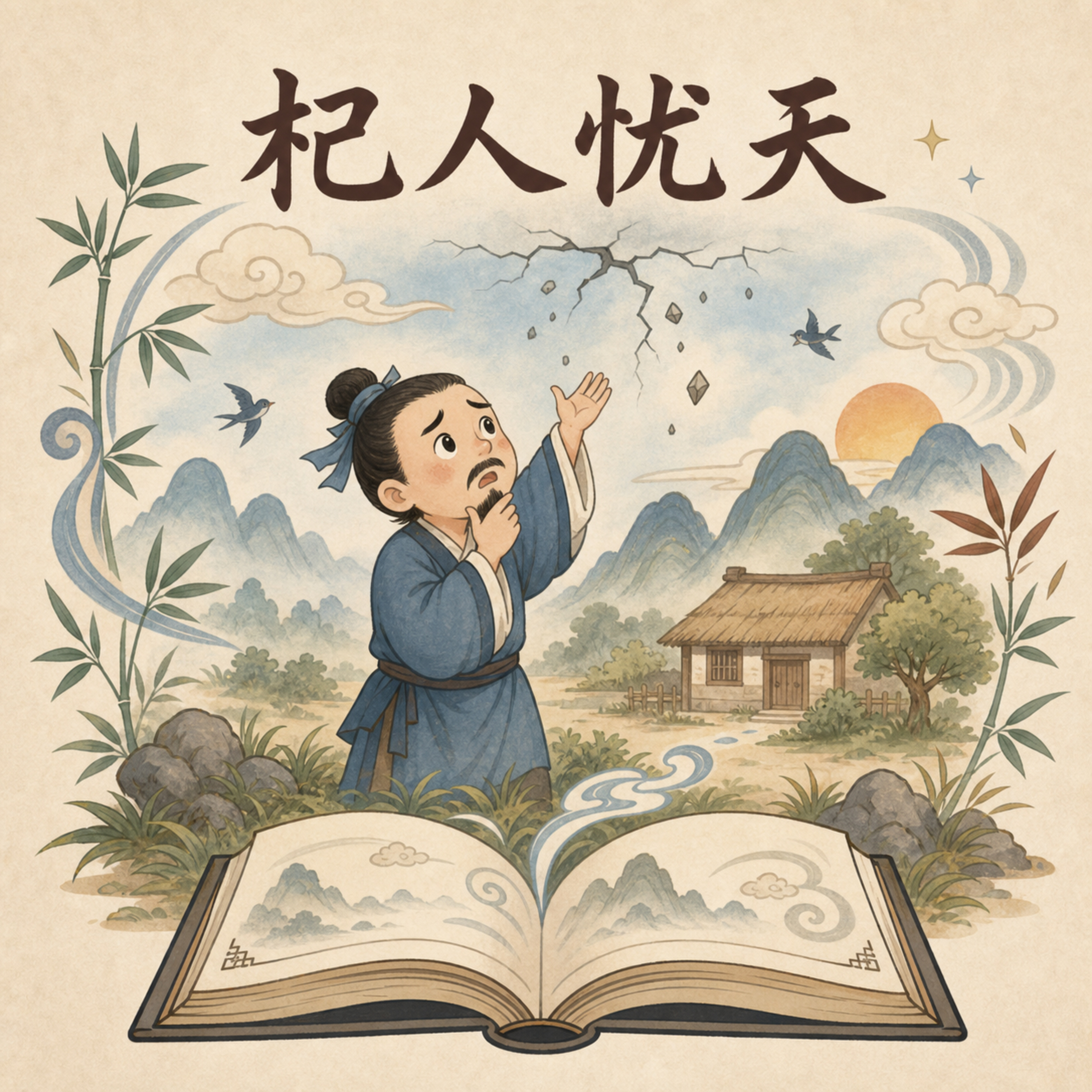
Ellie姐姐讲故事杞人忧天 - 儿童成语故事《杞人忧天》是一则流传两千多年的经典中国寓言,最早出自战国时期的《列子·天瑞》。在一个叫杞国的小地方,有一个人总爱抬头看天。他越看心里越发愁:"天这么大、这么高,万一哪天'咚'的一声掉下来怎么办呀?地看起来很稳,可是万一裂开一个大缝,我掉下去怎么办?"他越想越怕,吃不下饭,也睡不着觉。一位好心的朋友看见了,搬来一张小凳子坐在旁边,慢慢地跟他讲了一番话……你猜,朋友是怎么劝他的?用温暖的声音和慢慢的节奏,陪 3-8 岁的小朋友听经典成语故事。适合睡前、旅途中和亲子时间收听,也欢迎所有正在学中文的大朋友一起来听哦!"The Man of Qi Who Feared the Sky Would Fall" (杞人忧天, qǐ rén yōu tiān) is a classic Chinese fable from the *Liezi* (《列子·天瑞》) of the Warring States period, over 2,000 years old.In a small place called the State of Qi, there lived a man who couldn't stop staring up at the sky. The more he looked, the more he worried: "The sky is so big and so high — what if one day it just comes crashing down? The ground looks steady, but what if it cracks open and I tumble in?" He fretted so much that he couldn't eat, couldn't sleep. One day a kind friend pulled up a little stool beside him and began, very gently, to talk things through... can you guess what the friend said?A warm voice and a gentle pace, bringing classic Chinese idiom stories to little ones ages 3-8 — perfect for bedtime, travel, and family time. Chinese learners big and small are very welcome to tune in too!
2026-05-1408 min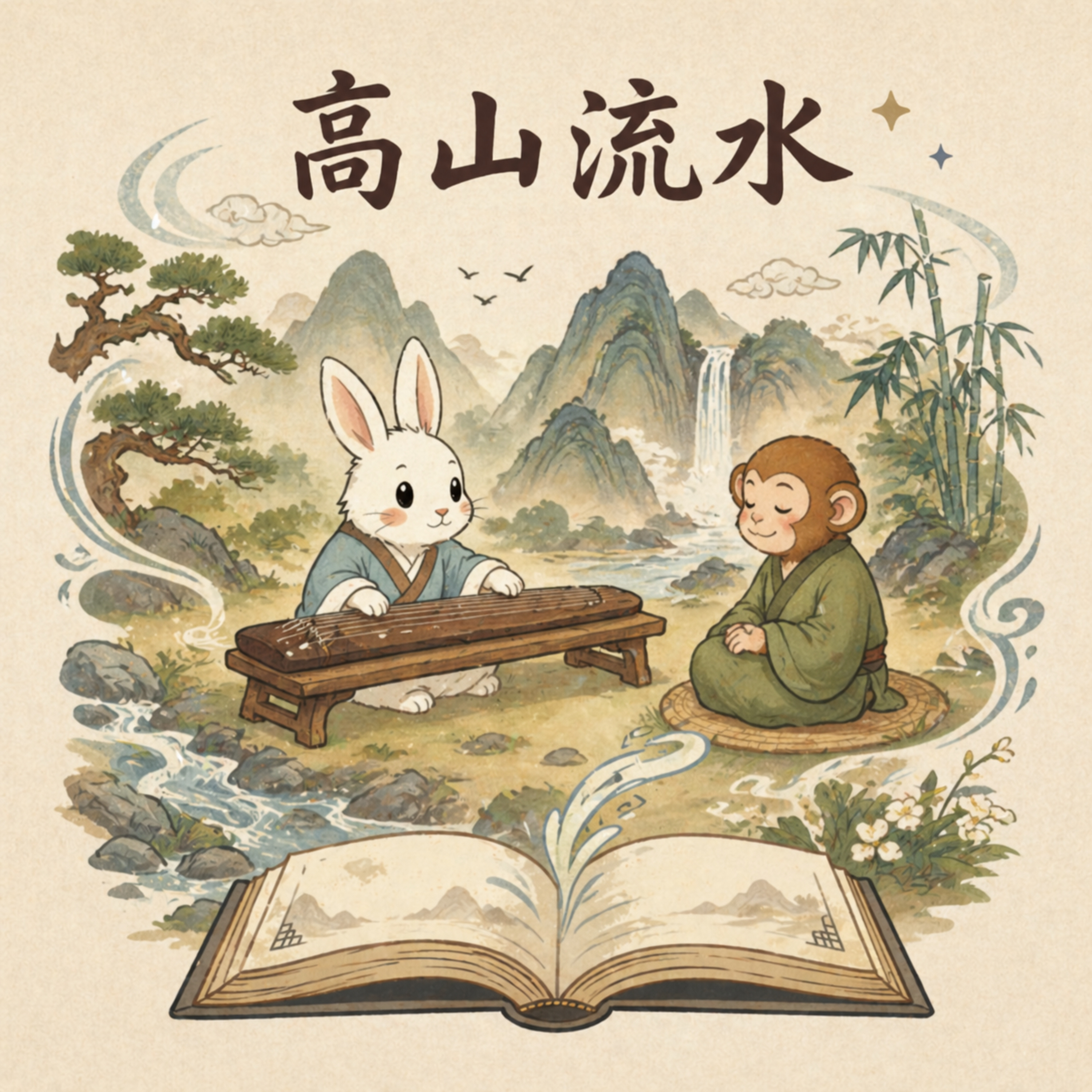
Ellie姐姐讲故事高山流水 - 儿童成语故事《高山流水》是一则流传两千多年的经典中国故事,最早出自战国时期的《列子·汤问》,《吕氏春秋·本味》里也有类似的记载。很久以前,有一位琴弹得特别好的人,叫俞伯牙。他高兴时弹的琴像小鸟跳舞,难过时弹的琴像下雨的傍晚——可是身边没有一个人真的听得懂他的琴。有一天,俞伯牙坐着船经过一座大山,傍晚时弹起琴来。岸上一个砍柴的人忽然喊:"好啊!这琴声就像高高的大山一样!"伯牙又弹了一曲流水,那个人又听了出来!他到底是谁?两个人会成为什么样的朋友呢?用温暖的声音和慢慢的节奏,陪 3-8 岁的小朋友听经典成语和寓言故事。适合睡前、旅途中和亲子时间收听,也欢迎所有正在学中文的大朋友一起来听哦!"Lofty Mountains and Flowing Waters" (高山流水, gāo shān liú shuǐ) is a classic Chinese tale from the *Liezi* (《列子·汤问》) of the Warring States period, with another version in the *Lüshi Chunqiu* — over 2,000 years old.Long ago, there lived a man named Yu Boya who played the zither like nobody else. When he was happy, his music danced like little birds; when he was sad, it whispered like a rainy evening — yet not a soul around him ever truly understood what his music said. One evening, sailing past a great mountain, he sat at the bow and began to play. From the shore, a passing woodcutter cried out: "Wonderful! That music is just like a tall, towering mountain!" Yu Boya played again, this time of flowing water, and the woodcutter heard *that* too! Who was this stranger? And what kind of friendship would these two find together?A warm voice and a gentle pace, bringing classic Chinese idioms and fables to little ones ages 3-8 — perfect for bedtime, travel, and family time. Chinese learners big and small are very welcome to tune in too!
2026-05-0106 min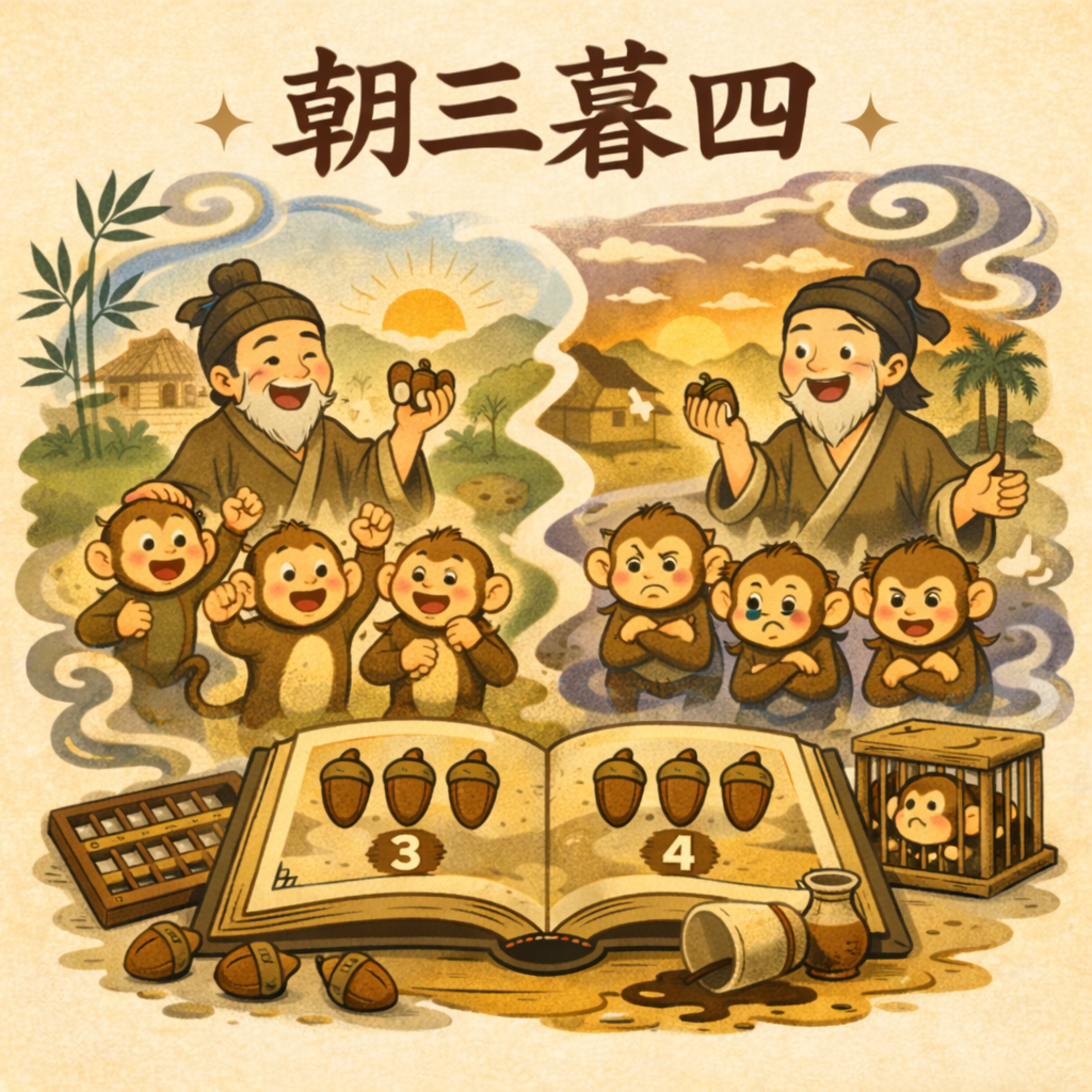
Ellie姐姐讲故事朝三暮四 - 儿童成语故事《朝三暮四》是一则流传两千多年的经典中国寓言,最早出自战国时期的《庄子·齐物论》,《列子·黄帝》里也有类似的记载。宋国有一位老爷爷,家里养了一大群可爱的猴子,每天最开心的事情就是给它们喂栗子。可是有一天家里的栗子越来越少,老爷爷不得不少给一些。他对猴子们说:"从今天起,每天早上三个栗子,晚上四个,好吗?"猴子们气得又蹦又跳,不同意!老爷爷笑着说:"那早上四个、晚上三个呢?"猴子们一下子开心极了——可是,栗子的数量真的变了吗?用温暖的声音和慢慢的节奏,陪 3-8 岁的小朋友听经典成语和寓言故事。适合睡前、车上和亲子时间收听,也欢迎所有正在学中文的大朋友一起来听哦!"Three in the Morning, Four in the Evening" (朝三暮四, zhāo sān mù sì) is a classic Chinese fable from the *Zhuangzi* (《庄子·齐物论》) of the Warring States period, also found in the *Liezi* — over 2,000 years old.In the State of Song lived an old man who kept a whole family of beloved monkeys. The highlight of every day was feeding them their favorite snack — chestnuts. But one day, running low, he had to cut back. "Starting today," he announced, "three chestnuts in the morning and four in the evening. Sound fair?" The monkeys howled and leapt in outrage. "Alright, alright," he smiled. "How about four in the morning and three in the evening?" At this, the monkeys cheered with joy! But... did the number of chestnuts actually change?A warm voice and a gentle pace, bringing classic Chinese idiom fables to little ones ages 3-8. Chinese learners big and small are very welcome to tune in too!
2026-04-2005 min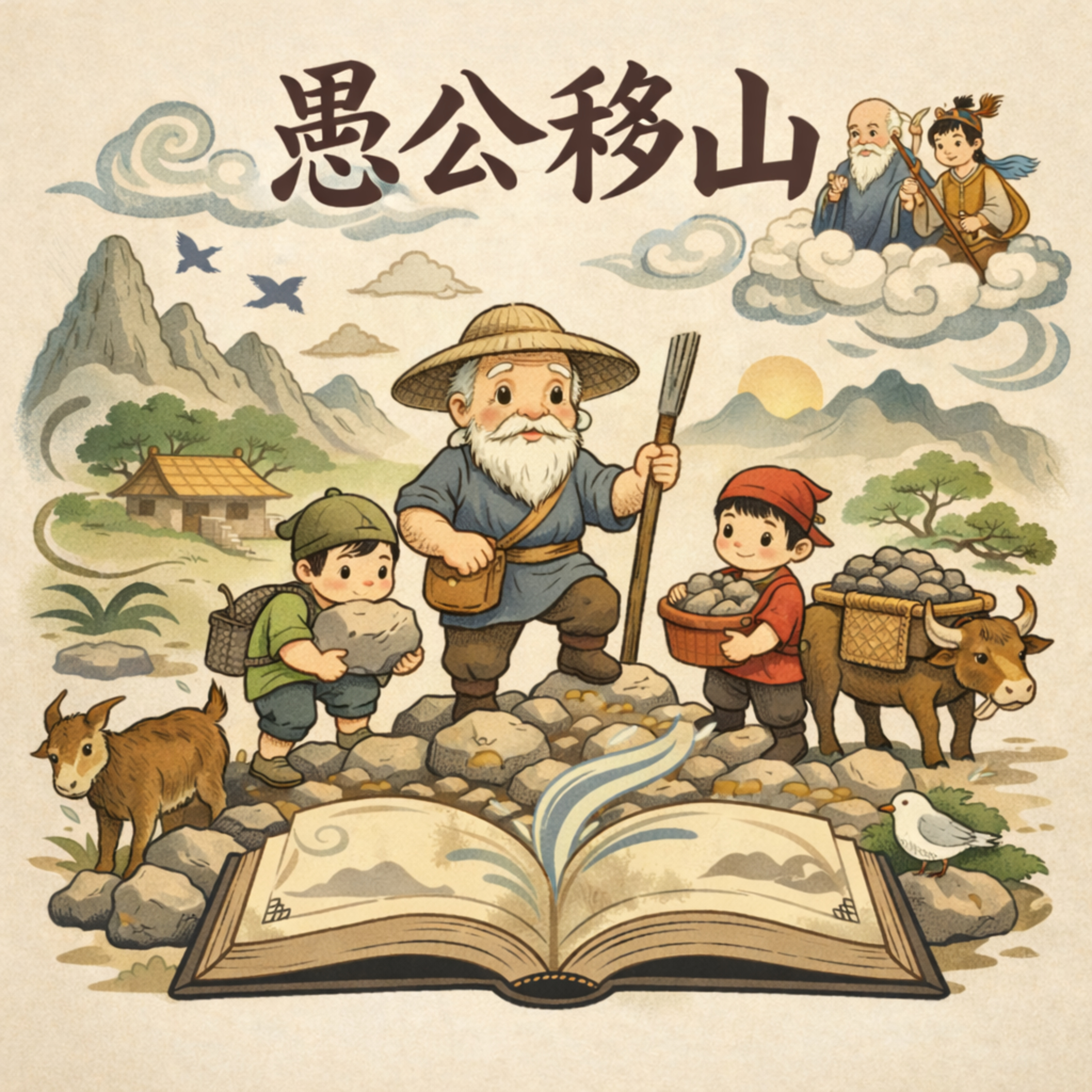
Ellie姐姐讲故事愚公移山 - 儿童成语故事《愚公移山》是一则流传两千多年的经典中国寓言,最早出自战国时期的《列子·汤问》。有一位将近九十岁的老爷爷,名字叫愚公。他家门口有两座又高又大的山——太行山和王屋山,挡得他家人出门都要绕很远的路。有一天,愚公把全家人叫到一起,说:"我们一起把这两座大山搬走吧!"邻居智叟听了哈哈大笑,说他都这么老了怎么可能搬得完。你猜猜,愚公是怎么回答他的呢?用温暖的声音和慢慢的节奏,陪 3-8 岁的小朋友听经典成语和寓言故事。适合睡前、车上和亲子时间收听,也欢迎所有正在学中文的大朋友一起来听哦!"Yu Gong Moves the Mountains" (愚公移山, yú gōng yí shān) is a classic Chinese fable from the *Liezi* (《列子·汤问》) of the Warring States period, over 2,000 years old.An old man named Yu Gong, nearly ninety years old, lived right at the foot of two enormous mountains — Mount Taihang and Mount Wangwu — which forced his family to walk miles out of their way every time they left home. One day, Yu Gong gathered everyone and declared: "Let's move these mountains together!" His neighbor, old Zhi Sou, burst out laughing — how could such an old man ever finish such a task? Can you guess what Yu Gong answered?A warm voice and a gentle pace, bringing classic Chinese idiom fables to little ones ages 3-8. Chinese learners big and small are very welcome to tune in too!
2026-04-1904 minYang Chus Garden of Pleasure002 - Yang Chus Garden of PleasureStep back into the Court of Liang around 300 B.C., where philosophers were honored guests of the reigning king, enjoying lodging and sustenance as they pursued truth and wisdom. While the origins of Yang Chu remain a mystery, his choice to settle in the Wei State during King Hwei’s reign is well noted. Here, he lived as a modest proprietor until his death around 250 B.C. Imagine a life reminiscent of Epicurus in his renowned Athenian Garden, where the philosopher of pleasure and contentment welcomed students and disciples for enlightening discourses. These discussions, much like those in Athens at th...
2026-02-1045 minYang Chus Garden of Pleasure001 - Introduction by Hugh Cranmer-ByngStep back into the Court of Liang around 300 B.C., where philosophers were honored guests of the reigning king, enjoying lodging and sustenance as they pursued truth and wisdom. While the origins of Yang Chu remain a mystery, his choice to settle in the Wei State during King Hwei’s reign is well noted. Here, he lived as a modest proprietor until his death around 250 B.C. Imagine a life reminiscent of Epicurus in his renowned Athenian Garden, where the philosopher of pleasure and contentment welcomed students and disciples for enlightening discourses. These discussions, much like those in Athens at th...
2026-02-1051 min
6號叔叔說故事小明小強的太陽爭論!《兩小兒辯日》智慧大冒險🔥🚀 小朋友們,快跟六號叔叔跳進戰國,體驗《列子》的《兩小兒辯日》!小明說早上太陽近,因為它像大盤子;小強說中午近,因為熱得像烤爐!兩人吵翻天,連孔子都答不出!這故事像腦力PK,教我們「兩小兒辯日」,好奇心是智慧的鑰匙!快訂閱我們的頻道,跟六號叔叔挖掘國學的思考寶藏,超好玩!✨📖 互動測驗:https://rfvfgh119.github.io/51TheSunDebateQuiz-Liezi/ 6號叔叔YT:https://youtu.be/7ArxaFL4RVk 6號叔叔紛絲團:https://reurl.cc/9D2rlX 留言告訴我你對這一集的想法: https://open.firstory.me/user/cm418x0b001ga01vsedyjgunf/comments Powered by Firstory Hosting
2025-09-2205 min
道可道 This is The WayEp7 庄子:庖丁解牛某些寓言和神话蕴含着深刻的哲学洞见。在西方,柏拉图的《洞穴寓言》以其对知识追求以及幻象与现实区分的精彩展现,在哲学史上占据着关键地位。在东亚,庄子的「庖丁解牛」故事,二千多年来一直作为道家「道」之观念的令人难忘且惊人的阐释之一。本期节目我们非常荣幸邀请到 Karyn Lai 教授,共同探讨《庄子》中的这段精彩篇章在对话过程中,我们讨论了若干问题,包括: 庖丁的技艺「进乎技」究竟意味着什么? 这真的是「无为而为」的例证吗?具体而言,它真的「无为」吗? 当君主说自己从庖丁那里学到了「养生之道」时,作者是在嘲讽君主吗?Lai 教授也是 Peter Adamson 教授的知名播客 《History of Philosophy Without Gaps》 中「中国古代哲学」部分的合著者。也可以在此处了解Lai教授及其诸多著作的更多信息。核心讨论段落 :《庄子· 庖丁解牛》庖丁为文惠君解牛,手之所触,肩之所倚,足之所履,膝之所踦,砉然向然,奏刀霍然,莫不中音。合于《桑林》之舞,乃中《经首》之会。文惠君曰:「嘻!善哉!技盖至此乎?」庖丁释刀对曰:「臣之所好者道也,进乎技矣。始臣之解牛之时,所见无非牛者。三年之后,未尝见全牛也。方今之时,臣以神遇,而不以目视,官知止而神欲行。依乎天理,批大隙,导大窾,因其固然。技经肯綮之未尝,而况大骨乎!良庖岁更刀,割也;族庖月更刀,折也。今臣之刀十九年矣,所解数千牛矣,而刀刃若新发于硎。彼节者有间,而刀刃者无厚,以无厚入有间,恢恢乎其于游刃必有余地矣,是以十九年而刀刃若新发于硎。虽然,每至于族,吾见其难为,怵然为戒,视为止,行为迟。动刀甚微,霍然已解,如土委地。提刀而立,为之四顾,为之踌躇满志,善刀而藏之。」文惠君曰:「善哉!吾闻庖丁之言,得养生焉。」(English version: Zhuangzi, ch. 3, PaulKjellberg’s translation)目前节目持续更新中,每周一与你见面,欢迎订阅收听!如果你有任何想法或建议,欢迎在评论区留言,或前往 Warp, Weft, andWay 网站参与讨论。时间轴0:00 Part I – 导言12:26 介绍嘉宾和主题16:43 Part II --《庄子· 庖丁解牛》16:44 介绍嘉宾 Karyn Lai18:35 Justin 预告庖丁解牛篇21:18 Justin 朗读原文25:14 Section 1: 庖丁「舞」牛33:30 Section 2: 庖丁讲述其技艺 「进乎技」56:01 Section 3: 庖丁如何应对困难1:06:57 Section 4: 君主的收获 「养生」1:26:55 嘉宾问答目前节目持续更新中,每周一与你见面,欢迎订阅收听!如果你有任何想法或建议,欢迎在评论区留言,或前往 Warp, Weft, and Way 网站参与讨论。其他参考资料Karyn Lai, “Freedom and agency inthe Zhuangzi: navigating life’sconstraints“The Liezi (列子)Nonaction(无为, sometimes translated as “effortless action”)“Technique”(技, “skill”)“Goes beyond technique” (进乎技)Guo Xiang 郭象 (traditional commentator on the Zhuangzi, 252-312 CE)The Woodcarver Qingpassage (Zhuangzi, ch. 19)The cicada-catcherstory (Zhuangzi, ch. 19)“Skill”(巧)“Spirit,” “spiritual” (神)“Heavenly patterns” (天理)Iris Murdoch, The Sovereignty of theGood (where she discusses the loving gaze, worth comparing with the notion of “seeing with spirit”)The wheelwright passage (Zhuangzi, ch. 13)Knowing-that andknowing-how“Caring for life” (养生)The swimmer passage (Zhuangzi, ch. 19)特别鸣谢 The Hong Kong Ethics Lab 的支持和赞助,以及 Warp, Weft and Way 网站对讨论环节的支持。主持人:
2025-08-181h 34
The Master of Demon Gorge: A Chinese History PodcastThe Man from Qi Worries About the Sky"The man from Qi worries about the sky" is a Chinese idiom meaning to worry unnecessarily about things that won't happen. It comes from a story found in Liezi, an ancient tract of philosophy.But what was this place called Qi? What does the original fable say? Have we misunderstood it this whole time?Support the show
2024-02-0816 min
Transformation intérieureDes pratiques de sagesseLe taoïsme intègre les courants les plus différents dans une unité cohérente. Il est un répertoire des choses connues tout autant qu’une matrice de découverte des phénomènes inconnus. La pensée taoïste est une pensée ouverte, qui a fait sienne la complexité du réel. Elle privilégie les relations et préfère l’intégration à l’exploitation et la domination. Les taoïstes accordent une grande importance au corps.
Les balises du taoïsme sont les nôtres : comme Laozi/ le vieil enfant, nous recherchons l’alliance de la...
2023-11-3016 min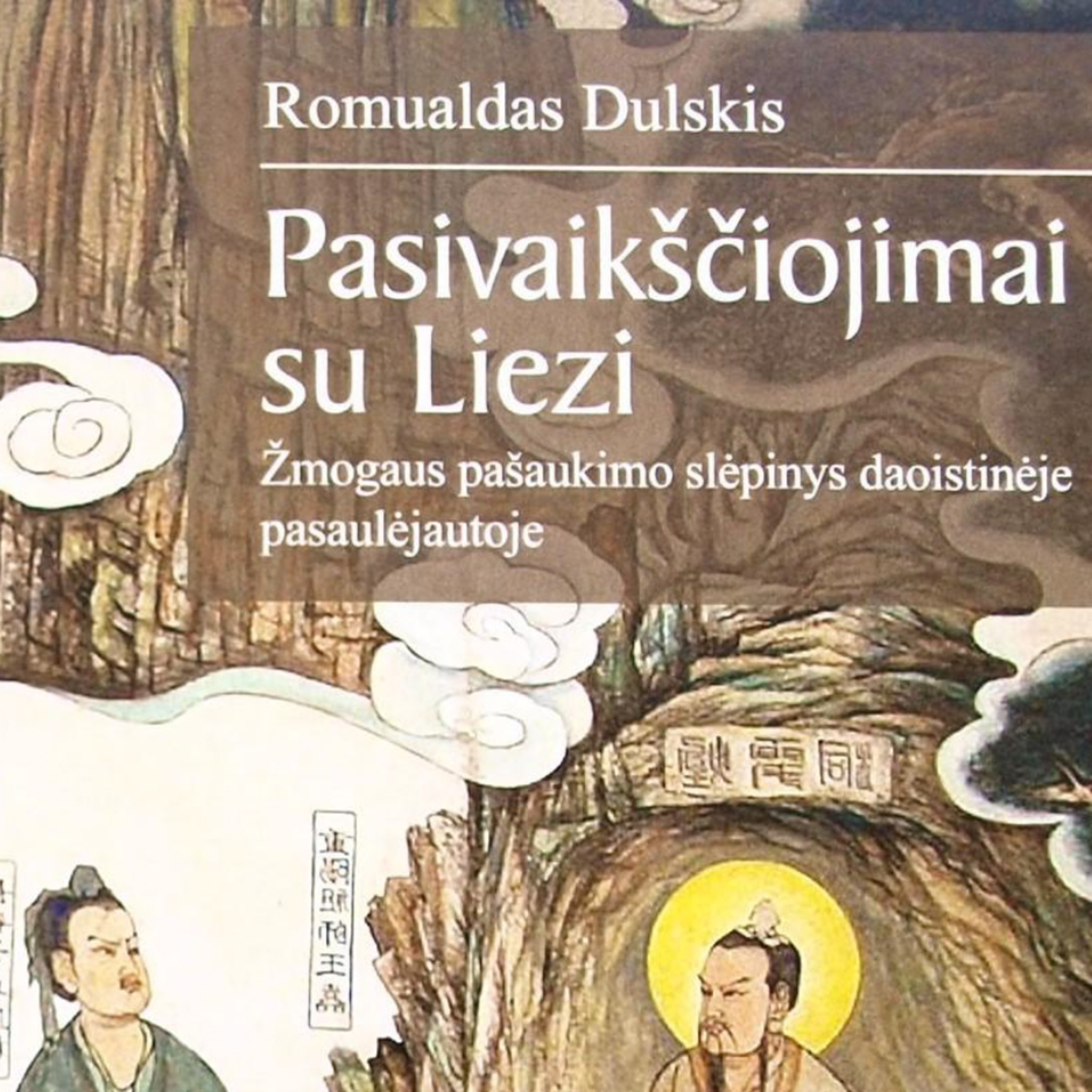
Vrublevskių biblioteka ir bičiuliai4.18 - Pasivaikščiojimai su LieziKnygoje „Pasivaikščiojimuose su Liezi“ jos autorius prof. R. Dulskis aptaria vieną pamatinių senųjų daoistinių tekstų – Liezi (列子), dar vadinamą Paprastumo ir tuštumos tikruoju klasiku arba Tobulos tuštumos klasiku.
Liezi apie IV amžių prieš Kristų Džengo karalystėje gyvenęs (dab. Henano provincija) senovės kinų mąstytojas. Apie gyvenimą žinoma nedaug, teigiama, kad buvo atsiskyrėlis. Kinijos filosofinė tradicija jam priskiria vieno svarbiausių daoizmo veikalų „Liezi“ autorystę.
Nepaisant to, kad Dao nėra personifikuota dievybė, ir galbūt kaip tik dėl to, daoizmo mokymas ir praktika nepaprastai žavi šiandienį Vakarų kultūros žmogų. Sąmojingi ir šmaikštūs Lie...
2023-08-2528 min
Ayurveda na Prática - GisiPaz.#570 - Diário Pessoal 31/07/2023. 🪔🧘♀️"Conhecendo os mestres do Tao:
* Huangdi
* Laozi
* Zhuangzi
* Liezi"
.
.
.
Marcar atendimento, cursos e e-books aqui: https://linktr.ee/gisipaz_atendimentos.cursos
Ou pelo instagram: @gisipaz_ayurveda
2023-07-3113 min
BiYiNiao do Livro49/ Águas profundas, pontes quebradas e pássaros de uma só asaPoema de Cao Cao 曹操 e Cao Pi 曹丕 sobre a sensação de não ter mais caminho para andar. Reflexões sobre o Taoísmo de Liezi.
Trilha sonora: Christian Perrota
2023-04-2637 min
Story2GO-Chengyu (chinesische Redewendungen)#92 Qi Ren You Tian (Der Mann aus Qi, der sich Sorgen um den Himmel machte)Chengyu: Qi Ren You Tian (Der Mann aus Qi, der sich Sorgen um den Himmel machte)Die Geschichte stammt aus "Liezi . Geschenke des Himmels"Text überarbeitet von HE Man / übersetzt von Natalie Emmert
2022-09-3002 min
姥姥讲故事Grandma's story in Chinese成语寓言:杞人忧天 Idiom and fable: Qi people worry about the sky falling这则成语出自《列子,天瑞》,用来讽刺那些不必要的担心。
This idiom comes from "Liezi, Tian Rui", which is used to satirize those unnecessary worries.
2022-03-2102 minStory2GO-Chengyu (chinesische Redewendungen)#79 Gao Shan Liu Shui (Hohe Berge und reißende Gewässer)Chengyu: Gao Shan Liu Shui (Hohe Berge und reißende Gewässer)Die Geschichte stammt aus: "Liezi.Tangwen"Text überarbeitet von LI Anji / übersetzt von Natalie Emmert
2022-02-0402 minStory2GO-Chengyu (chinesische Redewendungen)#74 Guan Bao Zhi Jiao (Die Freundschaft von Guan und Bao)Chengyu: Guan Bao Zhi Jiao (Die Freundschaft von Guan und Bao)Die Geschichte stammt aus "Liezi Liming"Text überarbeitet von HAO Wenchao / übersetzt von Natalie Emmert
2021-11-1202 min
Straripamento mentale di un disadattato01-09-2021 - PodCast Diario - "Il settimo sigillo", "Evangelion 3.0+1.01", "Jackie Brown", Ecc...Questo è il PodCast diario, la lista con aneddoti, di tutta la roba letta/vista/guardata/fotografata/disegnata/videogiocata/ecc... nell' ultimo periodo (da me). Libri: "Zhuang-zi" (Zhuang); "Liezi" (Lie Yokou); "Il settimo sigillo" (Ingmar Bergman). Serie TV: "DC' s Legends of Tomorrow" (5° stagione); "Profumo" (1° stagione). Film: "Vampyres" (2015); "Evangelion 3.0+1.01" (2021); "Essi Vivono" (1988); "Barry Lyndon" (1975); "The Conjuring - Per ordine dell Diavolo" (2021); "Jackie Brown" (1997). --- Send in a voice message: https://podcasters.spotify.com/pod/show/kaju/message
2021-09-011h 28
Straripamento mentale di un disadattato01-09-2021 - PodCast Diario - "Il settimo sigillo", "Evangelion 3.0+1.01", "Jackie Brown", Ecc...Questo è il PodCast diario, la lista con aneddoti, di tutta la roba letta/vista/guardata/fotografata/disegnata/videogiocata/ecc... nell' ultimo periodo (da me).
Libri: "Zhuang-zi" (Zhuang); "Liezi" (Lie Yokou); "Il settimo sigillo" (Ingmar Bergman).
Serie TV: "DC' s Legends of Tomorrow" (5° stagione); "Profumo" (1° stagione).
Film: "Vampyres" (2015); "Evangelion 3.0+1.01" (2021); "Essi Vivono" (1988); "Barry Lyndon" (1975); "The Conjuring - Per ordine dell Diavolo" (2021); "Jackie Brown" (1997).
2021-09-011h 28
Cuentos De BolsilloLadrón poseído de Lie YukoiLie Yukou (chino simplificado: 列御寇, chino tradicional: 列禦寇; pinyin: Liè Yǔkòu) fue un taoísta chino, autor del Liezi (列子). Vivió alrededor del año 350 a. C., durante el Período de los Reinos Combatientes.
Se sabe muy poco del autor además de lo que él mismo nos cuenta. Aparentemente vivió en la provincia de Zheng, alrededor del año 398 a. C., cuando el primer ministro Zi Yang fue asesinado en una revuelta. Basándose en que no es mencionado por el historiador Sima Qian, cierto crítico de la dinastía Song declaró que Lie fue un personaje ficticio inventado por Zhuangzi.
Wikipe
2021-08-0900 min
Active Sessions LiveActive Sessions Live #082 Guest Mix AnhydriteTracklist:
1. Nicole Moudaber & Victor Calderone - The Journey Begins (Original Mix) [DRUMCODE]
2. Anhydrite pres. Mikki - ID
3. Feed Me feat. Tasha Baxter - Ebb N' Flow (Mikki Remix) [SOTTO VOCE]
4. Mikki vs. Ørjan Nilsen & Marcus Schössow - La Flauta y La Guitarra (Mikki Mashup)
5. Camo & Krooked feat. Shaz Sparks - Time Is Ticking Away (Chrome Remix) [BETA]
6. Sadowick - Rolling (Original Mix) [SDK RECORDS]
7. Morpho - ID
8. Axwell & Ingrosso feat. Trevor Guthrie - Dreamer (Alpha 9 Remix) [DEF JAM]
9. Ashe feat. Amy Kirkpatrick - Space Between (Anhydrite Remix) [LITTLE KING]
10. Tiësto - Driving To Heaven (Mat Zo Remix) [SONGBIRD]
11. ID...
2019-10-151h 03
Chinese Mythology PodcastEp 194: Monkey KeeperToday we will talk about a story about a monkey keeper and his monkeys attributed to LieZi, an ancient Chinese philosopher.
Support us on Patreon: www.patreon.com/chimythcast
We really appreciate each of you who listen, subscribe and share our podcast. If you are able, please support us on Patreon which keeps us telling more stories!
2019-10-1104 min
Learning Chinese through Stories2.2.21A 成语故事《高山流水》 According to Qin Shi, Liezi said: "Bo Ya was good at playing the qin. Zhong Ziqi was good at listening to the qin. When Bo Ya's will was towards high mountains in his playing, Zhong Ziqi would say, 'How towering like Mount Tai!' When Bo Ya's will was towards flowing water in his playing, Zhong Ziqi would say, 'How vast are the rivers and oceans!' Whatever Bo Ya thought of Ziqi would never fail to understand. Bo Ya said, 'Amazing! Your heart and mine are the same!' When Ziqi died, Bo Ya broke the strings [of...
2017-10-2903 min