Shows

Louisiana ConsideredMuch of La.’s opioid settlement money hasn’t been spent; special effects artist on road from taxidermy to HollywoodIt’s been nearly three years since landmark settlements were reached between states and major opioid producers. Since then, roughly $100 million has been dispersed to combat addiction, but it's unclear how much of that money has been spent so far. The Current’s Alena Mashke joins us for more on the lack of spending transparency. From Star Wars to Jurassic Park, Hollywood movies and TV shows have long relied on special effects to bring supernatural stories to life. This process often involves sculpting, puppetry, animatronics and technology – and has many times involved Louisiana native and Emmy-awar...
2026-01-0524 min
The Jewish Drinking ShowYiddish Drinking Songs, featuring Rokhl Kafrissen [The Jewish Drinking Show, episode #181]IntroductionAs Yiddish was spoken by many Ashkenazi Jews for centuries, it should serve as no surprise to listeners of The Jewish Drinking Show that many Yiddish songs either revolved around or at least involved drinking. To introduce us to Yiddish drinking songs for the 181st episode of The Jewish Drinking Show on this topic is Rokhl Kafrissen.Biography of GuestRokhl Kafrissen is a journalist, teacher, and playwright and winner of the prestigious 2022 Adrienne Cooper Dreaming in Yiddish prize. Between 2017 and 2024, her “Rokhl’s Golden City” column...
2025-09-1045 min
The daily Hayom Yom with Rabbi Yosef KatzmanHayom Yom 18 Iyar - Lag BaOmer a day of miracles for childrenDay 33 of the Omerאֵצֶל אַדְמוּ"ר הָאֶמְצָעִי הָיָה לג בָּעוֹמֶר מִיָּמִים טוֹבִים הַמְצוּיָּנִיםFor the Mitteler Rebbe, Lag BaOmer was one of the outstanding festivals. מעֶן פלעֶגט אַרוֹיסגעֶהן אוֹיפְ'ן פעֶלדHe would go out to the fields [together with the chassidim]. עֶר פלעֶגט זִיךְ נִיט וואַשׁעֶןHe would not partake of bread, אָבּעֶר נעֶהמעֶן מַשְׁקֶהbut would say LeChayim over mashke (liquor),וואָס מִצַּד הַבְּרִיאוּת האָט עֶר עֶס נִיט געֶטאָרטeven though this was forbidden to him for health reasons. מעֶן האָט דעֶמאָלט געֶזעֶהן אַ סַך מוֹפְתִים[The chassidim present] would witness many miracles, דאָס רוֹב מוֹפְתִים אִיז געֶוועֶן בְּנוֹגֵעַ קִינדעֶרmost of which were blessings for couples who wanted to have children. אוּן אַ גאַנץ יאָהר האָט מעֶן געֶוואַרט אוֹיף לג בָּעוֹמֶרPeople would wait the entire year for Lag BaOmer.Text and Translation courtesy of Sichos in EnglishFor questions and follow-up: cablejew@gmail.com
2025-05-1504 min
The Daily Sicha - השיחה היומיתיום ג' פ' ויקהל, י"ח אדר, ה'תשפ"ההתוכן
בהמשך למדובר לאחרונה על מ"ש הרמ"א להלכה בסיום השו"ע ש"טוב לב משתה תמיד" – התערב ה"קלוגינקער" וכו', ולכן יש צורך להבהיר עוה"פ אודות האיסור דשתיית משקה לפני גיל ארבעים, והתנאים שבזה וכו'. יש לזכור שהרמ"א כותב הנ"ל לא במקום שמדובר על ענינים תמידיים שבכל יום אלא בסוף הל' פורים. ובפשטות: רוב ציווי השו"ע קשורים עם הגבלה בזמן ומקום. לדוגמא, הציווי "לבסומי" הוא בפורים דוקא. הציווי לאכילת מצה – בליל א' דפסח דוקא ולא לאחרי הפסח (למרות שבאכילת מצה בפסח הוא "אוכל אמונה"!), ואם ירצה לברך על מצה לאחרי הפסח ה"ז בגדר "בוצע ברך וגו'" ר"ל! ובנוגע לעניננו: ההנהגה ד"טוב לב משתה תמיד" כפשוטו – שייכת למעמד ומצב מיוחד של שמחה כמו בפורים, ואילו בשאר הזמנים ה"ז באופן שמובא בפרש"י על פסוק זה "(כל ימי עני רעים) וטוב לב משתה תמיד" "ורבותינו דרשו מה שדרשו בחלק [במס' סנהדרין]" ושם דקאי על "בעלי משנה" או "בעלי תלמוד"!ד' חלקים משיחת אור ליום ג' פ' ויחי, י"ב טבת – המשך "דידן נצח" ה'תשמ"ז
ל"הנחה פרטית" או התרגום ללה"ק של השיחה: https://thedailysicha.com/?date=18-03-2025
Synopsis
In connection to what has been discussed lately regarding the Rema’s statement at the end of the Shulchan Aruch – that “he who has a cheerful heart always has a feast” – because the “smart aleck” (yetzer hara) has gotten involved etc., it’s necessary to once again bring up the prohibition of drinking mashke before the age of forty, and the conditions placed upon it etc. It’s important to remember that the Rema writes this not in the context of daily practice, but at the end of the laws of Purim. Most of the Shulchan Aruch’s requirements are tied to a specific time and place. For example, the obligation to “become intoxicated” applies specifically on Purim, and the mitzvah of eating matzah applies specifically on the first night of Pesach, not after Pesach (even though eating matzah during Pesach is considered “eating faith”); if one wishes to make a bracha on matzah after Pesach, it would fall under the category of “the robber who blesses…” Rachmana litzlan. In this case: the practice of “he who has a cheerful heart always has a feast” in the literal sense applies specifically to joyous
2025-03-1811 minThe Daily Sicha - השיחה היומיתיום א' פ' וירא, ט' מרחשון, ה'תשפ"ההתוכן
[הורה לנגן "ניע זשוריצי כלאָפצי", ואח"כ אמר:] פירוש הפשוט של ניגון זה הוא: אל תדאגו, אנחנו ניסע עד המרזח ושם יהי' משקה. חסידי אדמו"ר האמצעי שהיו מנגנים ניגון זה היו מוסיפים, שבכ"ז, מעט משקה צריכים כדי לעבור את הדרך עד המרזח... וההוראה: בנ"י הם "מעשי ידיו" של ה' שהם נצחיים, וגם גופו של יהודי הוא קדוש ובו היתה הבחירה של ה' ויהי' נצחי [שלכן "כל ישראל יש להם חלק לעוה"ב", עולם התחי'], וסוכ"ס "לא ידח ממנו נדח" וכולם יגיעו למקומם האמיתי, ה"מרזח". אלא שמ"מ באים בתביעה שעד שמגיעים לשם צריכים מעט "משקה" כדי שיוכלו לסבול את טלטולי הדרך..., ועד"ז גם אם יודעים שקיום המצוות בשלימות תהי' רק לעת"ל – אין לחכות עד אז, כשיגיעו ל"מרזח", כדי לקיימם, כי כדי להגיע לשם מוכרח להיות קיום המצוות. ומכיון שברור הדבר שסוכ"ס יהי' כל יהודי לומד תורה ומקיים מצוות במילואם, למה לו להקשות על עצמו את הנסיעה ל"מרזח", בה בשעה שביכלתו לבוא לשם מוקדם יותר ובנוחיות?!ב' חלקים משיחת שמחת בית השואבה ה'תשי"ז
ל"הנחה פרטית" או התרגום ללה"ק של השיחה: https://thedailysicha.com/?date=10-11-2024
Synopsis
[The Rebbe instructed to sing the Niggun Nye Zhuritze Chloptzi, and then explained:] The plain meaning of this niggun is that you shouldn’t worry because when we get to the inn, there will be mashkeh there. The Mitteler Rebbe’s Chassidim would sing this niggun,, and they would add that nevertheless, a little mashkeh is necessary for journey until you get to the inn. The lesson is: the Jewish people are the “handiwork of Hashem,” and therefore they are eternal; even the body of a Jew is holy and was chosen by Hashem, and will also be eternal (which is why every Jew has a portion in the World to Come, the World of Resurrection), and ultimately, “he who is banished will not be cast away” – they will all arrive at their true place, the “inn.” But nevertheless it is demanded of a Jew that until he gets there, he needs a little “mashke” in order to endure the travails of the journey. Similarly, although one knows that the ultimate performance of mitzvos will be only when Moshiach comes, he must not wait until then in order to fulfill them, because in order to get there he needs to keep the
2024-11-1010 min
עשה לך רב Ase L'cho RavFirst interview with my brother about Farbrengens 🥂Are you looking for a refreshing, authentik, relaxing, and meaningful shmooze? well then you've come to the right channel! In this video we dive into the topic of farbrengen's.
So sit back, relax and soak in the goodness! :]
Please like,Subscribe,Comment,Share,and watch the whole video so the algorithm brings this video to more people and changes lives and brings Moshiach
The merit for sponsorship and/or advertisements is available,you can reach me at levissocialhome@gmail.com
Disclaimer-this channel is catered to people who are Chabad or...
2024-03-0652 min
Jewish stories for children of all agesA visit from the Baal Shem TovA poor innkeeper is delighted to participate in the mitzvah of "Pidyon Shivuyim" with the Baal Shem Tov, and he's even more delighted when his new regular customer pays for his mashke with a small, rusty coin of little value...or is it perhaps worth more than meets the eye?
2023-03-1410 minJewish stories for children of all agesA visit from the Baal Shem TovA poor innkeeper is delighted to participate in the mitzvah of "Pidyon Shivuyim" with the Baal Shem Tov, and he's even more delighted when his new regular customer pays for his mashke with a small, rusty coin of little value...or is it perhaps worth more than meets the eye?
2023-03-1410 min
Storytime6 tishrei - gilgul in mashkeBy Rabbi Chaim Levi Goldstein
Link to invite others to receive these stories https://chat.whatsapp.com/EdcBDsDggIG6UejroCMuNW
2022-04-0819 min
Good Hearts Podcast with Kristen HarnessMind/Body Connection with Loni Mashke, LMT, CMTLoni Mashke, LMT Licensed Massage and Somatic Therapist has been in practice for over 20 years. Loni is a long standing ABMP Member, CPR/AED/ First Aid certified and licensed in massage therapy by the California Association of Massage Therapy Council. She has over 2000 hours of educational training in modalities ranging from clinical Myofascial Release and Manual Lymph Drainage (MLD) to corporate health coaching and chair massage. Loni has advanced training and specializes in Lymphatic and Detox Massage, Pre/Post-Natal Massage, Myofascial Release, Trigger Point Therapy, Clinical, and Condition Specific Massage.
As a Somatic Bodywork Therapist, Loni has...
2021-06-0242 min
SHINDERKlezmer Compilation vol.1http://dobranotch.ru
1. Brave Old World - Tayere Odessa
2. Songs To Your Eyes - Jewish Mind Hop
3. Dobranotch - Bulgarian Sirba
4. The Klezmatics - Fun Tashlikh
5. The Klezmer Lounge Band - Araber tantz
6. Di Naye Kapelye - “7:40”
7. Dobranotch - Lebedikh un Freylakh
8. Dave Tarras Orchestra - Ora-Serba ala Dave
9. The Klezmatics - Dzhankoye
10. Dave Tarras Orchestra - Bubba's Freilach
11. Brave Old World - Klaybt Zikh Tsunoyf
12. Brave Old World - Brave Old Sirbas
13. Di Naye Kapelye - Mashke
14. Brave Old World - Kolomeykes
15. The Epstein Brothers - Azoy, Azoy
16. The Klezmatics - NY Psycho Freylekhs -
2021-03-3156 min
Anash.org Halachahalacha 32practical halachic questions including brachos when going back to sleep, child toiveling keilim, naming a boy after a woman or vice versa, missed part of kiddush and reciting kiddush over mashke.
2021-01-2621 min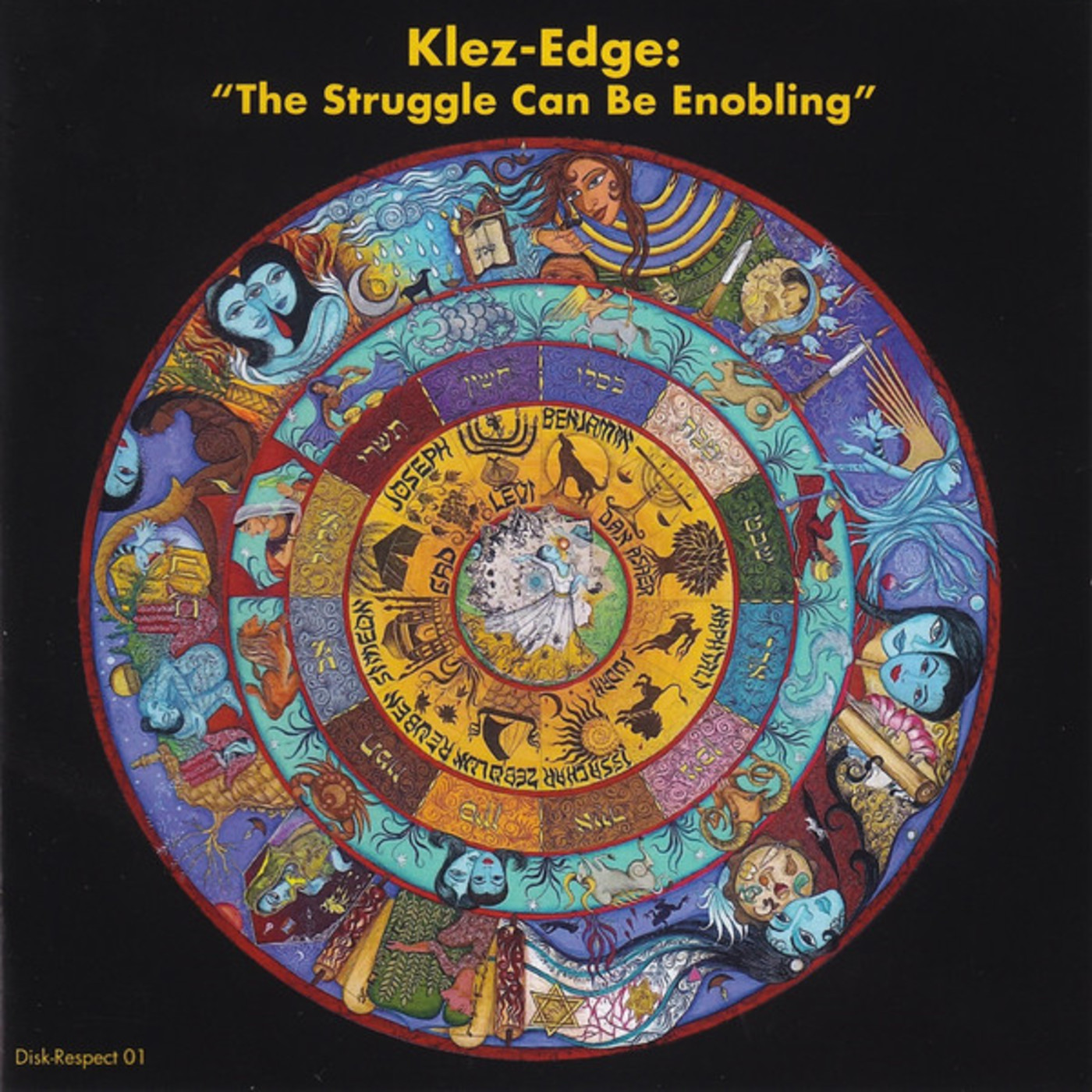
Mazel Tov un ShalomMazel Tov un Shalom - Episodio 57Klez-Edge es un proyecto musical fundado por el pionero del free jazz y respetado pianista avant-garde Burton Greene. La música del virtuoso quinteto Klez-Edge es una mezcla lúdica de jazz y klezmer. Presentamos su disco del 2016, The Struggle Can Be Enobling.
Lista de Canciones:
1. Yiddish Blues
2. Bay A Glezele Mashke
3. Sabbath Prayer
4. Ketsad M'rakdin
5. Jews & Gypsies Suite II - 2nd and 3rd Movements
6. Sewing Machine
7. Indian Judaic Song
8. Russian Roots
9. A Sleepin' Bee
10. Araber Tants
11. Theme From Schindler's List
12. Spring Freylekhs
13. Nigun: Zhuritze Chlopotzi
14. The Struggle Can Be Enobling
2021-01-031h 15
Mashke & NoshSilver Linining “Woo Woo””The gals are back with a quick Mashke & Nosh set. Grab a comfy chair and a drink and listen to your fav frum femmes chat.
2020-07-2810 min2020-01-3040 minMashke & NoshKindness, RegardlessYolo, Roxxi & Koko discuss antisemitism and prejudice - the hot button issue concerning our community to its core. Regardless of what side of each stance friends and acquaintances fall on, we have to remember to unite as one and be a commUNITY.
2020-01-0939 min2020-01-0227 minMashke & NoshSpread a LOT of Light!Koko, Roxxi and Yolo gather together at table blessed with Mashke & Nosh and a lot of laughter. Discussions at the table include a recent ohel trip, being a "Lamp Lighter" and good things to come in the future. Please give a donation to hebronfund.org
2019-12-1234 min
Mashke & NoshMental Health with Special Guest Ilana DressYolo, Koko & Roxxi sit down and chat with the ever inspirational and multi-talented Ilana Dress, LCSW about mental health, creativity and how both relate to the lives of Jewish women. Check out her amazing music on Soundcloud, and be sure to support important organizations that assist women and people all the world over with their mental health at Project Proactive & Postpartum Support International and get help through places like Northshore's Perinatal Depression Program and Meridian Psychiatric Partners. You can catch Ilana on Instagram @soulbirdlife. You can also read her amazing post about anxiety here.
...
2019-12-0642 min
Mashke & NoshThe Family Fund (w/ special guest Mandy Hakimi)Roxxi, Koko and Yolo welcome the talented, amazing and inspiring Mandy Hakimi to share about the Family Fund, an unprecedented charity that provides monetary grants to working Jewish mamas who don’t qualify for paid leave from their employers. There’s nothing else like it in the U.S. and it’s right here in Chi Town. Make a donation at www.familyfundchicago.org/support-us and check it out on FB @familyfundchicago. You can also reach out to participate in the annual Orot on Stage women's production at orotonstage@gmail.com.
2019-11-1941 minMashke & NoshIts Ok To Be OkWe back like we never left, giving good vibes and Rosebaumin’ to our fullest.
2019-11-1124 minMashke & NoshNew Year, New GearThe Jewish New Year is upon Roxxi, Koko & Yolo, and it's time to give out ALL the brochos! Come join Mashke & Nosh on reflecting on the past year and goals for the next. Gmar chatima tova (Have a good and sweet new year!)
2019-09-2721 minMashke & NoshDating? Must Have ReferencesKoko, Roxxi & Yolo give a shout out to Bond Coffee Collective and Mon Belle Wigs, spurring a conversation discussing hair covering lifestyles, what it means to feel beautiful, and the ever tantalizing topic of frum dating. From the basics to the deeper spiritual implications in the process.
Take a visit to Mon Belle Wigs on Facebook, @monbellewigs on Instagram. Email: monbellewigs@gmail.com Phone: 414-629-6894 for affordable and quality wigs!
2019-09-1728 minMashke & NoshYou Better WerkKoko, Yolo and Roxxi give some thoughts on working as frum ladies in the corporate landscape. This weeks shout out goes to Women to Women, increase your Elul donations at https://www.chabadillinois.com/templates/articlecco_cdo/aid/3502159/jewish/Donate.htm
2019-09-0831 min
Radio EshkolotJews & BoozeAlcoholism is the distinction and privilege of being human (Leon Trotsky)In spite of a common misconception that "Jews don't drink as much as others", often combined with an anti-Semitic libel that "Jews profit from inebriating the common folk", Jewish spirituality is deeply associated with distilled spirits. There is no better demonstration of this than the ubiquity of Yiddish drinking songs, both sacred and profane. Radio Eshkolot presents a selection of songs about vodka (yash, mashke) performed live for Eshkolot by legendary Moscow garage-klezmer guitarist Vanya Zhuk of the band Nayekhovichi.
2019-09-0127 minMashke & NoshAchdus - For the Love of YOUnityYolo, Koko & Roxxi discuss what it means to live Achdus - the unity we experience by "playing our part" in the G-d's "Holy Symphony." No matter where you are, who you are, what you do and how you got there, you play an important part in bringing Moshiach - the ultimate redemption. Topics of discussion also include differences in appearance and the stigmas tattoos. Please give a donation Friendship Circle of Illinois for the 10th Annual Walk 4 Friendship! https://friendshipcircle.rallybound.org/chicago/Bassie
2019-08-2736 minMashke & NoshGam zu l'tovaThis, too, is for the good! Koko, Yolo and Roxxi shout out those experiences that have caused pain but have made us better and stronger. @mikeposner, @koltuv, #friendshipcircle
Please consider a donation to the AMAZING Friendship Circle of Illinois!!!! https://friendshipcircle.rallybound.org/chicago/Bassie
2019-08-2233 minMashke & NoshFOOD!Roxxi, Yolo and Koko discuss the quintessential topic of Judasim - a deep dive from Mashke and Nosh into FOOD!
2019-08-1357 minMashke & NoshMish Mash with Mashke & NoshAll the mish mash with Yolo, Roxi and Koko while they Mashke & Nosh. Listen in as we spill the tea on Whatsapp etiquette, how we process casual racism, Koko's phenomenal bar tending skills, and the sobering topic of the dangers of hot cars. Email us at mashke.nosh@gmail.com and follow us at @mashkenosh on Instagram!
2019-08-1349 minMashke & NoshSorry, NOT SorryWe got sponsors! Thank you to Wolfe Den & Moses and Bros Tech Solutions for sponsoring this week's ep!
WRP is hyped for the new kosher coffee house, we're hyped for some excellent wine from 2013 - but we better drink it before the 9 days! We also discuss the trials and tribulations (and elation) to being invited to a new Shabbos table. But we know it's ok to be sorry, not sorry, but not "sorry, not sorry!"
2019-07-2431 min
Mashke & NoshSpeaking OutThe gals (re)discover new psuedonymns, discuss the power of women using their various platforms to speak out and bringing about miracles, and get down to business on all their business.
2019-07-1728 min
VaybertaytshA Kitzur: משקה, אַרױס פֿון דער שאַפֿע | "Mashke," Out of the ClosetA special Vaybertaytsh Short to tide you over til next week! This episode includes a new, queerified version of Mikhl Gordon’s song “Mashke,” written and performed by Noam Lerman and Leana Jealen. You can find the lyrics here on google docs, both for the beginning parts which are true to the original, and to the new parts written by Noam and Leana. They performed this for the Yidish Vokh “Talentanya,” and then we went ahead and recorded it in the only quiet space with good acoustics at the Vokh: inside of a closet. The irony did not escape us! Enjoy.
2018-10-2200 min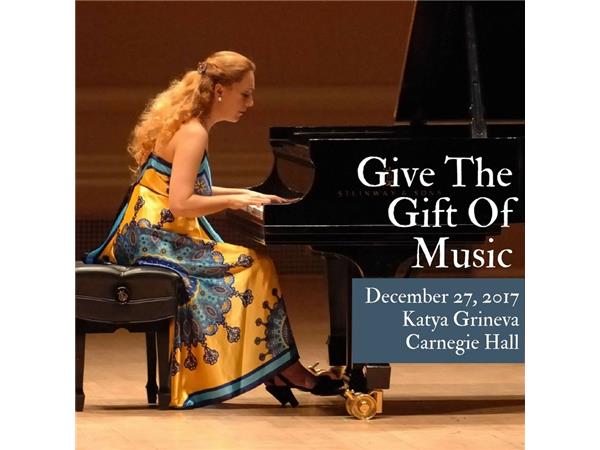
A Better World with Mitchell J. RabinMitchell Rabin Interviews renowned Pianist Katya GrinevaBorn in Moscow, Ms. Grineva began studying piano at the age of six, attending the Moscow Music School. She went on to the Moscow High School of Music under the aegis of the prestigious Moscow Conservatory, where she studied with Professor Pavel Messner. It was during her tutelage with Maestro Messner that Katya began giving recitals and experiencing the “special and spontaneous” interaction between artist and audience that would become the hallmark of her performances.
In New York, she was awarded a scholarship to immediately enter the Mannes School of Music graduate program, studying with Nina Svetlanova, followed by private coac...
2017-12-2030 min