Shows

Boring History To SleepWhy Life Was BRUTAL During the Spanish Flu (1918-1920) | Boring History For SleepMasks, Loss, and Isolation — Why Life Was BRUTAL During the Spanish Flu (1918–1920) quietly explores what daily life was really like during one of the deadliest pandemics in history. This calm, slow-paced narration focuses on ordinary routines disrupted by illness, overcrowded hospitals, limited medical knowledge, public fear, and prolonged isolation. Rather than dramatizing death tolls, this video examines how families coped with uncertainty, shortages, quarantine measures, and the emotional weight of constant loss. Designed for relaxation and sleep, this documentary avoids sensationalism and instead offers a grounded, human-centered look at how people endured a long, silent crisis in the early twen...
2026-01-1644 min
Historia Aburrida para DormirPor qué la vida fue BRUTAL durante la gripe española (1918–1920) | Historia aburrida para dormirMascarillas, pérdida y aislamiento — Por qué la vida fue BRUTAL durante la gripe española (1918–1920) explora en silencio cómo era realmente la vida cotidiana durante una de las pandemias más mortales de la historia. Esta narración calmada y de ritmo lento se centra en las rutinas ordinarias interrumpidas por la enfermedad, los hospitales abarrotados, el conocimiento médico limitado, el miedo público y el aislamiento prolongado. En lugar de dramatizar las cifras de muertes, este video examina cómo las familias afrontaron la incertidumbre, la escasez, las medidas de cuarentena y el peso emocional de la pérdida...
2026-01-1643 min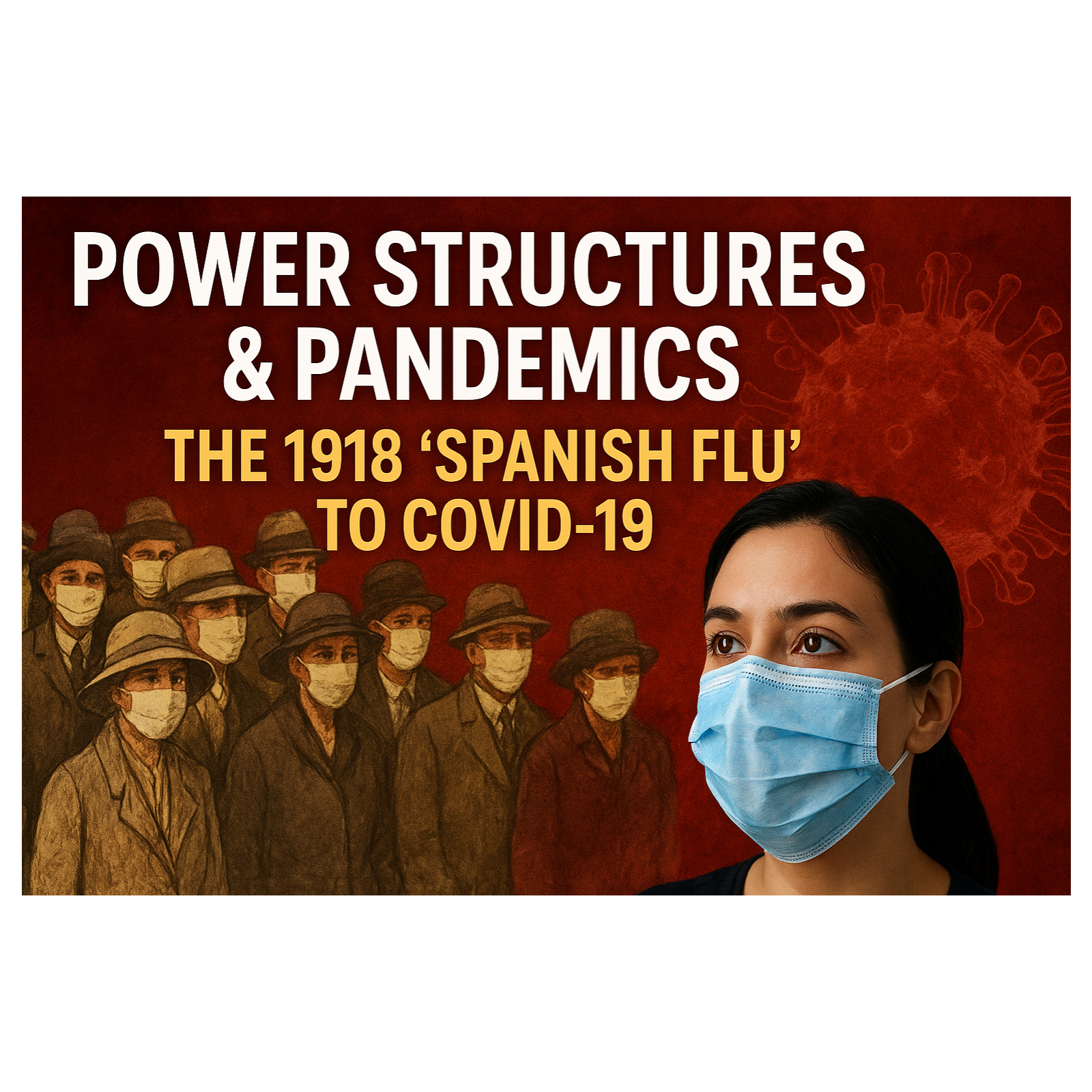
"Unfiltered" Political Lens PodcastPower Structures & Pandemics; "The 1918 "Spanish Flu" to COVID- 19"🔥 Pandemics & Power — Historical Echoes From the 1918 Flu to COVID-19 | Full Documentary📌 Ultimate SEO-Optimized YouTube DescriptionPandemics don’t just spread disease — they reshape governments, redefine global power, and expose the strengths and failures of society. Pandemics & Power dives deep into the political, social, psychological, and historical forces that emerge whenever humanity faces an invisible enemy.This documentary connects the 1918 Spanish Flu, COVID-19, SARS, avian flu, and other global outbreaks to examine a single question: 👉 How does power shift during a crisis — and who benefits when the world is afraid?If you are interested in...
2025-12-0917 min
历史的混响1918年11月11日:第一次世界大战结束——战火平息与和平曙光的降临晚上好,欢迎收听《历史的混响》,我是夕洋洋。今天是2025年11月10日。一百零七年前的明天,当清晨的薄雾还笼罩着法国贡比涅森林,一节编号2419D的火车车厢里正在上演改变世界历史的一幕。德国代表团在协约国联军总司令福煦元帅的注视下,签署了停战协定。这场持续了四年零三个多月的世界大战,终于在1918年11月11日上午11时正式画上句号。这场战争席卷全球三十多个国家,造成近千万军人阵亡,两千多万平民丧生,给人类历史留下了深刻的创伤记忆。要理解一战结束的历史意义,我们需要回到1918年秋天的欧洲战场。当时德军在西线发起的春季攻势已经失败,协约国军队在美国援军的支持下转入反攻。9月29日,保加利亚率先宣布退出战争;10月30日,奥斯曼土耳其帝国在穆德罗斯停战协定上签字;11月3日,奥匈帝国在帕多瓦签署停战书。德国陷入四面楚歌的境地,国内爆发十一月革命,基尔港水兵起义,柏林工人罢工,德皇威廉二世被迫于11月9日退位流亡荷兰。新成立的魏玛共和国政府面对军事溃败和经济崩溃的双重压力,不得不接受战败的现实。1918年11月8日清晨,德国代表团乘坐五辆汽车,穿越满目疮痍的西线战场,来到贡比涅森林的雷通德车站。福煦元帅的专列就停靠在这里。谈判在车厢内紧张进行,福煦提出的停战条件十分苛刻:德军必须在15天内撤出所有占领区,交出5000门火炮、25000挺机枪、1700架飞机、5000台机车和150艘潜艇。莱茵河左岸由协约国军队占领,右岸设立非军事区。德国代表团团长埃茨伯格试图争取更宽松的条件,但福煦态度坚决,最后通牒的截止时间定在11月11日上午11时。签字仪式在11月11日凌晨5时进行。当德国代表团成员在文件上签下名字时,福煦元帅只说了一句话:"先生们,这项工作完成了。去吧。"消息通过电报传遍世界,前线阵地上,士兵们难以置信地放下武器。在法国凡尔登,一位法国士兵在日记中写道:"11时整,寂静突然降临。这种寂静比炮火更令人震撼。"伦敦街头,人们自发聚集在白金汉宫前欢呼;纽约证券交易所暂停交易,交易员们抛洒彩带庆祝;柏林街头则是一片沉寂,战败的阴影笼罩着这座城市。这场战争的结束过程充满了历史的必然与偶然。1914年战争爆发时,各国都预计会是一场短暂的冲突。德军的施里芬计划原本计划六周内攻占巴黎,但在马恩河战役中受挫。西线很快陷入僵持,双方士兵在纵横交错的堑壕中对峙。1916年的凡尔登战役持续十个月,双方伤亡近百万人,被称为"绞肉机"。索姆河战役首日英军就伤亡六万人,创下英国军事史上最黑暗的一页。1917年美国参战改变了力量对比,而俄国爆发革命退出战争又让德军得以集中兵力于西线。1918年3月,德军在西线发动最后攻势,一度推进到距离巴黎仅60英里的地方。但此时美军每月有30万部队抵达欧洲,德军后勤不济,攻势最终失败。8月8日的亚眠战役中,协约国军队在坦克支援下突破德军防线,鲁登道夫后来称这一天为"德军的黑色日子"。到10月,德军防线全面崩溃,兴登堡防线被突破,败局已定。战争结束前的最后时刻,许多地方仍然发生了无谓的伤亡。在得知停战协议即将签署的消息后,一些指挥官仍然命令部队发动最后攻击。美国第313团在停战前一刻还在进攻色当,付出了不必要的牺牲。最令人痛心的是,在11月11日11时之前,整个西线仍有近三千人伤亡。加拿大士兵乔治·劳伦斯·普莱斯在停战前两分钟被狙击手打死,成为英联邦军队最后一名阵亡者。亨利·冈瑟在停战前60秒倒下,成为美军最后一名牺牲者。这些最后的牺牲者,成为战争荒谬性的最深刻注脚。停战协议签署后,欧洲各国开始了艰难的重建过程。城市需要重建,经济需要恢复,数以百万计的伤残军人需要安置。战争给一代人留下了深刻的心理创伤,"迷惘的一代"成为战后文学的重要主题。海明威在《永别了武器》中写道:"世界杀死最善良的人、最温和的人、最勇敢的人。如果你不是这几种人,那你大可以确信,他们也会杀死你,只不过不会那么着急而已。"雷马克的《西线无战事》更是直接展现了战争的残酷和士兵的幻灭。1919年召开的巴黎和会试图建立新的国际秩序。会议在凡尔赛宫镜厅举行,这正是1871年德意志帝国宣告成立的地方,具有强烈的象征意义。美国总统威尔逊提出"十四点原则",主张民族自决和国际合作。但最终签订的《凡尔赛和约》对德国施加了严厉惩罚:德国失去全部殖民地,割让13%的领土,赔偿1320亿金马克,陆军限制在10万人以内。法国元帅福煦在看到和约条款后预言:"这不是和平,只是二十年的休战。"历史不幸印证了他的预言。一战结束也改变了世界格局。奥匈帝国解体,分裂为奥地利、匈牙利、捷克斯洛伐克等国家;奥斯曼帝国瓦解,土耳其共和国成立;德意志帝国覆灭,魏玛共和国建立;俄罗斯帝国被苏维埃政权取代。国际联盟成立,试图通过多边机制维护和平,但由于美国没有加入,国联缺乏执行力。战争还促进了社会变革,女性在战争期间承担了更多社会责任,为争取选举权创造了条件。英国在1918年给予30岁以上女性选举权,美国1920年通过宪法第十九修正案给予女性选举权。科技在战争刺激下快速发展。飞机从侦察工具发展为战斗武器,出现了专门的战斗机和轰炸机。坦克首次投入实战,虽然可靠性差,但展示了机械化战争的潜力。毒气战开创了大规模杀伤性武器的先例。这些技术战后转为民用,推动了社会进步。航空运输发展,化学工业进步,医疗技术改善,都受益于战时科技发展。战争还改变了文化艺术领域。达达主义在苏黎世诞生,直接反抗战争的荒谬。立体主义、表现主义等现代艺术流派反思人类的生存状态。斯特拉文斯基的《春之祭》、乔伊斯的《尤利西斯》等作品打破了传统艺术形式,反映了战后世界的复杂性。值得注意的是,一战结束的方式为后世留下了深刻教训。战胜国对德国的过度惩罚,导致德国民族主义情绪发酵。1923年法国占领鲁尔区引发恶性通货膨胀,德国经济崩溃。世界经济大萧条进一步削弱了魏玛共和国。这些因素最终导致希特勒上台,引发更惨烈的第二次世界大战。这段历史提醒我们,真正的和平不仅需要停止战争,更需要公正的国际秩序和持久的和解努力。战后建立的国际秩序也存在缺陷。民族自决原则在实践中有选择性,殖民地人民的要求被忽视。这导致民族解放运动兴起,印度甘地领导非暴力不合作运动,埃及爆发反英起义,朝鲜发生三一运动。这些运动为二战后的去殖民化浪潮埋下伏笔。今天,当我们回顾1918年11月11日那个历史性的时刻,不禁思考和平的珍贵。每年这一天,许多国家都会举行纪念活动,缅怀逝者,祈愿和平。在伦敦,人们佩戴虞美人花纪念阵亡将士;在巴黎,无名烈士墓前的长明灯熠熠生辉;在华盛顿,阿灵顿国家公墓庄严肃穆。这些纪念仪式提醒我们,和平来之不易,需要共同维护。一战结束已经过去一个多世纪,但它的历史启示依然深刻。国际争端的解决不能依靠强权政治,民族自决原则需要得到尊重,集体安全机制需要不断完善。当今世界仍然面临地区冲突、恐怖主义等挑战,一战的历史教训告诉我们,对话协商比对抗更有效,合作共赢比零和博弈更可持续。战争带来的创伤需要几代人才能愈合,而和平的维护需要每个人的努力。从更广阔的视角看,一战标志着旧世界的终结和新世界的开始。帝国时代落幕,民族国家时代开启。战争加速了社会变革,推动了科技进步,改变了国际格局。但战争也提醒我们人性的脆弱和和平的珍贵。每一年的停战日纪念,都是对历史的反思,也是对未来的期许。感谢收听《历史的混响》,我是夕洋洋。明天同一时间,我们将继续探寻历史长河中的智慧闪光。再见。
2025-11-1011 min历史的混响1918年10月31日:奥地利共和国成立——奥匈帝国的落幕与中欧新秩序的诞生晚上好,欢迎收听《历史的混响》,我是夕洋洋。今天是2025年10月30日。一百零七年前的明天,维也纳霍夫堡皇宫的钟声最后一次为哈布斯堡王朝敲响,奥匈帝国最后一个皇帝卡尔一世签署退位诏书,宣告了这个延续五百多年的多民族帝国的终结。同一天,奥地利临时国民议会宣布成立德意志奥地利共和国,标志着中欧历史翻开了全新的一页。要理解这一历史转折的意义,我们需要将目光投向第一次世界大战末期的欧洲局势。1918年秋,持续四年的世界大战已进入最后阶段。奥匈帝国作为同盟国集团的重要成员,在战争中遭受了沉重打击。前线军队节节败退,后方经济濒临崩溃,粮食短缺引发普遍饥荒,帝国境内的民族矛盾也日益激化。奥匈帝国这个二元制君主国由奥地利和匈牙利两个主体部分组成,统治着包括捷克人、斯洛伐克人、波兰人、乌克兰人、克罗地亚人、斯洛文尼亚人在内的十多个民族。战争期间,帝国政府对少数民族的压制政策激起了强烈反抗。1918年春夏之交,各地罢工浪潮和民族运动此起彼伏,帝国统治的基础已经动摇。10月中旬,局势急转直下。美国总统威尔逊提出的十四点和平纲领明确支持奥匈帝国境内各民族的自决权利,这给帝国少数民族的独立运动提供了外部支持。10月28日,捷克斯洛伐克宣布独立;10月29日,斯洛文尼亚人、克罗地亚人和塞尔维亚人宣布成立新国家;10月30日,匈牙利宣布终止与奥地利的联合。至此,奥匈帝国实际上已经解体。在这种背景下,10月31日成为决定奥地利命运的关键一天。当天上午,奥地利议会的德语区议员聚集在维也纳下奥地利的议会大厦,宣布成立临时国民议会。下午三点,议会以压倒性多数通过决议,宣布成立德意志奥地利共和国。这个新国家宣称继承原奥匈帝国中德语区的领土,包括上奥地利、下奥地利、萨尔茨堡、蒂罗尔、施蒂利亚等地区。与此同时,在维也纳霍夫堡皇宫,末代皇帝卡尔一世面临艰难抉择。年仅31岁的皇帝在位不到两年,却要承担帝国解体的历史责任。在咨询了内阁成员和皇室顾问后,卡尔一世最终决定放弃参与国家事务,但保留皇帝称号。这一妥协性的退位方式为日后哈布斯堡王朝的政治活动留下了空间,也避免了可能发生的暴力革命。新成立的奥地利共和国面临着严峻挑战。首先是要确定国家疆域。临时政府主张的德意志奥地利范围包括波希米亚和摩拉维亚的德语区,但这些地区已经被新成立的捷克斯洛伐克控制。在南部的克恩顿和施蒂利亚地区,与斯洛文尼亚人的领土争议也十分激烈。这些边界问题成为后来巴黎和会上的重要议题。政治重建同样困难重重。1918年11月12日,临时国民议会正式宣布共和国成立,并通过了临时宪法。社会民主党人卡尔·伦纳出任首任总理,他领导的联合政府需要在内忧外患中稳定局势。战争造成的经济破坏极其严重,维也纳的粮食供应只能维持数周,工业生产几乎停滞,失业率居高不下。1919年9月10日,奥地利共和国在巴黎附近的圣日耳曼昂莱与协约国签署了和平条约。条约确认了奥地利的共和国地位,禁止德奥合并,并规定了严格的军备限制。奥地利失去了六成的领土和四成的人口,从一个多民族帝国的主体变成了一个以德语区为主的小国。这种巨大的身份转变需要民众慢慢适应。战后初期,奥地利政治格局呈现三足鼎立之势。社会民主党、基督教社会党和泛德意志民族主义者形成三大政治阵营,各自代表不同的建国理念。社会民主党主张建立议会制共和国,基督教社会党倾向于联邦制安排,而泛德意志派则坚持与德国合并的主张。这些分歧导致政局持续动荡。经济重建是共和国面临的另一大难题。1922年,奥地利遭遇严重通货膨胀和经济危机,不得不向国际联盟求助。在联盟监督下实施的财政改革计划帮助稳定了货币,但也使奥地利在经济上依赖外部援助。这一时期,维也纳的公共住房建设和社会福利制度改革取得显著成效,成为欧洲社会民主主义的典范。文化领域也经历了深刻变革。随着帝国解体,维也纳从帝国首都转变为共和国首都,失去了昔日的政治影响力,但仍然是重要的文化中心。这一时期涌现了包括斯蒂芬·茨威格、罗伯特·穆齐尔、阿诺德·勋伯格等在内的众多文化名人,他们的创作反映了战后奥地利社会的精神面貌。20世纪30年代,奥地利共和国面临新的危机。1933年,议会制政府停止运作,恩格尔伯特·陶尔斐斯建立了威权主义政权。1934年内战爆发,社会民主党被镇压。1938年,奥地利最终被纳粹德国吞并,第一共和国时期宣告结束。第二次世界大战后,奥地利重获独立,1955年宣布成为永久中立国。第二共和国时期,奥地利成功实现了政治稳定和经济繁荣,逐渐发展成为现代发达国家。回顾1918年10月31日这个历史性的日子,我们可以看到奥地利共和国的成立不仅是奥匈帝国解体的必然结果,也是中欧民族国家体系形成的重要环节。这个事件改变了中欧地区的政治地图,影响了整个20世纪欧洲的历史进程。从更广阔的视角看,奥地利共和国的历史经验具有普遍意义。它展示了一个多民族帝国如何转型为民族国家,也揭示了小国在大国夹缝中求生存的策略。奥地利的中立政策和文化软实力的发展,为其他小国提供了可资借鉴的经验。今天,当我们漫步在维也纳的环城大道,参观宏伟的帝国建筑时,依然能够感受到历史的厚重。从多民族帝国到中立共和国,奥地利的转型之路充满坎坷,但也展现了顽强的生命力。这个国家的历史告诉我们,身份的重塑和制度的创新是应对历史变革的关键。感谢收听《历史的混响》,我是夕洋洋。下期节目,我们将继续探寻历史长河中的精彩故事。再见。奥匈帝国的解体过程实际上是一个渐进的过程。早在1918年10月之前,帝国各地的民族运动就已经开始活跃。在布拉格,捷克民族委员会秘密筹备独立事宜;在萨格勒布,南斯拉夫民族主义者积极活动;在布达佩斯,匈牙利政治家们也在为独立做准备。这些活动都是在维也纳中央政府逐渐失去控制力的背景下进行的。10月16日,卡尔一世发布诏书,提议将奥地利改组为联邦制国家,但为时已晚。各民族领导人已经不再信任哈布斯堡王朝的改革承诺。10月21日,奥地利临时国民议会成立,开始行使立法职能。这个由德语区议员组成的议会实际上已经成为奥地利的管理机构。10月31日当天的具体情况值得详细描述。上午九点,议员们聚集在议会大厦。会议气氛紧张,大家都在等待匈牙利方面的消息。当匈牙利宣布独立的正式文件送达时,会场爆发了激烈的讨论。下午的投票过程中,议员们表达了不同的建国理念。有些人希望保持与德国的紧密联系,有些人则主张完全独立。最终,"德意志奥地利共和国"的国名体现了当时的妥协态度。卡尔一世的退位过程也颇具戏剧性。这位年轻皇帝在10月底连续召开御前会议,听取各方意见。军方代表报告说军队已经无法控制局势,文官政府则建议和平过渡。10月31日晚,卡尔一世在退位诏书上签字后,连夜离开了霍夫堡皇宫。此后,他先后流亡瑞士、马德拉岛,最终在流亡地去世。新共和国面临的挑战远超预期。1918年11月,维也纳的粮食储备只够维持十天。煤炭短缺导致供暖中断,流感疫情肆虐,社会秩序濒临崩溃。首任总理卡尔·伦纳组建的联合政府需要同时应对多重危机。政府实施了粮食配给制,组织失业者参与公共工程,并与邻国谈判贸易协定,勉强维持了社会运转。1919年的巴黎和会上,奥地利代表团处境艰难。作为战败国,奥地利的谈判空间十分有限。代表团团长卡尔·伦纳凭借出色的外交技巧,为奥地利争取到相对有利的条款。圣日耳曼条约虽然使奥地利失去了大量领土,但至少保全了共和国的独立地位。1920年代,奥地利经历了艰难的经济转型。失去帝国市场后,工业企业需要重新寻找销路。1922年的国际贷款帮助稳定了货币,但也使奥地利受制于外部监督。这一时期,维也纳实施了大规模的社会改革,建立了欧洲最早的社会保障体系之一,为后来的福利国家模式奠定了基础。文化领域的变革同样深刻。维也纳的咖啡馆仍然是知识分子聚集的场所,但讨论的话题已经从帝国荣光转向共和国建设。弗洛伊德的精神分析学说、维也纳学派的逻辑实证主义、勋伯格的十二音体系,这些创新思想都诞生在这个动荡而富有创造力的时期。1930年代的政治危机有其深层次原因。第一共和国时期的政治制度存在缺陷,比例代表制导致政府更迭频繁,左右两翼的极端对立使民主制度难以运作。1933年的宪法危机和1934年的内战,实际上是这些结构性问题的总爆发。1938年德奥合并的过程值得深入分析。纳粹德国对奥地利的渗透早在合并前就已开始。奥地利纳粹党在地下活动多年,得到了德国的大量支持。当德国军队越过边界时,相当一部分奥地利民众持欢迎态度。这一历史教训促使二战后奥地利特别重视国家认同教育。1955年的国家条约和永久中立宣言,标志着奥地利找到了适合自身的发展道路。第二共和国成功避免了第一共和国的错误,建立了稳定的民主制度。奥地利的中立政策使其在冷战时期发挥了独特的桥梁作用,维也纳成为东西方对话的重要平台。
2025-10-3014 min历史的混响1918年10月21日:从奥匈帝国阴影到独立曙光——捷克斯洛伐克的诞生与一个民族的百年觉醒晚上好,欢迎收听《历史的混响》,我是夕洋洋。今天是2025年10月20日。一百零七年前的明天,在美国宾夕法尼亚州的匹兹堡市,一间普通的会议室里,几位西装革履的男子围坐在桌前。他们中有历史学家、律师、记者,还有从欧洲战场上辗转而来的流亡者。桌上摊开的,是一份尚未完成的文件——当最后一笔落下时,这份文件有了名字:《匹兹堡协定》。它宣告的,是一个被奥匈帝国统治了近三百年的民族,即将迎来属于自己的国家:捷克斯洛伐克。这一天,距离第一次世界大战结束还有23天,奥匈帝国这台运转了五百年的“多民族战争机器”已濒临散架。捷克与斯洛伐克的精英们抓住了这个历史缝隙,用自己的行动,在欧洲地图上画下了一道新的国界线。今天,我们就从这段被尘埃覆盖的历史说起,聊聊捷克斯洛伐克如何从一个帝国的“边缘地带”,变成一个独立的国家,以及这场独立背后,一个民族百年的挣扎、觉醒与抉择。要理解1918年10月21日的意义,得先把时间拨回更久远的过去。捷克斯洛伐克的国土,大致覆盖今天的捷克和斯洛伐克两国,自古就是多民族交汇的“十字路口”。公元9世纪,这里曾崛起过大摩拉维亚公国——一个由斯拉夫人建立的早期国家,虽短暂却为后来的捷克与斯洛伐克留下了共同的文化基因。到了10世纪,捷克地区的波西米亚公国逐渐壮大,成为神圣罗马帝国的一部分;而斯洛伐克则在11世纪被匈牙利王国征服,从此与捷克分属不同的政治实体。这种分离持续了数百年。到了16世纪,哈布斯堡家族入主波西米亚,捷克地区成为奥地利帝国的一部分;而斯洛伐克则随匈牙利一起,被纳入哈布斯堡的“二元帝国”(奥地利与匈牙利共治)。从此,捷克与斯洛伐克虽同属斯拉夫人,却一个在奥地利治下,一个在匈牙利治下,语言、文化虽相近,政治上却长期割裂。这种割裂,在19世纪民族主义浪潮兴起时,成了最尖锐的矛盾。1848年欧洲革命期间,捷克知识分子首次提出“统一捷克与斯洛伐克”的主张。诗人马哈在《五月》里写道:“我们同是斯拉夫人,为何要被不同的王冠压着?”但那时的奥匈帝国,根本容不得这样的声音。作为“欧洲的宪兵”,哈布斯堡王朝对境内少数民族采取高压政策:在捷克,德语是官方语言,学校禁止教授捷克语;在斯洛伐克,匈牙利化政策更彻底——教堂的祈祷文必须用匈牙利语,孩子的名字要改成匈牙利式,连姓氏都要加“-i”后缀。转机出现在19世纪末。随着工业革命推进,捷克地区的波西米亚成为奥匈帝国的工业心脏:这里有欧洲最先进的钢铁厂、纺织厂,铁路网密度居帝国之首。经济的崛起,让捷克资产阶级和知识分子有了更强的话语权。1891年,布拉格大学的捷克裔历史教授托马斯·马萨里克,开始在课堂上公开宣讲:“捷克与斯洛伐克的语言同源,神话共享,我们有权利组成一个属于自己的民族国家。”他的演讲被制成小册子,在民间悄悄流传。但真正的独立运动,始于一场战争——第一次世界大战。1914年,奥匈帝国以“萨拉热窝事件”为由向塞尔维亚宣战,卷入了这场吞噬欧洲的灾难。战争期间,奥匈帝国强征了超过300万士兵,其中近百万是捷克与斯洛伐克人。这些年轻人被送到东线与俄国作战,在零下四十度的战壕里啃黑面包,用生锈的步枪对抗俄军的炮火。马萨里克曾收到一名捷克士兵的家书,信里写道:“长官骂我们是‘奥地利的狗’‘斯拉夫的废物’,可我们连自己的语言都不许说。我死了,连墓碑上都不能刻‘捷克人’,只能刻‘奥地利臣民’。”这样的控诉,刺痛了马萨里克。1915年,他以“学术交流”为名流亡美国,与另一位捷克领袖爱德华·贝奈斯会合——贝奈斯是律师出身,擅长国际法,两人一拍即合,决定在美国成立“捷克斯洛伐克民族委员会”,向国际社会宣传独立诉求。他们的游说并不顺利。当时的国际政治奉行“强权即公理”,弱小民族的声音常被忽视。但1917年俄国十月革命的爆发,改变了局势。列宁领导的苏俄宣布退出战争,并提出“民族自决”原则——每个民族都有权决定自己的政治归属。马萨里克立刻抓住这个机会,向美国总统威尔逊递交了一份长达20页的备忘录,里面详细列举了捷克斯洛伐克的历史、人口、文化,最后写道:“我们有1000万人口,有成熟的议会传统,有独立的报纸和学校,完全符合‘民族自决’的条件。”威尔逊被这份备忘录打动。他在1918年的国情咨文中提到:“捷克斯洛伐克人民有权选择自己的命运。”这句话像一颗火种,点燃了欧洲被压迫民族的希望。1918年,奥匈帝国的崩溃进入倒计时。9月,保加利亚率先向协约国投降;10月,奥地利首都维也纳爆发革命,皇帝卡尔一世被迫宣布“放弃参与国家政务”。消息传到布拉格,街头立刻沸腾了——人们涌上瓦茨拉夫广场,撕毁哈布斯堡家族的双头鹰旗帜,高呼“捷克斯洛伐克万岁!”但真正的“独立时刻”,发生在10月21日的匹兹堡。这一天,马萨里克与贝奈斯召集了来自捷克和斯洛伐克的20名代表,其中包括捷克工人运动领袖安托宁·诺沃提尼,斯洛伐克教师扬·什图尔。会议从上午10点持续到深夜。争议的焦点集中在两点:其一,捷克与斯洛伐克是否必须合并?其二,新国家该实行何种政体?斯洛伐克代表什图尔起初有些犹豫:“我们与捷克历史不同,语言也有差异,真的要绑在一起吗?”马萨里克拿出了一份研究报告:“在奥匈帝国统治下,我们都被禁止使用本民族语言。但如果独立,我们可以共同制定语言政策,让捷克语和斯洛伐克语都成为官方语言。”贝奈斯补充道:“经济上,捷克的工业与斯洛伐克的农业互补,合并后能更快重建。”经过三天讨论,代表们最终签署了《匹兹堡协定》,明确三点:第一,捷克斯洛伐克是一个不可分割的民主共和国;第二,捷克语和斯洛伐克语同为官方语言;第三,国家实行联邦制,保障各民族平等权利。这份协定,为新国家的诞生奠定了法律基础。10月28日,布拉格的民族委员会正式宣布“捷克斯洛伐克共和国成立”,并推举马萨里克为总统。但很少有人知道,10月21日的匹兹堡会议,才是这个国家真正的“起点”——它解决了捷克与斯洛伐克“是否联合”的核心问题,让“捷克斯洛伐克”从一个模糊的概念,变成了一个有宪法、有纲领的政治实体。独立后的捷克斯洛伐克,面临着重重挑战。首先是领土划分。奥匈帝国解体时,捷克地区包含了大量德意志人聚居的苏台德地区(约占全国人口的30%),斯洛伐克则与匈牙利有1000多公里的边界争议。马萨里克不得不与德国、匈牙利谈判,甚至请国际联盟介入,才勉强确定了国界。其次是经济重建。长期的战争让工厂停工、铁路瘫痪,新政府不得不发行国债,向英法等国寻求援助。但这些困难,挡不住捷克斯洛伐克人对未来的热情。他们在宪法里写明:“所有公民不分民族、宗教、性别,享有平等权利”;他们建立免费的公立学校,推广统一的“捷克-斯洛伐克语”教育;他们利用波西米亚的传统工艺,发展钢铁、纺织、玻璃制造业,很快成为欧洲的工业强国。到1930年,捷克斯洛伐克的人均GDP已超过意大利,成为中东欧最富裕的国家之一。回顾这段历史,我们会发现:捷克斯洛伐克的独立,不是偶然的“运气”,而是一个民族用了一百年的抗争换来的。从19世纪马萨里克的“民族自决”理论,到20世纪初贝奈斯的国际游说;从一战中士兵的血泪控诉,到匹兹堡会议上代表们的激烈辩论——每一步都走得艰难却坚定。更重要的是,它证明了:当一个民族有了清晰的自我认同,有了团结的领导者,再加上国际形势的机遇,即使曾被压迫千年,也能创造出属于自己的国家。正如马萨里克在就职演说里说的:“我们不是从别人手里抢来土地,我们是在收回本就属于我们的家园。”一百零七年后的今天,捷克斯洛伐克已成为历史——1993年,它和平分裂为捷克和斯洛伐克两个国家。但1918年10月21日的那份协定,依然值得被铭记。它不仅是一个国家的诞生证明,更是一面镜子,照见了所有被压迫民族对自由的渴望,照见了人类对“自决”与“尊严”的永恒追求。1918年10月21日,匹兹堡的会议室里,几支笔落下,一个国家诞生了。这个故事告诉我们:历史的转折,往往藏在看似普通的文件里,藏在普通人“不再沉默”的选择里。而所谓“独立”,从来不是一个结果,而是一段永不停歇的奋斗——奋斗着,让自己的声音被听见;奋斗着,让属于自己的国家,站在世界的地图上。感谢收听《历史的混响》,我是夕洋洋。一百零七年前的今天,一群人用一份协定,为一个民族写下了新的序章。历史从不是冰冷的年份,它是无数人的勇气与坚持,是“我们终将自由”的信念回响。我们下期再会,晚安。
2025-10-2011 min历史的混响1918年8月19日:虎跑寺的晨钟——李叔同为何选择“遁入空门”晚上好,欢迎收听《历史的混响》,我是夕洋洋。今天是2025年8月18日。107年前的明天,1918年8月19日,杭州西湖边的虎跑寺里,一声悠长的钟磬划破了晨雾。一位身着灰色僧袍的中年男子跪在蒲团上,双手合十,对着佛像深深三拜。他面前的香案上,摆着剪断的发簪、褪色的西装,还有一封未寄出的家书——这封家书的落款,曾是“上海图画美术院院长李叔同”,而此刻,他将正式更名为“演音”,号“弘一”。这位让无数人惊叹“转身”的男子,正是中国近代史上最具传奇色彩的文化大家之一。从“二十文章惊海内”的艺术天才,到“重兴南山律宗”的一代高僧,李叔同的出家,不仅是个人命运的转折,更折射出一个时代的文化焦虑与精神探索。今天,我们就从这声晨钟说起,聊聊这位“弘一法师”的前世今生。要理解李叔同为何选择出家,得先认识他“前半生”的模样。1880年,李叔同出生于浙江平湖的一个官宦世家。父亲李世珍是清朝举人,曾任吏部主事,家境殷实;母亲王氏出身书香门第,擅长诗词。优渥的家境让他自幼接受了系统的传统教育——6岁读《三字经》,10岁学《论语》,15岁能作诗填词,17岁考中秀才。但与传统文人不同的是,李叔同对“新学”有着强烈的好奇。1898年,戊戌变法失败,18岁的李叔同随母亲迁居上海。这座刚刚开埠的“十里洋场”,让他第一次接触到了西方文化:他在《时务报》上发表诗词,在城隍庙的旧书摊淘到了《天演论》,甚至在教会学校里学过英文。1901年,他考入南洋公学(今上海交通大学前身),师从蔡元培先生,系统学习了哲学、文学、美学。1905年,25岁的李叔同做出了一个让所有人震惊的决定:东渡日本留学。他放弃了科举仕途,在东京美术学校学习油画,同时在音乐学校攻读钢琴与作曲。在日本,他接触到了西方现代艺术、戏剧和佛教思想。他参演过话剧《茶花女》,是中国首位男扮女装登台表演的演员;他创办了《音乐小杂志》,是中国最早的音乐期刊之一;他跟随日本律师学习法律,甚至一度想成为“国际律师”。1910年,李叔同学成回国,此时的他已是“学贯中西”的文化名人。他先后在天津直隶高等工业学堂、上海城东女学任教,教授图画、音乐和文学;他与友人创办了“上海书画公会”,推动传统书画与西方艺术的融合;他创作的歌曲《送别》(“长亭外,古道边,芳草碧连天”)风靡全国,至今仍是经典。在朋友眼中,李叔同是“全才”:他能写一手漂亮的魏碑,画得一手传神的仕女图,弹得一手动人的钢琴,甚至能用日语翻译莎士比亚的戏剧。他的生活精致而热烈——穿西装、吃西餐、出入社交场合,与当时的名流如梁启超、蔡元培、欧阳予倩等交往密切。但谁能想到,这样一位“活在当下”的文化达人,会在1918年的夏天,突然选择“遁入空门”?关于李叔同出家的直接原因,历史资料中没有明确的“一句话答案”,但我们可以从他的书信、日记和朋友回忆中,拼凑出一些线索。首先是“人生无常”的感悟。李叔同的父母早逝——父亲在他15岁时病逝,母亲在他26岁时离世。母亲的葬礼上,他写下了“哀痛何极,涕泗横流”的祭文,第一次深刻体会到“生死”的重量。此后,他的人生中接连遭遇变故:1909年,他的长子李准出生后不久夭折;1911年,他的次子李端出生,却在1914年因猩红热夭折。孩子的夭折让他痛苦,也让他开始思考:“人活一世,究竟为何而来?财富、名声,是否能抵御生离死别的痛苦?”其次是“艺术救国”的幻灭。辛亥革命后,李叔同曾满怀希望地投身教育,希望通过艺术培养“新国民”。他在《太平洋画报》上呼吁“以美育代宗教”,在上海图画美术院(今南京艺术学院前身)推行“自由创作”的教学理念。但随着时间推移,他逐渐失望——军阀混战让社会动荡,学生的学费常被拖欠,连学校的教室都因欠租被查封。他在给友人的信中写道:“我教学生画玫瑰,可他们的书包里装着的是饥饿;我教学生唱《送别》,可他们的耳边响的是枪炮声。这样的艺术,有什么用?”更关键的是对“佛教”的重新认识。李叔同早年接触过佛教,但多是“文人雅趣”——他喜欢读《金刚经》,欣赏禅宗的机锋,却从未想过“出家”。1915年,他在杭州结识了高僧了悟法师,两人常在一起谈经论道。了悟法师告诉他:“艺术是‘相’,佛法是‘心’。若能以佛心观艺术,方知‘万法归一’。”这句话像一颗种子,在他心里慢慢发芽。1918年春天,李叔同的妻子俞蓉儿带着两个孩子从天津来到上海。此时的他,已多次向妻子透露“想出家”的念头。俞蓉儿哭着问他:“你放得下这个家吗?”他沉默良久,说:“我不是放得下,是必须放下。”1918年8月19日清晨,杭州虎跑寺的晨雾还未散去。李叔同穿着一身灰色僧袍,站在寺门口的老槐树下。他的身后,跟着他的学生丰子恺、刘质平,还有几位好友。丰子恺后来回忆:“老师的脸色很平静,眼睛里却有泪光。他说:‘今天,我要和过去的李叔同告别了。’”按照佛教仪轨,剃度仪式在寺内的“天王殿”举行。住持了悟法师为他剪断发簪,剃去头发,又为他授了“三皈五戒”。当最后一缕青丝飘落时,李叔同双手合十,轻声说:“从今往后,我就是弘一。”仪式结束后,弘一法师在虎跑寺的客房里整理行李。他的行李很简单:几件换洗的僧衣,一本《金刚经》,还有半箱未完成的画稿。他给丰子恺写了一封信:“余今出家,实为悲悯众生,非厌世也。愿君继续以艺术唤醒世人,余则以佛法护持众生。”弘一法师的出家,在当时的文化界引起了巨大震动。有人惋惜:“中国失去了一位艺术大师!”有人不解:“好好的日子不过,何必去当和尚?”也有人敬佩:“这才是真正的‘大彻大悟’。”但弘一法师本人,却从未后悔这个选择。出家后,他隐居在浙江、福建的寺庙中,潜心研究律宗——这是佛教中最注重戒律的宗派,强调“以戒为师”。他整理了《四分律比丘戒相表记》《南山律在家备览》等佛教经典,成为中国近代律宗的集大成者。他还创办了“南山律学院”,培养了一批年轻的僧才,其中许多人后来成为佛教界的栋梁。更难得的是,弘一法师始终保持着一颗“慈悲心”。他不顾年迈,深入山区为农民说法;他用自己的积蓄赈济灾民,在抗日战争期间组织“僧侣救护队”,救治受伤的士兵。1937年,他在厦门南普陀寺演讲时说:“佛法不是避世的,而是入世的。真正的修行,是在生活中修,在苦难中修。”1942年10月13日,弘一法师在福建泉州温陵养老院圆寂,享年63岁。临终前,他写下“悲欣交集”四个字,既是对一生的总结,也是对众生的祝福。1918年8月19日的虎跑寺晨钟,不仅是一位文化名人的“转身”,更是一个时代的“精神注脚”。李叔同的出家,不是对艺术的放弃,而是对“生命意义”的重新追问;不是对社会的逃离,而是以另一种方式参与社会——他用佛法滋养心灵,用戒律规范行为,用慈悲温暖人间。从“李叔同”到“弘一法师”,从“艺术天才”到“律宗高僧”,他的一生都在探索“如何活得更通透”。正如他在《晚晴集》中所写:“执象而求,咫尺千里;观物外之物,思身后之身。”今天,当我们站在虎跑寺的古银杏树下,听着风吹过经幡的声音,或许会明白:真正的“自由”,不是随心所欲,而是看清生活的真相后,依然选择热爱;真正的“成功”,不是名满天下,而是找到内心的安宁,并用这份安宁照亮他人。感谢收听《历史的混响》。我是夕洋洋。1918年8月19日的虎跑寺晨钟,不仅唤醒了一位高僧,更唤醒了我们对“生命意义”的思考。愿我们都能在喧嚣中保持清醒,在平凡中找到属于自己的“澄明”。我们下期再会。晚安。
2025-08-1810 min
ADDITIONAL HISTORY: Headlines You Probably MissedEpisode 237 - February 19, 1918Today's episode is a bit unique. The date I chose is February 19, 1918, but the event actually lasted for many months, and the exact day it began can't quite be pinpointed. This episode is about the devastating Spanish flu--a pandemic that affected millions around the world. Although many were focused on their health, it wasn't the only thing making headlines. What else was being reported at that time?SOURCES“341 F. A. Band Notes.” Trench and Camp (Fort Riley, Kansas), March 23, 1918. “Advertisement: Hlil’s Bromide Cascara Quinine.” Burlington Daily News (Burlington, Vermont), January 30, 1919. www.newspapers.com. Benji...
2025-07-0747 min
Horrorwood: True Crime in TinseltownThe Circus Train Tragedy of 1918At its peak, the Hagenbeck-Wallace Circus was one of the largest traveling shows in the country—until a tragic train wreck in 1918 brought it to a screeching halt. This story follows the rise of the American circus, the crash that claimed dozens of lives near Hammond, Indiana, and the haunting legacy of Showmen’s Rest, where many of the victims are buried. It’s a tale of spectacle, sorrow, and the circus community’s motto: the show must go on.
Episode Sources:
“The Great Circus Train Wreck of 1918: Tragedy on the Indiana Lakeshore” by Richard M...
2025-06-161h 08历史的混响1918年6月6日:民族资本的觉醒——北京证券交易所开业晚上好,欢迎收听《历史的混响》,我是夕洋洋。明天是2025年6月6日,我们将时光回溯107年,聚焦于公元1918年的同一天,在古老的北京城发生了一件在中国近代金融史上具有开创意义的大事:北京证券交易所正式开业营业。这是在中国土地上,由中国人自己创办、自主经营的第一家现代意义上的证券交易所。它虽然短暂,但其诞生在特殊的历史节点,承载着民族资本发展的期望,是近代中国力图融入世界经济浪潮、构建自主金融体系的一次重要尝试。今天,我们就来详细讲述1918年6月6日这个对于中国金融界而言值得纪念的日子。要理解北京证券交易所诞生的背景和意义,我们得把目光拉回到那个动荡而又充满变革气息的年代——20世纪初期的中华民国。1911年辛亥革命推翻了满清王朝,建立了亚洲第一个共和国。然而,新生的民国政权基础不稳,内外交困。1916年,袁世凯称帝闹剧失败后,中央政府权威进一步削弱,中国进入了北洋军阀混战的割据时期,史称“北洋政府时期”。中央和地方军阀林立,政局纷乱。但是,与经济活动的活跃相比,政治的混乱呈现了一种奇特的对比。尤其是在第一次世界大战(1914-1918年)期间,西方列强忙于欧洲战事,暂时放松了对中国的经济侵略和商品倾销。这为中国民族资本主义的工商业发展提供了一个难得的喘息与发展空间。纺织、面粉、火柴、化工等轻工业迎来了一个被称作“民族工业短暂春天”的繁荣期。工厂如雨后春笋般建立,民族资本家积累了财富,国内资本开始活跃。资本活跃,就必然需要流通和增值的场所。在西方资本主义国家,股票和债券的交易已有数百年历史,证券交易所是其资本市场的核心枢纽。然而在当时的中国,虽然已有零星的股票交易行为(主要在外国人开的咖啡馆等地进行私下交易),但正规化、集中化的证券交易所仍是空白。金融市场呈现出分散、落后、混乱的状态,缺乏有效的融资和交易渠道。外国在华资本凭借其强势地位,主导着当时中国的金融格局,中国的民族资本缺乏自己的舞台和话语权。随着国内工商业的发展和公债发行的增加(北洋政府为了解决财政困难,大量发行各种名目的公债,即政府借钱凭证),这种需求变得尤为迫切。特别是大量发行的政府公债,迫切需要有一个公开、透明、便捷的交易市场进行流通和定价。原有的私下交易或柜台交易方式,效率低下,信息不透明,价格混乱,风险也高。正是在这样的时代背景下,创办中国人自己的证券交易所的呼声日益高涨。这个设想的提出与一群具有远见卓识的民族资本家紧密相关。其中,一位关键人物是当时著名的实业家和金融活动家——虞洽卿(字和德)。虞洽卿是江浙财团的重要代表,他看到了西方金融体系的先进性和对中国经济的掣肘,深刻认识到建立民族资本自己的交易平台对于发展实业、聚拢资本、抗衡外商金融力量的重要性。在他的积极倡议和奔走之下,这一设想得到了当时工商业界和金融界许多有识之士的响应和支持。当然,设立交易所这样的大事,不仅需要民间的动力,也离不开政府的许可和规范。当时的北洋政府,尽管政坛动荡,但也意识到规范金融市场、支持经济发展的必要性。主管全国农工商实业的中央政府机构——农商部,对建立证券交易所的计划给予了重要支持。经过必要的调查、讨论和法规制定,1917年,农商部正式批准了在北京和上海两地设立证券交易所的申请。1918年初,具体的筹备工作在北京紧锣密鼓地展开。筹备者们决定将交易所的地址设在当时北京城最繁华的商业区之一——前门外的西河沿街一带(大致在今天的北京前门地区)。这个位置交通便利,靠近商业中心和银行机构聚集区。接下来是组建交易所的组织机构,设定规章制度,招募会员(即具备一定资质,能在所内直接进行交易的经纪商号或个人),布置交易大厅等等。这些细节的规划和落实,都是为了确保这个新生的金融机构能够规范运行。经过几个月的紧张筹备,1918年6月5日,北京证券交易所举行了成立大会。大会选出了交易所的领导人——理事和监事,并正式宣告了交易所的诞生。翌日,也就是1918年6月6日,经过精心准备的北京证券交易所在前门外正式挂牌,敲响了开业的钟声(或者当时可能是某种形式的开业宣告)。这一天,在中国金融史上具有里程碑意义——中国人自主创办的第一家正规证券交易所,从此登上了历史舞台。开业之初的北京证券交易所,其规模自然无法与当时西方的成熟大交易所相比,甚至也小于后来成立的上海交易所(1920年成立)。它主要交易的是两大类证券:1. 政府公债: 这是当时最主要的交易品种。北洋政府为了维持运转、支付军费、偿还债务等,大量发行各种名目的公债,如“民国三年公债”、“民国四年公债”等。这些公债成为交易所里最活跃、交易量最大的金融工具。2. 企业股票: 交易所也上市交易一些规模较大、经营较好的民族工商业企业的股票。这些企业涵盖了银行(如中国银行、交通银行等)、煤矿、面粉厂、纺织厂等当时重要的行业。虽然当时数量还不算多,但为企业融资打开了一扇新的大门。交易所采用会员制度,只有成为会员的经纪商(称为“经纪人”)才能在交易大厅内直接代理客户或自营买卖证券。大厅内挂有标牌显示最新价格,交易员们通过公开喊价、手势等方式进行买卖撮合,遵循“时间优先、价格优先”的原则,形成了一个初步的集中公开竞价的交易机制。尽管设施可能相对简陋,流程也可能需要磨合,但这已经是当时中国金融市场走向规范化、现代化的重大进步。北京证券交易所的开业,正值第一次世界大战接近尾声,全球经济格局面临重构的微妙时刻。它在一定程度上促进了国内公债市场的流通性,提高了交易的效率和透明度,有利于降低融资成本(尽管北洋政府的信用始终是个问题)。更重要的是,它为民族企业开辟了一条全新的直接融资渠道。企业可以通过在交易所上市发行股票,直接向公众募集发展所需的资金,这比过去依靠家族积累、钱庄借贷或者外商贷款有了更多选择。这对于那个渴望“实业救国”的时代,意义非凡。交易所的开办也大大刺激了金融人才的培养和金融知识的传播。围绕交易所的活动,催生了一批专业的经纪人、证券分析人士(当时可能还比较初级)和投资者。相关的金融报道也日益增多,客观上提高了社会对现代金融、公司制度、证券投资等方面的认知水平。当然,历史的发展总是充满曲折。北京证券交易所的辉煌时期相对短暂。上世纪20年代中后期以后,中国的经济政治环境持续恶化。特别是南京国民政府成立后(1927年),其金融重心逐渐南移至上海。上海凭借其更为雄厚的经济基础、优越的地理位置和对国内外资本的巨大吸引力,后来居上,其成立的上海华商证券交易所和上海证券物品交易所(后来合并)迅速成为全国性的金融中心。北京的政治中心地位逐渐弱化,北交所在资金、人才、交易规模等方面都无法与上海相比。加上后来日本侵华战争的爆发(1937年),整个华北局势动荡,北京证券交易所的经营不可避免地受到沉重打击,最终在1949年新中国成立前夕宣告结束。尽管如此,1918年6月6日北京证券交易所的开业,其历史价值绝不能抹杀。它作为“中国人自办第一家证交所”的地位毋庸置疑。它是在民族资本有所积累、国人努力探索自主发展道路的特定历史条件下应运而生的产物。它标志着近代中国在金融市场体系建设上迈出的关键一步,是民族经济力图挣脱束缚、追求市场化、规范化运行的一次勇敢实践。它的诞生,本身就是一种觉醒和尝试,为后来上海金融市场的崛起和中国证券业的发展积累了宝贵的经验,播下了现代金融的种子。当我们回望那个充满变革与希望的1918年夏天,北京前门外那座交易所的开启,仿佛打开了一扇中国金融走向近代化的大门,即使这扇门后的道路并非坦途。它证明了在那个动荡的年代,依然有一批先行者在为构建独立自主的经济体系而努力前行。感谢收听今天的《历史的混响》。我是夕洋洋,希望这段关于中国金融起点的故事能给你带来一些思考。晚安。
2025-06-0511 minADDITIONAL HISTORY: Headlines You Probably MissedMarch 31, 1918On March 31, 1918, the United States did something they'd never done before. They moved their clocks. Yes, it was the first time Daylight Savings Time was observed. Why did it start and why is it still going? And, what else was making headlines on the same day sleep cycles all over the country got a little messed up?SOUND SOURCES“Advertisement: Idaho Power Company.” The Idaho Statesman (Boise, Idaho), March 31, 1918. ww.newspapers.com.“Ancestry.Com: Drafts, Censuses, Divorce Records.” 1940 United States federal census - ancestry.com. Accessed October 10, 2024.https://www.ancestry.com/discoveryui-content/view/425845:2442. “Capt. Albert Barr Now In Cam...
2025-03-3133 min
la Feuille d'Avis OfficieuxFormation et Culture - La Grève Générale de 1918 - partie 4Dans cette première série d’épisodes de la section Formation et Culture de la Feuille d’Avis Officieux, nous allons aborder la grève générale de 1918.
Cette quatrième et dernière partie vous propose une plongée dans l’historiographie de la Grève générale de 1918. Ou comment l’histoire s’est-elle écrite autour de cet événement important de notre passé?
Merci de nous aider à écrire de nouveaux épisodes en remplissant ce petit questionnaire les personnalités qui ont donné leur nom à une rue lausannoise:
https://forms.gle/LuAmZhsg4CD4smm89
Sou...
2024-04-0440 minla Feuille d'Avis OfficieuxFormation et Culture - La Grève Générale de 1918 - partie 2Dans cette première série d’épisodes de la section Formation et Culture de la Feuille d’Avis Officieux, nous allons aborder la grève générale de 1918.
Cette deuxième partie propose une mise en contexte jusqu’à de début 1917 à l’été 1918.
Merci de nous aider à écrire de nouveaux épisodes en remplissant ce petit questionnaire les personnalités qui ont donné leur nom à une rue lausannoise:
https://forms.gle/LuAmZhsg4CD4smm89
Sources:
J.-C. Rennwald et . Zimmermann, la grève générale de 1918 en Suisse, éditions Livrei Alphil, 2018
T. Maissen, Histo...
2024-01-2425 min
Wszechnica FWW - Historia632. Wprowadzenie do wystawy "Krzycząc: Polska! Niepodległa 1918" / dr Piotr RypsonWykład wprowadzający do wystawy „Krzycząc: Polska! Niepodległa 1918”. Muzeum Narodowe w Warszawie, 8 listopada 2018 [0h56min]
https://wszechnica.org.pl/wyklad/wprowadzenie-do-wystawy-krzyczac-polska-niepodlegla-1918-mnw/
Wystawa Muzeum Narodowego w Warszawie „Krzycząc: Polska! Niepodległa 1918” zorganizowana została na cześć 100-lecia odzyskania Niepodległości. Jej głównym założeniem jest skonfrontowanie przedstawień wydarzeń historycznych i politycznych z przemianami polskiej sztuki na progu Niepodległości. Wykład wprowadzający do wystawy wygłosił dr Piotr Rypson, kurator wystawy.
W zbiorowej pamięci Polaków obraz dramatycznych wydarzeń w wyniku których Polska odzyskała niepodległość jest niewyraźny i zatarty. Na pierwszy plan...
2023-11-1456 min
The Shipwreck ArchivesThe Florizel is Behind Time (1918)“The first news of the disaster was picked up by the admiralty wireless station at Mount Pearl, in a radio from the stranded ship: ‘S.O.S. Florizel ashore near Cape Race. Fast going to pieces.’” The Evening Telegraph, St John’s, February 25, 1918. The news was quickly communicated to the owners of the ship, who received the information around five a.m., and by 4 p.m. a relief train full of doctors, nurses, and medical supplies was on its way to the scene, as was a ship full of life-saving tools and Royal Naval Reservists with lifeboats. This had all taken...
2023-11-0821 min
Deutsch lernen mit „Unser Leben und unsere Erinnerungen“ auf Deutsch#87. 9. November 1918 – Untergang der Weimarer Republik - 9. November 1918 - Downfall of Weimar Republic9. November 1918 – Untergang der Weimarer Republik
Der 9. November 1918 erobert einen bedeutenden Platz in der deutschen Geschichte, da er das Ende des Ersten Weltkriegs und die Abdankung Kaiser Wilhelms II. markierte, was zur Verkündigen der Weimarer Republik führte. Dieses Datum wird oft als „Deutsche Revolution“ bezeichnet.
Inmitten des Chaos des Krieges und der wirtschaftlichen Not forderte das deutsche Volk einen Wandel. Am 9. November sagte der sozialistische Führer Philipp Scheidemann vom Balkon des Reichstags in Berlin die Gründung einer Republik an, was zum Sturz der Monarchie führte. Später am selben Tag kündete Karl Li...
2023-09-2102 min
Fantastic century - 19001918 - Fantastic Year of Fantastic CenturyEpisode Summary: Year 1918Introduction:The year 1918 was a momentous period in history, marked by the conclusion of World War I and the beginning of significant social, political, and cultural transformations.This episode explores the signing of the Armistice, the Spanish Flu pandemic, political changes, scientific breakthroughs, and developments in arts and culture.The Armistice and the End of World War I:The signing of the Armistice on November 11th brought an end to the fighting on the Western Front and marked the conclusion of World War I.This pivotal event set the stage for subsequent peace negotiations and the reshaping...
2023-06-2903 min
Battles of the First World War PodcastMeuse-Argonne - The German Army in October 1918: A Discussion with Randy GaulkeRandy Gaulke, WW1 historian and founder of Knee Deep in History Tours, returns to the podcast to talk about the state of the German Army in October 1918. Join Randy at Knee Deep Into History: https://kneedeepintohistory.com/ Randy's bibliography: Asprey, Robert B. The German High Command at War: Hindenburg and Ludendorff Conduct WW1. Lengel, Edward G., Editor. A Companion to the Meuse-Argonne Campaign. Wiley Blackwell, 2014. McEntee, Girard Lindsley, Col. US Army (Retired). Military History of The World War: A...
2023-03-051h 04
zivanabookPDF/Ebook The Last Days of the Ottoman Empire, 1918-1922 BY : Ryan Gingeras[Read] PDF/Book The Last Days of the Ottoman Empire, 1918-1922 By Ryan Gingeras L Ebook PDF The Last Days of the Ottoman Empire, 1918-1922 | EBOOK ONLINE DOWNLOAD If you want to download free Ebook, you are in the right place to download Ebook. Ebook/PDF The Last Days of the Ottoman Empire, 1918-1922 DOWNLOAD in English is available for free here, Click on the download LINK below to download Ebook After You 2020 PDF Download in English by Jojo Moyes (Author). Download Link : [Downlload Now] The Last Days of the Ottoman Empire, 1918-1922...
2023-02-1100 min
Ebook AreaPDF/Ebook The Last Days of the Ottoman Empire, 1918-1922 BY : Ryan Gingeras[Read] PDF/Book The Last Days of the Ottoman Empire, 1918-1922 By Ryan Gingeras T Ebook PDF The Last Days of the Ottoman Empire, 1918-1922 | EBOOK ONLINE DOWNLOAD If you want to download free Ebook, you are in the right place to download Ebook. Ebook/PDF The Last Days of the Ottoman Empire, 1918-1922 DOWNLOAD in English is available for free here, Click on the download LINK below to download Ebook After You 2020 PDF Download in English by Jojo Moyes (Author). Download Link : [Downlload Now] The Last Days of the Ottoman Empire, 1918-1922...
2023-02-1000 min
On the Line: Stories of BC WorkersEpisode 19: Union Maids in Action - The 1918 Steam Laundry Strike A five-month long strike in 1918-1919 by Vancouver laundry workers, most of whom were women, is told through the words of one of its leaders. Ellen Goode began working in a steam laundry at 15, toiling over 10 hours a day, sometimes 60 hours a week. She and her fellow workers formed a union in 1918. In September 1918 they went on strike. Supported by the rest of the union movement in Vancouver, they gave as good as they got, going after strikebreakers and doing whatever else was necessary to prevail. Workers ended their strike in early January 1919. But that wasn't the end...
2023-01-3122 min
Malpractice Podcast#5.17: The 1918 Influenza Pandemic, Pt. II ("Spanish Flu")This week, Syd & Jess finish the story of the 1918 "Spanish Influenza" pandemic, including some stories that you probably haven't heard. Excavating Inuit flu victims, experiments on incarcerated Americans, and the scores of heroic nurses who made the worst pandemic in history as bearable as possible - it's another exciting week of medical history! If you want to help us grow, subscribe and leave us a review on Apple Podcasts, Spotify, Stitcher, or wherever you get your podcast fix!Sources for this episode:https://www.cdc.gov/flu/pandemic-resources/1918-commemoration/1918-pandemic-history.htm
2022-12-1439 minMalpractice Podcast#5.16: The 1918 Influenza Pandemic, Pt. I ("Spanish Flu")This week, Syd & Jess throw it all the way back to one of the OG pandemics - the 1918 influenza, more commonly known as the "Spanish Flu". Over the course of around 2 years, it would kill between 20 and 100 MILLION people, right on the heels of World War I. If you want to help us grow, subscribe and leave us a review on Apple Podcasts, Spotify, Stitcher, or wherever you get your podcast fix!Sources for this episode:https://www.cdc.gov/flu/pandemic-resources/1918-commemoration/1918-pandemic-history.htmhttps://ww...
2022-12-0738 min
Dispatches from the FrontlineEpisode 20: 21st August - 5th December, 1918Nan Reay moves to No. 19 Casualty Clearing Station, at Boisleux-St.-Marc and then Caudry.an eerie place where the days are long and the work in theatre very arduous. Another offensive or “push” means more casualties and Nan Reay is glad she is with a solid medical team because convoys are arriving continually, and they are all working at high pressure. A visit to the Somme battlefields brings back sad memories and a fruitless search for her fiancé’s grave. Nan hears that the Armistice has been signed. Although, the hospital is no lon...
2022-07-0812 min
MSU Today with Russ White1918 influenza provides warning for potential future pandemic reemergenceThe 1918 influenza pandemic provides a cautionary tale for what the future may hold for COVID-19, says Chandra.After a decade studying a flu virus that killed approximately 15,000 Michigan residents, Chandra, a professor in MSU’s James Madison College, saw his research come to life as he watched the spread of the COVID-19 pandemic.“It was so surreal,” said Chandra, who has a courtesy appointment in epidemiology and biostatistics. “All of a sudden, I was living my research.”Chandra’s research is published in the American Journal of Public Health with co-authors Julia Christensen, a graduate o...
2021-03-0317 min
Easy Spanish.91 ¿Qué pasó cuando se reabrieron los colegios en la pandemia del año 1918?Bienvenidos Easy Spanish. Tú mejor experiencia hablando español…Hoy en tu espacio escúchanos. Les hablaremos de... ¿Qué pasó cuando se reabrieron los colegios en la pandemia del año 1918?
Este es otro tema que les gustará y les ayudará a tener más vocabulario del idioma español, así como también aprenderán otro tema de una manera entretenida, diferente y dinámica. ¡Bienvenidos una vez más a otro episodio de Easy Spanish!
Aunque el mundo era un lugar muy diferente, comparado con el mundo de hoy, Durante la pandemia de influenza del año 19...
2020-08-2948 min
The Battles of HistoryThe Spanish Flu of 1918 (compared to COVID-19) F.T Benjamin Kitchings (The History Voyager)Don't Forget to support me by visiting my Patreon at https://www.patreon.com/historyinsound
Also, visit my website at
https://taabishnadeem1.wixsite.com/historyinsound
And my Anchor account at
https://anchor.fm/HistoryinSound
And if you want to support me on Anchor go to
https://anchor.fm/historyinsound/support
Special Shoutout to Ben Coppersmith for the support of $1 a month. It doesn't sound like a lot but it really helps. Thank you so much.
It helps me grow my Podcast for the...
2020-08-161h 10
Historyzine: The History PodcastHistoryzine – The Spanish Flu Series – Episode 01 – The 1918 Pandemic
History is a series of recurrences.
Over and over again we see much that is similar. While history doesn’t exactly repeat itself, it does often rhyme (wish I’d have said that but it was actually Mark Twain). We are currently (spring 2020) in the middle of a global pandemic, the like of which we could not have imagined only a few short months ago.
However, I wonder if we could – if we should have been able to imagine it.
In 1918 there was a pandemic that was very similar in scope to what we see...
2020-06-0911 min
Minority KornerMK231: Darkies from Dixie (Black Folks & The 1918 Pandemic, VP Picks, Steve Urkel, Breonna Taylor)Everything old is new again, we are going to go back in time to check and see how did the last pandemic effect Black people? Spoiler alert: not well. As we look into the Pandemic of 1918 (not the Spanish Flu as it has been mistakenly called, as that’s NOT where it originated from) we examine, once again, how pandemics can bring out a countries racism, and how Black people endured, overcame, and preserved her in America. Yet, 100 years later are we repeating the same mistakes? What lessons can we learn from The Pandemic of 1918? Before Joe Biden picks his...
2020-05-151h 12
Feminist UtopiaEpisode 42: What's Old Is New Again (1918 Pandemic & Now)At one point Cheeto-lini stated "We've never seen anything like this before" so this week we talk about the 1918 Pandemic and some of the parallels. There's even a game! We read quotes from 1918 protesters and 2020 protestors and you can guess which pandemic where it originated.
Science Matters: https://www.newyorker.com/magazine/2020/05/04/seattles-leaders-let-scientists-take-the-lead-new-yorks-did-not
Pandemics depress the economy not NPI
https://papers.ssrn.com/sol3/Papers.cfm?abstract_id=3561560&fbclid=IwAR0HyaWRuiHS9fy6jUGkRUeGb1iI4nazp5H7SCfafJ6ujQCYrJB8AFqX7I8
...
2020-05-0900 min
Future MemoryCommemorating the 1918 Flu Pandemic with Mütter Museum Organizer Nancy HillWhat do you do when you’re fighting for survival and balancing grief on a societal level at the same time? This is a question many of us are facing now and asking ourselves in the midst of the COVID-19 pandemic. One of the historical reference points we can access are stories from the 1918 Flu Epidemic. Dubbed the Spanish Flu, the deadly pandemic killed at least 50 million people worldwide, including a half a million in the United States. These numbers can sound abstract, or worse, like cold statistics. It is hard to fathom such loss.We a...
2020-05-0700 min
In The Past Lane - The Podcast About History and Why It MattersThe Great Influenza Pandemic of 1918-1920This week at In The Past Lane, the history podcast, I speak with historian Nancy Bristow about her book, American Pandemic: The Lost Worlds of the 1918 Influenza Pandemic. In November 1918, even as millions of Americans and Europeans celebrated the end of World War I, their communities were being ravaged by a global influenza pandemic. Over the course of almost three years, somewhere between 50 and 100 million people were killed in the pandemic, including nearly 700,000 Americans. Nancy Bristow takes us back in time to explain the origins of the pandemic and how public health officials struggled to contain it. And she...
2020-05-0640 min
Science FridayCOVID-19 By The Numbers, 1918 Flu. May 1, 2020, Part 1Navigating COVID-19 By The Numbers
Ever since the first news about a new virus in China, we’ve been seeing projections, or models predicting how it might spread. But how are those models created? There’s a lot of math that goes into understanding what might come next.
Ira turns to a group of scientists who make their living in crunching the numbers—the people who make mathematical models to approximate different scenarios, trying to minimize loss of life. Sarah Cobey from the University of Chicago and Jeffrey Shaman from Columbia University share their work on the...
2020-05-0147 min
Easy Spanish.72 Cómo se demostró en el año 1918 que el distanciamiento social si funciona.Bienvenidos Easy Spanish. Tú mejor experiencia hablando español…Hoy en tu espacio escúchanos. Les hablaremos de. Cómo se demostró en el año 1918 que el distanciamiento social si funciona.
En 1918, en medio de la primera guerra mundial, una pandemia de influenza conocida como “gripe española” acabó con la vida de entre 20 y 50 millones de personas en todo el mundo y contagió a cerca de 500 millones.
Y entre algunas similitudes vividas en ese año 1918 y este 2020 tenemos las siguientes
En ambos casos, no había vacuna ni tratamiento para la enfermedad. Había mucho miedo y un sistema de salud...
2020-04-3056 min
The Peter Attia DriveJohn Barry: 1918 Spanish flu pandemic—historical account, parallels to today, and lessons n this episode, John Barry, historian and author of The Great Influenza: The Story of the Deadliest Pandemic in History, describes what happened with the 1918 Spanish flu pandemic, including where it likely originated, how and why it spread, and what may have accounted for the occurrence of three separate waves of the virus, each with different rates of infection and mortality. While the current coronavirus pandemic pales in comparison to the devastation of the Spanish flu, John highlights a number of parallels that can be drawn and lessons to be learned and applied going forward. We discuss:...
2020-04-171h 21
Around The EmpireEp 159 Military Ambitions vs Pandemics in 1918 and 2020 feat Gareth Porter Guest: Gareth Porter. Both in 1918 and 2020 pandemics forced the US military to make changes in their operations but the Pentagon has also revealed a resistance to stand down even when it’s necessary to protect troops. We talk about the similarities and differences between the situations in 1918 during the Spanish Flu pandemic and World War I and today’s Coronavirus pandemic during never ending imperial wars. We also talk about the kinds of movements, changes and consequences that might be catalyzed by this latest crisis. Gareth Porter is an independent Investigative historian and journalist on the...
2020-04-1456 min
Cape Fear UnearthedPanic and Plague: The 1918 Spanish InfluenzaIn the fall of 1918, Wilmington's attention was on the frontlines of World War I overseas. But without realizing it, a deadly enemy managed to sneak in undetected. By the time the first case of Spanish influenza was reported in Wilmington, transmission was already widespread. One hundred cases spiraled into 500 and later more than 5,000. The city and the country ground to a halt as officials tried to stop the spread of the virus. If this is all sounding a little too familiar, that's because the response to the influenza in 1918 is not unlike what we are...
2020-04-0124 min
Leading In LegacyThe Influenza Pandemic of 1918: What can we learn?Dr. Thomas Saylor, Professor of History at Concordia St. Paul, shares with us about the influenza pandemic of 1918 - commonly called the "Spanish Flu" - and how it spread and impacted the world. He shares insights about how authorities in that time attempted to deal with the outbreak and how 100 years later, some of the same questions are being asked.
Learn more about the Barnabas Fund to support CSP students during the COVID-19 pandemic: https://empower.csp.edu/barnabas
Access our online learning and engagement opportunities webpage, including our new Digital Learning Hub and Virtual...
2020-03-2445 min
Conspiracy TheoryologyPandemic Panic (Part 3) - The Spanish Flu of 1918Episode 44
We continue our discussion on pandemic mania, and this time we are getting to the heart of the matter. The reason for the season. The baseline by which all modern outbreaks are weighed and measured. The Spanish Flu of 1918.
Let us begin first by understanding first what exactly the Spanish Influenza pandemic of 1918 was. As we go through, this, there will be plenty of facts, figures, dates, and percentages. Don’t worry about following the details. The key, just as when we discussed COVID19, is to register the enormous scale to which the influenza ou...
2020-03-0734 min
Resenha 1918Resenha 1918 - Especial Rogério CeniFaaaaala, nação tricolor! No episódio especial desta semana a equipe do Resenha 1918 falou um pouco sobre toda a especulação acerca do Rogério Ceni, com participação especial de alguns torcedores do Athletico Paranaense, trazendo informações bem importantes pra gente. E aí, ele fica ou não? Confere aí!
2019-12-1332 min
Portal 1918Resenha 1918 - Especial Rogério Ceni Faaaaala, nação tricolor! No episódio especial desta semana a equipe do Resenha 1918 falou um pouco sobre toda a especulação acerca do Rogério Ceni, com participação especial de alguns torcedores do Athletico Paranaense, trazendo informações bem importantes pra gente. E aí, ele fica ou não? Confere aí!
2019-12-1332 min
Resenha 1918#30 | Resenha 1918 - O Fortaleza teve critério nas negociações de contratações com os jogadores?Carine Souza, Lucas Uchôa, Lucas Mariano e Mirella Matos analisaram como foi o jogo entre Fortaleza e CSA, ainda falaram se o Fortaleza teve critério em suas negociações nas contratações para este ano.
2019-11-2055 min
Resenha 1918#29 | Resenha 1918 - Deu a lógica no clássicoCarine Sousa, Lucas Uchôa e Mirella Matos analisam como foi o último clássico do ano, entre Fortaleza e Ceará, falaram ainda da projeção para a Sul-americana e dos destaques do tricolor na partida.
2019-11-1247 min
Resenha 1918#28 - Resenha 1918: O VAR ta servindo pro Fortaleza?Carine Sousa, Lucas Uchôa e Mirella Matos recebem Gabriel Frankillin como convidado, da página Sem Demonstrar Cansaço e analisam como foi o jogo entre Corinthians e Fortaleza, falam sobre a polêmica do VAR e projetam como poderá ser o clássico rei de domingo.
2019-11-081h 00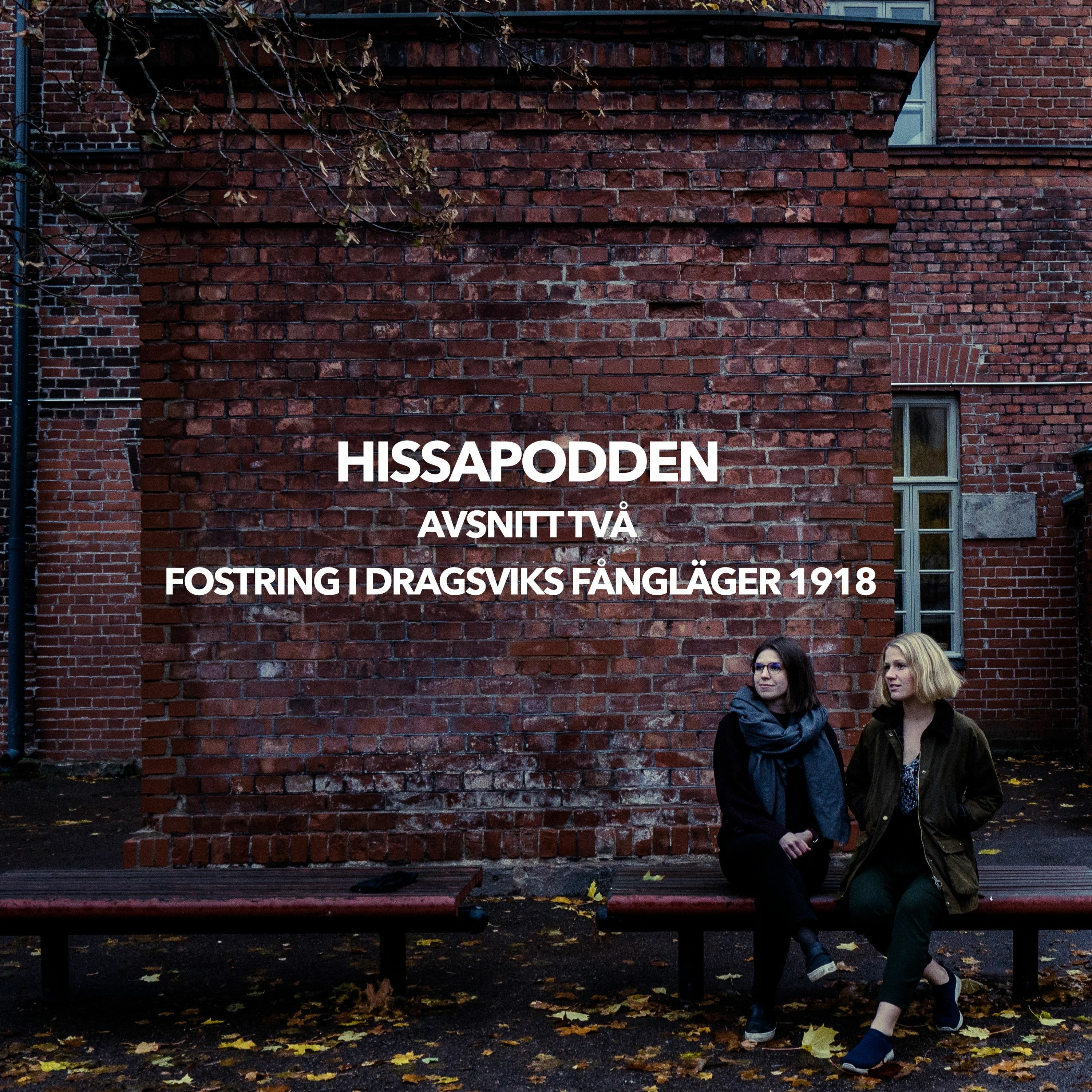
HissapoddenFostring i Dragsviks fångläger 1918Efter inbördeskriget 1918 tillsattes en fostringsavdelning inom fånglägerväsendet. Tanken var att ett nittiotal präster eller andra kristet och borgerligt sinnade skulle omvända de ca 80 000 rödgardister som satt fängslade på landets 13 fångläger.
En av anstalterna låg i Dragsvik utanför Ekenäs och här arbetade pastor Paul Danielsson och sju övriga fostringsmän för att implementera kyrkans och senatens värderingar hos de röda: Gud och fosterland.
I det här avsnittet ser Veronica Aspelin och Anna Öhman närmare på det fostringsprogram som lades fram, hur det förverkligades i praktik...
2019-10-2340 min
Resenha 1918#27 - Resenha 1918 - Uma vitória de seis pontosChegamos no Resenha de número 27!! E nesse episódio nosso time fez o pós-jogo da vitória do Fortaleza por 2x0 em cima da Chapecoense, fizemos uma análise do jogo e quem foi os destaques da partida.
2019-10-1037 min
Resenha 1918Resenha 1918 - Uma vitória que iluminou a semana tricolor e renovou as energiasChegamos no Resenha de número 26!! E nesse episódio nosso time falou sobre a volta do Mito Rogério Ceni, um pouco sobre o jogo contra o Botafogo, além do jogo contra o São Paulo, fazendo um pré jogo daqueles! Confere lá!
2019-10-0435 min
Resenha 1918Resenha 1918 - Sem tempo para perder! Que venha o Athletico-PRChegamos no Resenha de número 25!! E nesse episódio nosso time falou um pouco sobre o próximo confronto do Fortaleza contra o Athletico, além das possíveis contratações do tricolor e da maratona de jogos que o leão terá nos próximos dias.
2019-09-2639 min
Resenha 1918Resenha 1918 - Sinal de alerta ligado?No episódio de hoje, nosso primeiro pós-jogo do programa, nosso time repercutiu todas as informações do jogo deste domingo contra o Palmeiras, as opiniões e comentários a respeito dessa derrota. Confere aí!!
2019-09-2334 min
Resenha 1918Resenha 1918 - A polêmica do setor visitante, o Fortaleza fez bem?Fala, torcedor! No programa de hoje fizemos um pré-jogo completo da partida de amanhã contra o Palmeiras, falamos sobre as equipes, dificuldades, soluções e da polêmica dos ingressos, que repercutiu durante toda a semana. Confere aí!
2019-09-2146 min
Resenha 1918Resenha 1918 - O balanço do Fortaleza no primeiro turno da série AE ai, torcida tricolor!! Nesse episódio nós conversamos um pouco sobre o primeiro turno do Fortaleza, fazendo um balanço e as opiniões sobre esse caminho do nosso time até agora!! Confere aí! Deixa seu comentário, curte, compartilha!!
2019-09-2148 min
Resenha 1918Resenha 1918 - Primeira vitória do Zé Ricardo e o que se pode fazer para melhorar o check-inChegamos no Resenha de número 21!! E nesse episódio nosso time falou um pouco sobre a vitória contra o Goiás, os problemas com o Check-in, além do jogo contra o Fluminense, e outros assuntos! Confere lá!
2019-09-0651 min
Resenha 1918RESENHA 1918 - O primeiro jogo de 6 pontosChegamos no Resenha de número 20!! E nesse episódio nosso time falou um pouco do empate heroico contra o Santos, além do jogo importantíssimo contra o Goiás, os desfalques e outros assuntos! Confere lá!
2019-08-3048 min
Access Complete Audiobook Titles Instantly OnlineRichard L. Dinardo, Daniel J. Hughes - Imperial Germany and War, 1871-1918Please visit https://thebookvoice.com/podcasts/1/audiobook/392291 to listen full audiobooks.
Title: Imperial Germany and War, 1871-1918
Author: Richard L. Dinardo, Daniel J. Hughes
Narrator: Nigel Patterson
Format: Unabridged Audiobook
Length: 21 hours 9 minutes
Release date: August 27, 2019
Ratings: Ratings of Book: 4.5 of Total 2
Ratings of Narrator: 4.5 of Total 2
Genres: World
Publisher's Summary: An in-depth, finely detailed portrait of the German Army from its greatest victory in 1871 to its final collapse in 1918, this volume offers the most comprehensive account ever given of one of the critical pillars of the German Empire—and a chief ar...
2019-08-289h 09Connect to Premium Audiobook Collection for Your LibraryImperial Germany and War, 1871-1918 [Written by Richard L. Dinardo, Daniel J. Hughes]Please visit https://thebookvoice.com/podcasts/1/audiobook/392291 to listen full audiobooks.
Title: Imperial Germany and War, 1871-1918
Author: Richard L. Dinardo, Daniel J. Hughes
Narrator: Nigel Patterson
Format: Unabridged Audiobook
Length: 21 hours 9 minutes
Release date: August 27, 2019
Ratings: Ratings of Book: 4.5 of Total 2
Ratings of Narrator: 4.5 of Total 2
Genres: World
Publisher's Summary: An in-depth, finely detailed portrait of the German Army from its greatest victory in 1871 to its final collapse in 1918, this volume offers the most comprehensive account ever given of one of the critical pillars of the German Empire—and a chief ar...
2019-08-279h 09Access Your Favorite Audiobook Titles for Your LibraryAudiobook: Imperial Germany and War, 1871-1918 by Richard L. Dinardo, Daniel J. HughesPlease visit https://thebookvoice.com/podcasts/1/audiobook/392291 to listen full audiobooks.
Title: Imperial Germany and War, 1871-1918
Author: Richard L. Dinardo, Daniel J. Hughes
Narrator: Nigel Patterson
Format: Unabridged Audiobook
Length: 21 hours 9 minutes
Release date: August 27, 2019
Ratings: Ratings of Book: 4.5 of Total 2
Ratings of Narrator: 4.5 of Total 2
Genres: Europe
Publisher's Summary: An in-depth, finely detailed portrait of the German Army from its greatest victory in 1871 to its final collapse in 1918, this volume offers the most comprehensive account ever given of one of the critical pillars of the German Empire—and a chief ar...
2019-08-279h 09
Resenha 1918Resenha 1918 - A prova de fogo do Fortaleza contra o SantosNo episódio desse semana. nossa equipe comentou sobre todos os aspectos do jogo contra o santos, além das contratações que o Fortaleza fez na semana e uma pitada do jogo contra o Inter. Confere aí, torcedor!
2019-08-2439 min
Resenha 1918Resenha 1918 - O jogo contra o Inter vai marcar a estreia do Zé Ricardo!Nossa equipe comentou sobre o confronto contra o Inter, neste sábado, com todas as informações e opiniões sobre este jogo, que vai marcar também a estreia do Zé Ricardo. Confere aí com a gente!
2019-08-1641 min
Resenha 1918Resenha 1918 - Mudança no leão: sai Ceni, entra Zé Ricardo No episódio de hoje, a equipe do Resenha 1918 comentou sobre a saída do Ceni, chegada do Zé Ricardo e a boa vitória contra o CSA, pela Série A do brasileiro.
Confere aí!!
2019-08-1440 min
Portal 1918RESENHA 1918 - Mudança no Leão: Sai Ceni, entra Zé Ricardo No episódio de hoje, a equipe do Resenha 1918 comentou sobre a saída do Ceni, chegada do Zé Ricardo e a boa vitória contra o CSA, pela Série A do brasileiro.
Confere aí!!
2019-08-1440 min
Resenha 1918Resenha 1918 - Preparação para o jogo contra o CSA, contratações e muito mais!Nesta semana, nossa equipe comentou sobre o decorrer dos trabalhos do Fortaleza para o jogo de segunda, o final de recuperação do Ederson e a sua volta aos gramados; além de contratações e uma pitada do clássico rei! Confere aí nosso programa!
2019-08-1041 min
Resenha 1918Resenha 1918 - Galo, contratações e muito mais da semana do LeãoNeste episódio falamos um pouco sobre o jogo épico contra o galo e toda sua repercussão, além das duas novas contratações do Fortaleza e uma breve análise da partida contra o Corinthians. Fica ligado no episódio dessa semana!
2019-07-281h 09
Resenha 1918#14 Resenha 1918 - Análise da coletiva do Paz e Pré-jogoNo episódio dessa semana, a nossa equipe analisou a vitória importante contra o Avaí, além de toda a repercussão da coletiva do nosso presidente Marcelo Paz e expectativa para o jogo de domingo contra o Galo. Ainda, tivemos a participação especial do Yan, da página Leão News 47. Fica liga nesse nosso 14° episódio! Curta, comenta e compartilha com a galera!
2019-07-201h 00
Resenha 1918Resenha 1918 - Estamos de volta com a série AEnfim, voltamos com o nosso tricolor para o restante da série A. Nesse episódio, nossa equipe conversou um pouco sobre o confronto contra o Avaí, contratações e muito mais. Nessa semana, também, tivemos a participação do Yan, da página Leão News 47! Fica ligado na nossa resenha!
2019-07-1255 min
Resenha 1918Resenha 1918 - A volta do leão para o restante da temporadaVoltamos para a nova temporada do nosso podcast, já falando sobre o retorno do Fortaleza, as contratações e vários novidades que trazemos para a torcida tricolor. Confere aí nosso episódio!!
2019-07-0841 min
From Camp Lee to the Great War: The Letters of Lester Scott & Charles RiggleFrom Camp Lee to the Great War: Episode 61 [December 16, 1918]“I think the war is over for good don’t you? For I think them Germans won’t want another war very soon the way they got beat in this one….”
In his nineteenth letter home since leaving for Camp Lee, and his fourth letter home from France, dated December 16, 1918, PFC Charles “Dutch” Riggle, a WWI soldier from Wheeling, WV, tells his brother James “Abe” Riggle that he’s been worried about his family back home about because of that “disease raging” [a reference to the 1918 influenza or “Spanish Flu” pandemic, fueled in part by troop movements during the war, that killed an estimated 50...
2018-12-1504 min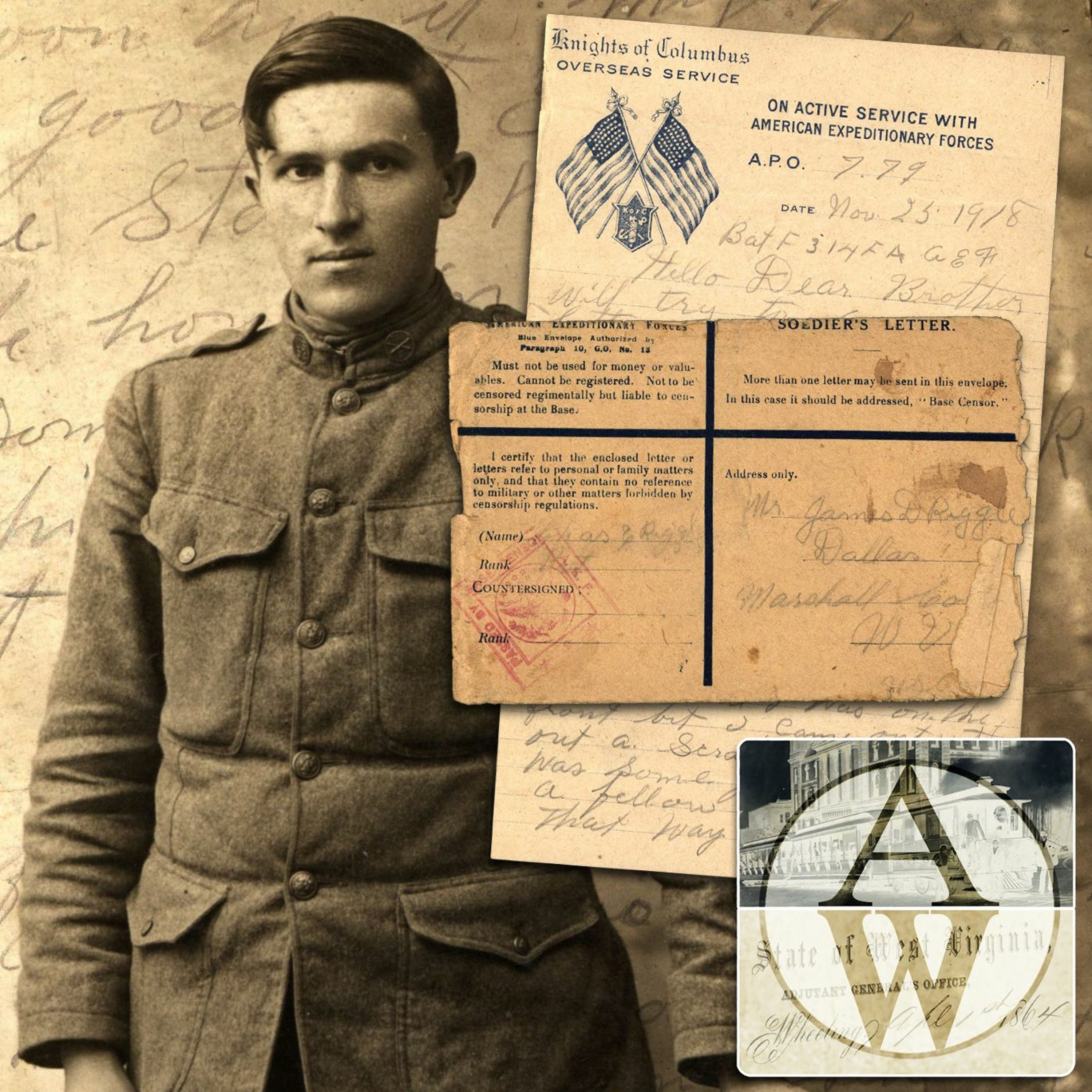
From Camp Lee to the Great War: The Letters of Lester Scott & Charles RiggleFrom Camp Lee to the Great War: Episode 60 [November 25, 1918]“I can’t tell you about Less. He got badly hurt and they took him to the hospital. I heard once he died, but I don’t know if that was correct or not. I hope it wasn’t correct for I would like to went back to the states with him…”
In his eighteenth letter home since leaving for Camp Lee, and his third letter home from France, dated November 25, 1918, PFC Charles “Dutch” Riggle, a WWI soldier from Wheeling, WV, tells his brother James “Abe” Riggle he’s sorry he hasn’t written. He didn’t have much time to write while he was on t...
2018-11-2504 min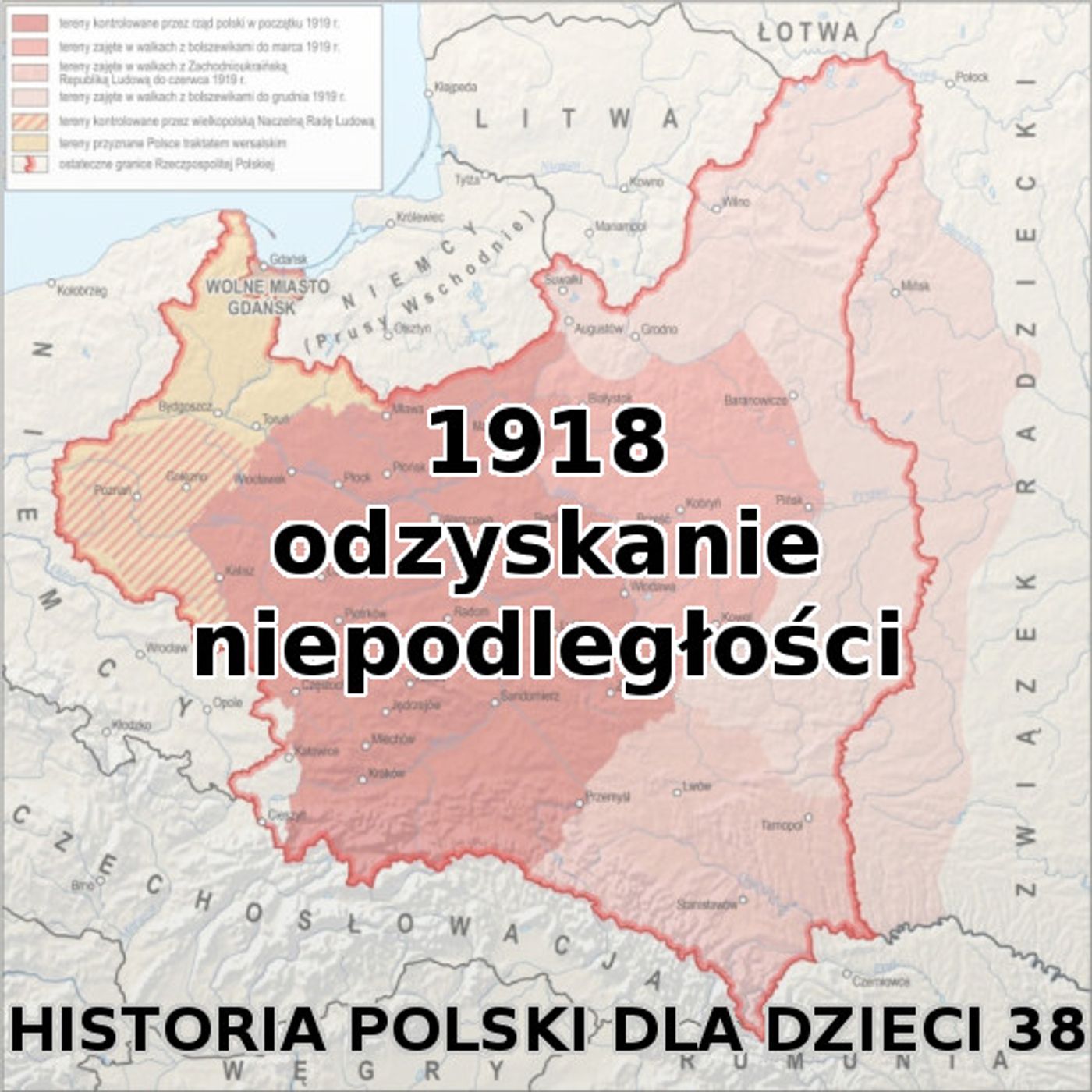
Historia Polski dla dzieci38 - Odzyskanie niepodległości w 1918Jak pewnie wiecie 11 listopada 2018 roku przypada 100-letnia rocznica odzyskania przez Polskę niepodległości. Sto lat temu czyli 11 listopada 1918 roku Polska odzyskała niepodległość. Jak do tego doszło? O tym będzie właśnie dzisiejszy odcinek.Przez 123 lata nie było Polski. Została ona podzielona na trzy części przez Niemcy, Austrię i Rosję. Gdy w 1914 roku wybuchła I wojna światowa zaborcy czyli te trzy kraje obiecywały stworzyć Polskę na nowo jeżeli Polacy im pomogą.Najpierw I wojnę światową przegrała Rosja. Niemcy na terenie Rosji zrobili państwo dla Polaków i już 7 października 1918 ro...
2018-11-1010 min
In The Past Lane - The Podcast About History and Why It Matters105 The Great Influenza Pandemic of 1918-1920This week at In The Past Lane, the history podcast, I speak with historian Nancy K. Bristow about her book, American Pandemic: The Lost Worlds of the 1918 Influenza Pandemic. In November 1918, even as millions of Americans and Europeans celebrated the end of World War I, their communities were being ravaged by a global influenza pandemic. Over the course of almost three years, somewhere between 50 and 100 million people were killed in the pandemic, including nearly 700,000 Americans. Nancy Bristow takes us back in time to explain the origins of the pandemic and how public health officials struggled to contain it. And...
2018-11-1040 min
WW1 Centennial NewsNovember 1918 Overview: Episode #96Highlights: November 1918 Overview
Host: Theo Mayer
Preview of podcast over the coming weeks | @00:20
November 1918 Overview - Dr. Edward Lengel, Katherine Akey, Theo Mayer | @02:40
Maneuvering both military and diplomatic - Mike Shuster | @18:15
WWI WarTech: The Wristwatch - Host | @21:55
Commission News: The coming week of commemoration - Host | @24:30
Arlington County WWI Commemoration Task Force - Dr. Allison Finkelstein | @26:00
No Armistice from the flu - David Pietrusza | @34:45
100 Cities / 100 Memorials’ effect on Arizona - Neil Urban | @42:30
Speaking WWI: Foxhole - Host | @49:05
The Buzz: Social Media selections - Katherine Akey | @50:35----more----
World War One Then
November 1918 Overview
https://en.wikipedia.org/wik...
2018-11-0454 min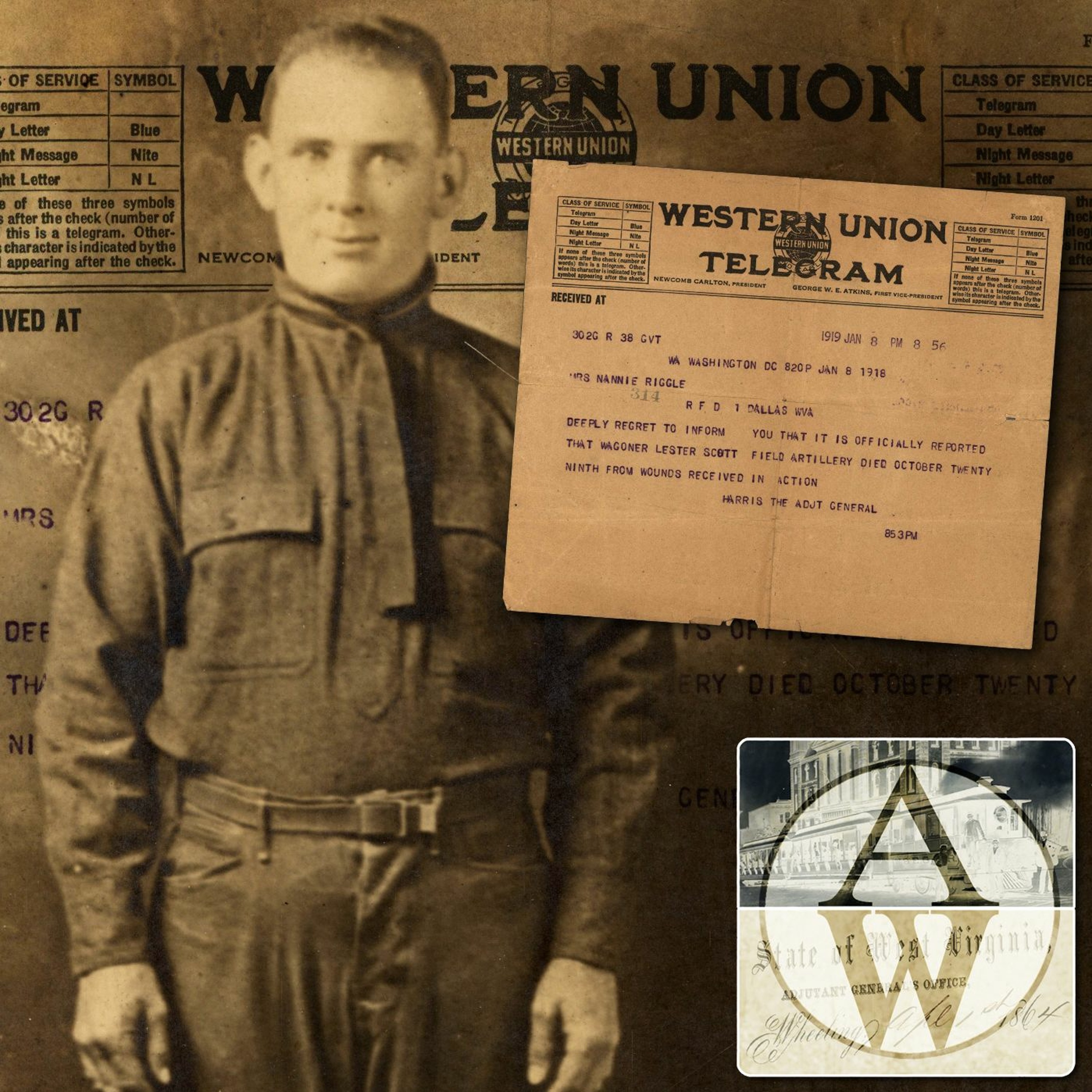
From Camp Lee to the Great War: The Letters of Lester Scott & Charles RiggleFrom Camp Lee to the Great War: Episode 59 [October 29, 1918]“Just as we were walking down that long line it suddenly crept over me and I realized that I would never again be in the United States…”
The “Great War” had raged in Europe for three years before the United States joined the conflict on the side of the Allies in April 1917.
Like most young American men of the era, those from Wheeling harbored romantic notions of war, it having been more than 50 years since the American Civil War ended. Thousands of Wheeling men eagerly registered for the draft in 1917.
Most of Wheeling’s WWI soldiers served in the U.S. Army’s 80...
2018-10-2811 min
Graz MultikultiReise in die Vergangenheit: „Die Geschichte der Doktordissertationen slowenischer Kandidaten in der Österreichisch-Ungarisch Monarchie (1872–1918)“In dieser Sendung laden wir Sie auf eine Reise in die Vergangenheit. Wir hören uns ein Gespräch mit Professor Tone Smolej aus der Universität in Ljubljana an, der uns erklärt, wie der Weg zum Doktorat an drei österreichischen Universitäten (in Wien, Graz und Prag) in den Jahren von 1872 bis 1918 aussah. Er sagt uns, wie viele slowenische Doktoranten und Doktorandinnen damals ihr Studium abgeschlossen haben und welche später eine wissenschaftliche Kariere eingeschlagen haben. Er beschäftigt sich damit in Rahmen des Forschungsprojekts „Die Geschichte der Doktordissertationen slowenischer Kandidaten in der Österreichisch-Ungarisch Monarchie (1872–1918)“.
Moderation: Agn...
2018-09-2629 min
WW1 Centennial NewsLabor Day 1918: Episode #87Highlights: Labor Day 1918
Labor Day, Unions, Sedition, Bombs, the Babe and Butte | @ 02:00
Surging forward on the Western Front - Mike Shuster | @ 11:45
Bio Special: Great War Channel - Indy Neidell | @ 15:55
Commission News: YourACE program launches | @ 16:55
Michigan Commemorates WWI - Dennis Skupinski | @ 22:50
Remembering WWI @ the Durham Museum - Jessica Brummer & Emma Sundberg | @ 29:20
International Report: Gathering in Verdun | @ 35:35
Education: Newsletter Issue #14 “Medicine & Shell Shock” comes out | @ 37:00
WW1 WarTech: Thomas Splint | @ 37:50
Speaking WW1: “Body Snatchers” | @ 39:50
Articles & Posts: Dispatch Newsletter | @ 41:35
The Buzz: Selected Centennial Social Media - Katherine Akey | @ 44:00----more----
World War One Then
100 Years Ago
https://timesmachine.nytimes.com/timesmachine/1918/09/05/97024579.pdf
https://www.worldwar...
2018-09-0148 min
WW1 Centennial NewsAugust 1918 Overview-Episode #83Highlights: August 1918 Overview
August 1918 Preview Roundtable - Dr. Edward Lengel, Katherine Akey, Theo Mayer | @02:05
Great War Project Blog: Turning Point - Mike Shuster | @17:35
International Report 1: Commemorations in France | @21:55
International Report 2: The Moore Twins step up | @22:58
Remembering Veterans: Rechickenization of France - Tracy Robinson DAR | @25:00
Harley Davidson in WWI - Bill Jackson | @31:20
100 Cities / 100 Memorials: Dunmore, PA - Jim Davenport & Louise McLafferty | @37:05
Speaking WWI: Stormtrooper | @43:00
WWI WarTech: Stainless Steel | @45:45
Articles & Posts: Dispatch Newsletter | @48:50
The Buzz: Commemoration in social media - Katherine Akey | @52:55----more----
World War One Then
August Roundtable
Dr. Edward Lengel, Host Theo Mayer, and Katherine Akey discuss the key...
2018-08-0458 min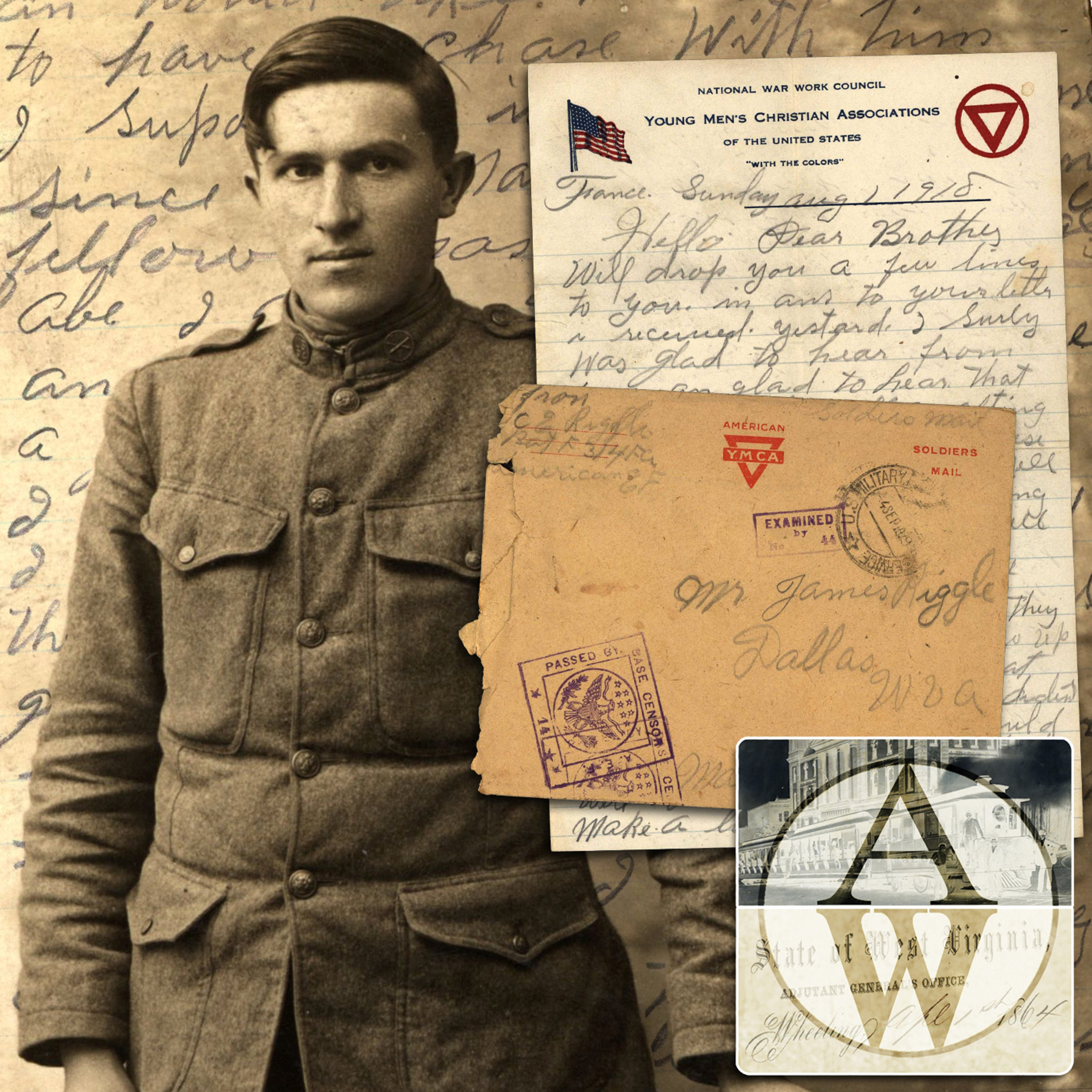
From Camp Lee to the Great War: The Letters of Lester Scott & Charles RiggleFrom Camp Lee to the Great War: Episode 55 [August 1, 1918]"I think the Germans is nearly licked now. I want to see it over in time to go to the Jacktown fair next year..."
In his seventeenth letter home (his second from France after fifteen from Camp Lee) dated August 1, 1918, PFC Charles “Dutch” Riggle, a WWI soldier from Wheeling, WV, tells his brother James “Abe” Riggle he supposes Abe will be getting "the call" [for the draft] soon, since all the other young fellows from the ridge are already in France (even though Tom didn't pass the exam). Dutch thinks it must be lonely on the ridge. Dutch is on the firi...
2018-07-3104 min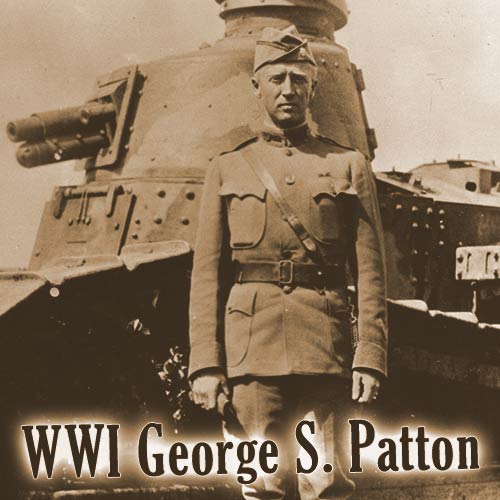
WW1 Centennial NewsJuly 1918 overview: Episode #79Highlights: July 1918 Overview
100 Years ago: July 1918 overview - Theo Mayer, Katherine Akey & Dr. Edward Lengel | @02:10
Great War Project: Changing Landscape of the War - Mike Shuster | @18:15
Commission News: Armistice Centennial Participation App | @22:25
Remembering Veterans: Doughboy MIA - Rob Laplander | @ 23:35
Spotlight on the Media: Lost Voices - Michael Collins and Martin King | @31:05
Speaking WW1: Zero Hour | @36:20
100 Cities / 100 Memorials: Patton and the US Tank Corps Project - Karlen Morris & Sgt. Phil Wilburn | @ 38:05
WW1 Tech: Trench Club | @43:30
Articles & Posts from the Weekly Dispatch Newsletter | @45:35
The Buzz: The Centennial in Social Media - Katherine Akey | @48:20----more----
World War One Then
100 Years Ago: Roundtable
D...
2018-07-0753 min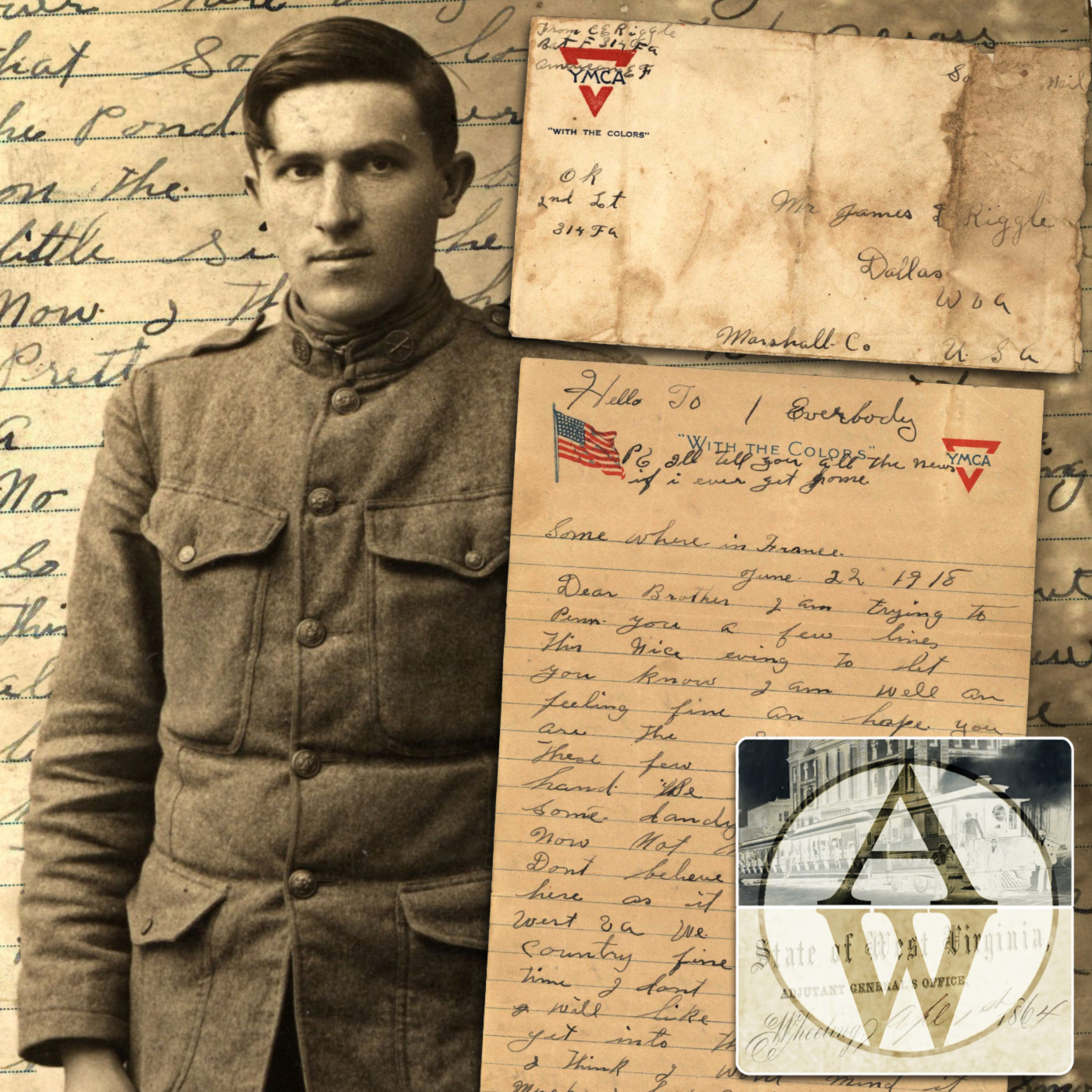
From Camp Lee to the Great War: The Letters of Lester Scott & Charles RiggleFrom Camp Lee to the Great War: Episode 54 [June 22, 1918]"Somewhere in France...It's is a nice country alright. It's no wonder the French is fighting so hard for it."
In his sixteenth letter home from Camp Lee, Virginia, dated June 22, 1918, PFC Charles “Dutch” Riggle, a WWI soldier from Wheeling, WV, tells his brother James “Abe” Riggle, in a letter addressed "Somewhere in France," that the weather is dandy and that he likes France just fine, but he's not sure how he will like it when he gets "into the scrap." He says the "trip across the pond" was a long one. Les got a little seasick. The Germans are getting...
2018-06-2203 min
WW1 Centennial NewsJune 1918 Overview: Episode #74Highlights: June 1918 Overview
June 1918 Overview roundtable - Dr. Edward Lengel, Katherine Akey, Theo Mayer | @01:35
Not all quiet on the western front - Mike Shuster | @15:30
National Memorial Day Parade | @19:55
369th Experience Memorial Weekend concerts | @22:05
East Indians in WW1 - Tanveer Kalo | @25:35
Belgian Children’s “Thank You” - Nancy Heingartner | @32:15
100C/100M in Bismarck, ND - Susan Wefald | @39:25
Speaking WW1: Cantonment | @44:50
WW1 War Tech: FlammenWerfer | @46:15
Dispatch Newsletter Highlights | @48:45
The Buzz: Social Media - Katherine Akey | @51:40----more----
Welcome to World War 1 centennial News - episode #74 - It’s about WW1 THEN - what was happening 100 years ago this week - and it’s about WW1...
2018-06-0256 min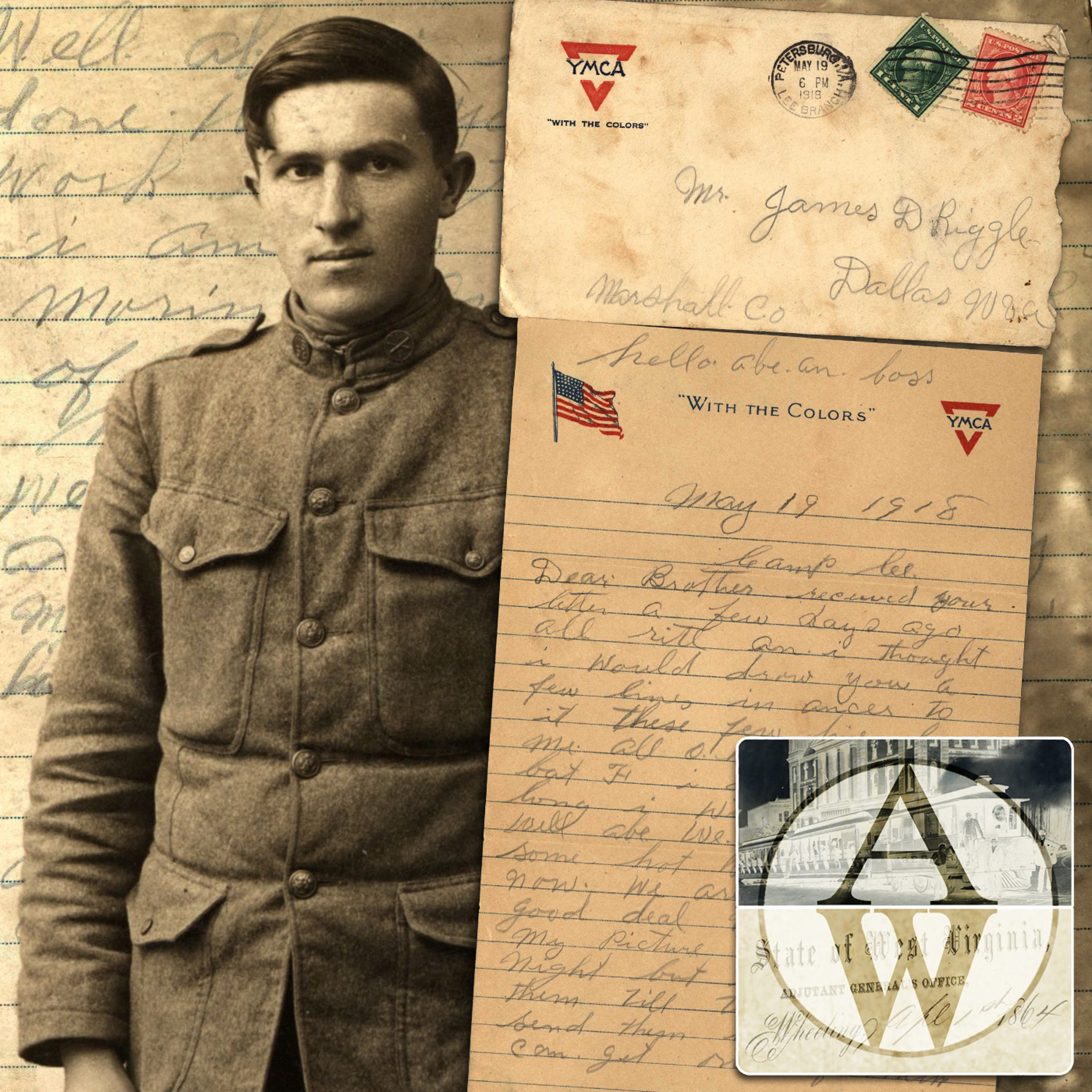
From Camp Lee to the Great War: The Letters of Lester Scott & Charles RiggleFrom Camp Lee to the Great War: Episode 50 [May 19, 1918]"We han't allowed to write any military information anymore, and you see a fellow hasn't got much to write"
In his fifteenth letter home from Camp Lee, Virginia, dated May 19, 1918, PFC Charles “Dutch” Riggle, a WWI soldier from Wheeling, WV, tells his brother James “Abe” Riggle that he's still in Battery F but doesn't know for how much longer. He's drilling a great deal but he can't talk about the military anymore. He had his picture taken and he'll send one home. That's about it!
Elsewhere on the same day, German planes raided London and bombed British hospitals outside the war zone...
2018-05-1902 min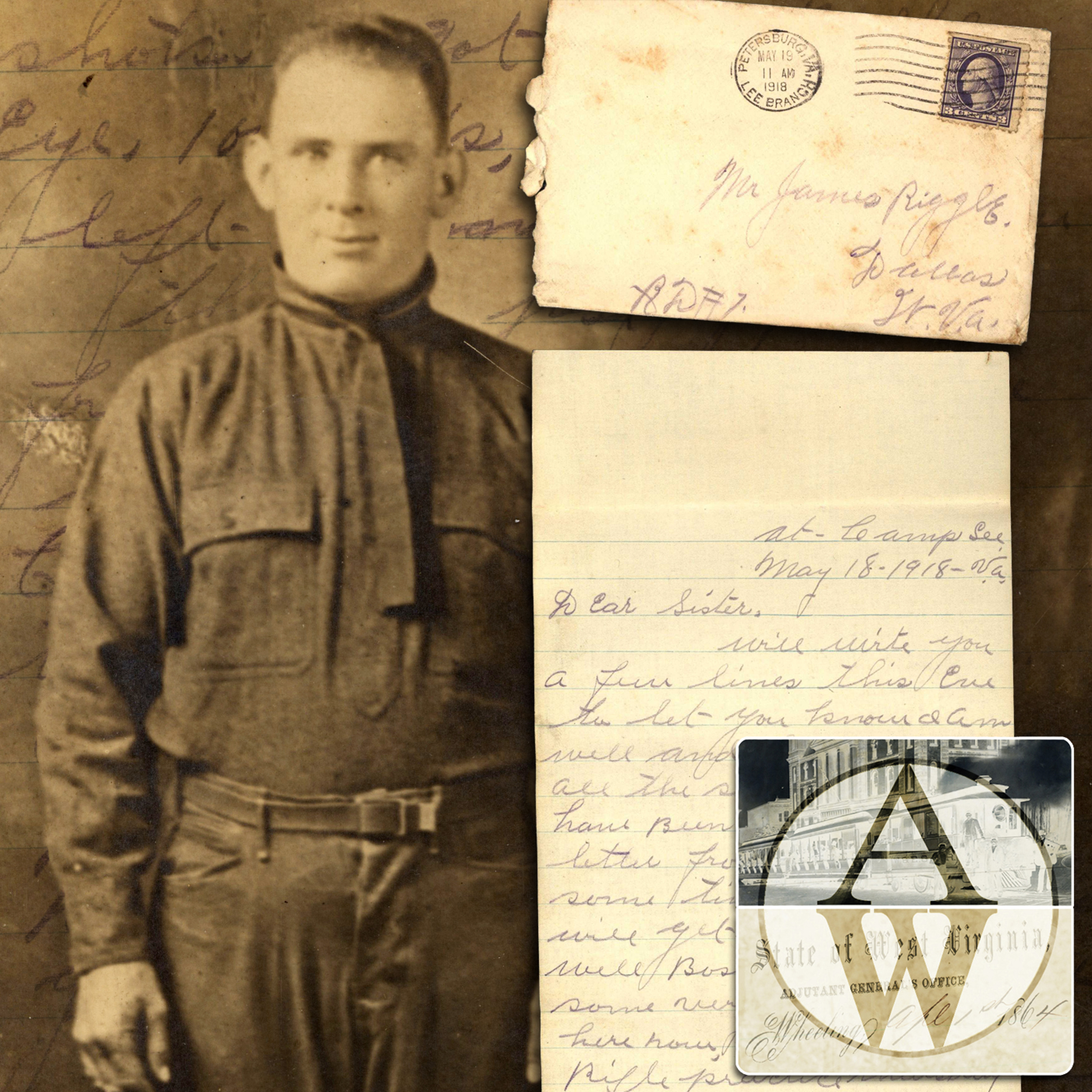
From Camp Lee to the Great War: The Letters of Lester Scott & Charles RiggleFrom Camp Lee to the Great War: Episode 49 [May 18, 1918]"What has become of Cleo?"
In his thirty-fifth letter home from Camp Lee, Virginia, to his sister Minnie Riggle, US Army Wagoner (mule team driver) Lester Scott, a World War I soldier from Wheeling, West Virginia, says he's done some excellent firing at rifle practice, hitting four bulls eyes from 100 yards left-handed. Then he got seven out of ten hits right-handed. They have to shoot different distances from different positions. He shoulder was sore the next day. He got 18 out of 60 total shots in the bullseye. Les is unsure if he'll get that furlough. Les now has a helper who...
2018-05-1705 min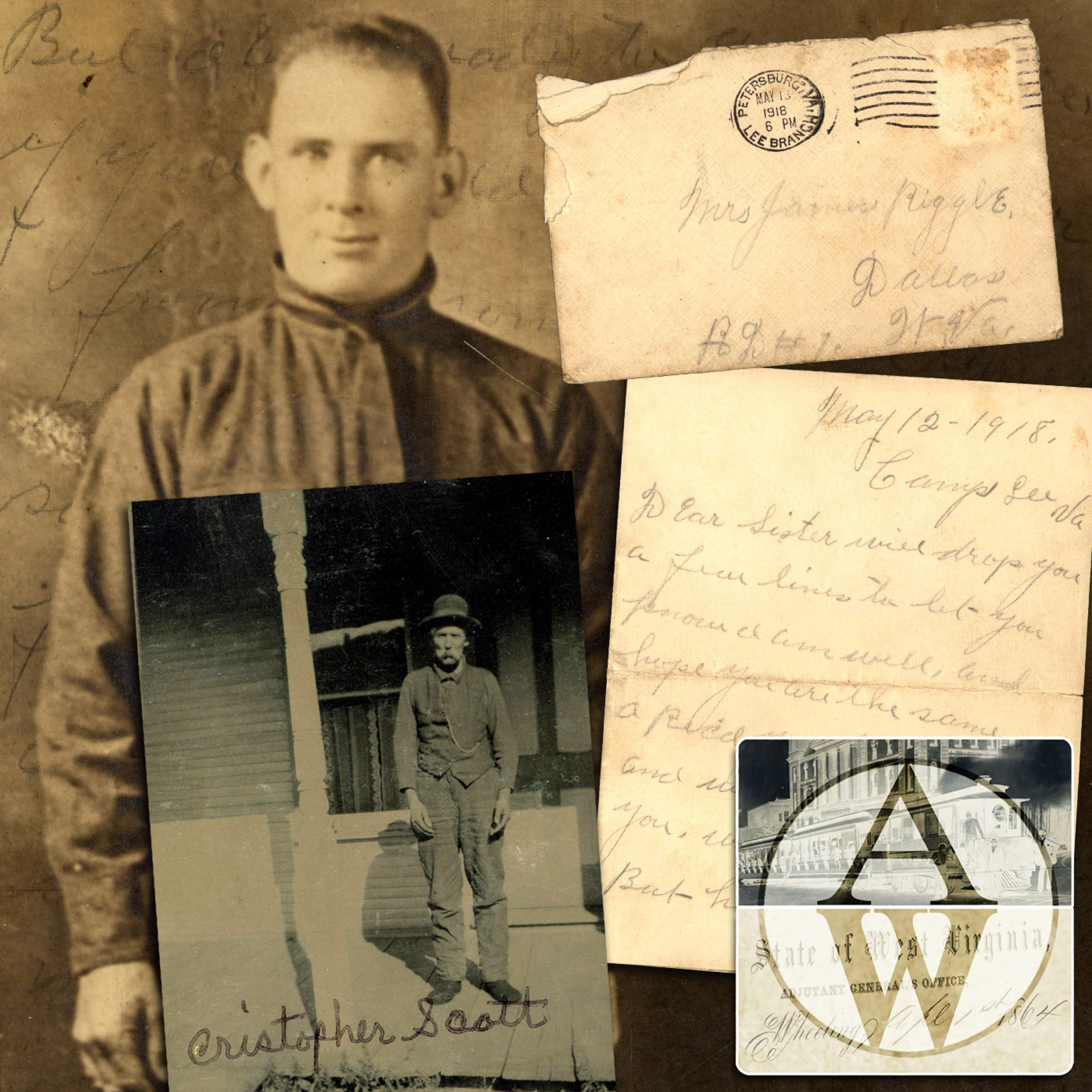
From Camp Lee to the Great War: The Letters of Lester Scott & Charles RiggleFrom Camp Lee to the Great War: Episode 48 [May 12, 1918]"I am going to send some money home before long. Maybe you can use it now to buy cows with. I only have two more months to pay my liberty bonds out in..."
In his thirty-fourth letter home from Camp Lee, Virginia, to his sister Minnie Riggle, US Army Wagoner (mule team driver) Lester Scott, a World War I soldier from Wheeling, West Virginia, says he's been busy packing mule harnesses and drilling. He's qualified on gas mask school. He refers to Minnie's "new separator" [probably a cream separator, a common tool on dairy farms]. He says he'll be sending...
2018-05-1204 min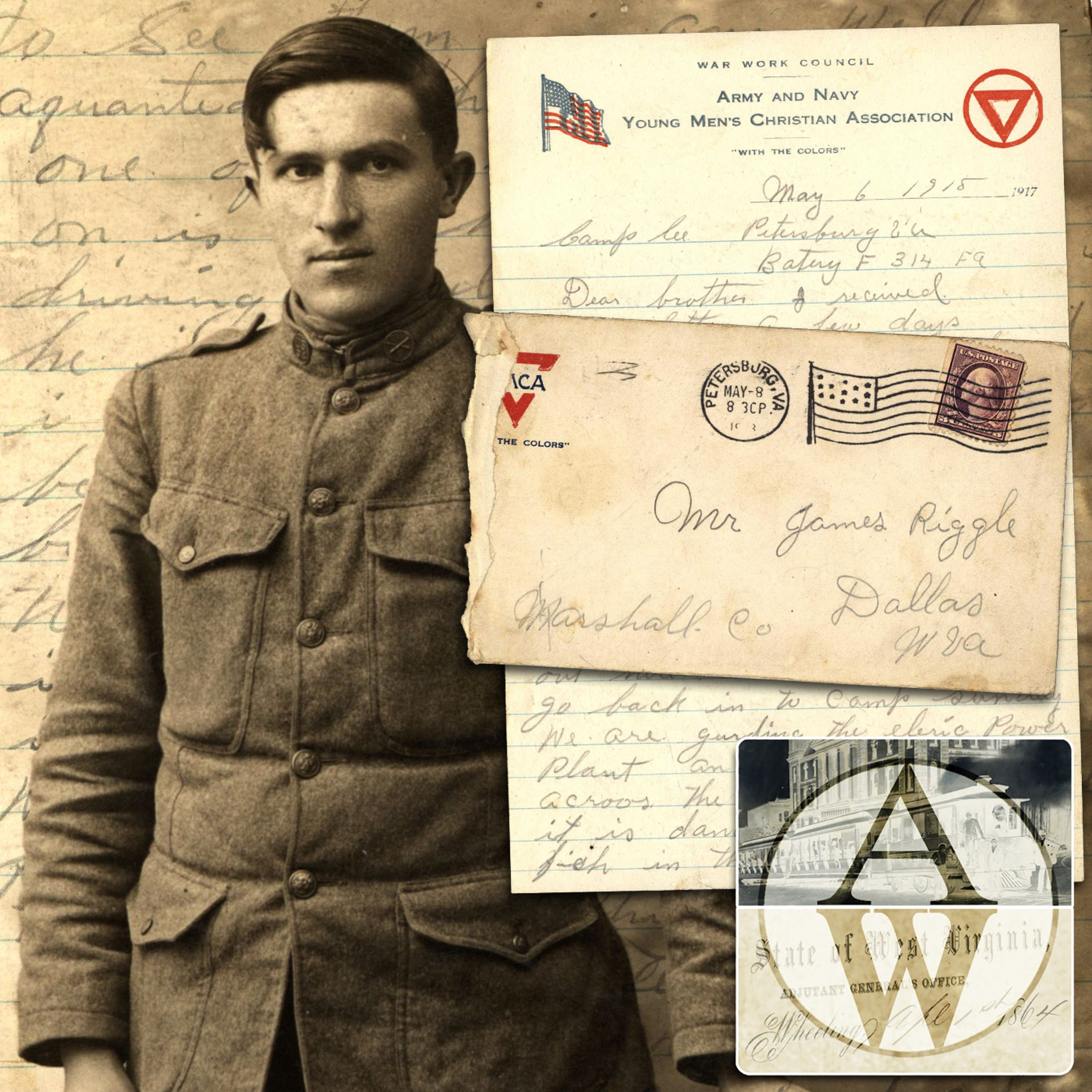
From Camp Lee to the Great War: The Letters of Lester Scott & Charles RiggleFrom Camp Lee to the Great War: Episode 47 [May 6, 1918]"P.S. Boss don't you worry while me and Less is gone, for we will be back in about a year from now. Ha Ha!"
In his fourteenth letter home from Camp Lee, Virginia, dated May 6, 1918, PFC Charles “Dutch” Riggle, a WWI soldier from Wheeling, WV, tells his brother James “Abe” Riggle that he's as well as ever and having a good time eight miles from Camp Lee on military police duty. They are guarding an electrical power plant, a waterworks, and a bridge across the Appomattox River. It's a dandy place to fish. The plant supplies electricity and water for Camp...
2018-05-0504 min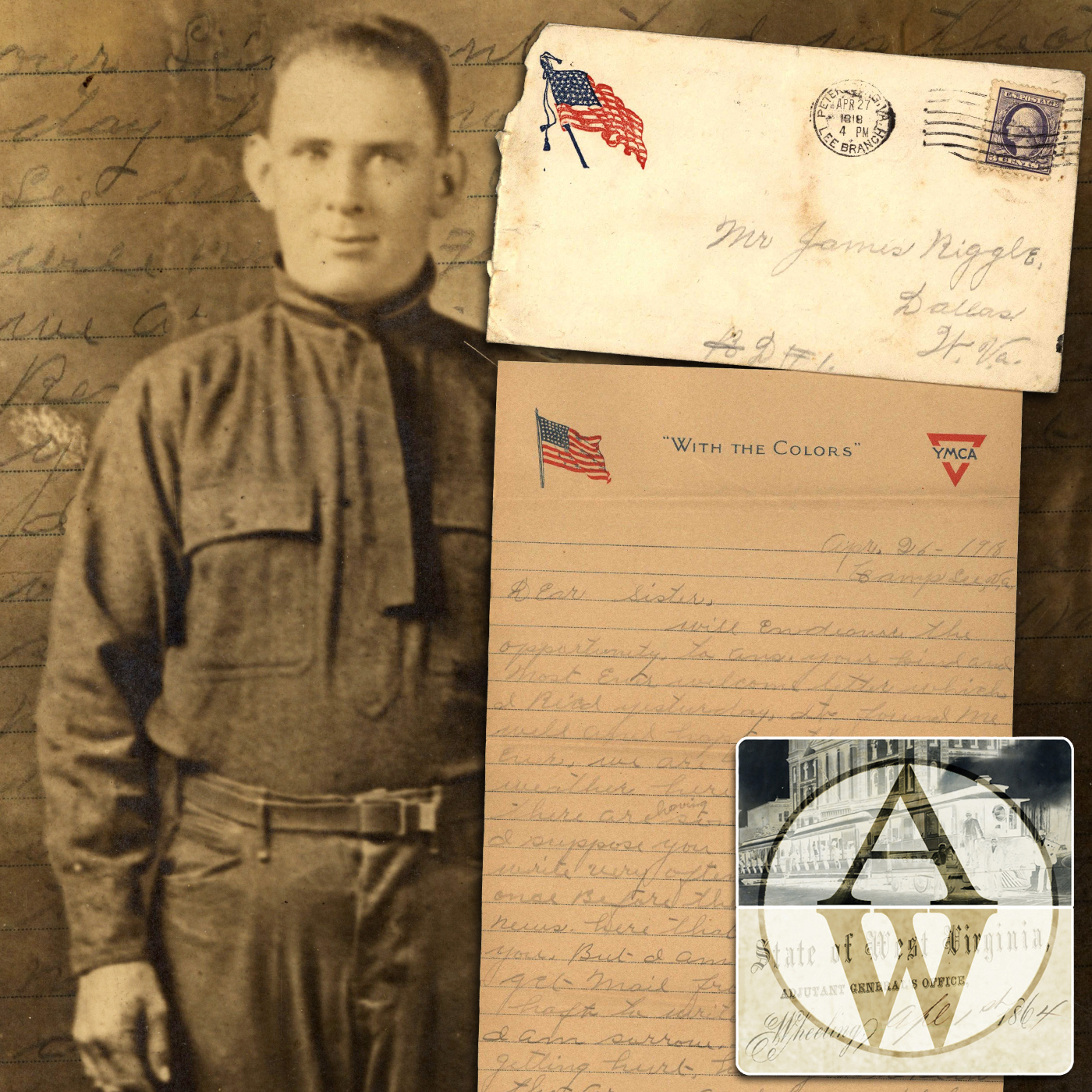
From Camp Lee to the Great War: The Letters of Lester Scott & Charles RiggleFrom Camp Lee to the Great War: Episode 46 [April 26, 1918]"I was at the remount station yesterday and helped bring back 26 more mules. There were quite a few hit their meat house against mother earth before we got back..."
In his thirty-third letter home from Camp Lee, Virginia, to his sister Minnie Riggle, US Army Wagoner (mule team driver) Lester Scott, a World War I soldier from Wheeling, West Virginia, says he's always glad to get mail from home. It's been seven months since he left West Virginia. Les is sorry to hear that Jim [Riggle] got hurt riding his horse. The army would teach him to ride. He brought 26...
2018-04-2604 min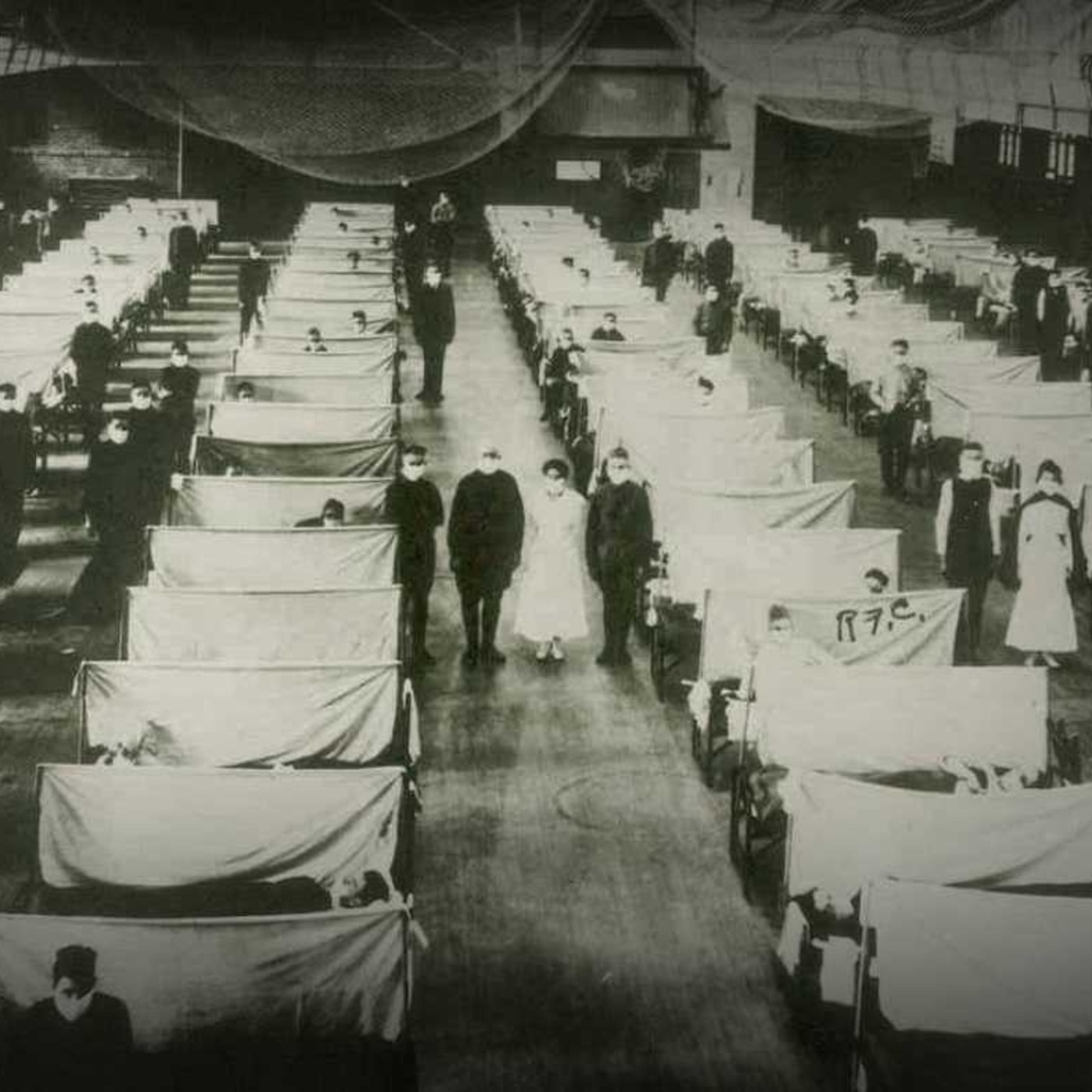
EpidemiasLa Gripe De 1918La gripe española (también conocida como la gran pandemia de gripe, la epidemia de gripe de 1918 o la gran gripe) fue una pandemia de gripe de inusitada gravedad, causado por un brote de Influenza virus A del subtipo H1N1. Se cree que ha sido una de las pandemias más letales en la historia de la humanidad, a causa de la cual murieron entre 50 y 100 millones de personas en todo el mundo entre 1918 y 1920. Esta cifra de muertos que incluía una alta mortalidad infantil, se considera uno de los ejemplos de crisis de mortalidad. A diferencia de o...
2018-04-2354 min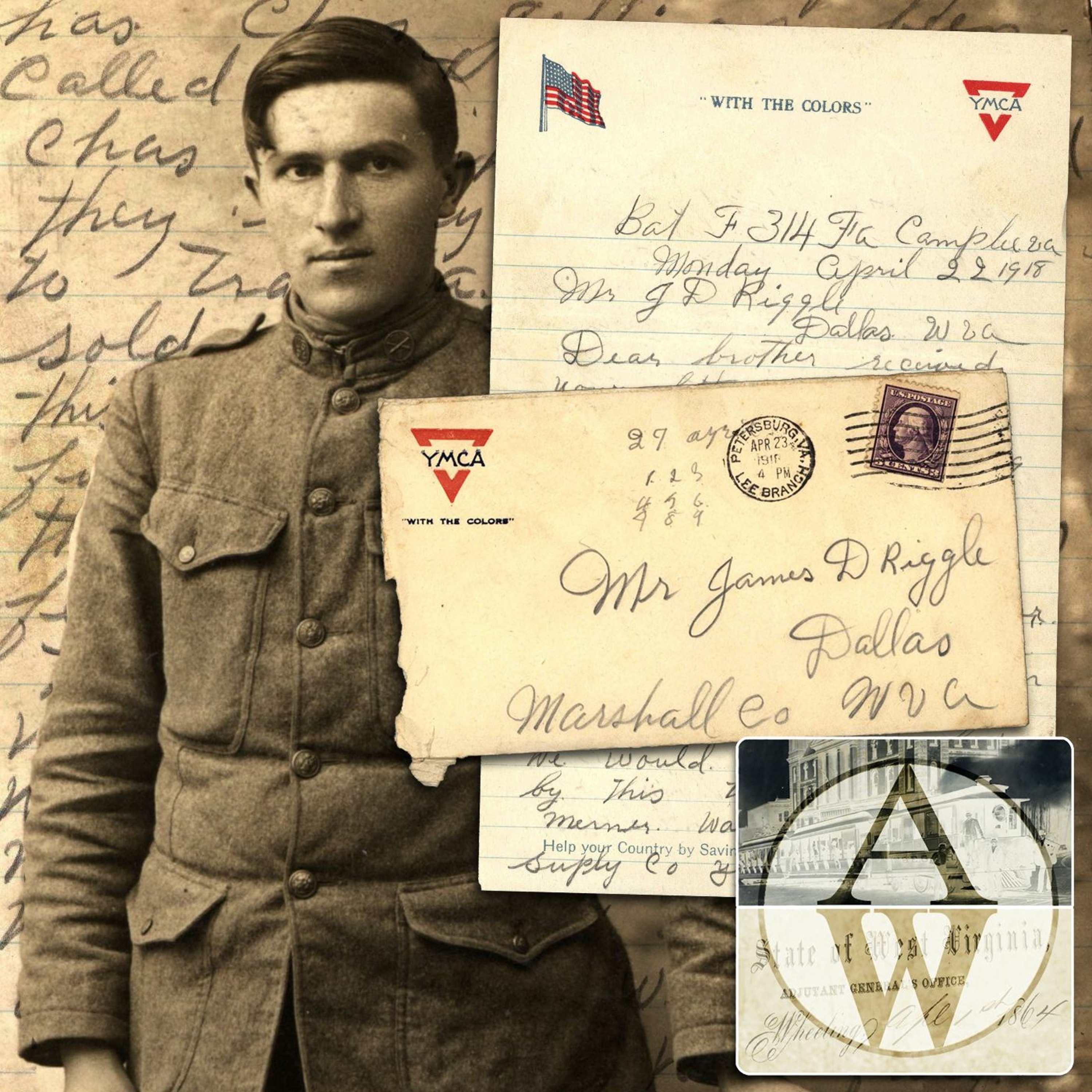
From Camp Lee to the Great War: The Letters of Lester Scott & Charles RiggleFrom Camp Lee to the Great War: Episode 45 [April 22, 1918]"This surely is going to be the longest war we ever had. It surely has been some bloody fighting but I think the Germans is getting licked every day..."
In his thirteenth letter home from Camp Lee, Virginia, dated April 22, 1918, PFC Charles “Dutch” Riggle, a WWI soldier from Wheeling, WV, tells his brother James “Abe” Riggle that he's been at Camp Lee for seven months yesterday, and it feels like he might never leave. He thought sure he'd be in France by now. He was at the supply company with Tib Meriner to see Les [Lester Scott] and hear some music. L...
2018-04-2005 min
WW1 Centennial NewsApril 1918 Overview - Episode #66Highlights
April 1918 Preview Roundtable - Dr. Edward Lengel & Katherine Akey | @ 02:50
Spring Offensive on Easter - Mike Shuster | @ 14:50
War in The Sky - Pilots and PTSD - Mark Wilkins | @ 18:30
Basketball in WWI - Dr. Lindsay Krasnoff | @ 27:05
100 Cities / 100 Memorials - Round#2 awardees announced | @ 32:50
Speaking WWI - “over the top” | @ 36:05
WWI War Tech - The Paris Guns | @ 37:15
Dispatch 4/3/18 highlights | @ 39:20
Centennial Social Media - Katherine Akey | @ 41:00----more----
Opening
Welcome to World War 1 centennial News - episode #66 - It’s about WW1 THEN - what was happening 100 years ago this week - and it’s about WW1 NOW - news and updates about the centennia...
2018-04-0745 min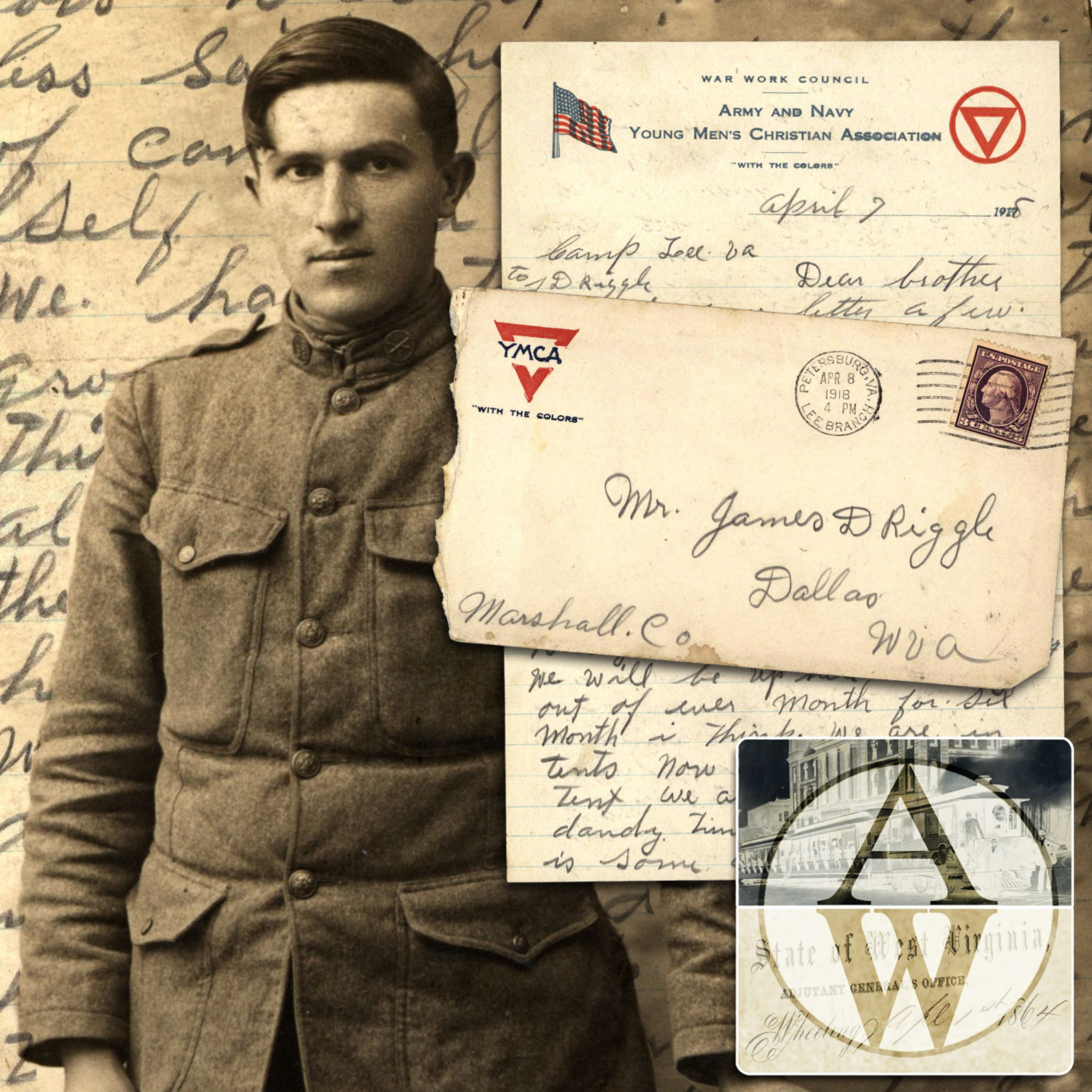
From Camp Lee to the Great War: The Letters of Lester Scott & Charles RiggleFrom Camp Lee to the Great War: Episode 43 [April 7, 1918]"I think the Germans is getting about all the fighting they want now. They surely have lost a lot of men since the big battle began..."
In his twelfth letter home from Camp Lee, Virginia, dated April 7, 1918, PFC Charles “Dutch” Riggle, a WWI soldier from Wheeling, WV, tells his brother James “Abe” Riggle that he is at Dutch Gap near the Appomattox Court House Civil War battlefield [see Lester Scott's description in episode 42: https://bit.ly/2GLK5Qa], training at the firing range. This would have been about 53 years to the day since the Civil War battle of April 8-9, 1865. He is ha...
2018-04-0504 min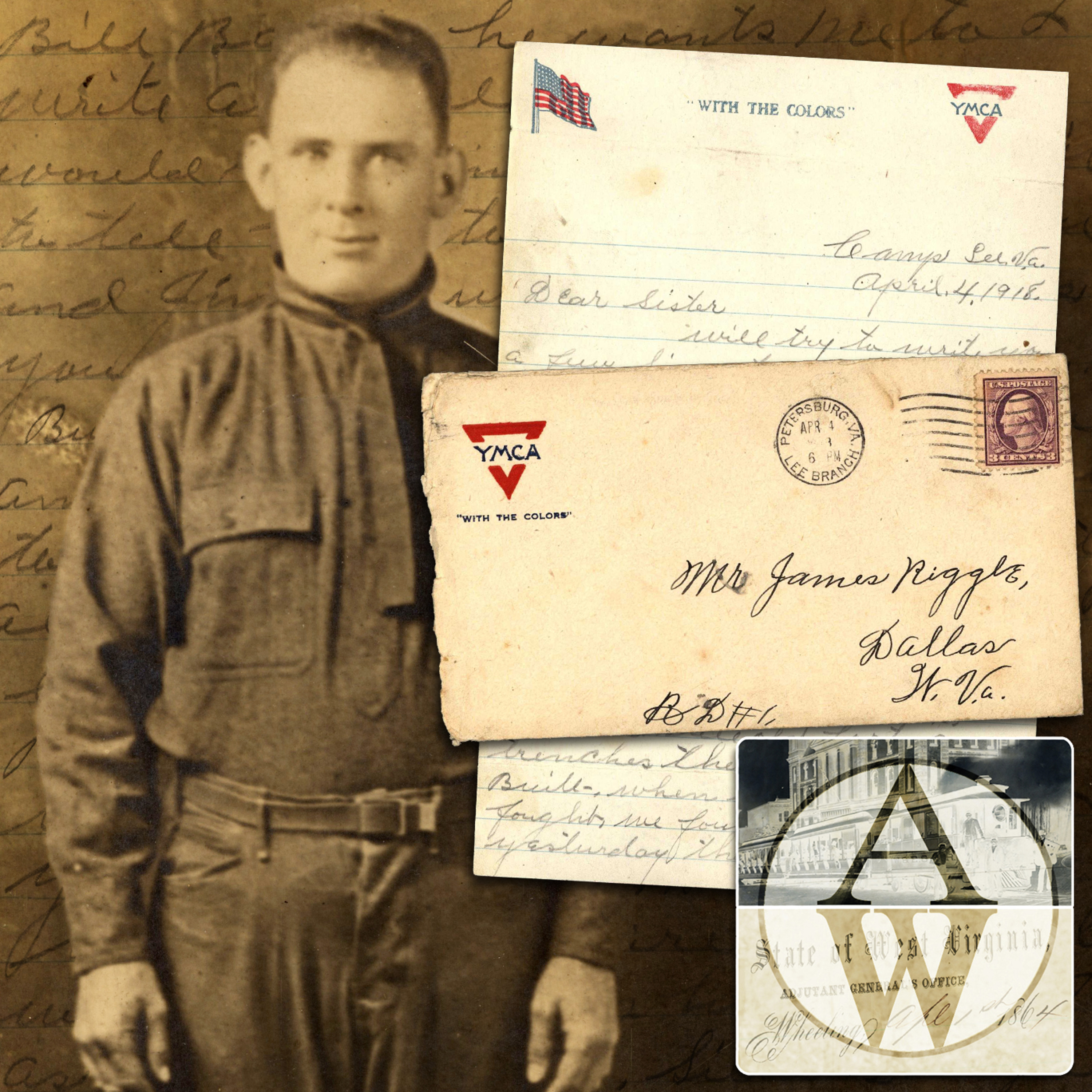
From Camp Lee to the Great War: The Letters of Lester Scott & Charles RiggleFrom Camp Lee to the Great War: Episode 42 [April 4, 1918]"I guess you remember the Battle of the Appomattox Court House. There are still old forts and trenches there yet that were built when the North and South fought. We found some spurs yesterday that were lost during the Civil War and found a bone of a man's arm and a canteen too..."
In his thirty-first letter home from Camp Lee, Virginia, to his sister Minnie Riggle, US Army Wagoner (mule team driver) Lester Scott, a World War I soldier from Wheeling, West Virginia, again refers to the Dutch Gap, a canal dug during the Civil War by freed African...
2018-04-0304 min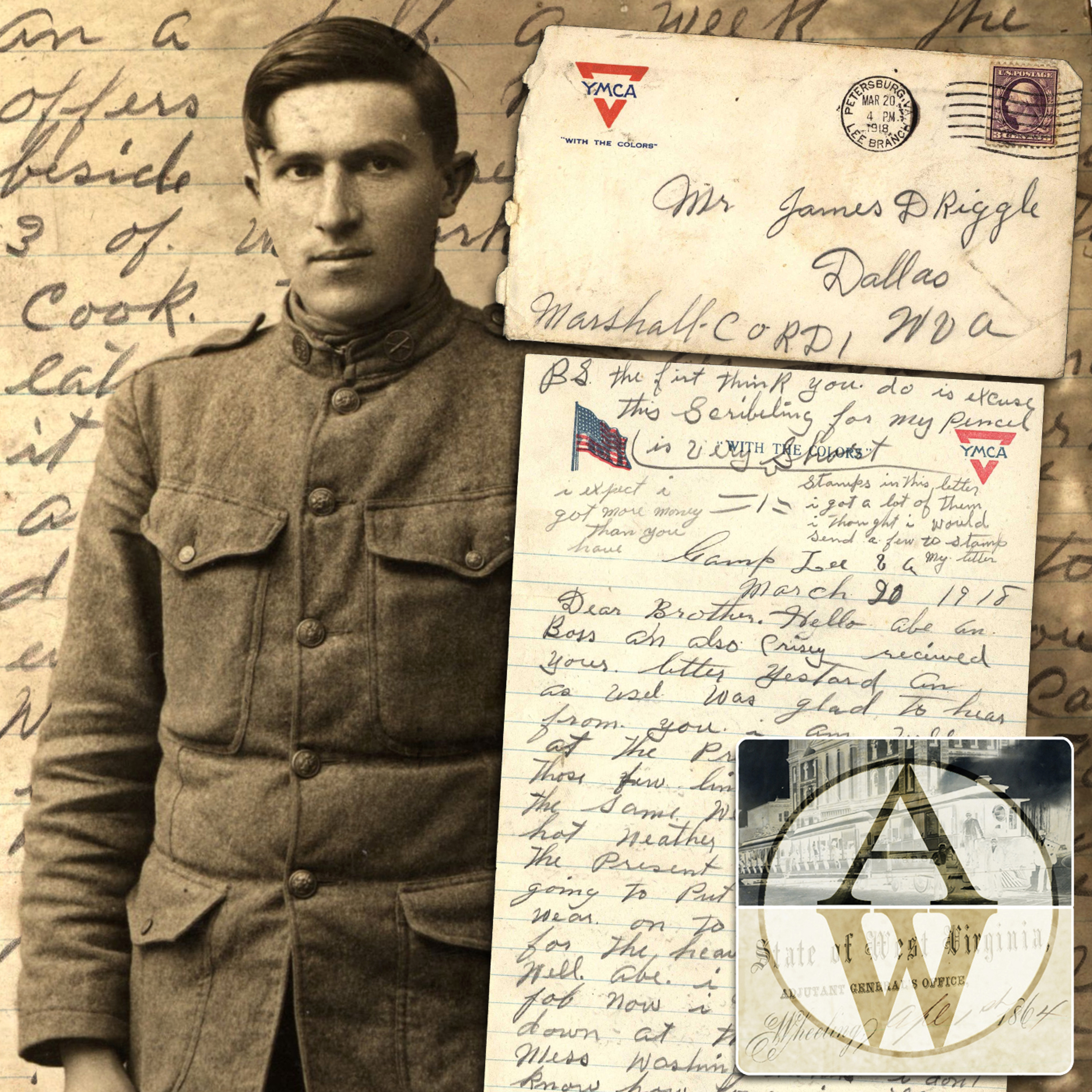
From Camp Lee to the Great War: The Letters of Lester Scott & Charles RiggleFrom Camp Lee to the Great War: Episode 40 [March 20, 1918]"There was 2000 Negro [troops] went past this regiment this morning bound for France..."
In his eleventh letter home from Camp Lee, Virginia, dated March 20, 1918, PFC Charles “Dutch” Riggle, a WWI soldier from Wheeling, WV, tells his brother James “Abe” Riggle that it's so hot, he's switching to his "summer underwear." Dutch has a new job washing dishes at the officer's mess for $10.50 per week (plus a $3.50 tip from the officers and some "dandy eats"). Three men and a cook work to feed 13 officers. The battalion now has 33 horses and at least 75 more are expected. "It surely take lots of horses for hors...
2018-03-1904 min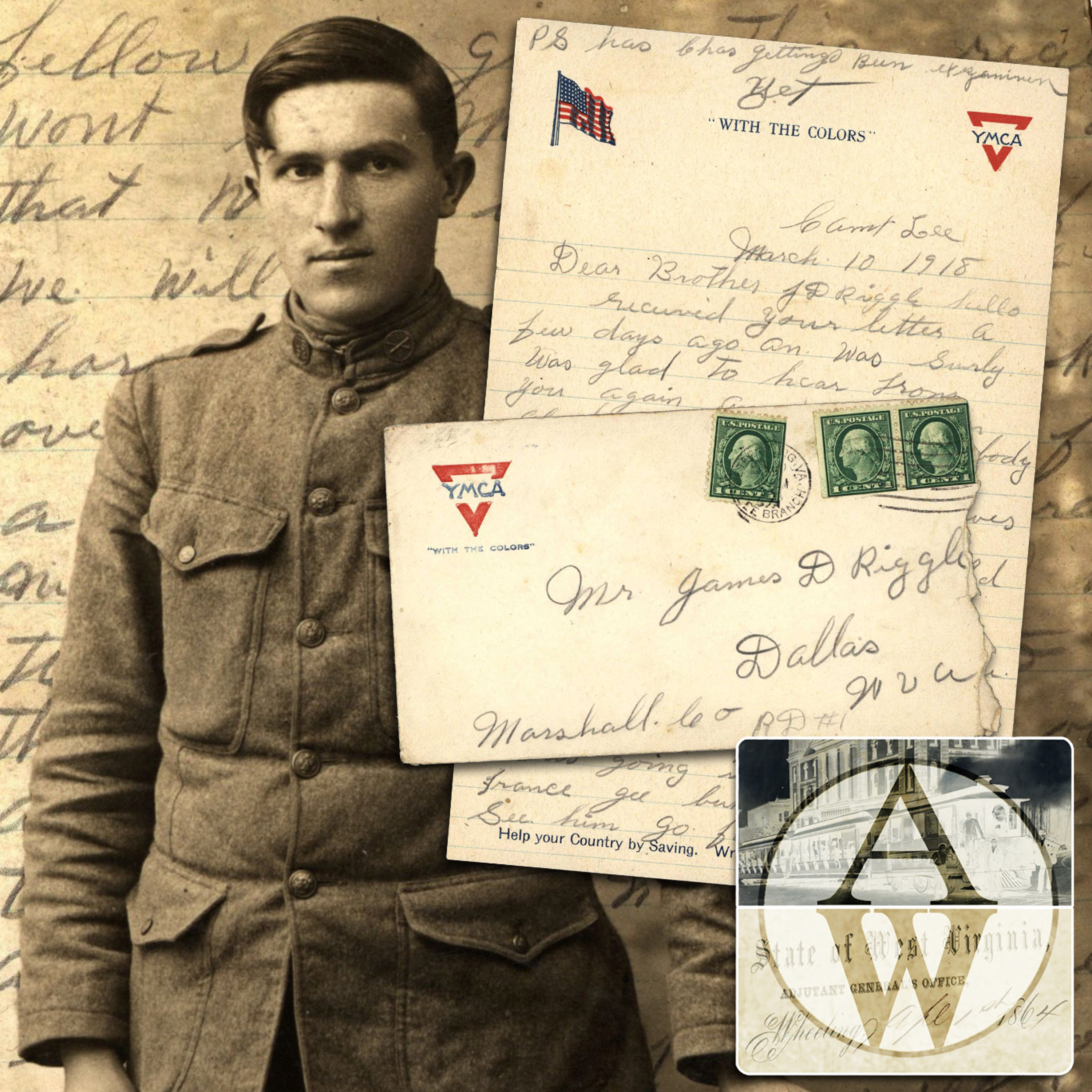
From Camp Lee to the Great War: The Letters of Lester Scott & Charles RiggleFrom Camp Lee to the Great War: Episode 38 [March 10, 1918]"I want to come home either well, or if I get killed, I would just as soon be planted in France..."
In his tenth letter home from Camp Lee, Virginia, dated March 10, 1918, PFC Charles “Dutch” Riggle, a WWI soldier from Wheeling, WV, tells his brother James “Abe” Riggle that they are losing their captain, probably because he is being sent overseas. Just as Les Scott reported the day before (see podcast 37), Dutch believes they will keep the mules and not be motorized (with trucks). They'll be heading to the artillery range on the James River. Dutch is looking forward to it. His b...
2018-03-1004 min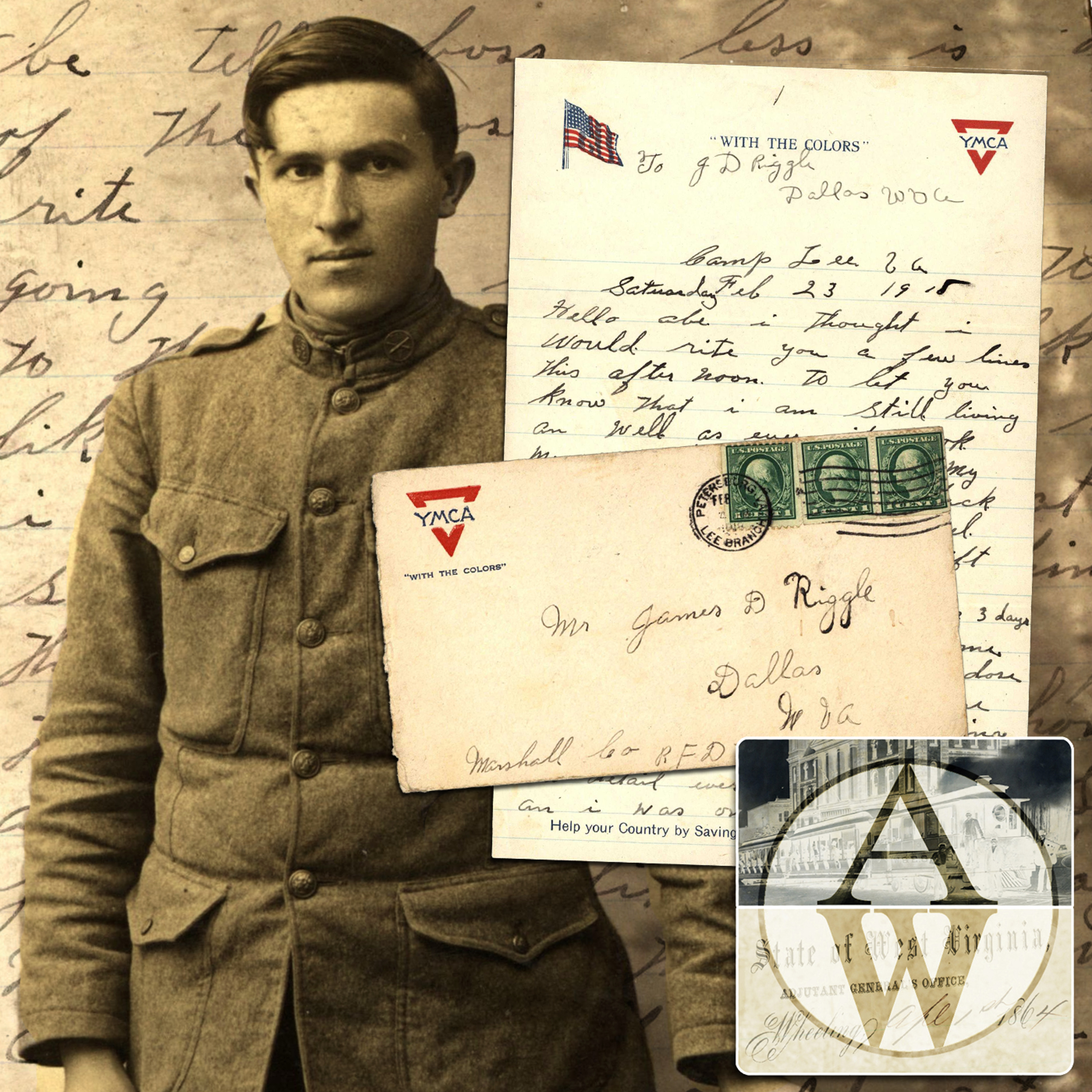
From Camp Lee to the Great War: The Letters of Lester Scott & Charles RiggleFrom Camp Lee to the Great War: Episode 33 [February 23, 1918]"I would like to be in one battle before [the war] is over any way. For all i know, I might be in several of them before it is over...."
In his ninth letter home from Camp Lee, Virginia, dated February 23, 1918, PFC Charles “Dutch” Riggle, a WWI soldier from Wheeling, WV, tells his brother James “Abe” Riggle that he's just starting to feel like he did before he left [apparently to go home for a visit]. The weather is like spring and he hasn't drilled a bit since returning. Les [our second letter writer] is out of the hospital and doing we...
2018-02-2204 min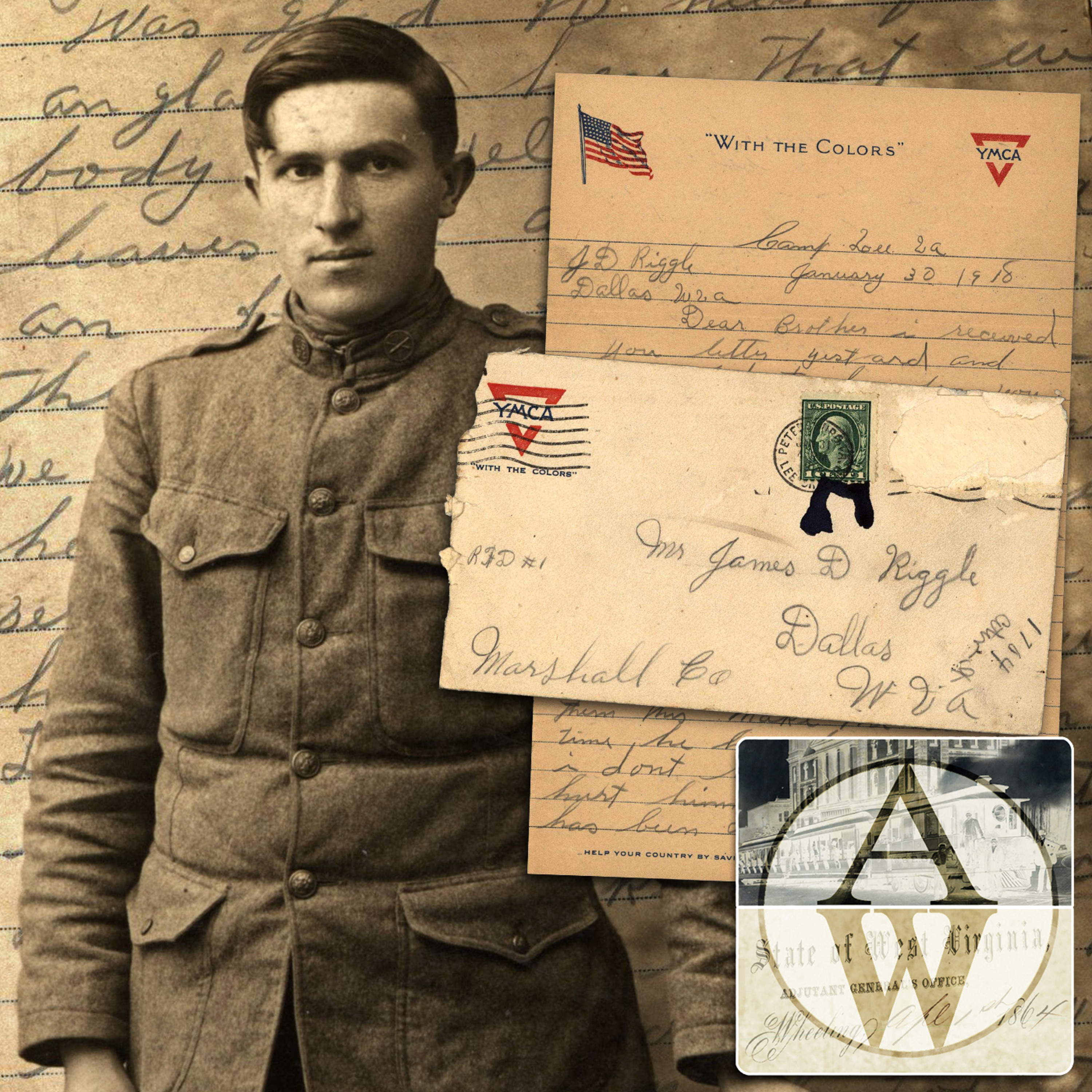
From Camp Lee to the Great War: The Letters of Lester Scott & Charles RiggleFrom Camp Lee to the Great War: Episode 29 [January 30, 1918]"Well Abe it look like they will haft to do something pretty soon over in Germany. The way the people is doing there, I think the war will close in 2 or 3 month..."
In his eighth letter home from Camp Lee, Virginia, dated January 30, 1918, PFC Charles “Dutch” Riggle, a WWI soldier from Wheeling, WV, tells his brother James “Abe” Riggle that Les (PFC Lester Scott) is in the hospital with the mumps, like a lot of other boys in camp. He says they are practicing on the "big guns," which "do roar when they go off." Though it's raining "like the devil,"...
2018-01-3004 min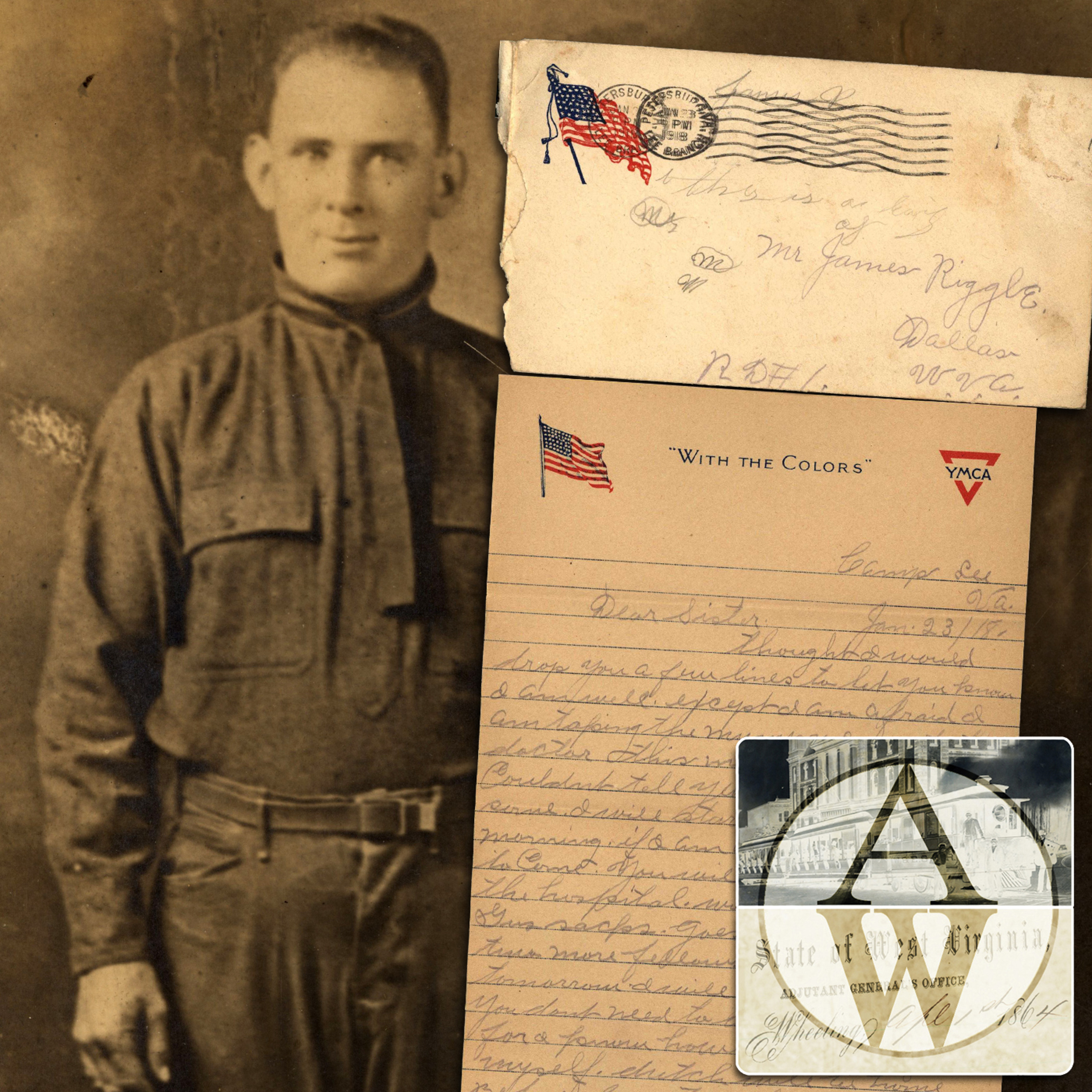
From Camp Lee to the Great War: The Letters of Lester Scott & Charles RiggleFrom Camp Lee to the Great War: Episode 27 [January 23, 1918]"I have been having some pretty hard luck..."
In his twentieth letter home from Camp Lee, Virginia, to his sister Minnie Riggle, US Army Wagoner (mule team driver) Lester Scott, a World War I soldier from Wheeling, West Virginia, writes that he is "taking the mumps" and his "jaw is swelled some." He fears a long hospital stay (18 days for mumps) will ruin yet another attempt to visit home. Even the ever-optimistic Les has to admit he's been the victim of some "hard luck," but he still sees the silver lining in that if he has mumps now, he won't...
2018-01-2203 min
Access Best-Selling Digital Audiobooks for Your LibraryAlbert Marrin - Very, Very, Very Dreadful: The Influenza Pandemic of 1918Please visit https://thebookvoice.com/podcasts/1/audiobook/312772 to listen full audiobooks.
Title: Very, Very, Very Dreadful: The Influenza Pandemic of 1918
Author: Albert Marrin
Narrator: Jim Frangione
Format: Unabridged Audiobook
Length: 5 hours 45 minutes
Release date: January 9, 2018
Ratings: Ratings of Book: 4.25 of Total 4
Ratings of Narrator: 5 of Total 1
Genres: Tough Topics
Publisher's Summary: From National Book Award finalist Albert Marrin comes a fascinating look at the history and science of the deadly 1918 flu pandemic--and its chilling and timely resemblance to the worldwide coronavirus outbreak. In spring of 1918, World War I was underway, and troops...
2018-01-095h 45
La Bellone - RencontresRemembering 1918 : East and Central European Modernity Rebuilding in Performing Arts - 24/11/17 3/4Cette activité se déroule en anglais.In collaboration with Arts and Theatre Institue, CiAsp (ULB), Czech Centre Brussels, BOZAR, Polish Institute of Brussels, Lithuanian Culture Institute, Romanian Culture Institute, Zbigniew Raszewski Theatre Institue Warsaw & Festival Temps d'Images Rumania (& Loft Theatre Germany).The year 1918 marks not only the birth of new nation states but it stands as a powerful symbol of the desire of so many people in Europe to construct a better future and embrace modernity. The upcoming anniversary of the crucial years 1918, 1948 and 1968 is a pretext for the symposium Remembering 1918: East and Central Eur...
2017-11-232h 27
La Bellone - RencontresRemembering 1918 : East and Central European Modernity Rebuilding in Performing Arts - 24/11/17 4/4Cette activité se déroule en anglais.In collaboration with Arts and Theatre Institue, CiAsp (ULB), Czech Centre Brussels, BOZAR, Polish Institute of Brussels, Lithuanian Culture Institute, Romanian Culture Institute, Zbigniew Raszewski Theatre Institue Warsaw & Festival Temps d'Images Rumania (& Loft Theatre Germany).The year 1918 marks not only the birth of new nation states but it stands as a powerful symbol of the desire of so many people in Europe to construct a better future and embrace modernity. The upcoming anniversary of the crucial years 1918, 1948 and 1968 is a pretext for the symposium Remembering 1918: East and Central Eur...
2017-11-231h 56
La Bellone - RencontresRemembering 1918 : East and Central European Modernity Rebuilding in Performing Arts - 23/11/17 2/4Cette activité se déroule en anglais.In collaboration with Arts and Theatre Institue, CiAsp (ULB), Czech Centre Brussels, BOZAR, Polish Institute of Brussels, Lithuanian Culture Institute, Romanian Culture Institute, Zbigniew Raszewski Theatre Institue Warsaw & Festival Temps d'Images Rumania (& Loft Theatre Germany).The year 1918 marks not only the birth of new nation states but it stands as a powerful symbol of the desire of so many people in Europe to construct a better future and embrace modernity. The upcoming anniversary of the crucial years 1918, 1948 and 1968 is a pretext for the symposium Remembering 1918: East and Central Eur...
2017-11-232h 14
La Bellone - RencontresRemembering 1918 : East and Central European Modernity Rebuilding in Performing Arts - 23/11/17 1/4Cette activité se déroule en anglais.In collaboration with Arts and Theatre Institue, CiAsp (ULB), Czech Centre Brussels, BOZAR, Polish Institute of Brussels, Lithuanian Culture Institute, Romanian Culture Institute, Zbigniew Raszewski Theatre Institue Warsaw & Festival Temps d'Images Rumania (& Loft Theatre Germany).The year 1918 marks not only the birth of new nation states but it stands as a powerful symbol of the desire of so many people in Europe to construct a better future and embrace modernity. The upcoming anniversary of the crucial years 1918, 1948 and 1968 is a pretext for the symposium Remembering 1918: East and Central Eur...
2017-11-232h 49
Southern Irish Loyalism in ContextEpisode 3 - Panel 1a - Voting to maintain the Union in 1918: ‘the strongest pillars upon which they stood' - Elaine CallinanVoting to maintain the Union in 1918: ‘the strongest pillars upon which they stood’
Tom Garvin in The Evolution of Irish Nationalist Politics stated that ‘the general election of December 1918 was, in the language of political science, a critical election.’ It was the dawn of intense electioneering and the creation of adroit propaganda campaigns aimed at winning the hearts and minds of the electorate.
Southern unionists, like their nationalist counterparts, sought to persuade (and at times manipulate) opinion to draw support for their manifestos and policies during these elections. This paper will examine how and where unionist candidates were nominated and geograph...
2017-10-1519 min