Shows
Psychofarm PodcastIs Autism Overdiagnosed? How Psychiatrists Assess AdultsIs autism overdiagnosed? In Part 2 of our autism series, two adult psychiatrists ask why U.S. autism prevalence went from about 1 in 150 to about 1 in 31, what should count as a mental disorder, and how to evaluate an adult who arrives asking whether they have autism.What we cover* Why autism diagnoses have climbed, from about 1 in 150 children around 2000 to about 1 in 31 in 2022, and whether better recognition or a shift toward naming ordinary traits as disorders explains most of the rise.* What DSM-5 changed: Asperger's syndrome and childhood disintegrative disorder folded into autism spectrum...
2026-11-1859 min
It’s just AuDHDIs Elizabeth Holmes Autistic?So you've watched the documentary You Can See Everything, and you picked up on a few potentially autistic traits from Elizabeth Holmes. Or maybe you've seen the internet fights about this topic and you're here for a conclusive answer. You've come to the right place! Buckle up for a nearly 2 hour monologue full of side plots and, as usual, packed with lots of important studies and research on autism.Sources: 25% of incels are diagnosed autistic: https://pmc.ncbi.nlm.nih.gov/articles/PMC10732311/Why Theranos could never work: https://youtu.be/d9EaqyoA29EAutistic...
2026-11-141h 44
Psychofarm PodcastDiagnostic Hierarchy Explained: Why Patients Get 5 DiagnosesWhy do so many patients arrive with four, five or six psychiatric diagnoses? Mark Ruffalo, a psychoanalytically trained clinical social worker who teaches psychiatry residents, joins Dr. Malzberg and Dr. Fu to discuss his new paper with psychiatrist Ronald Pies in Psychiatric Services, “The Need for a Validity-Based Diagnostic Hierarchy in DSM-6.” We trace how DSM-III chose reliability over validity, why the Washington University group of Robins and Guze pushed back, and how losing the diagnostic hierarchy opened the door to false comorbidity, polypharmacy and symptom-by-symptom treatment. Mark lays out which conditions sit at the top of a validity-based hier...
2026-11-031h 05
Psychofarm PodcastTrauma and PTSD: How the DSM Criteria Actually Help Us Understand What’s Going OnPTSD diagnosis is more complicated than identifying a trauma history. In this episode, we break down what qualifies as Criterion A trauma, the major PTSD symptom clusters, and how intrusion, avoidance, negative beliefs, hyperarousal, and dissociation can show up in practice. We also discuss acute stress disorder, fragmented traumatic memory, and why PTSD can be mistaken for depression, anxiety, mania, concentration problems, or psychosis. Along the way, we focus on careful trauma assessment: establishing a timeline, considering alternative diagnoses, monitoring the patient’s level of distress, and gathering what you need without turning a diagnostic interview into trauma therapy....
2026-10-061h 01
The TMS PodcastInside the Clinical TMS Society Annual Meeting in Boston: Highlights, Snacks, and Spelling Bee...In this episode, Dr. Harvey and Dr. Malzberg dive into the key takeaways from the Annual Meeting of the Clinical TMS Society in Boston. While the conference was packed with groundbreaking research—covering new brain targets like the posterior parietal area, accelerated protocols, d-cycloserine, and expanding TMS applications for conditions like Alzheimer's and schizophrenia—the hosts shift their focus to the ultimate test of conference networking: the hors d'oeuvres. Tune in as Dr. Harvey takes a roaming mic around the conference floor to get attendees' unfiltered opinions on the snack budget and puts top TMS experts to the test to s...
2026-08-1020 min
The TMS PodcastDr. Colleen Hanlon on Brainsway and the Next Frontier of Brain Stimulation and TMS for AddictionNeuroscientist Dr. Colleen Hanlon joins The TMS Podcast to discuss whether transcranial magnetic stimulation can meaningfully treat addiction…. and what the future of brain stimulation may look like. She explains the emerging evidence for deep TMS in alcohol and nicotine use disorders, how clinicians should think about seizure risk in patients who are actively drinking, and why abrupt alcohol withdrawal is more concerning than stable use. The conversation also explores accelerated TMS, BrainsWay’s ongoing alcohol-use-disorder trial, and rotational field TMS, a next-generation technology designed to stimulate neurons across multiple orientations. It is a practical look at how TMS may...
2026-07-1548 min
The TMS PodcastWhich TMS Machine Should You Buy? 9 Questions Before Choosing a DeviceWhich TMS machine should a psychiatry practice buy? In this episode, Dr. Steve Harvey and Dr. Greg Malzberg walk through the real-world factors clinicians should consider before choosing a TMS device. Rather than naming brands, they focus on the practical questions that matter: upfront cost, rental and per-use fees, coil replacement, service responsiveness, portability, cooling systems, exit options, and the hidden risks of working with a manufacturer. The episode is especially useful for clinicians thinking about starting or expanding a TMS practice who want a more thoughtful checklist than simply comparing the sticker price. This is...
2026-07-0122 min
The TMS PodcastTMS for OCD: Effectiveness, Protocols, and Patient SelectionTMS for OCD is more than just using the same treatment protocol as depression. In this episode, Dr. Harvey and Dr. Malzberg discuss how transcranial magnetic stimulation is used for obsessive-compulsive disorder, including FDA-cleared protocols, the H7 coil, symptom provocation, dorsomedial prefrontal cortex and anterior cingulate targets, and what patients can realistically expect. They also cover why TMS for OCD is less commonly used than TMS for depression, how insurance coverage affects access, and why clinicians need to be careful not to overdiagnose OCD when intrusive thoughts may fit a different formulation. This is a public...
2026-06-1724 min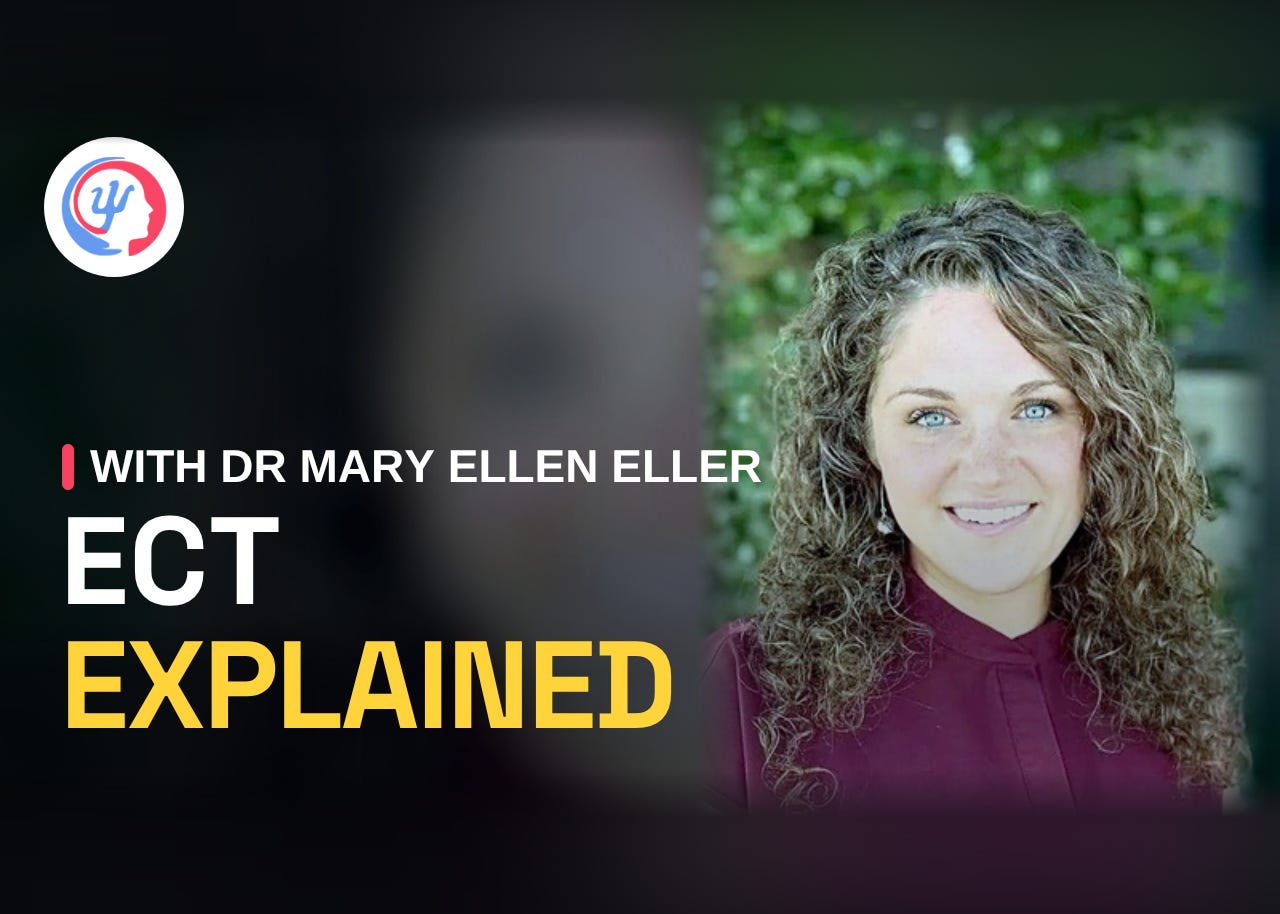
Psychofarm PodcastECT Treatment: When to Refer, Who It Helps, and What Actually Happens with Dr. MaryEllen EllerUnfortunately no Dr. Fu today, but Dr. Malzberg speaks with the wonderful psychiatrist Dr. Mary Ellen Eller, who walks through what modern electroconvulsive therapy actually looks like and when clinicians should consider it. The episode covers ECT history, stigma, seizure monitoring, memory concerns, side effects, and the real-world logistics patients face during a treatment course. It also explores where ECT fits in the algorithm for severe depression, depression with psychosis, catatonia, bipolar mania. The result is a grounded, clinician-friendly guide to a misunderstood treatment. This is a public episode. If you would like to discuss this...
2026-06-1754 min
The TMS PodcastChestnut Lodge: The Psychiatry Case That Still Matters (for TMS)TMS gets a historical frame in this episode, using the Chestnut Lodge case and Rafael Osheroff’s lawsuit to explore how psychiatry changes when old assumptions fail patients. Dr. Steve Harvey and Dr. Greg Malzberg discuss psychoanalysis, medication, neuromodulation, and the danger of treating any one approach as the only legitimate answer. The conversation connects a famous psychiatry history case to today’s patients who cycle through depression medications without hearing about TMS, while also warning against turning TMS or any newer treatment into hype. This is a public episode. If you would like to discuss this...
2026-06-0127 min
The TMS PodcastWhat Are the Safety Risks of TMS? (Seizures, Hearing Loss, and Metal)TMS safety risks are the focus of this episode, with a balanced look at why transcranial magnetic stimulation is considered very safe while still requiring thoughtful precautions. Psychiatrists explain the rare but serious concerns patients should understand before treatment, including hearing damage without earplugs, seizure risk during stimulation, and metal-related issues near the magnetic field. The discussion also covers practical clinic safety steps, why medication changes can matter during a TMS course, and why “no side effects” is not the right way to describe any treatment. It is a clear, grounded overview for anyone considering TMS or educating patients abou...
2026-05-2042 min
The TMS PodcastHow TMS Works for Depression: Brain Networks, Neuroplasticity, and the Left DLPFCHow TMS works is the focus of this episode, which moves beyond the idea that depression is simply a chemical imbalance. Dr. Harvey and Dr. Malzberg explain why TMS targets the left dorsolateral prefrontal cortex, how that surface region may influence deeper connected brain networks. They also discuss neuroplasticity with appropriate caution, emphasizing that it is not magical brain fertilizer but one possible part of how treatments for depression create change. The result is a clear, honest psychiatry conversation about TMS, depression, brain networks, and what science still cannot fully explain. This is a public episode...
2026-05-1523 min
The TMS PodcastSerotonin Hypothesis of Depression: Why Low Serotonin Is Too SimpleSerotonin hypothesis of depression is the center of this episode, as two psychiatrists unpack why the low serotonin “chemical imbalance” story became so popular and why it falls short. They trace the monoamine hypothesis, discuss serotonin, norepinephrine, and dopamine, and review evidence that challenges a simple serotonin deficiency model. The conversation also explains why this does not mean SSRIs or antidepressants stop working, using clear analogies and clinical examples like delayed medication response, serotonin syndrome, tryptophan depletion, TMS, and depression research. This is a public episode. If you would like to discuss this with other subscribers or g...
2026-05-0621 min
Psychofarm PodcastMindfulness in Psychiatry: How to Teach It as a Clinical Treatment SkillMindfulness in psychiatry is the focus of this episode, with Doctors Malzberg and Fu treating it as a practical clinical skill rather than vague wellness advice. They define mindfulness as deliberate attention to the present moment without judgment, then connect it to DBT, MBCT, ACT, anxiety, depression, PTSD, substance use, and trauma-informed care. The conversation also covers when mindfulness should be modified, why it is not always a standalone treatment, and how clinicians can teach it through short, scheduled practice, DBT “what skills,” grounding techniques, and careful follow-up.What we cover* Why mindfulness can be trea...
2026-05-0552 min
The TMS PodcastHow to Fail in a TMS Practice (Part 2): When Business Decisions Undermine Patient CareTMS practice management is the focus of this episode on how clinics fail when business decisions start overriding clinical judgment. The conversation explores patient care vs profit, physician leadership, non-medical managers, clinician autonomy, Spravato pressure, and why treatment quality is also a business strategy. For psychiatrists, TMS providers, and private practice owners, this is a practical discussion of TMS clinic operations and healthcare management grounded in the realities of psychiatry. It is especially relevant for anyone trying to build a physician-led TMS clinic without letting quotas, sterile workflows, or non-clinical control erode patient care. This is...
2026-04-2020 min
The TMS PodcastHow to Fail in a TMS Practice: The Biggest Mistakes Clinics MakeTMS practice mistakes are at the center of this episode on why TMS clinics fail and what those failures reveal about better care. The conversation covers timid rollout, underestimated demand, remote management, referral boundaries, physician leadership, and the damage that happens when business pressure starts to shape clinical decisions. For psychiatrists, practice owners, and clinicians interested in transcranial magnetic stimulation, this is a practical discussion of TMS clinic management rooted in real-world patterns rather than abstract theory. It is especially useful for anyone starting a TMS practice or trying to understand why a service is underperforming. ...
2026-04-1322 min
The TMS PodcastTMS Greatest Hits: The 5 Most Important Studies That Changed the FieldTMS research has reached a tipping point, and in this episode Dr. Harvey walks through the five studies he believes have most dramatically reshaped the field. From a Dutch randomized trial showing TMS outperforms a third antidepressant by a factor of five, to the theta burst 3D trial that compressed treatment into three minutes, to Stanford’s headline-grabbing SAINT protocol and its 90% remission claim — each study adds a new layer to how clinicians can approach treatment-resistant depression. The episode also covers a promising single-day TMS trial and emerging data on TMS plus neuroplastogens for OCD, making this a must-listen for...
2026-04-0129 min
The TMS PodcastHow TMS Was Invented And Why It Keeps Getting BetterIn this episode, Dr. Harvey and Dr. Malzberg walk through the full history of transcranial magnetic stimulation, from Dr. Tony Barker’s 1985 discovery in a UK engineering lab to the 2008 FDA clearance of the Neurostar system for treatment-resistant depression. They explain how a magnetic field bypasses the skull to induce electrical current in the brain, why early TMS likely underdosed patients, and how new coil designs, expanded indications, and accelerated protocols have transformed the field into one of psychiatry’s fastest-moving areas. This is a public episode. If you would like to discuss this with other subs...
2026-03-2518 min
The TMS PodcastTMS 101: What It Is and How It WorksIn this foundational episode on transcranial magnetic stimulation, Dr. Malzberg is joined by Dr. Steve Harvey… a TMS specialist and early adopter since 2013… for a clear, hype-free introduction to how TMS works and why it matters. They cover the basic physics of using magnetic pulses to create electrical stimulation in the brain, the evidence behind targeting the prefrontal cortex in depression, and how TMS differs fundamentally from ECT. They also take an honest look at where the field oversells itself, and why intellectual humility should guide how clinicians and patients think about brain stimulation therapy going forward. ...
2026-03-1826 min
Psychofarm PodcastTop 10 Things to Know About ClozapineIn this episode, we outline the top 10 things clinicians need to know before prescribing clozapine. Aimed at psychiatrists and trainees, we cover when to use Clozaril. for treatment-resistant schizophrenia and highlight unique benefits like reducing suicidal behavior and aggression. We also discuss why this gold-standard treatment remains underused and review the monitoring protocols. Crucial safety considerations are addressed, including how to watch for neutropenia and constipation. Tune in for practical tips on clozapine titration, side effect management, and best practices to ensure safe and effective use of this life-changing medication. This is a public episode. If...
2025-12-2945 min
Psychofarm PodcastLessons from Forensic Psychiatry: Insanity Defense, Subtle Patients and CulpabilityThis conversation explores key aspects of forensic psychiatry, including the insanity defense, dissimulating patients, and how clinical practice intersects with legal systems. It highlights the importance of open-ended dialogue, nuanced diagnosis, and maintaining empathy without succumbing to cynicism.What we cover* What forensic psychiatry is (psychiatric expertise applied to legal questions, not correctional psychiatry) and the ideal of the independent, neutral expert, which one host argues also improves clinical work.* Concerns about subjective diagnosis and shifting diagnostic trends in legal settings, how the adversarial system checks weak opinions, and why evaluators differ more...
2025-04-0154 min
Psychofarm PodcastTMS and The Future of Psychiatry, Part 1 with Dr. Owen MuirIn this engaging episode, Dr. Owen Muir dives into the science and practice of Transcranial Magnetic Stimulation (TMS), exploring its transformative role in modern psychiatry. The conversation begins with a historical look at how TMS emerged from groundbreaking research in the 1980s, evolving into an FDA-approved, noninvasive treatment for mental health disorders such as treatment-resistant depression, OCD, and bipolar disorder. Listeners are taken on a journey through the mechanics of TMS, from precise brain mapping and neural synchronization to the innovative use of accelerated TMS protocols that offer rapid symptom relief.Dr. Owen Muir unpacks how TMS...
2025-02-0455 min
Psychofarm PodcastWhat Psychiatrists Get Wrong About Personality DisordersIn this episode, we take a peak into the often-misunderstood world of personality disorders. We explore common misconceptions that psychiatrists and clinicians make when diagnosing and treating personality disorders, shedding light on why these errors happen and how to approach personality pathology in a more integrative, effective way. The conversation challenges the traditional views and advocates for a more nuanced understanding of self and others. Whether you're a clinician, mental health professional, or someone interested in psychology, this episode offers a nifty perspective on the complexities of personality, pathology, and the therapeutic journey.🔴PsychoFarm YouTube💡Anti-depressant Course📖 PsychoFarm's Treating Depressio...
2024-10-1539 min
Psychofarm PodcastADHD Again, But Juicier: Unpacking Misdiagnosis, Medication Overuse, and Cultural TrendsIn this episode, Dr. Fu rejoins us as we take a deep dive into the world of ADHD—beyond the usual headlines and social media buzz. We’ll talk about how ADHD is often misunderstood, misdiagnosed, and even overhyped. Join us as we explore why so many people are getting diagnosed, the real role of medication, and why it's dangerous to use 1 thing to explain behavior. We’ll also dig into how cultural trends and social media are shaping our views on ADHD, and why it’s essential to see the whole picture when it comes to mental health. 🔴Ps...
2024-10-021h 04
Psychofarm PodcastADHD... Diagnosis, What is ADHD? Is ADHD real? Do I have ADHD? Is ADHD biological?Unfortunately my co-host Dr. Fu is missing from today. But in this episode, we dive deep into the topic of ADHD, exploring its diagnosis, challenges with the DSM criteria, and the complexities of executive functioning deficits that define the disorder. We tackle the common question, “Is ADHD real?” and discuss how the history of ADHD has shaped the way it is understood today. We also explore the nature versus nurture debate and discuss the influence of biological and environmental factors on ADHD. Throughout the conversation, we challenge traditional thinking, encouraging listeners to approach ADHD from a broader perspective, considering both...
2024-09-2446 min
Psychofarm PodcastBipolar Misunderstandings, Integrating Biology & Personality, & Broader ConceptualizationsIn this episode, we dive into the challenges of diagnosing bipolar disorder, especially when it overlaps with personality disorders. We discuss how psychiatric training often focuses on severe cases, which can make it harder to recognize milder forms. You'll hear about the importance of gathering detailed patient history and why short-term observations can be misleading. We also touch on the limitations of the DSM-5 and the need for a more holistic approach to diagnosis, incorporating biological, psychological, and social factors. Finally, we explore an alternative model for understanding personality disorders that goes beyond the traditional DSM framework.🔴Psy...
2024-09-0444 min