Shows

AI Post TransformersAllMem for Efficient Long-Context ModelingThis episode explores AllMem, a method for turning pretrained Qwen3 models into long-context systems that keep exact attention over a recent token window while storing older context in a learned memory. It explains why standard transformer attention becomes prohibitively expensive on long chats, books, codebases, and agent traces, and places AllMem in the broader landscape of sliding-window, sparse-attention, recurrent, and memory-augmented architectures. The discussion highlights the paper’s core argument: a hybrid design can preserve sharp local reasoning, compress the distant past through online memory updates, and approach the quality of full attention without the same compute and KV-cache costs. A...
2026-06-1300 min
AI Post TransformersTitans: Learning to Memorize at Test TimeThis episode explores the Titans paper’s proposal to pair standard attention with a separate learned long-term memory that updates during inference, aiming to preserve distant information without paying full quadratic attention costs across very long sequences. It situates that idea against earlier approaches such as Neural Turing Machines, Transformer-XL, Compressive Transformers, Memorizing Transformers, and linear-attention recurrent models, highlighting the recurring tradeoff between precise recall and scalable memory. The discussion focuses on the paper’s most distinctive claim: memory writes are driven by a loss-based notion of surprise, making test-time memory updates look more like small online learning steps than a si...
2026-05-2000 min
AI Post TransformersReal Context Size and Context RotIn this episode, Hal Turing and Dr. Ada Shannon return to a term they used in their Recursive Language Models conversation without fully defining it: context rot. Using Chroma Research’s 2025 write-up as the main anchor, they explain context rot as the degraded, uneven, and unreliable use of information as prompts get longer—even on simple tasks. The discussion makes the central distinction the industry often blurs: advertised context capacity is not the same as usable context. A model may accept 128K or even a million tokens without crashing, but that does not mean it can reliably retrieve, connect, and reas...
2026-04-0700 min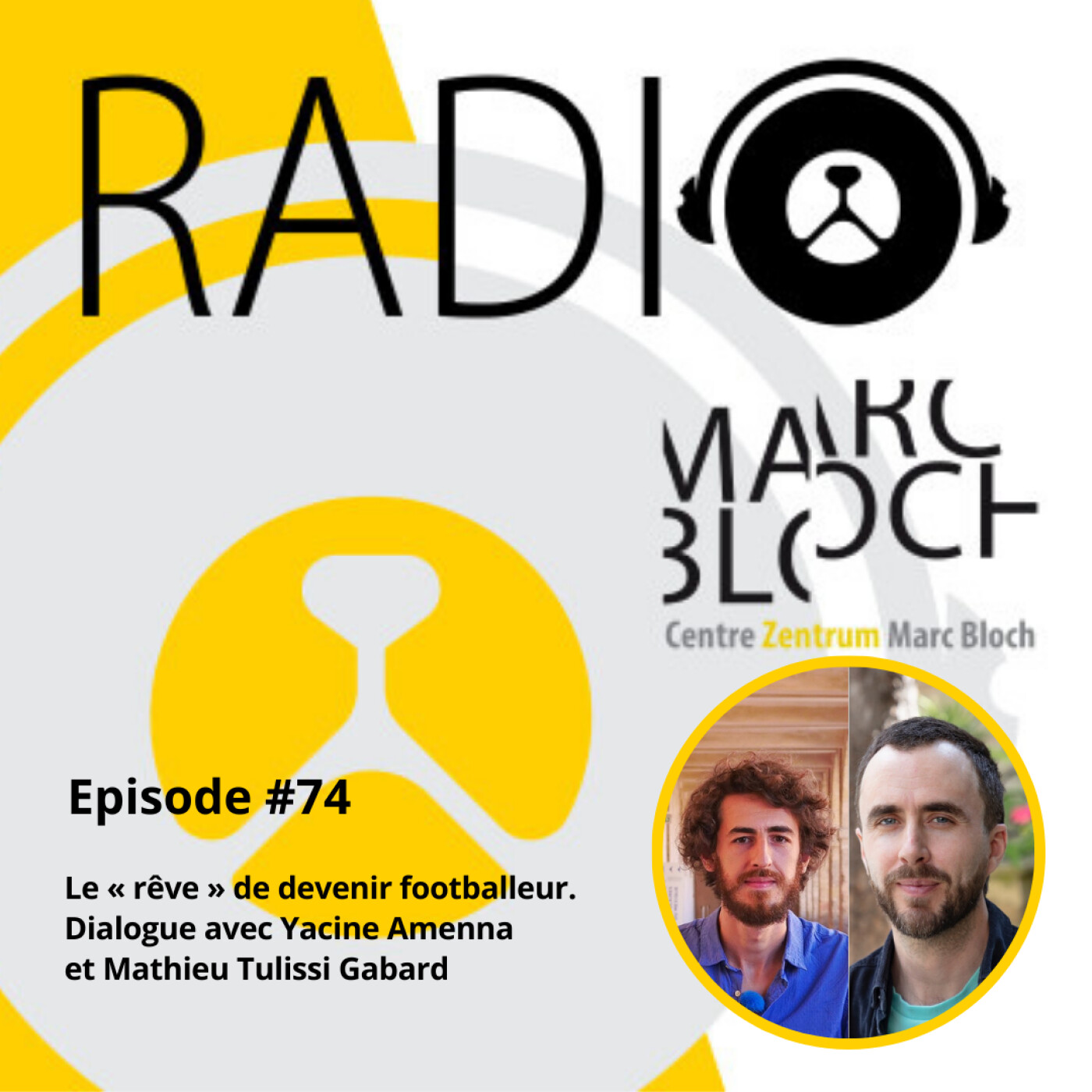
Radio Marc Bloch#74 Le « rêve » de devenir footballeur. Dialogue avec Yacine Amenna et Mathieu Tulissi GabardLes centres de formation de football recrutent des joueurs dès leur plus jeune âge, projetant sur ces quelques « élus » l’image d’une ascension sociale fulgurante. Comment sont recrutés et formés les jeunes joueurs ? Dans quelles conditions de vie évoluent-ils au sein des centres de formation ?Dans sa thèse Le rêve de devenir footballeur. Recrutement, formation et insertion professionnelle d’une élite sportive en France et en Allemagne, Yacine Amenna, sociologue et anthropologue, analyse les dynamiques sociales qui influent sur le devenir des jeunes apprentis footballeurs, sur leur intégration au sein des...
2026-02-1653 min
Learning Chinese through Stories3.1.27B《比亚迪的崛起》Story WalkthroughWelcome to another episode of 听故事说中文! Today, we're diving into the incredible journey of BYD, a company whose name stands for "Build Your Dreams." Founded by Wang Chuanfu, a man with humble beginnings and a grand vision for electric vehicles, BYD has transformed from a small battery manufacturer in Shenzhen to a global leader in the electric car industry. Join us as we explore how Wang's determination and innovative spirit led BYD to create China's first mass-produced electric car and capture the attention of investors worldwide, including Warren Buffett. ************************************************************ Support Our Podcast If our podca...
2024-08-1333 min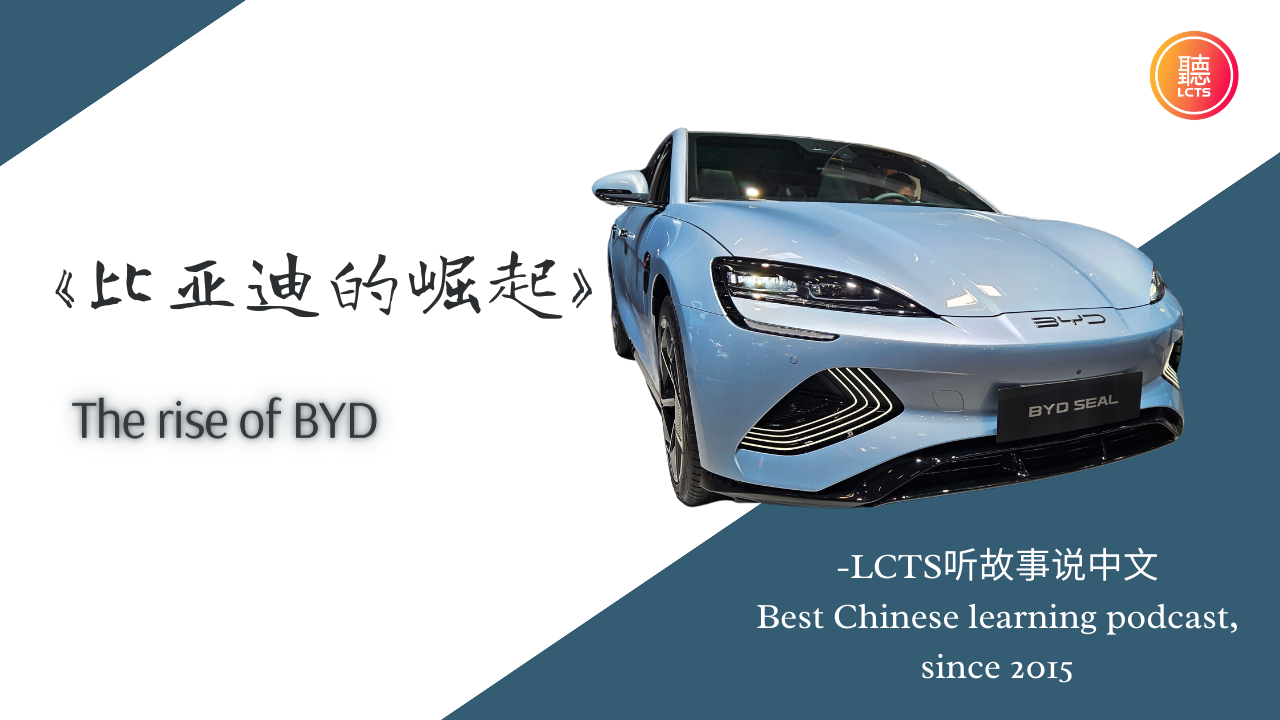
Learning Chinese through Stories3.1.27A《比亚迪的崛起》StoryWelcome to another episode of 听故事说中文! Today, we're diving into the incredible journey of BYD, a company whose name stands for "Build Your Dreams." Founded by Wang Chuanfu, a man with humble beginnings and a grand vision for electric vehicles, BYD has transformed from a small battery manufacturer in Shenzhen to a global leader in the electric car industry. Join us as we explore how Wang's determination and innovative spirit led BYD to create China's first mass-produced electric car and capture the attention of investors worldwide, including Warren Buffett. ************************************************************ Support Our Podcast If our podca...
2024-07-0608 minLearning Chinese through Stories3.2.20B《王老先生住进了养老院》Story Walkthrough By becoming a member, you'll gain exclusive early access to 4 ad-free episodes/month, sync your Chinese learning experience with story and story walkthrough transcripts as well as episode-specific vocabulary lists. Plus, our weekly online meetups provide a platform for learners worldwide to practice speaking. ************************************************************ In this episode , we meet Mr. Wang, a man in his seventies who has been living alone since his wife passed away. Despite being in good health, his children are concerned and want him to live with them. A recent incident shakes Mr. Wang's resolve, leading him to consider a...
2024-05-0453 minLearning Chinese through Stories3.2.20A《王老先生住进了养老院》StoryAre you a fan of our podcast and hungry for more? Well, we've got a treat for you! By becoming a member, you'll gain exclusive access to our treasure trove of story and story explanation transcripts as well as vocabulary list covered in our our conversation. Transcript Membership Did you know that you can practice your spoken Chinese with Rui & Simeng and other language enthusiasts ? Besides having exclusive access to the transcript, you can also engage in spontaneous conversations with other learners where you can improve your Chinese speaking skills in a friendly, supportive environment.
2024-04-2109 min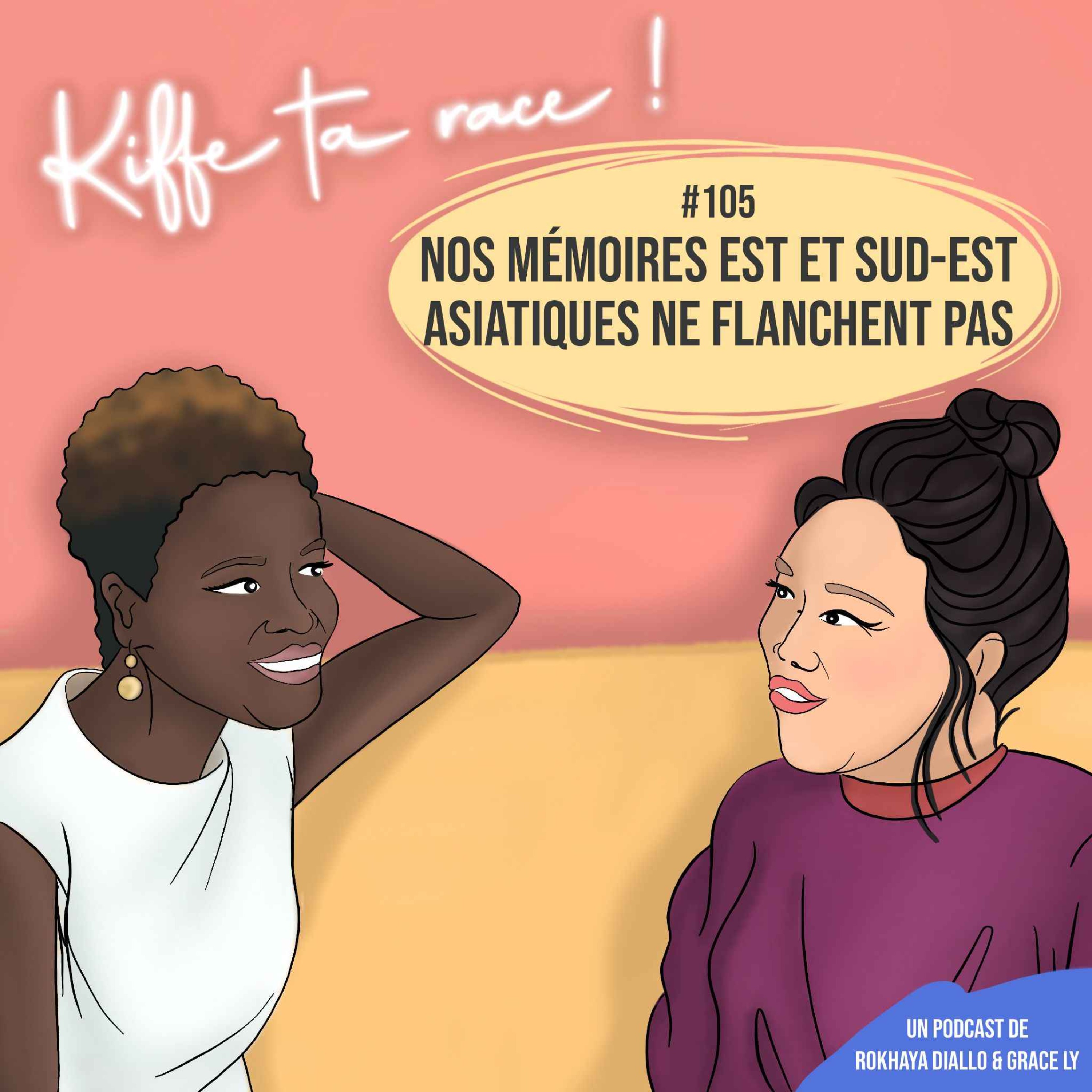
Kiffe ta raceNos mémoires est et sud-est asiatiques ne flanchent pas#105 NOS MÉMOIRES EST ET SUD-EST ASIATIQUES NE FLANCHENT PASBien qu’ancrés dans l’histoire de France et sur son territoire, les héritages est et sud-est asiatiques manquent aux récits d’histoires des programmes scolaires. Cet effacement renforce la marginalisation des communautés issus de ces espaces et entretient les stéréotypes de discrétion et d’invisibilité qui leur pèsent déjà. Cet épisode rappelle le foisonnement mémoriel des migrations est et sud-est asiatiques sur fond d’histoire coloniale, de guerres de libérations en ex-Indochine, d’immigration plus récente et ses prolong...
2024-02-2241 min
Asiattitudes - Identités et cultures des diasporas asiatiquesS3E1 - Comprendre l'histoire des immigrations est et sud-est asiatiques - Avec Simeng Wang, sociologue et chargée de recherche au CNRSPourquoi y a t-il des personnes vietnamiennes, des cambodgiennes, des chinoises, des laotiennes et bien d’autres populations asiatiques en France ? Quelle est leur histoire ? Pourquoi sont-elles venues en France ? Pourquoi, en tant qu'asiatiques, vivons nous en France ? On ne l'apprend pas dans nos livres d'histoire, et pourtant cette histoire des immigrations asiatiques fait partie intégrante de l'histoire de France.Du 15 octobre 2023 au 18 février 2024, le Musée national de l'histoire de l'immigration a présenté "Immigrations est et sud -est asiatiques depuis 1860", la 1ere exposition à ces histoires, à nos histo...
2024-02-1129 min
初路 How we begin?Episode 5: 艺术治疗专业申请准备和就读体验 - NYU和SVA 毕业生与我们分享|How to Apply & Prepare for an Art Therapy Program - NYU & SVA Students Share本期亮点:
学习艺术治疗需要有艺术专业背景吗
学习艺术治疗的体会:喜欢VS不喜欢的部分
艺术治疗在纽约的就业情况
主持人: Jun(美国注册戏剧治疗师、纽约州表达性艺术治疗师)
本期嘉宾:
Chenwei : 纽约大学艺术治疗硕士,纽约心理机构心理治疗师
Simeng Wang: SVA art therapy 毕业,现在就职于法拉盛,主要客户群体为华人儿童和青少年。
Serena Xu: enthusiastic art world stalker and psychology practitioner, founder of Random Soirée creative lifestyle atelier
如果您也是专业助人者,包括但不仅限于表达性艺术治疗师、心理咨询师、社会工作者、护士等,我们非常愿意听到关于您的职业生涯的贡多故事。请通过chulu2310@gmail.com与我们联系。中英文不限。
2023-12-0946 min
Asian EchoSolidarité panasiatique avec Simeng WangSimeng Wang d'origine chinoise est sociologue, chargée de rechercher au CNRS et co-auteur de 𝘓’𝘦𝘹𝘱é𝘳𝘪𝘦𝘯𝘤𝘦 𝘥𝘶 𝘳𝘢𝘤𝘪𝘴𝘮𝘦 𝘦𝘵 𝘥𝘦𝘴 𝘥𝘪𝘴𝘤𝘳𝘪𝘮𝘪𝘯𝘢𝘵𝘪𝘰𝘯𝘴 𝘥𝘦𝘴 𝘱𝘦𝘳𝘴𝘰𝘯𝘯𝘦𝘴 𝘰𝘳𝘪𝘨𝘪𝘯𝘢𝘪𝘳𝘦𝘴 𝘥’𝘈𝘴𝘪𝘦 𝘥𝘦 𝘭’𝘌𝘴𝘵 𝘦𝘵 𝘥𝘶 𝘚𝘶𝘥-𝘌𝘴𝘵 𝘦𝘯 𝘍𝘳𝘢𝘯𝘤𝘦 (𝚁𝙴𝙰𝙲𝚃𝙰𝚜𝚒𝚎)
2023-06-2038 min
Politistes dans la Cité#19-Emilie Frenkiel: Des conventions citoyennes à l'universitéPour ouvrir la rentrée universitaire et la saison 3 de Politistes dans la Cité, nous tendons le micro à Émilie Frenkiel, spécialiste de la Chine contemporaine, maîtresse de conférences en science politique à l’Université Paris Est Créteil (UPEC), directrice adjointe du LIPHA (le laboratoire interdisciplinaire du politique Hannah Arendt), membre du comité de rédaction de La Vie des idées , et surtout principale artisane du lancement de conventions
citoyennes étudiantes au sein l’UPEC en 2020.
Ce dispositif participatif inspiré de la Convention citoyenne pour le Climat (on vous renvoie à l'épisode 1 de Politistes da...
2022-09-1547 min
Cosmo-politiqueLa diaspora chinoise en France à l’épreuve de la pandémieDepuis les débuts de la pandémie de Covid-19, la population chinoise en France semble avoir été doublement mise à l’épreuve. D’un côté par la maladie, qui a pu toucher les familles et amis dans le pays d’origine, distendre les liens avec la fermeture des frontières, et faire de la diaspora un acteur central dans la mise en œuvre d’une solidarité transnationale qui ne semble pas toujours avoir été portée par les acteurs étatiques. D’un autre côté, cette population a fait face à une montée du racisme. S’il n’existe pas de statistiques offici...
2022-02-2644 minLearning Chinese through Stories2.1.34AB《元日》Please hit that Subscribe button on your Podcast player, so you won't miss the latest episode. 🏮😄🎉中国新年特辑 Chinese New Year Special Episode 元日 Chinese New Year Transcript of this episode can be found on our Patreon page It is created by Wang An Shi (1021-1086), a well-known politician, poet and prose writer, and calligrapher in Song Dynasty. You can check out him and his famous "new policy reform" 爆竹声中一岁除, 春风送暖入屠苏。 千门万户曈曈日, 总把新桃换旧符。 ************************************************************ 0:00-02:04 👩:听故事学中文,听得越多学得越好,大家好,新年好。 👨:新年好。 👩:牛年大吉,牛年快乐。 👨:祝大家牛气冲天。 👩:牛年发大财。 👨:行大运。 👩:好,今天给大家带来的是一首和过年、春节有关的诗歌、古诗。 👨:嗯,今天给大家带来一首古诗,那么这首诗叫什么名字? 👩:这首诗叫《元日》。 👨:什么? 👩:《元日》。 👨:《元日》。 👩:对啊,这是我个人最喜欢的一首和中国新年、春节有关的古诗。 👨:嗯。 For the whole transc...
2021-02-2320 minLearning Chinese through Stories3.2.12A《 红豆》Wang Wei, a famous poet in the Tang Dynasty wrote a famous poem about the red beans, which made it more well-known as a symbol for deep love. As the ancient love token, red beans symbolize love and fidelity in Chinese culture. Transcript of this episode can be found @ https://www.patreon.com/posts/38064477 Welcome to our new patrons:Svetlana, Fan Huang, Justin Pong, Roma, Ashley, Sven. Thank you for your generosity !! We are grateful for your support to make our dream come true. You are helping millions of learners around the world to acc...
2020-10-1605 min
Editions KarthalaJeudiKarthala #8 : Les migrations des Nords vers les SudsRencontre enregistrée le jeudi 28 mars à la librairie Karthala
Les recherches sur les migrations offrent désormais un panorama détaillé de la diversité des expériences de déplacement. Les flux des pays du Nord vers ceux du Sud occupent toutefois une place relativement négligeable dans ce tableau d’ensemble. Ils peinent à constituer un objet de recherche unifié alors même qu’ils prennent de plus en plus d’ampleur.
S’appuyant sur des travaux empiriques, l'ouvrage intitulé "Les migrations des Nords vers les Suds", qui sera présenté lors de cette rencontre invite le lecteur à observer sans a priori d...
2019-07-3148 min
Learning Chinese through Stories3.3.7A《李荣浩》A breakout star in Chinese pop music, Li Ronghao is one of the most exciting newcomers in the industry. 出道五年,发行五张专辑。李荣浩在乐坛的炙手可热,从他一加入《中国新说唱》就引发抢人大战可见一斑。但即使成名,他身上却找不到任何的骄傲与自满。他的人,就像他的歌那样,始终保持在自己的节奏上,没有一点世俗的杂音。 Chūdàowǔ nián , fāxíng wǔ zhāng zhuānjí . lǐrónghào zài lè tán de zhì shǒu kě rè , cóng tā yī jiārù《Zhōngguó xīn shuōchàng 》 jiù yǐnfā qiǎng réndà zhàn kějiànyībān . Dàn jíshǐ chéngmíng, tā shēn shàng què zhǎo bù dào rènhé de jiāoào yǔ zìmǎn. Tā de rén , jiù xiàng tā de gē nàyàng , shǐzhōng bǎochí zài zìjǐ de jiézòu shàng , méiyǒu yīdiǎn shìsú de záyīn . 你说你知道自己九岁时的梦想是什么吗?李荣浩自问自答,我不知道。"我只知道当时的自己是个傻子,我喜欢打电动,就要天天玩电动。我喜欢弹吉他,就要天天弹吉他。有时候你喜欢一个东西,是没有任何理由的,总之老天爷就让你作这件事。" Nǐ shuō nǐ...
2019-07-1409 minLearning Chinese through Stories3.3.6A《我的高考》Millions of students across China were sitting the "gaokao" last week, which decides which university they will go to. How do students cope with the most important exam in their life ? 高考又到了。而距离我的高考,11年已经过去了。 Gāokǎo yòu dàole . ér jùlí wǒ de gāokǎo , shíyī nián yǐjīng guòqù le . 直到许多年以后,回头看身后的脚印,才明白当年那场考试,宛若旋转门一般,有人向左,有人向右。我们与儿时伙伴们的命运车轮悄悄转向,并随着时间的推移,越走越远。 Zhídào xǔduō nián yǐhòu , huítóu kàn shēnhòu de jiǎoyìn , cái míngbai dāngnián nà chǎng kǎoshì , wǎnruò xuánzhuǎnmén yībān , yǒu rén xiàng zuǒ , yǒu rén xiàng yòu . Wǒmen yǔ érshíhuǒbànmen de mìngyùn chēlún qiaoqiao zhuǎnxiàng , bìng suízhe shíjiān de tuīyí , yuè zǒu yuè yuǎn . 那个时候,夏天6点半上早自习,冬天好像是7点吧,上半个小时左右,去吃早餐。然后上午4节课,下午3...
2019-06-1106 minLearning Chinese through Stories3.1.4B《母亲给我的礼物》1Story explanation ( Part B) of 3.1.4《母亲给我的礼物》1 成功;chéng gōng;Verb;to succeed 渴望;kě wàng;Verb;to long for 幼儿园;yòu ér yuán;Noun;kindergarten 腻;nì;Adj; tired of 整天;zhěng tiān;Noun;whole day 胡闹;hú nào;Verb;to make trouble 与众不同;yǔ zhòng bù tóng;Adj;to stand out from the masses (idiom) 私立;sī lì;Adj;private 表明;biǎo míng;Verb; to indicate 发榜;fā bǎng;Verb;to publish a roll-call of successful candidates 闪亮;shǎn liàng;Verb;to shine/ glisten 激动;jī dòng;Adj;to move...
2019-05-1848 min
Milk and NoseLike a Sweet Wild RoseBorn with The Phantom of the Opera's shadow:[Damn you!You little prying Pandora!You little demon.Is this what you wanted to see? Curse you!You little lying Delilah!You little viper.Now you cannot ever be free!] Gosh, I can never listen to it enough!
2019-05-1701 min2019-05-1700 minMilk and NoseThat girl, I've seen her upcloseSo my professor told me, in front of the whole class, that he could not function or think about anything sexually for a week after seeing this poem.
2019-05-1102 minMilk and NoseAngel boyAn encounter on a flight but I already forget about that flight or that angel's face and this poem is the only thing left from that past, barely counting as a memory but more like a residue.
2019-05-1100 minLearning Chinese through Stories3.1.4A《母亲给我的礼物》1The Gift My Mother Gave Me by Kai-Fu Lee, one of the most prominent figures in the Chinese internet sector... 小时候,母亲总是告诉我,"你应该成功。将来有一天,你一定会成功。" Xiǎo shíhou , mǔqīn zǒngshì gàosu wǒ , " nǐ yīnggāi chénggōng . Jiānglái yǒu yī tiān , nǐ yīdìng huì chénggōng . " 小时候渴望长大。去幼儿园没多久我就腻了。我跑回家,跟家里人说:"我不上幼儿园了行不行,我要上小学。" Xiǎo shíhou kěwàng zhǎngdà . Qù yòuéryuán méi duōjiǔ Wǒ jiù nì le . Wǒ pǎo huíjiā , gēn jiālǐ rén shuō : "Wǒ bù shàng yòuéryuán le xíng buxíng , Wǒ yào shàng xiǎoxué." 母亲问我:"怎么了,幼儿园里不好么?""太无聊了,整天都是唱歌吃东西,老师教的东西也太简单了。" Mǔqīn wèn Wǒ :"zěnme le , yòuéryuán lǐ bù lún zhī liàn me ? " " tài wúliáo le , zhěngtiān...
2019-05-1005 minMilk and NoseScarlet Crimson Cherry Rose SangriaSomething that is dark red that happened at night. It is possible that I was thinking about vampires.
2019-05-0900 minMilk and NoseA poem to youYet another love poem, about all the magical adventures that two lovers can take together. I suppose I am one of those cheesy poets at heart......
2019-05-0600 minMilk and NoseA little weirdo's side note to RosesListen to "Roses" first. This is a side note to that because ... why not? Maybe the beginning of something for me to make the unpresentable presentable?
2019-05-0400 min2019-05-0401 minLearning Chinese through Stories3.1.3B 《休息和工作,你要哪一个》Story explanation ( Part B) of 3.1.3 《休息和工作,你要哪一个》 词语;拼音;词性;意思 辞职;cí zhí;Verb;to resign 形容;xíng róng;Verb;to describe 私企;sī qǐ;Noun;private enterprise 财务;cái wù;Noun;financials 老板;lǎo bǎn;Noun;boss 规定;guī dìng;Noun;regulation;rule 部门;bù mén;Noun;department; branch 免谈;miǎn tán;Adj;non-negotiable 合理;hé lǐ;Adj;rational 名校;míng xiào;Noun phrase;famous school 霸王条款;bà wáng tiáo kuǎn;Noun phrase;Unfair terms/clause ( of contract) 小半年;xiǎo bàn nián;Noun phrase;close to half a year 迫切;pò qiè;Adj;urgent; pressing
2019-05-0354 min2019-05-0201 minMilk and Nosemy obsession has turned me into a dusty little greyA love poem recorded while lying in my bathtub in darkness in the early morning.
2019-05-0204 minLearning Chinese through Stories2.3.14A《王力宏》3"I found him lovely because he's classical. That's his upbringing — classical music, classical tradition, being isolated in Rochester. His parents are like me, and they insist on their idealized Chinese way, their traditional way," says Ang Lee. 1994年暑假的一个早晨,王力宏背上了简单的行李,一步一回头的离开了温暖的家,在飞机上他忍不住落泪了。到了台北,王力宏往家里打了个电话,他听见妈妈哽咽的声音。就在那一刻,王力宏想还是回去算了,结束这场叛逆的旅行,不要让妈妈伤心。谁知道电话那边的妈妈对他说:"你一向很乖的,我知道,你一定是为了实现你的音乐梦想,才偷偷跑到台湾去的。我已经拜托了你的表叔李建复了,他在台北做音乐,你要好好听他的话!" Yī jiǔ jiǔ sì nián shǔjià de yī ge zǎochén , Wánglìhóng bēi shàng le jiǎndān de xíngli , yī bù yī huítóu de líkāi le wēnnuǎn de jiā , zài fēi jīshàngtā rěnbuzhù luòlèi le . Dàole Táiběi , Wánglìhóng wǎng jiālǐ dǎ le ge diànhuà , tā tīngjiàn māma gěngyè de shēngyīn . Jiù zài nà yī kè , Wánglìhóng xiǎng hái shì huíqu suànle , jiéshù zhè chǎng pànnì de lǚxíng , bù yào ràng māma shāngxīn . Shéi zhīdào diànhuà nàbiān de māma duì tā shuō : " nǐ yīxiàng hěn guāi de , Wǒ zhīdào , nǐ yīdìng shì wèile shíxiàn nǐ de yīnyuè mèngxiǎng , cái tōutōu pǎodào Táiwān qù de . Wǒ yǐjīng bàituō le nǐ de biǎoshū...
2019-01-1706 min
Learning Chinese through Stories2.3.13B《王力宏》2With his dad not supporting him pursuing a career in music, what will Wang Leehom do ? 高中毕业时,王力宏寄到台湾一家唱片公司的录音带被看中。唱片公司给王力宏打电话,极力让他加盟,还承诺要给他出专辑。热血沸腾的王力宏向父母提出自己想进演艺圈发展,谁知道,家中就此爆发了超级大战。 gāozhōng bìyè shí , Wánglìhóng jìdào Táiwān yījiāchàngpiàn gōngsī de lùyīndài bèi kàn zhōng . chàngpiàn gōngsī gěi Wánglìhóng dǎ diànhuà , jílì ràng tā jiāméng , hái chéngnuò yào gěi tā chū zhuānjí . Rèxiěfèiténg de Wánglìhóng xiàng fùmǔ tíchū zìjǐ xiǎng jìn yǎn yì quān fāzhǎn , Shéi zhīdào , jiā zhōng jiù cǐ bào fā le chāojí dàzhàn . 王力宏的父亲是个传统守旧的人,在他心中,好好学习考个名校,将来找个高尚的职业才是人间正道。王力宏的哥哥已经考上耶鲁大学的医学院,给弟弟们做了很好的表率,成绩同样优秀的王力宏怎么能够放弃这一光明大道呢?父亲生气的对王力宏说;"你看看,你看看,在美国搞摇滚的不是迷上吸毒就...
2019-01-1029 minLearning Chinese through Stories2.3.13A《王力宏》2With his dad not supporting him pursuing a career in music, what will Wang Leehom do ? 高中毕业时,王力宏寄到台湾一家唱片公司的录音带被看中。唱片公司给王力宏打电话,极力让他加盟,还承诺要给他出专辑。热血沸腾的王力宏向父母提出自己想进演艺圈发展,谁知道,家中就此爆发了超级大战。 Gāozhōng bìyè shí , Wánglìhóng jìdào Táiwān yījiāchàngpiàn gōngsī de lùyīndài bèi kàn zhōng . chàngpiàn gōngsī gěi Wánglìhóng dǎ diànhuà , jílì ràng tā jiāméng , hái chéngnuò yào gěi tā chū zhuānjí . Rèxiěfèiténg de Wánglìhóng xiàng fùmǔ tíchū zìjǐ xiǎng jìn yǎn yì quān fāzhǎn , Shéi zhīdào , jiā zhōng jiù cǐ bào fā le chāojí dàzhàn . 王力宏的父亲是个传统守旧的人,在他心中,好好学习考个名校,将来找个高尚的职业才是人间正道。王力宏的哥哥已经考上耶鲁大学的医学院,给弟弟们做了很好的表率,成绩同样优秀的王力宏怎么能够放弃这一光明大道呢?父亲生气的对王力宏说;"你看看,你看看,在美国搞摇滚的不是迷上吸毒就是...
2019-01-0404 minLearning Chinese through Stories2.3.12B《王力宏》1" I write songs based on what I observe in everyday life"____Leehom Wang. 1976年,王力宏出生在美国纽约一户富裕的华人家庭。他的哥哥比他大3岁,9年后,妈妈又给他添了一个弟弟,一家五口人幸福美满。像其他美国小孩一样,王力宏从9岁开始就靠打工挣零花钱。那时候,他以为纽约就是宇宙的中心,每天骑著单车去送报纸。饥肠辘辘地回到家时,吃着妈妈的甜馅饼则是他一天中最开心的事。 Yī jiǔ qī liù nián , Wánglìhóng chūshēng zài Měiguó Niǔyuē yī hù fùyù de huárén jiātíng . Tā dìgē gē bǐ tā dà sān suì , jiǔ nián hòu , māma yòu gěi tā tiānle yī ge dìdi , yījiā wǔ kǒu rén xìngfú měimǎn . Xiàng qítā Měiguó xiǎohái yīyàng , Wánglìhóng cóng jiǔ suì kāishǐ jiù kào dǎgōng zhēng línghuāqián . Nà shíhou , tā yǐwéi Niǔyuē jiùshì yǔzhòu de zhōngxīn , měi tiān qízhǔ dānchēqù sòng bàozhǐ . Jī cháng lù lù dì huídào jiā shí , chīzhe māma de tián xiànbǐng zé shì tā yītiānzhōng zuì kāixīn de shì . 王力宏6岁开始学小提琴,8岁学钢琴。别的孩子都愿意选择看电视和玩游戏,王力宏却可以连续练琴3个小时。教琴的老师常对妈妈夸他有天赋,有毅力。一次,王力宏在院子里面练小提琴,天突然...
2018-12-2839 minLearning Chinese through Stories2.3.12A《王力宏》1" I write songs based on what I observe in everyday life"____Leehom Wang. 1976年,王力宏出生在美国纽约一户富裕的华人家庭。他的哥哥比他大3岁,9年后,妈妈又给他添了一个弟弟,一家五口人幸福美满。像其他美国小孩一样,王力宏从9岁开始就靠打工挣零花钱。那时候,他以为纽约就是宇宙的中心,每天骑著单车去送报纸。饥肠辘辘地回到家时,吃着妈妈的甜馅饼则是他一天中最开心的事。 Yī jiǔ qī liù nián , Wánglìhóng chūshēng zài Měiguó Niǔyuē yī hù fùyù de huárén jiātíng . Tā dìgē gē bǐ tā dà sān suì , jiǔ nián hòu , māma yòu gěi tā tiānle yī ge dìdi , yījiā wǔ kǒu rén xìngfú měimǎn . Xiàng qítā Měiguó xiǎohái yīyàng , Wánglìhóng cóng jiǔ suì kāishǐ jiù kào dǎgōng zhēng línghuāqián . Nà shíhou , tā yǐwéi Niǔyuē jiùshì yǔzhòu de zhōngxīn , měi tiān qízhǔ dānchēqù sòng bàozhǐ . Jī cháng lù lù dì huídào jiā shí , chīzhe māma de tián xiànbǐng zé shì tā yītiānzhōng zuì kāixīn de shì . 王力宏6岁开始学小提琴,8岁学钢琴。别的孩子都愿意选择看电视和玩游戏,王力宏却可以连续练琴3个小时。教琴的老师常对妈妈夸他有天赋,有毅力。一次,王力宏在院子里面练小提琴,...
2018-12-2105 minLearning Chinese through Stories2.1.24B《感觉自己是巨星》Feel you are a Superstar ? But what if you are not... yǒushíhou wǒ gǎnjué zìjǐ shì yígè jùxīng 有时候 我 感觉 自己 是 一个 巨星 měigerén dōu ài zhe wǒ yǒuqián yòu yǒumíng 每个人 都 爱 着 我 有钱 又 有名 suǒyǐ měidāng shēnghuó ràng wǒ xiǎng sǐ deshíhòu 所以 每当 生活 让 我 想 死 的时候 duì zìjǐ shuō jùxīng zhǐshì zài bànyǎn píngmín 对 自己 说 巨星 只是 在 扮演 平民 yǒushíhou wǒ gǎnjué zìjǐ shì yígè jùxīng 有时候 我 感觉 自己 是 一个 巨星 niánqīng màoměi yǒu cáihuá yòng yě yòng bújìn 年轻 貌美 有 才华 用 也 用 不尽 suǒyǐ dāng wǒ zǒu dào yìchóumòzhǎn deshíhòu 所以 当 我 走 到 一筹莫展 的时候 z...
2018-11-2525 minLearning Chinese through Stories2.1.24A《感觉自己是巨星》Feel you are a Superstar ? But what if you are not... gǎnjué zìjǐ shì jùxīng 感觉 自己 是 巨星 cíqǔ: máo búyì 词曲 : 毛 不易 yǒushíhou wǒ gǎnjué zìjǐ shì yígè jùxīng 有时候 我 感觉 自己 是 一个 巨星 měigerén dōu ài zhe wǒ yǒuqián yòu yǒumíng 每个人 都 爱 着 我 有钱 又 有名 suǒyǐ měidāng shēnghuó ràng wǒ xiǎng sǐ deshíhòu 所以 每当 生活 让 我 想 死 的时候 duì zìjǐ shuō jùxīng zhǐshì zài bànyǎn píngmín 对 自己 说 巨星 只是 在 扮演 平民 yǒushíhou wǒ gǎnjué zìjǐ shì yígè jùxīng 有时候 我 感觉 自己 是 一个 巨星 niánqīng màoměi yǒu cáihuá yòng yě yòng bújìn 年轻 貌美 有 才华 用 也 用 不尽 suǒyǐ dāng wǒ zǒu dào yìchóumòzhǎn deshíhòu ...
2018-11-1804 minLearning Chinese through Stories2.2.26B《渔夫和金鱼》A fisherman catches a "Golden Fish" which promises to fulfill any wish of his in exchange for its freedom. 海边的破木屋里,住着一对老夫妻。老头每天去海边打鱼,老太婆在家里洗衣服。 Hǎibiān de pò mù wū lǐ , zhùzhe yī duì Lǎo fūqī . Lǎotóu měi tiān qù hǎibiān dǎyú, lǎotàipó zài jiālǐ xǐ yīfu 一天,老渔夫在海边忙活了一天,才打上来一条小金鱼,老渔夫很失望。没想到小金鱼开口说话了:"老公公,求求您,把我放回海里去吧。" yītiān, lǎo yúfū zài hǎibiān máng huó le yītiān, cái dǎ shànglái yī tiáo xiǎo jīnyú , lǎo yúfū hěn shīwàng . Méi xiǎngdào xiǎo jīnyú kāikǒu shuōhuà le : " lǎogōng gōng , qiúqiúnín , bǎ Wǒ fàng huí hǎilǐ qù ba . " 老渔夫想:"这么神奇的小金鱼,怎能忍心放到锅里去煮呢?" 就把小金鱼放回海里去了。小金鱼浮出水面,对老渔夫说:"谢谢您,如果您有什么要求,就对我说吧!" lǎo yúfū xiǎng : " zhème shénqí de...
2018-11-1029 minLearning Chinese through Stories2.2.26A《渔夫和金鱼》A fisherman catches a "Golden Fish" which promises to fulfill any wish of his in exchange for its freedom. 海边的破木屋里,住着一对老夫妻。老头每天去海边打鱼,老太婆在家里洗衣服。 Hǎibiān de pò mù wū lǐ , zhùzhe yī duì Lǎo fūqī . Lǎotóu měi tiān qù hǎibiān dǎyú, lǎotàipó zài jiālǐ xǐ yīfu 一天,老渔夫在海边忙活了一天,才打上来一条小金鱼,老渔夫很失望。没想到小金鱼开口说话了:"老公公,求求您,把我放回海里去吧。" yītiān, lǎo yúfū zài hǎibiān máng huó le yītiān, cái dǎ shànglái yī tiáo xiǎo jīnyú , lǎo yúfū hěn shīwàng . Méi xiǎngdào xiǎo jīnyú kāikǒu shuōhuà le : " lǎogōng gōng , qiúqiúnín , bǎ Wǒ fàng huí hǎilǐ qù ba . " 老渔夫想:"这么神奇的小金鱼,怎能忍心放到锅里去煮呢?" 就把小金鱼放回海里去了。小金鱼浮出水面,对老渔夫说:"谢谢您,如果您有什么要求,就对我说吧!" lǎo yúfū xiǎng : " zhème shénqí de...
2018-11-0406 min
Learning Chinese through Stories2.1.22B 故事解读《三块巧克力》 三块巧克力 有个孩子放学后,在客厅里玩篮球,不慎打落书架上的一个花瓶。孩子慌忙用胶水把碎片粘起来,胆战心惊地放回原位。 当天晚上,母亲发现花瓶有些"变化",就问孩子:"是不是你打碎了花瓶?" 孩子灵机一动,说:"有一只野猫从窗外跳进来,碰倒了花瓶。"母亲很清楚,孩子在撒谎,但她没有说什么。 睡觉前,母亲从抽屉里拿出一块巧克力递给孩子说:"这块巧克力奖给你。因为你运用神奇的想象力,杜撰出一只会开窗户的猫,以后,你一定可以写出好看的侦探小说。" 接着,她又在孩子手里放了一块巧克力:"这块巧克力奖给你。因为你有杰出的修复能力,裂缝黏合得几乎完美无缺。" 母亲又拿出第三块巧克力,说:"最后一块巧克力,代表我对你深深的歉意。作为母亲,我不应该把花瓶放在容易摔落的地方,希望你没有被砸到或者吓到。" 孩子听了,羞愧地低下了头。从此以后,他再也没有撒过一次谎。 这是比惩罚更深刻的奖励。 选自 http://www.rensheng5.com/zheligushi/id-102198.html Support us on Patreon: https://www.patreon.com/learningchinesethroughstories 块 kuài,measure word for candy,chocolate, meat, cookies, cake, etc. 巧克力 qiǎokèlì,noun, chocolate 放学 fàngxué,verb, get released from school 客厅 kètīng,noun, living room 不慎 bù shèn,adv, accidentally 打落 dǎ luò,verb phrase,to knock down 书架 shūjià,noun,book shelf 花瓶 huāpíng,noun,vase 慌忙 huāngmáng,adv,hurried 胶水 jiāoshuǐ,noun,glue 碎片 suìpiàn,noun,broken pieces;debris 粘 zhān,verb,to stick;to glue; to paste 胆战心惊 dǎnzhànxīnjīng,chengyu, frightened 放回 fàng huí, verb phrase, to put back... 原位 yuán wèi,noun, home position 当天 dāngtiān,time noun, that very day 变化 biànhuà, noun, change 碎 suì,verb, to break into pieces 灵机一动 língjī yīdòng, chengyu, a bright idea occurs to someone 野 yě, adj, wild; untamed 窗外 chuāngwài, noun phrase, the outside of the window 跳 tiào, verb, to jump 碰 pèng, verb, to touch; to bump 倒 dǎo, verb, to fall 清楚 qīngchǔ, verb, to know; adj, clear 撒谎 sāhuǎng, verb, to lie 抽屉 chōutì, noun, drawer 递 dì, verb, to pass 奖 jiǎng, verb, to award; noun, rewards 运用 yùnyòng, verb, to utilize 神奇 shénqí, adj, magical 想象力 xiǎngxiàng lì, noun, the ability to image; imagination 杜撰 dùzhuàn, verb, to fabricate;to make up 侦探 zhēntàn, noun, detective 小说 xiǎoshuō, noun, novel 接着 jiēzhe, conjunction, and then; after that... 杰出 Jiéchū, adj, excellent 修复 xiūfù, verb, to repair; to restore 能力 nénglì, noun, ability 裂缝 lièfèng, noun, crack 黏合 nián hé, verb, to glue together 几乎
2017-11-1435 min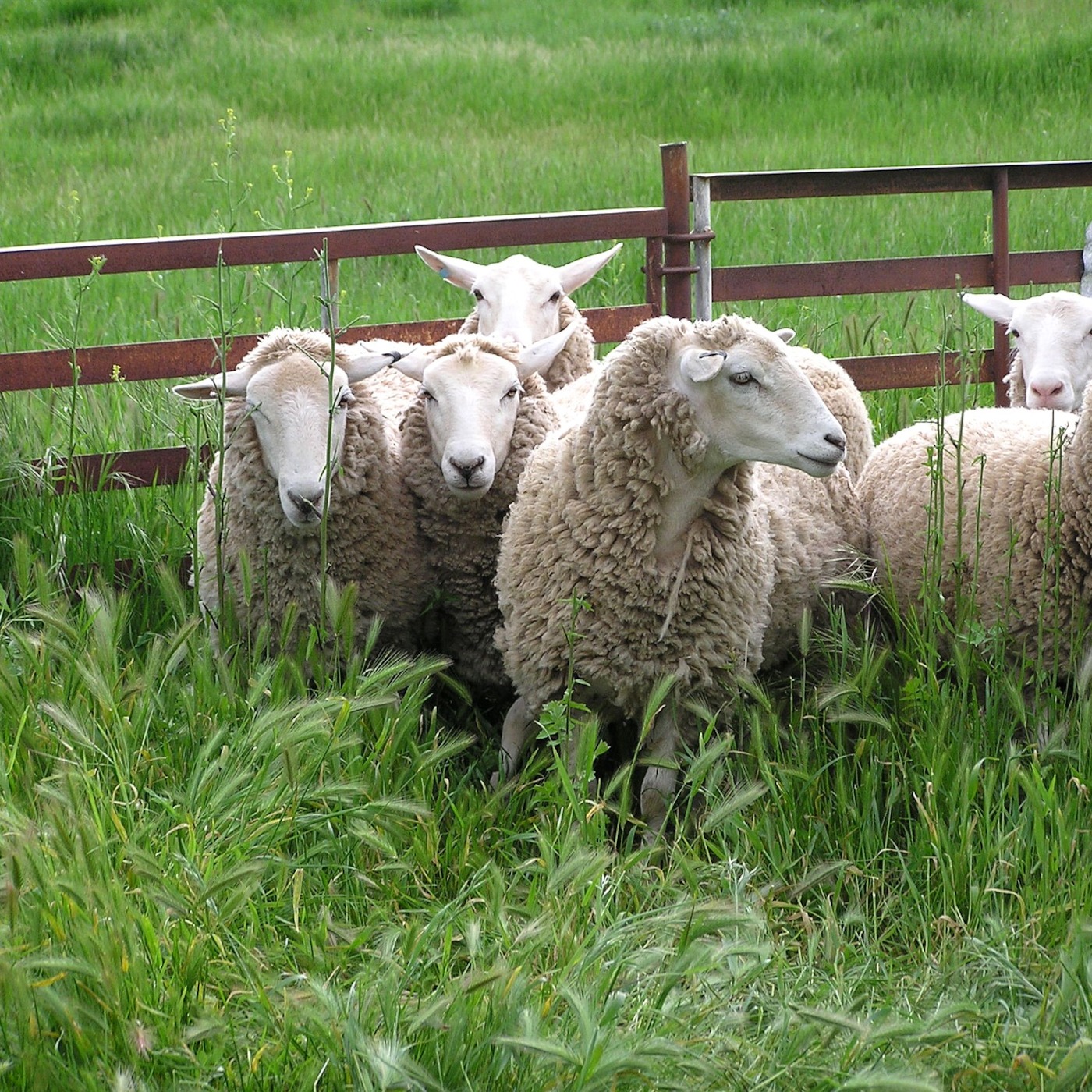
Learning Chinese through Stories1.3.24B 故事解读《亡羊补牢》 亡 wáng, verb, to die 补 bǔ,verb,to repair 牢 láo,noun, pen; fold; prison 圈 juàn, noun, pen;fold 准备 zhǔnbèi,verb, to prepare 放羊 fàngyáng,verb phrase, to herd sheep 发现 fāxiàn, verb, to find out 破 pò, verb, to break; adj, broken 窟窿 kūlong, noun, hole 夜间 yèjiān,noun, night 钻 zuān,verb, to go in through a small entrance 叼 diāo,verb, to hold in the mouth 邻居 línjū,noun, neighbor 劝告 quàngào, verb, to urge;noun, advice 修 xiū , verb, to repair 堵 dǔ,verb, to block 丢 diū,verb, to lose; adj, lost 接受 jiēshòu,verb, to accept 后悔 hòuhuǐ,adj, regretful 当初 dāngchū, time noun, back then 于是 yú...
2017-07-0617 min
Learning Chinese through Stories3.3.1A《乡村孩子与奥运会》 This is a commentary article that targets on advanced-high learners. While China gets on the top-3 gold medal list of the Olympic Games, many kids from countryside barely get any physical education in school. Check out this article by Mr. Changjun Wang from a famous Chinese periodical "Sanlian Shenghuo Zhoukan". 乡村孩⼦与奥运会 马长军 奥运会开幕后,我在微信群里做了⼀个小调查,问家长们,孩⼦喜欢看哪项比赛,⼤多数家长都说孩⼦根本就不看体育节目,只有四五个家长提到孩⼦看了奥运会节目,但兴致不是很⾼,"看不懂"。有些家长还提到自⼰也不看体育节目。 要说这样的结果我不该感到意外。多年来⼀直教小学语⽂课,我曾经让学⽣写过"我最喜欢的体育活动"之类的作⽂,可孩⼦们写得真是"惨不忍睹",不少学⽣从头到尾都没说清自⼰"最喜欢"的体育项目的具体名称,竟然就以"体育活动"之类词语表示,有的学⽣显然是⽆从下笔,想起什么写什么,写"赛跑"的最多,就是因为他们的体育课除了"赛跑"也就没别的了,更有说喜欢体育课是因为最自由,可以随便玩⼀节课的。有个别学⽣虽然也写了具体的体育项目,但不懂得相关项目活动规则,天马⾏空,简直要写成"少林⾜球"。 别说奥运会,体育其实离这些乡村孩⼦也很遥远。我去过⼀些乡村学校,也经常跟乡村同⾏聊天,了解到的情况实在令⼈失望。各班的课程表上每周顶多只有两三节体育课,有些学校的⾼年级每周有⼀节体育课就不错了,临到考试前,体育课全都变成练习课、作业课、模拟考试课。平时可怜的⼏节体育课如果没有被哪个老师随便"借用",也常常因为没有专业的体育老师⽽"放⽺"。有的学校有个操场却没有什么体育设施也没有活动器材,就是⼀块平地⽽已,有的学校倒是有篮球架,但是很"幸运",它从来没被篮球砸过。近些年财政拨款给很多乡村小学发放了⼀些体育器材,比如有乒乓球台,有的进了学校就直接被塞到器材室再也不见天日了。⾄于单杠、双杠、鞍马什么的,⼤概有的孩⼦听都没听说过呢。 体育、奥运会、⾜球等等这⼀切,对乡村孩⼦⽽⾔陌⽣到可能就不知道它们的存在。即使有老师能给孩⼦们上⼏节体育课,要么缺乏专业知识,要么对体育的认识模糊,基本不会讲多少体育常识和规则。现在很多乡村孩⼦以及他们的家长提到体育,就想到"玩",随便玩就是体育课。学校没组织过运动会,很多乡镇也从来没组织过运动会,校际体育竞赛之类,想都没⼈想过。其实县城里运动会也是稀罕物,体育馆建成七⼋年了,好像只在里面举办过⼀次体育比赛,20 多万⼈的城市如此冷清! 在乡村,因体育活动的缺乏也就⽆从培养体育精神、奥运精神,那些⾦牌、体育明星对乡村孩⼦⼏乎不会产⽣什么影响,⾦牌拿得再多,比赛⽆论如何精彩,看得眼花缭乱,都⽆法引起众多乡村孩⼦的共鸣。有时我忍不住感慨,⼴⼤乡村地区包括在"体育⼤国"之内吗? 前些天看到⼀则报道,说乡村小胖墩越来越多,这固然与饮食有很⼤关系,乡村孩⼦的健康令⼈担忧。如果乡村学校以及⼴⼤乡村地区的体育活动能比较好地展开,小胖墩问题也许不会爆炸性地出现。 ——摘自 《三联⽣活周刊》
2016-09-2907 min
Learning Chinese through Stories2.2.12B 故事解读《黄山奇石》 闻名中外 wénmíng zhōngwài Adj, world-famous; well-known to both locals and foreigners 风景区 fēngjǐng qū Noun, scenic area Or 景区 安徽 Ānhuī Anhui province, capital city is Hefei 景色 jǐngsè Noun, scene; view; landscape Or 风景 秀丽 xiùlì Adj, beautiful(only used to describe mountain, forest and natural scenes that have trees) 风景秀丽,景色秀丽 神奇 shénqí Adj, magical 尤其是 yóuqí shì Conjunction word, especially… 有趣 yǒuqù Adj, interesting Or 有意思,好玩 落 luò Verb, to land (on…) 落在… 飞机落在国际机场。The plane landed on the international airport. 山顶 shāndǐng Noun, top of the mountain 山脚,the foot of the mountain 石盘 shí pán Noun, a flat piece of stone that looks like a plate 陡峭 dǒuqiào Adj, steep 一动不动 yí dòngbùdòng Adj, still; like a statue. Verb, to be still. 蹲 dūn Verb, to squat 山头 shā...
2016-09-2125 min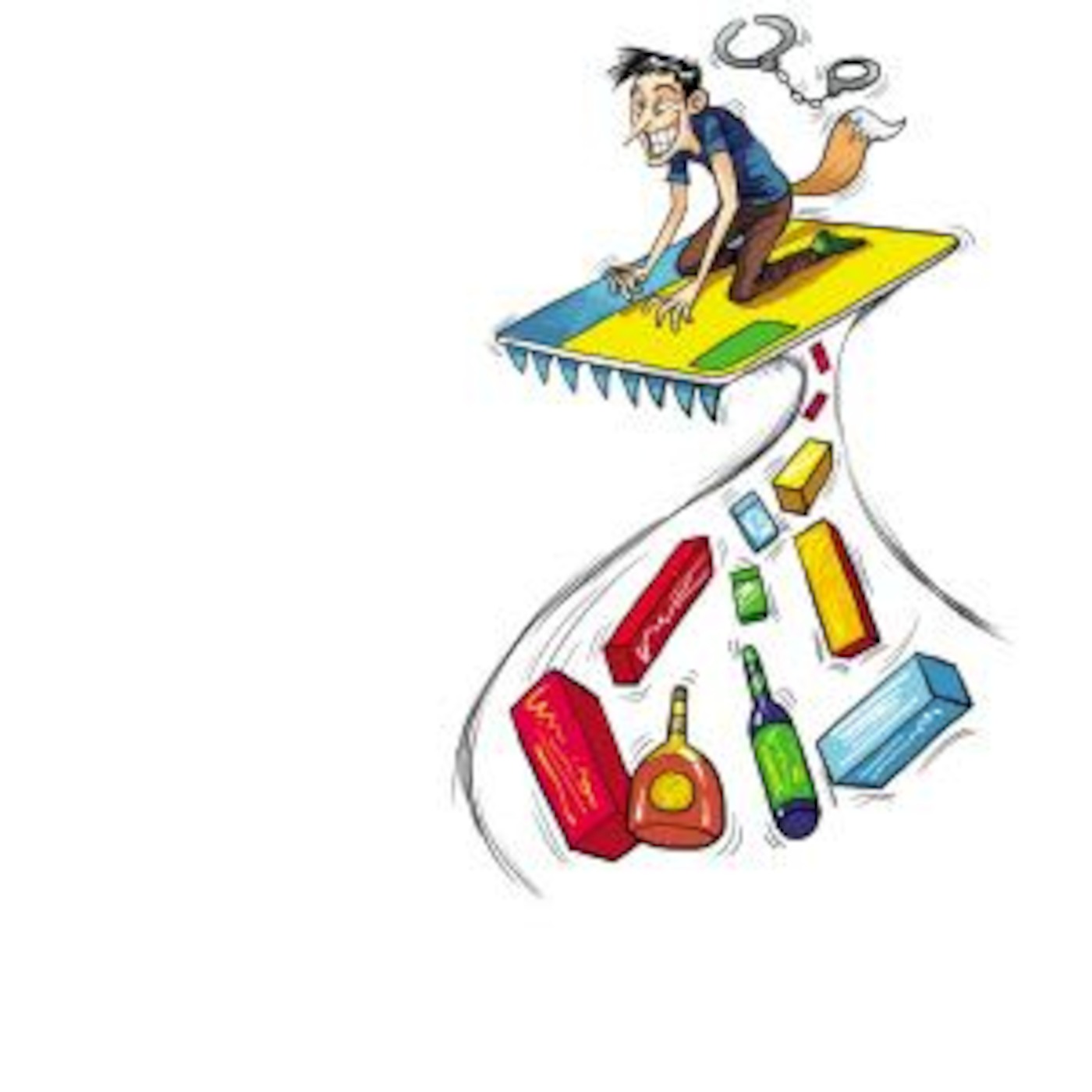
Learning Chinese through Stories2.2.11B 新闻故事解读《男子持假信用卡买高档烟酒》 男子 nánzǐ Noun, male; guy; man Anonym 女子 天 tiān Noun, day 内 nèi Prep, within (a period of time); inside (a space) 一天内,within one day 学校内,inside school 持 chí Verb, to take; to hold 假 jiǎ Adj, fake 信用卡 xìnyòngkǎ Noun, credit card 刷 shuā Verb, to swipe 刷卡,to swipe a card 点 diǎn Noun, dot 13.4 十三点四 万 wàn Noun, 10 thousand 高档 gāodàng Adj, high-end; fancy 烟 yān Noun, cigarette 酒 jiǔ Noun, wine; alcohol 面 miàn Noun, the top(of a flat object, such as table, credit card, stage) 卡面,桌面,台面 信息 xìnxī Noun, information 却 què Adv, means "but; however", is always put after the subject of the sentence. Chocolate is yummy, but I do not like it. 巧克力很好吃,但是我不喜欢。 巧克力很好吃,我却不喜欢。 显示 xiǎ...
2016-09-1628 min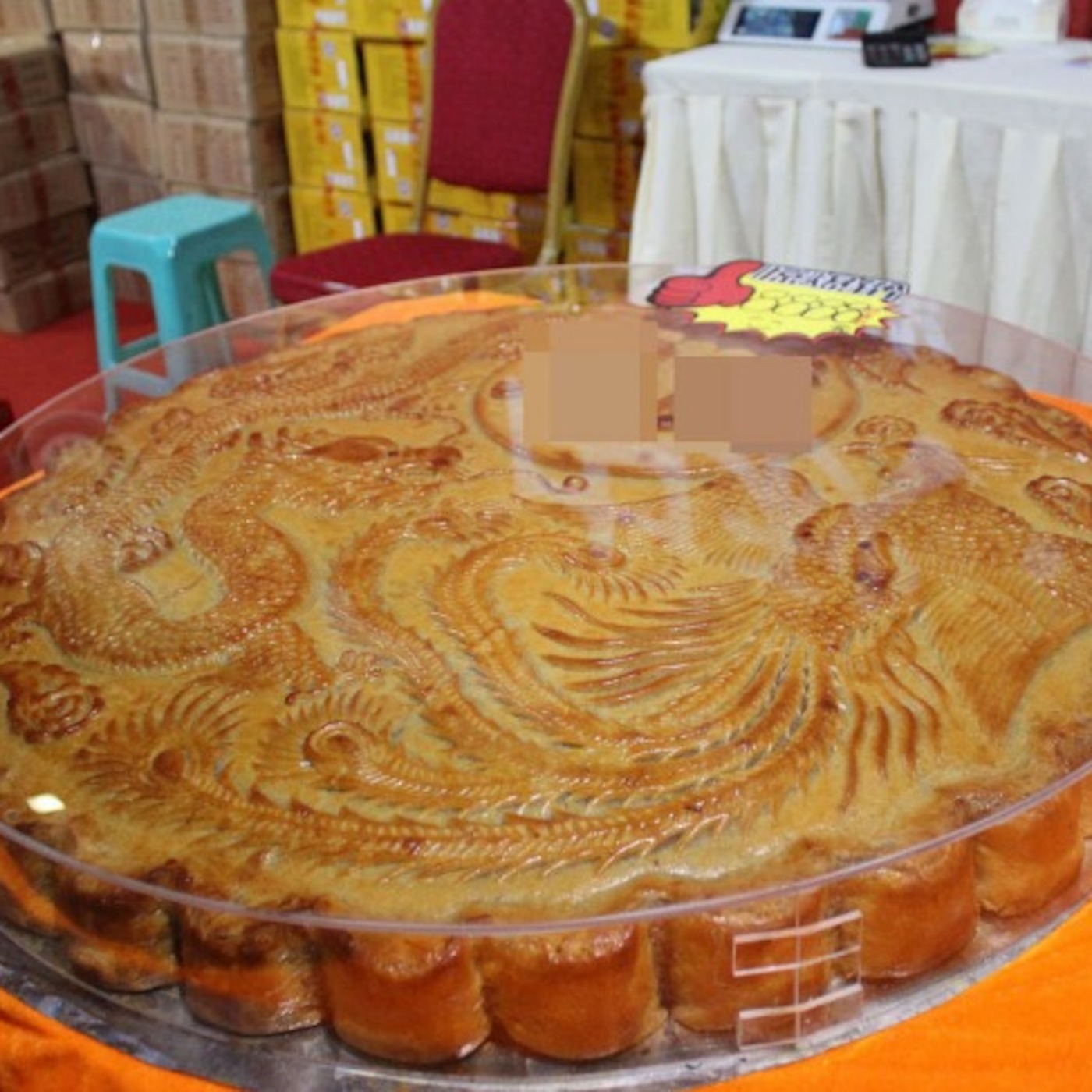
Learning Chinese through Stories2.2.10B 新闻故事解读《重庆"月饼王"》 装 zhuāng Verb, to stuff; to fill 满 mǎn Adj, full 海鲜 hǎixiān Noun, seafood 馅 xiàn Noun, filling(s) In northern China, people say 馅儿 重庆 Chóngqìng City name, Chongqing 直径 zhíjìng Noun, diameter 米 mǐ Noun, meter 月饼 yuèbǐng Noun, mooncake, traditional Chinese food for the Mid-Autumn's Day 王 wáng Noun, king 标价 biāojià Verb, the price is marked at… 千 qiān Noun, thousand 百 bǎi Noun, hundred 元 yuán Noun, yuan;RMB 陈家坪 Chénjiāpíng An area in Chongqing city 届 jiè Noun, measure word for festival, conference, competition and etc. 第26届奥运会, the 26th Olympic Games 节 jié Noun, festival 春节, spring festival 展览 zhǎnlǎn Noun, exhibition 中心 zhōngxīn...
2016-09-0723 min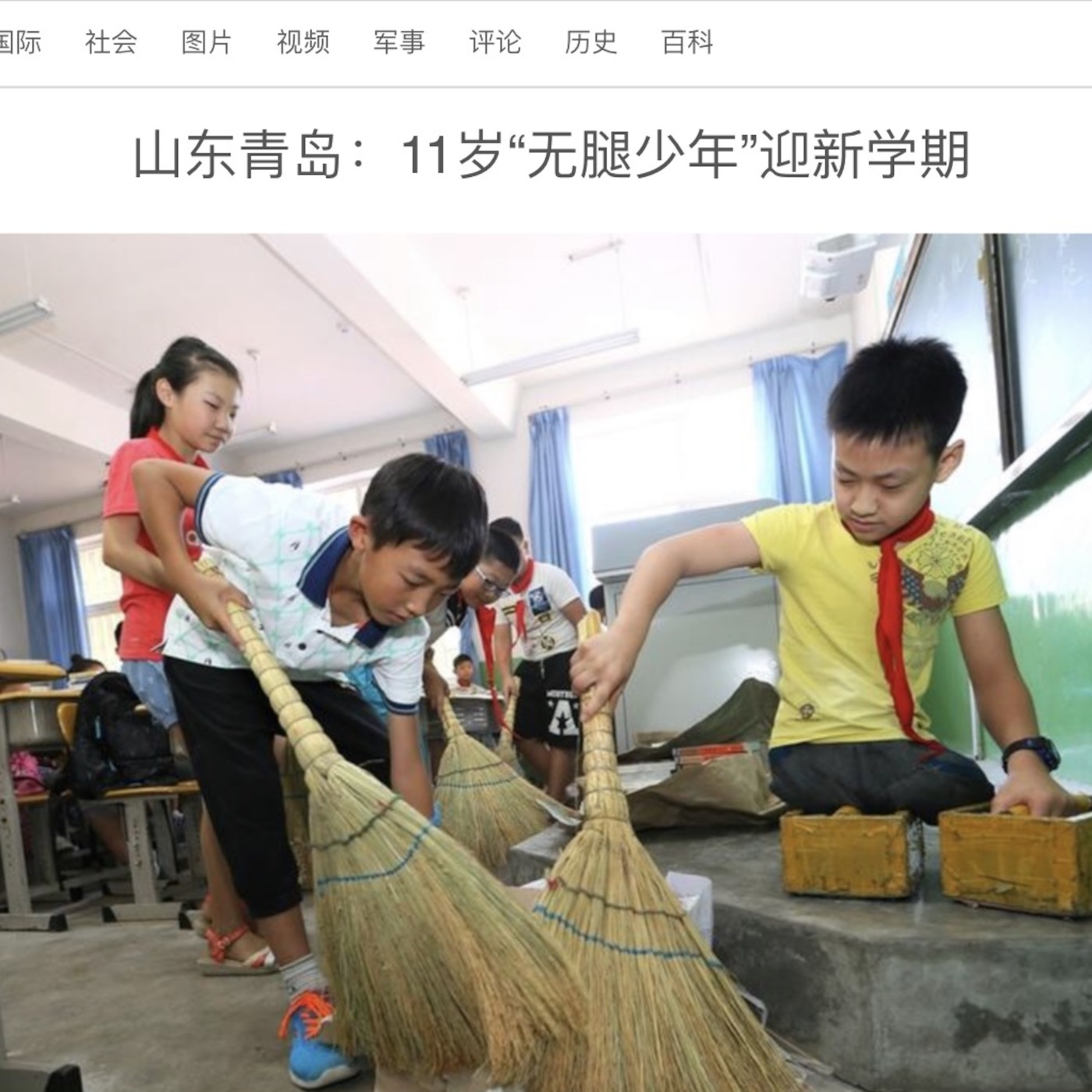
Learning Chinese through Stories3.1.1B《山东青岛:11岁"无腿少年"迎新学期》故事解读 山东 Shāndōng Place name, Shandong Province 青岛 Qīngdǎo Place name, Qingdao city 无 wú Verb, not to have, eaquals to 没有 无糖 táng, sugar-free 腿 tuǐ Noun, leg 少年 shàonián Noun, a 10 to 16-year-old 迎 yíng Verb, to welcome Same with 迎接 jiē 新 xīn Adj, new 学期 xuéqī Noun, semester 经过 Jīngguò Prep, after (a period of time) 经过一天的努力 经过一个暑假的生活 近 jìn Verb, " 近 +a period of time" means "almost + a period of time" 近两年, almost two years 近一天,almost a day 暑假 shǔjià Noun, summer break 寒假,winter break 假期,vocation 久违 jiǔwéi Verb, long time no see. It can also be used as an adj "久违了!"is the same with "好久不见!" 久违的朋友, friends who I haven't seen for a while 伙伴 huǒbàn Noun, friends, peers, mates 玩伴,plamate 升...
2016-08-3035 min
Learning Chinese through Stories3.3.2B(3)《他的深圳故事》故事解读(三) 谈 tán Verb, to talk about, to discuss 谈论,to talk about 谈到,to talk about the topic of… 未来 wèilái Noun, future 肯定 kěndìng Adv, definitely Synonym,一定 珠三角 zhū sānjiǎo Noun, a triangle area on the Zhu River in Guangdong 珠江, the Zhu River 转型 zhuǎnxíng Verb, to transform; noun, transformation 升级 shēngjí Verb, to upgrade 号角 hàojiǎo Noun, horn 吹响号角 号角响起 响起 xiǎngqǐ Verb, (sound) is on 音乐响起, the music is on 号角响起, the horn is blown 车间 chējiān Noun, production department 转移 zhuǎnyí Verb, to move, to transfer 从北京转移到上海 惠州 huìzhōu Noun, city name in Guangdong 搬 bān (zǒu) Verb, to move (to some place) 搬走,to move away 搬到……, to move to… 不甘心 gānxīn Verb phrase, cannot forget about it; cannot let it go; can...
2016-08-1631 min