Shows

We Should Move Here TravelsExploring Rotorua, NZ: A Place to Visit, Not to Stay?Send us a textExploring Rotorua, New Zealand: Zorbing, Geothermal Spas, and Culinary Delights | WSMH Travels PodcastIn this episode of the We Should Move Here Travels podcast, hosts Brittany and Josh dive into their adventures in Rotorua, New Zealand. They discuss a variety of activities, including zorbing, geothermal spas at Hell's Gate, and zip lining with Rotorua Canopy Tours. The duo also shares their experiences trying local cuisine at various eateries like Eat Street, Okere Falls Store, and Pataka Kai. They provide tips on making the most out of visiting this...
2026-02-0243 min
MI BGC Stone podcastAndrea Flores NBC25 ~ WSMH-FOX66 InterviewWe got to interview Andrea Flores a news anchor for NBC25 / WSMH-FOX66. Learn about what it takes to be a news anchor and other fun stuff.
2024-10-1322 min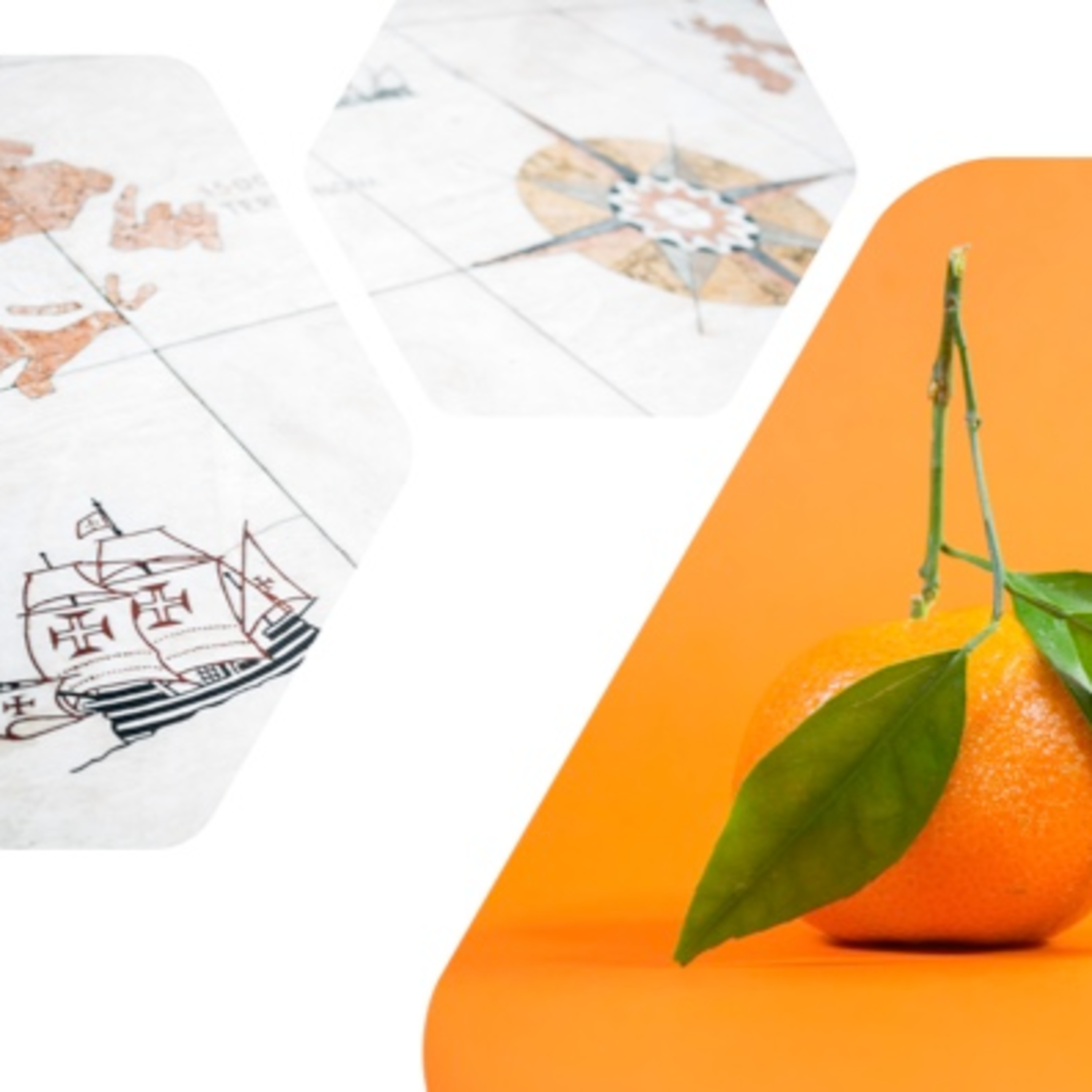
When Science Makes HistoryThe Most Important C of the SeasDuring the Age of Sail, nearly 2 million sailors died due to a Vitamin C deficiency. Scurvy took down more sailors than shipwrecks, storms, and skirmishes combined. What is scurvy and how do parsley, camu camu, kiwifruit, and paprika prevent this disease? Does taking Vitamin C actually aid your immune system? Find out the answer to these questions and more on this episode of When Science Makes History.
2023-12-1222 min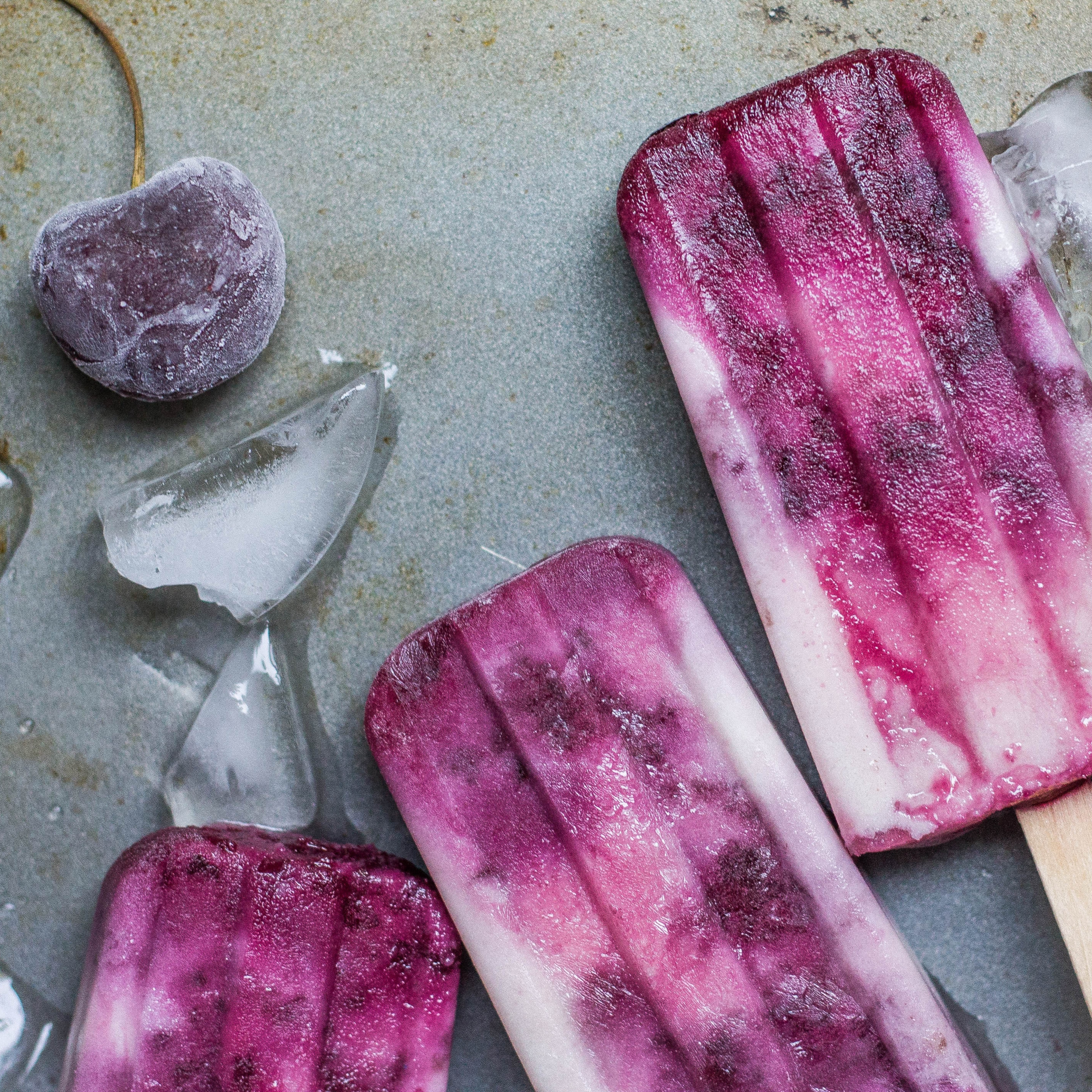
When Science Makes HistoryA Little "Taste" of ChemistryWhat does blue raspberry flavoring have in common with synthetic meat and for that matter - what is synthetic meat? How are artificial urine, vanilla extract, and essential oils related? Find out the answers to these questions and more on this episode.
Photo by Alison Marras on Unsplash
2023-11-0119 min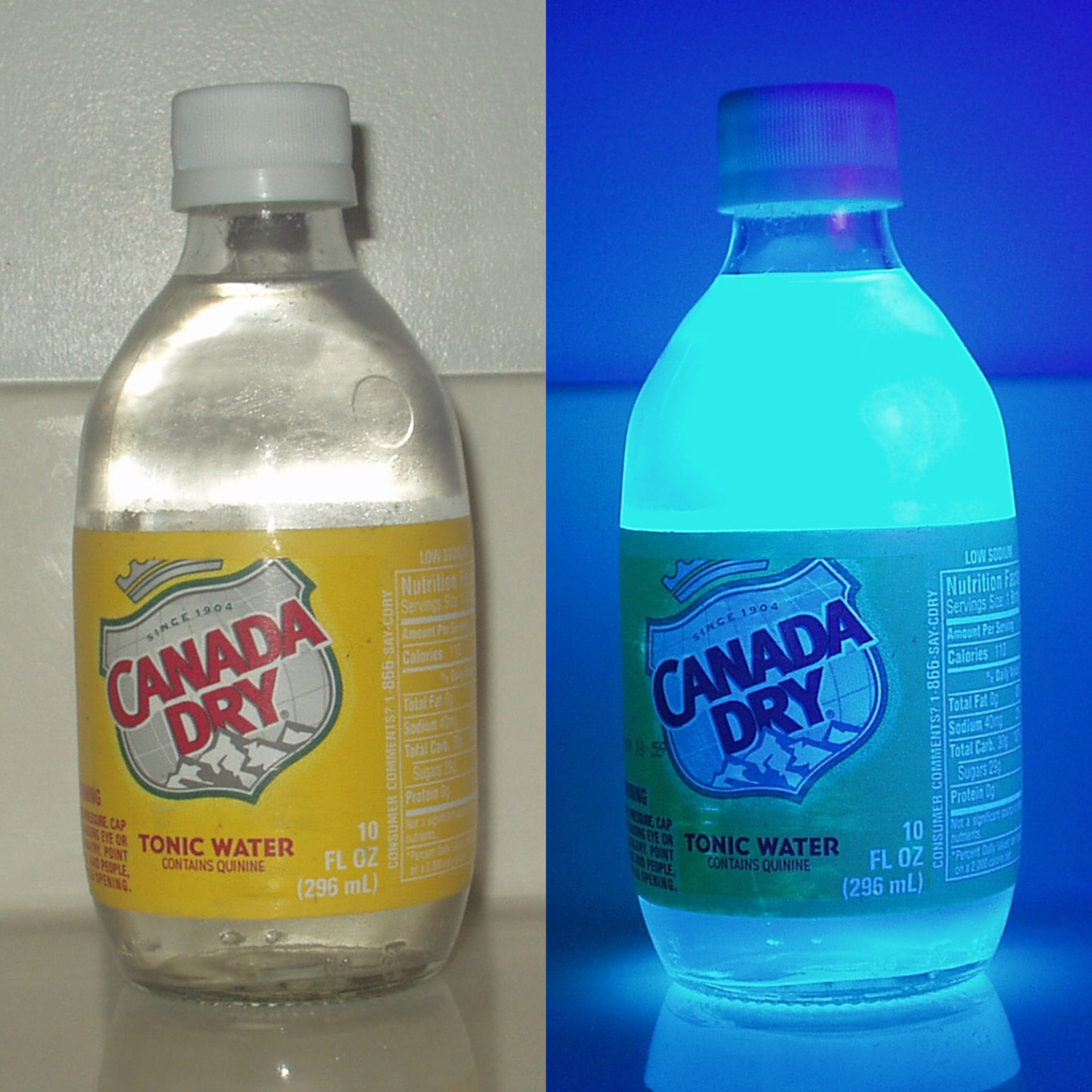
When Science Makes HistoryPriestly Prophylaxis against PlasmodiumWhat do Protestants, Catholics, Priests, and Peruvians have in common? What does tree bark have to do with malaria and why did synthesizing an antimalarial take almost two hundred years? What is a prophylaxis and what is Plasmodium? Learn the answers to these questions and a whole lot more on this episode of When Science Makes History.
2023-09-2823 min
When Science Makes HistoryFrom Mold Juice to MRSAThere is a reason most of us do not fear dying from a paper cut, strep throat, or tuberculosis. The answer is antibiotics. These did not always exist and we are past the dark ages of bacterial sepsis and maybe heading back into those days. In this episode, learn what molds, MRSA, peptidoglycan, and penicillin all have in common. More appropriately, learn "who" is the connection point between all of these in this episode of When Science Makes History.
Photo Credit: Center for Disease Control (CDC).
2023-07-0329 min
When Science Makes HistoryPlastic: Reuse, Reduce, and if possible, recycleWhat do potatoes, elephants, billiard balls, hemp, and the oceans have in common? Well... believe it or not - plastics! This episode is slightly different from our normal episodes and is aimed at heightening our awareness of the lifespan of plastic. This episode covers the development of plastics and how we can creatively reduce, reuse, and if possible recycle items we come in contact with each day.
2023-06-1326 min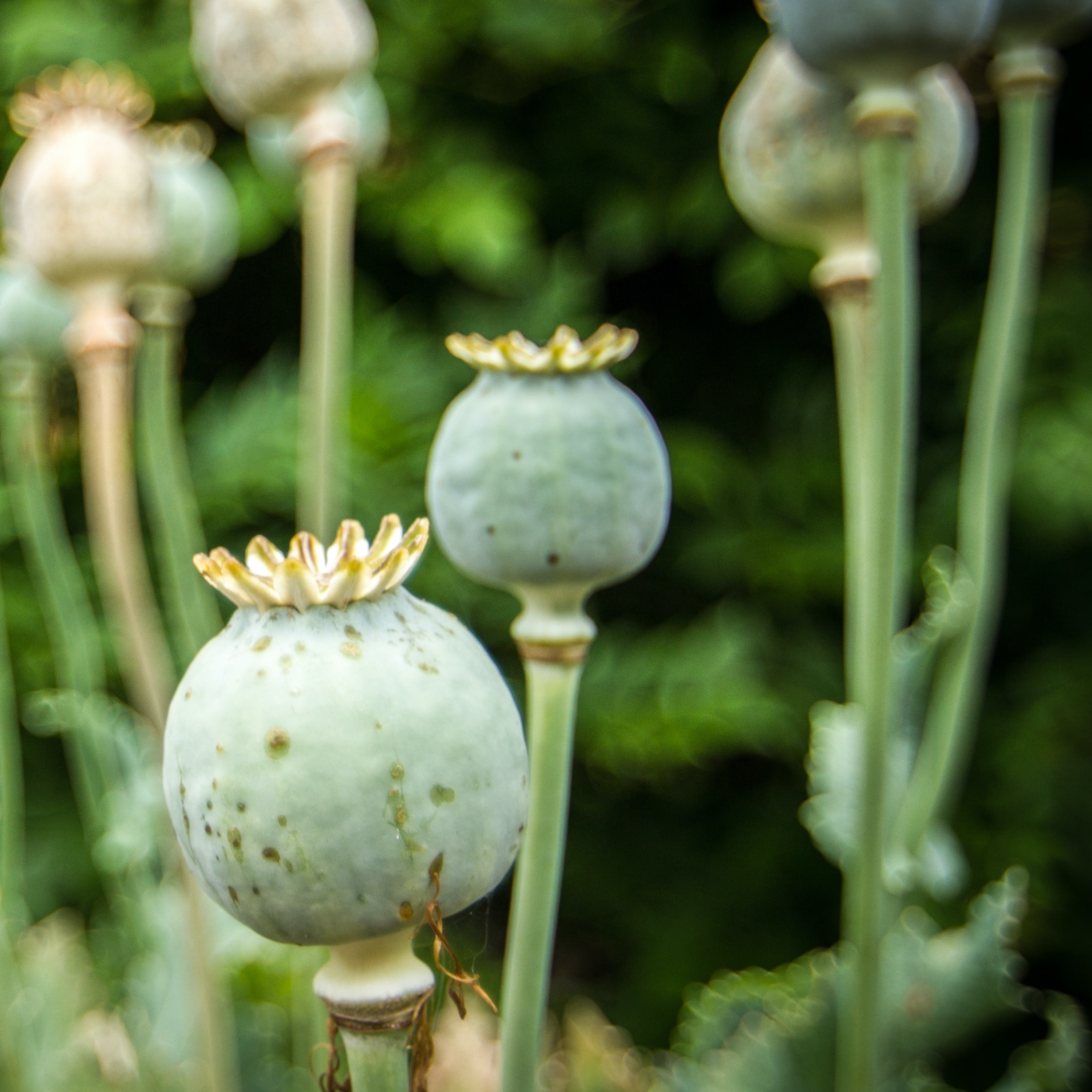
When Science Makes HistoryInto The Arms of Morpheus"In Flanders fields the poppies blow, between the crosses, row on row... " remains a familiar poem covering battle, death, and the plant known as Papaver somniferum. So, what do the poppy flower, opium, twilight sleep, and women voting have in common? Apparently, quite a bit. Listen in on this episode entitled, "Into the Arms of Morpheus" on When Science Makes History to acquire the answers to these questions and a whole lot more.
Photo by Tim Cooper on Unsplash
2023-05-1618 min
Everything Bagel22 - 2 Biscoff 2 FuriousEthan and Mitchell open up a FAN GIFT (!!) and listen to a very real voice message*. Listen as they talk about stuff and things, and whatnot. Also, Mitchell's sister makes a guest appearance and shares a juicy secret**.
*sorta
**this doesn't happen actually
Find us on Instagram: @everythingbagelpodcast / @mtchllbwsr / @ethanflint
Email us stuff: everythingbagelpodcast@gmail.com
Buy a sticker (it's vintage): https://everythingbagelpod.wixsite.com/everythingbagelpod/shop
Hit up our website: https://everythingbagelpod.wixsite.com/everythingbagelpod
Check out Ethan's dad...
2023-04-121h 16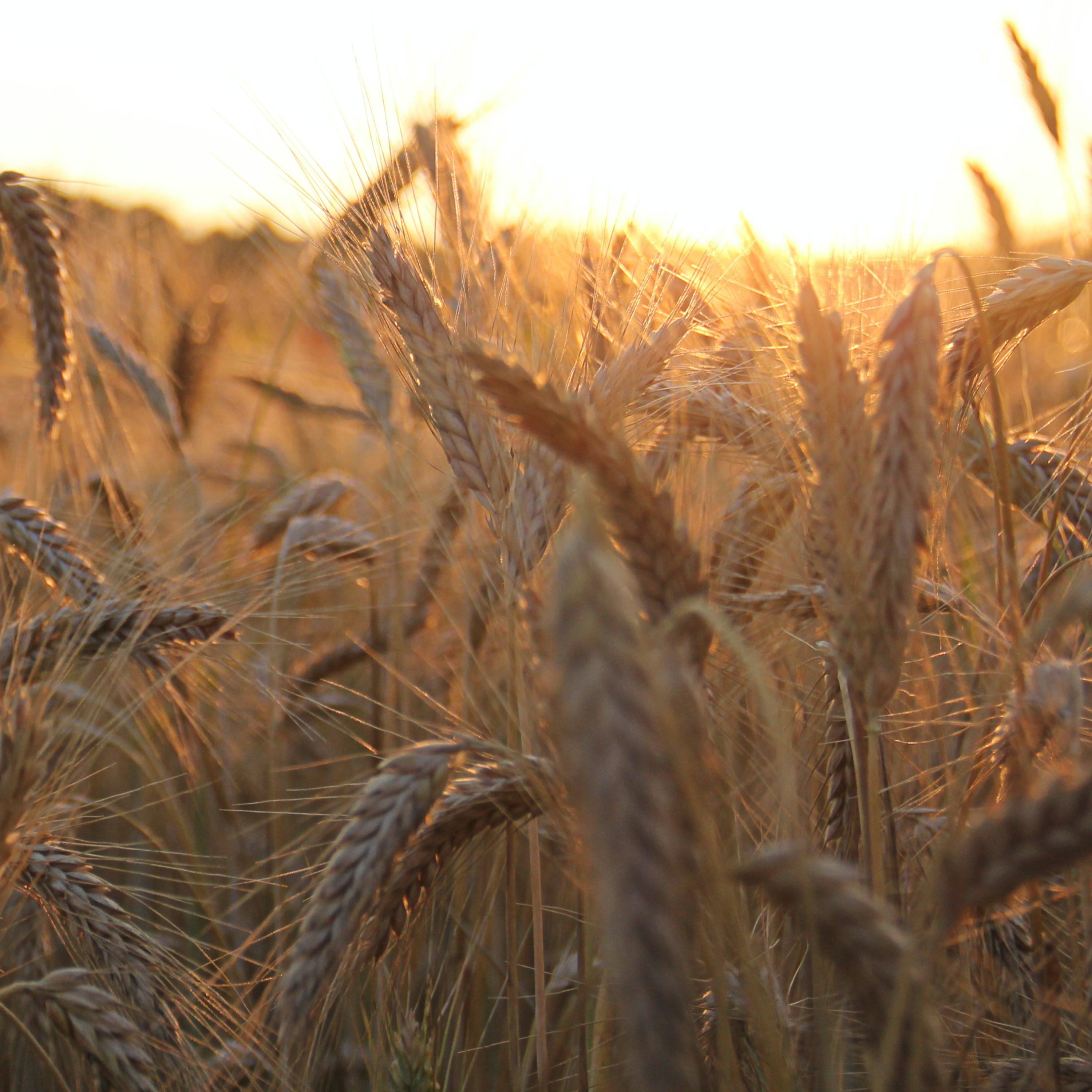
When Science Makes HistoryBread from AirWhat does the air we breathe have to do with fertilizer? What connection exists between Nazi Germany, gas warfare, and ammonia? Who was Fritz Haber and what was his scientific role in history? Find out the answer to these questions and more on this episode of When Science Makes History.
Photo by Bas van den Eijkhof on Unsplash
2023-03-2221 min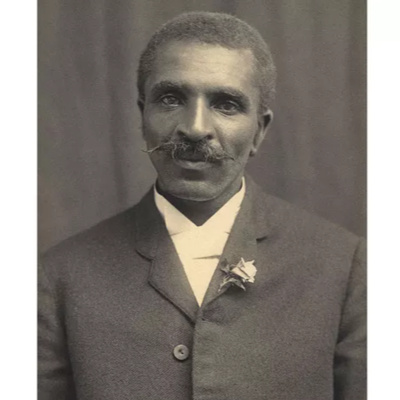
When Science Makes HistoryThe Boy Who was Traded for a HorseWhat do boll weevils, peanuts, cotton, and tomatoes have in common? What connection is there between Iowa State University and Tuskegee University, and more importantly - who is that connection? Iowa corn fields to Alabama's cotton and peanut fields all have a common connection in George W. Carver. Listen to this episode to learn more about the fascinating genius of the boy called the Carver's George.
2023-02-1819 min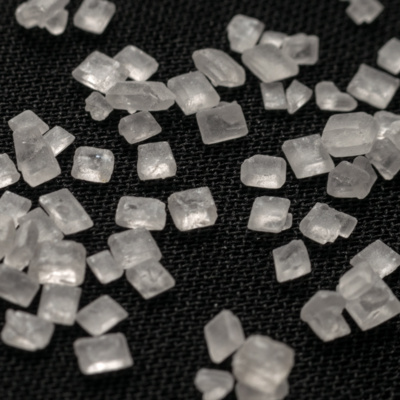
When Science Makes HistorySweet Beets - that Can't be Beat.What do rum and beets have in common, or just as equally, what do artificial sweeteners and lead paint have in common? How did the phrase "Yo, Ho, Ho, and a Bottle of Rum" get attached to pirates? How did sugar drive the slave trade and who gave the Caribbean the first sugar plants to start growing? Have you heard about the Boston Molassacre? All these questions and more can be answered on this episode of When Science Makes History.
Photo by Sonika Agarwal on Unsplash
2023-01-2118 min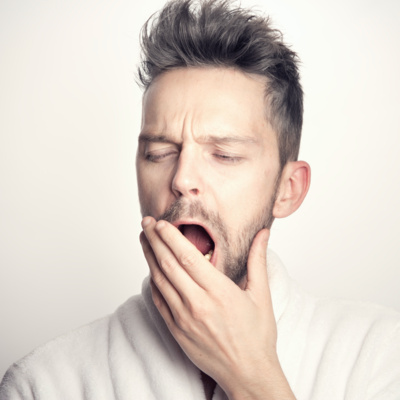
When Science Makes HistoryCaffeine: 1,3,7-trimethylxanthineWhat is caffeine? Does caffeine keep us awake? Can you get addicted to caffeine? What exactly does caffeine do in our bodies? Coffee, tea, soda, energy drinks? What is your preference? Find out the answers to these questions and more on this episode of When Science Makes History.
Photo by Sander Sammy on Unsplash
2022-12-2717 min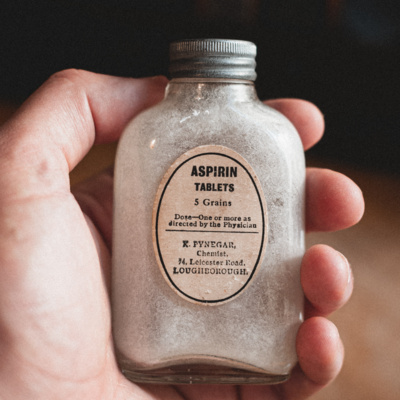
When Science Makes HistoryTake Two and Call Me in the Morning.So, what does the bark of the willow tree have to do with Hippocrates and World War II? What do wart remover and vinegar have in common? Or, what does a ubiquitous little white tablet produced by a pharmaceutical giant called Bayer and Heroin have to do with each other? Give this episode a listen to find the answer to these questions and more on When Science Makes History.
Photo Credits: Dan Smedley on Unsplash.
2022-12-0717 min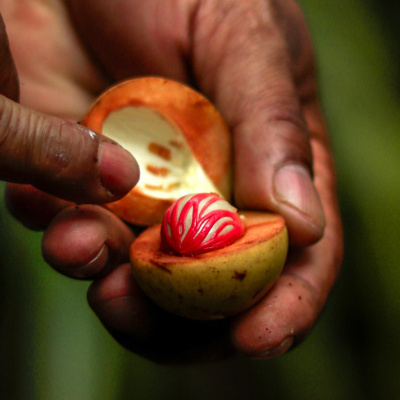
When Science Makes HistorySugar and Spice, but the Dutch didn't play nice.What do nutmeg and the island of Manhattan have in common, or how did the Hudson river acquire its name? How did nutmeg essentially frame the geographical map we recognize today? Listen to this episode to discover how the quest for spices fueled the Age of Discovery and how aromatic hydrocarbons helped science make history.
Photo by Ian Yeo on Unsplash
2022-11-0517 min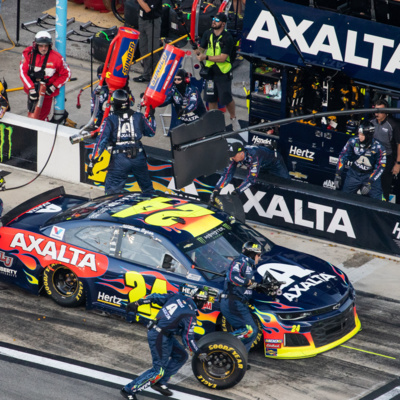
When Science Makes HistoryRunning on Fumes: Part 2 of 2In this episode, we pick up where we left off in our previous episode on ethanol. The ubiquitous liquid that has shaped so much of history from its humble discovery to the driving force behind today's multimillion-dollar stock car racing industry. So, what do Henry Ford and Hitler share in common? What is a whiskey-tripper and a revenuer, and what do brandy, booze, and bootleggers have in common? Find out the answers to these and more in this episode of When Science Makes History.
Photo credit: Andrew Roberts
2022-10-0820 min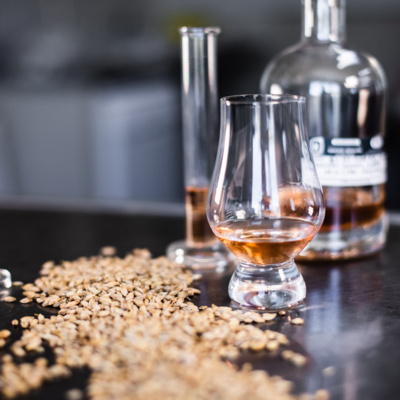
When Science Makes HistoryRunning on Fumes: Part 1 of 2What do Babylonians, breakfast cereal, and booze have to do with NASCAR? What makes a substance an alcohol? What is an alcohol and how many are there? Find the answer to some of these questions and more in this episode. This episode is part one of two parts on ethanol - the ubiquitous liquid produced in the billions of gallons for everything from human consumption, hand sanitizer, cleaning solvents, and racing fuels.
Photo by Charl Folscher on Unsplash
2022-09-1118 min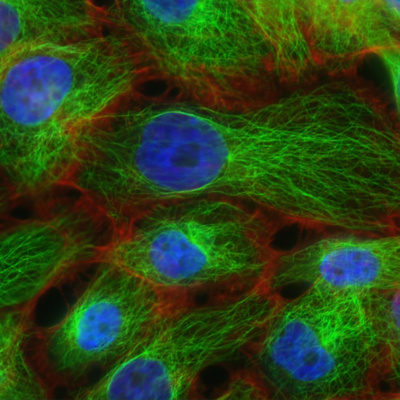
When Science Makes HistoryImmortal CellsMost of us today do not fear polio due to a vaccine developed by Jonas Salk, yet truth be told, the vaccine was produced in large part due to a poor black woman who lived along the Mason Dixon line and died of cancer in 1951. So, what do Johns Hopkins University, Clover Virginia, a tobacco farmer's daughter, and polio have to do with each other? Find out the answers to these questions and more in this episode entitled, Immortal Cells, on When Science Makes History.
Photo Credit: National Cancer Institute via Uplash
2022-08-0823 min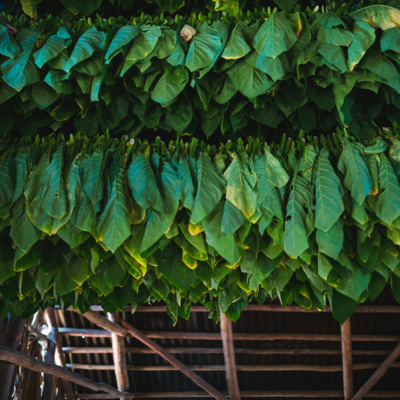
When Science Makes HistoryThe Most Admired VegetableIn 1492 Columbus sailed the ocean blue, but it wasn't just a little gold he brought back to the European continent. He introduced Europe to history's most admired vegetable. This vegetable, in the same family as tomatoes and potatoes, carries an addictive plant alkaloid named after Jean Nicot de Villemain and was widely touted for its health benefits. Listen to this episode on the most admired vegetable that brings together Columbus, Cuba, Connecticut, and the cultivars Virginia, Burley, and Oriental.
Photo by Tim Stief on Unsplash
2022-06-2920 min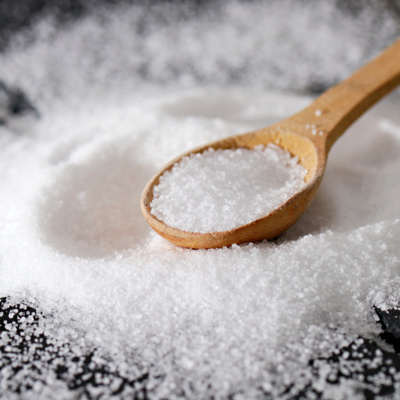
When Science Makes HistoryWorth Ones SaltWhat do salaries, salads, salami, and taxes have to do with each other? Why were Roman soldiers paid in salt? What do Kikkoman soy sauce and Tabasco hot sauce in common? The answer is ... well, salt. Listen to find out how all of these science tidbits played out in history.
2022-05-3020 min
When Science Makes HistoryGunpowder and Guy FawkesJuly 4th in America, New Year's Eve around the world, and November 5th in England are just a few of the times we see countless fireworks detonated in celebratory fashion. These all make use of the wonderous fire drug of Chinese invention known as gunpowder. This amazing compound has shaped history from three simple, humble, and occasionally repulsive components. Listen in to learn how gunpowder, the DuPont family, and Guy Fawkes all helped shape the course of history by the use of a nitrate-based compound.
2022-05-0619 min
When Science Makes HistoryMore than MouthwashWhile his namesake lives on in Listerine mouthwash, Joseph Lister didn't set out in life to provide the world with an antiseptic mouthwash. However, what he did provide is antiseptic all the same and has saved countless lives. How did a Scottish surgeon revolutionize medical practice, save lives, aid in the development of the Band-Aid, and all-in-all give us common sense, life-saving, wound care? Find out in this episode of When Science Makes History.
2022-03-2615 min
When Science Makes HistoryRiver of BodiesTsutomu Yamaguchi experienced firsthand the Hiroshima blast and in an effort to get back to his hometown traveled into the path of the Nagasaki blast. He is one of only a few who experienced and survived both nuclear blasts. How does one survive not just one but two nuclear blasts? What effect did this have on his life and the lives of those around him? Find out in this episode of "When Science Makes History".
https://anchor.fm/wsmh/support
2022-02-1215 min