Shows

justinreeveI Need Thee Every Hour / How Great Thou ArtSheet music available at https://music.justinreeve.com/i-need-thee-every-hour-how-great-thou-art/
2021-01-1605 min
justinreeveMy Heavenly Father Loves Me (Whenever I Hear the Song of a Bird)/Teach Me To Walk In the LightSheet music available at https://music.justinreeve.com/my-heavenly-father-loves-me-teach-me-to-walk-in-the-light/
2021-01-1604 min
justinreeveA Spaceman Came Travelling (Piano)Written by Chris de Burgh in 1975, "A Spaceman Came Travelling" topped the Irish charts a year after it was released. But it wasn't until 1986 with De Burgh's success of "The Lady in Red" that the UK took notice and it reached the top charts there, too.
The idea for the song came to de Burgh when he had just signed his first recording contract, and he read Chariots of the Gods? by Erich von Däniken. The book made him think "what if the star of Bethlehem was a space craft and what if there is a benevolent being or e...
2021-01-1507 min
justinreeveDives and Lazarus / A Poor Wayfaring Man of Grief (Piano)The tune to "Dives and Lazarus" is used in many folk songs throughout western Europe, including "Gilderoy" and "Crooked Jack" in Scotland, "The Star of the Country Down" in Ireland, and "The Unquiet Grave" in England. Ralph Vaughan Williams arranged the tune in his composition Five Variants of Dives and Lazarus for the 1939 World's Fair in New York City. He also arranged it as a Christmas tune and hymn to "O Sing a Song of Bethlehem" and "I Heard the Voice of Jesus Say." Latter-day Saints are familiar with the tune as "If You Could Hie to Kolob."
The story...
2021-01-1507 min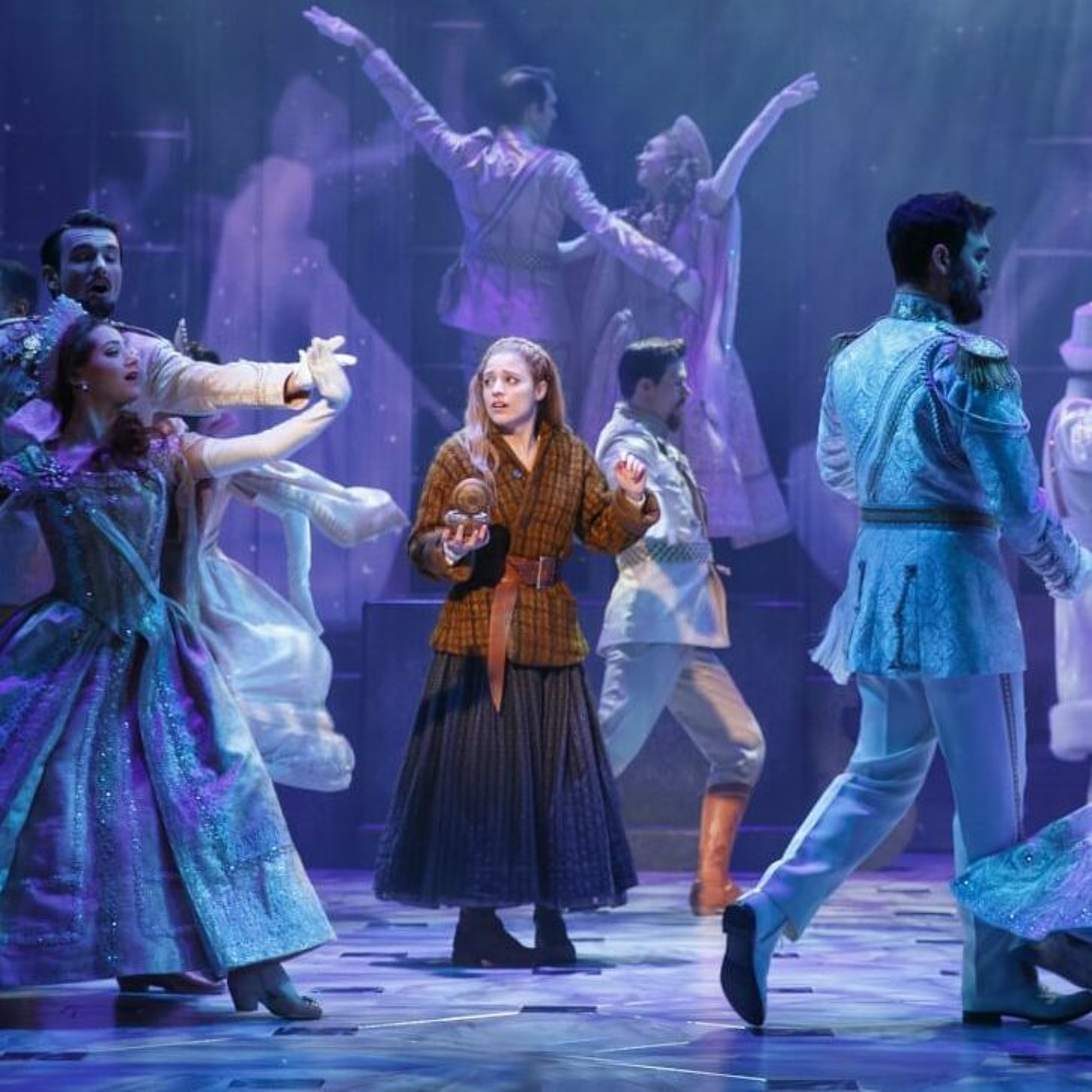
justinreeveOnce Upon a December"Once Upon a December" is a song from the 1997 animated film Anastasia, a story about the Grand Duchess Anastasia Nikolaevna of Russia, daughter of Tsar Nicholas II, and the rumors surrounding her purported escape from Communist revolutionaries in 1918 who executed the rest of the Romanov royal family. Inspired by the 1952 play and 1956 film of the same name, in the tale Anastasia is an 18 year-old amnesiac named Anya who is used by former leaders of the White Army during the Russian Revolution. With her likeness to the Grand Duchess, they attempt to swindle a sizable reward for her safe return to...
2021-01-0608 min
justinreeveThe Holly and the IvyFirst published in 1861 by Joshua Sylvester in A Garland of Christmas Carols, the lyrics to "The Holly and the Ivy" are centuries old. The symbols predate Christianity and were likely altered to represent the symbols of Jesus, Mary, and His blood, crown of thorns, and crucifixion. The adapted meaning of the holly and ivy are a little unclear, but they have symbolic origins in druidic and Roman rituals and mythology, and some have suggested the holly represents the masculine aspect of Jesus, and the ivy the feminine aspect.
Sheet music available at https://music.justinreeve.com/the-holly-and-the-ivy/
2021-01-0501 min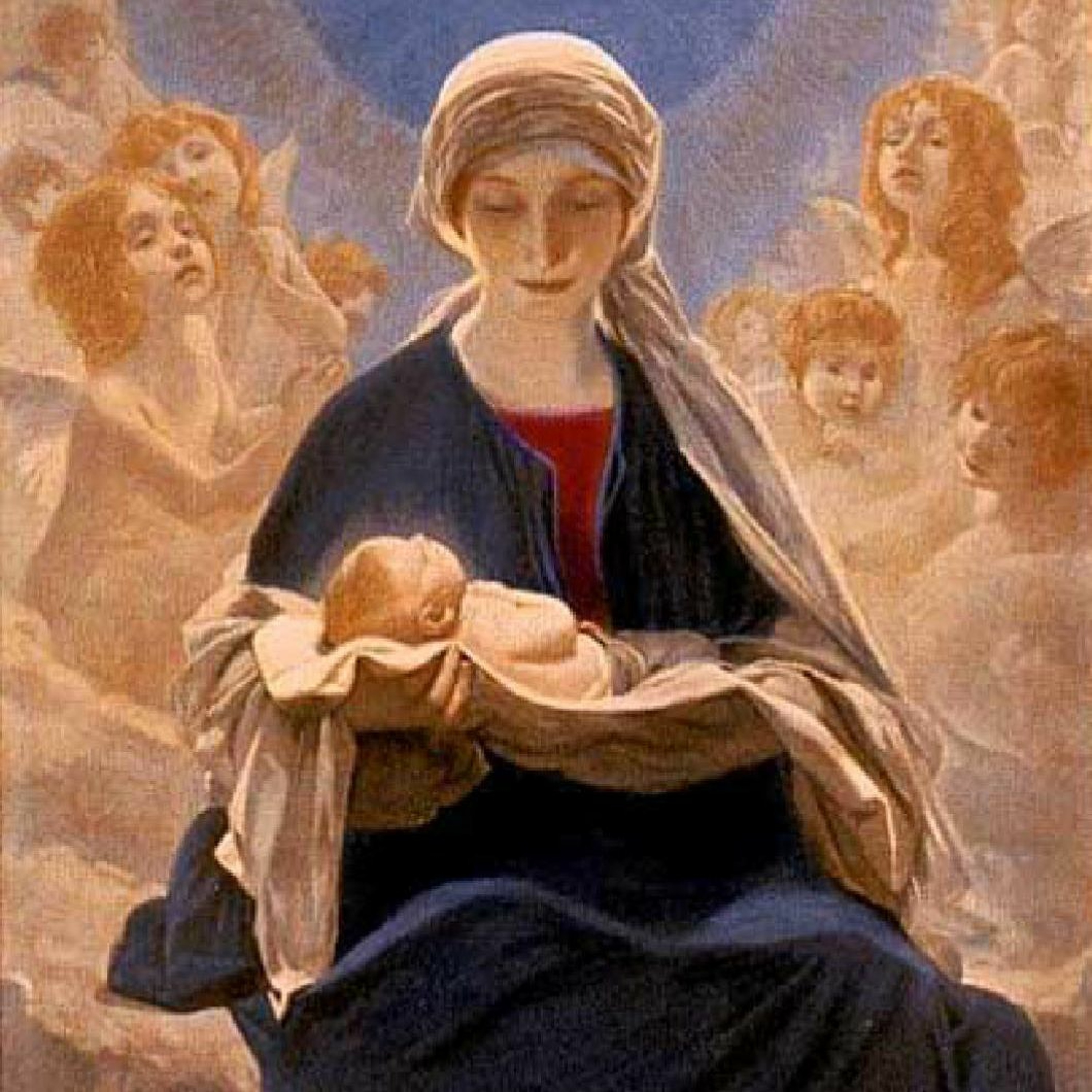
justinreeveInfant Holy, Infant Lowly"Infant Holy, Infant Lowly" originates from the Polish carol "W zlobie lezy" ("He Lies in the Cradle"). In 1908, the carol was published in a book of Polish carols. 13 years later, Edith Margaret Reed wrote English-language lyrics for the song, and came up with the title "Infant Holy, Infant Lowly." The carol reflects on the baby Jesus lying in the manger, the animals watching nearby, and the rejoicing shepherds on the hillside hearing the story from the angels.
Sheet music available at https://music.justinreeve.com/infant-holy-infant-lowly/
2021-01-0504 min
justinreeveGrandma Got Run Over by a Reindeer"Grandma Got Run Over by a Reindeer" was written by Randy Brooks, and originally performed by husband-and-wife duo Elmo and Patsy Trigg Shropshire in 1979. Brooks played the song while he was performing with Elmo and Patsy at the Hyatt Lake Tahoe in December 1978. After the show, Elmo and Patsy requested a cassette of the song, and a year later they were performing the song on stage, with Elmo dressed in drag as "Grandma."
In the lyrical version, Grandma doesn't live, but in the music video Grandma manages to survive the reindeer attack and falls through the chimney. A sequel titled "...
2021-01-0503 minjustinreeveA Spaceman Came TravellingWritten by Chris de Burgh in 1975, "A Spaceman Came Travelling" topped the Irish charts a year after it was released. But it wasn't until 1986 with De Burgh's success of "The Lady in Red" that the UK took notice and it reached the top charts there, too.
The idea for the song came to de Burgh when he had just signed his first recording contract, and he read Chariots of the Gods? by Erich von Däniken. The book made him think "what if the star of Bethlehem was a space craft and what if there is a benevolent being or enti...
2021-01-0507 min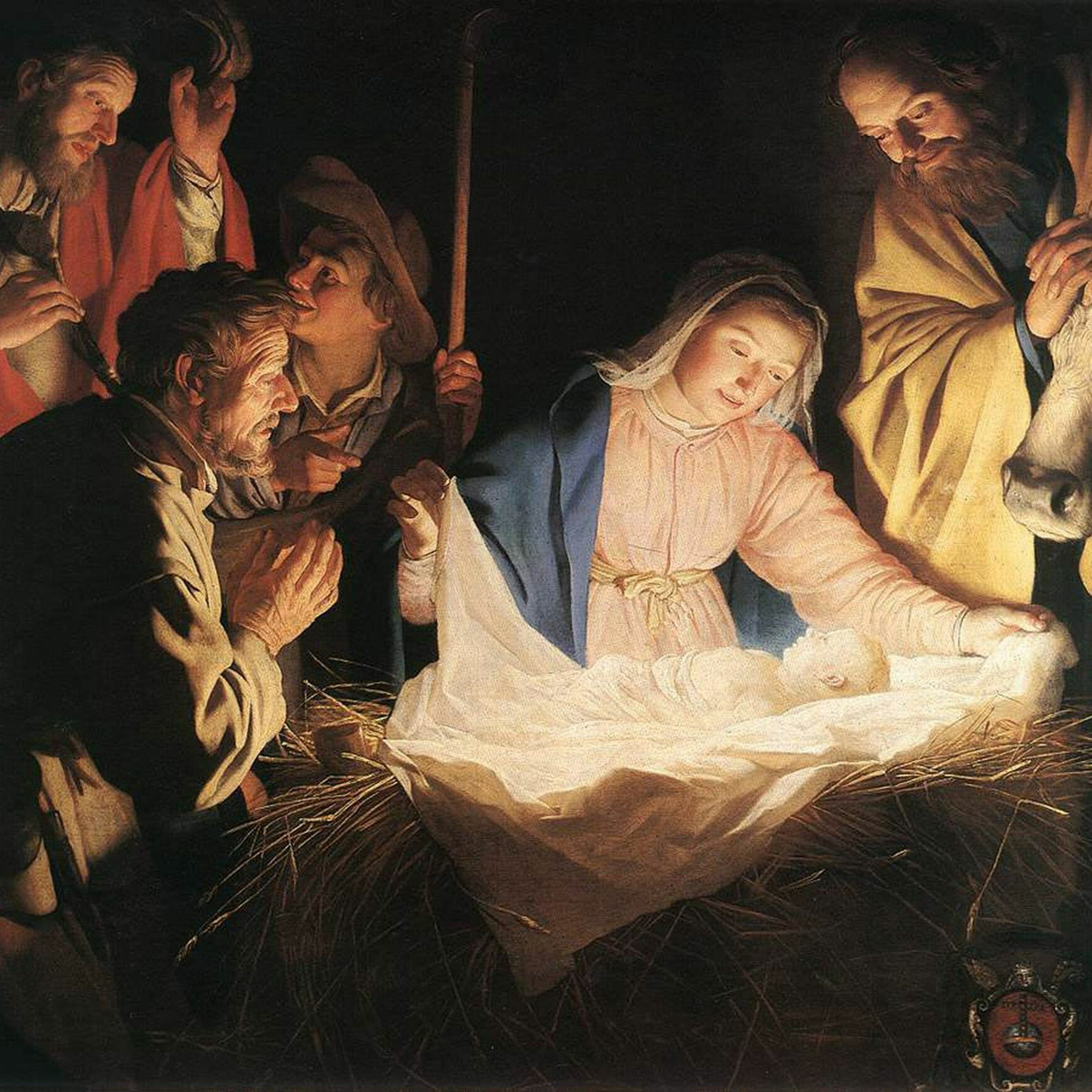
justinreeveO Come, O Come, EmmanuelThe words to “O Come, O Come, Emmanuel” are a translation of the Catholic Latin text “Veni, veni, Emmanuel” by John Mason Neale in the mid-19th century. Their origins are very old indeed, and may date as far back as the 12th century. They were of such importance in medieval days that in monasteries a separate stanza, to be sung from December 16 through December 23, was assigned to each of the most pious monks. The text is based on the biblical prophecy from Isaiah 7:14 that states that God will give Israel a sign that will be called Immanuel (literally, “God with us”...
2021-01-0507 min
justinreeveHuron Carol ('Twas in the Moon of Wintertime)Generally considered the first Canadian Christmas carol, “‘Twas in the Moon of Wintertime” was written in 1640 by a Jesuit priest, Jean de Brébeuf. He set the song to a French folk tune, “Une Jeune Pucelle.” Brébeuf was ministering to the Huron natives in Ontario, and created a song in their language that used symbols which could be understood by the tribe. For example, Jesus is born in a “lodge of broken bark” and wrapped in a “robe of rabbit skin.” Three “chiefs from afar” brought him fox and beaver pelts instead of gold, frankincense and myrrh, while hunters surrounded the baby rath...
2021-01-0506 min
justinreeveJesu, Joy Of Man's Desiring"Jesu, Joy of Man's Desiring" was composed by Johann Sebastian Bach in the early 1700s, as part of the final movement of the Herz und Mund und Tat und Leben cantata ("Heart and Mouth and Deed and Life").
The original German lyrics differ quite a bit from the traditional English lyrics, and strongly focus on a more personal connection with Christ. A literal translation is as follows:
Well for me that I have Jesus,
O how strong I hold to Him
That He might refresh my heart
When so sick and sad am I.
Jesus have I, He who loves...
2014-10-0604 min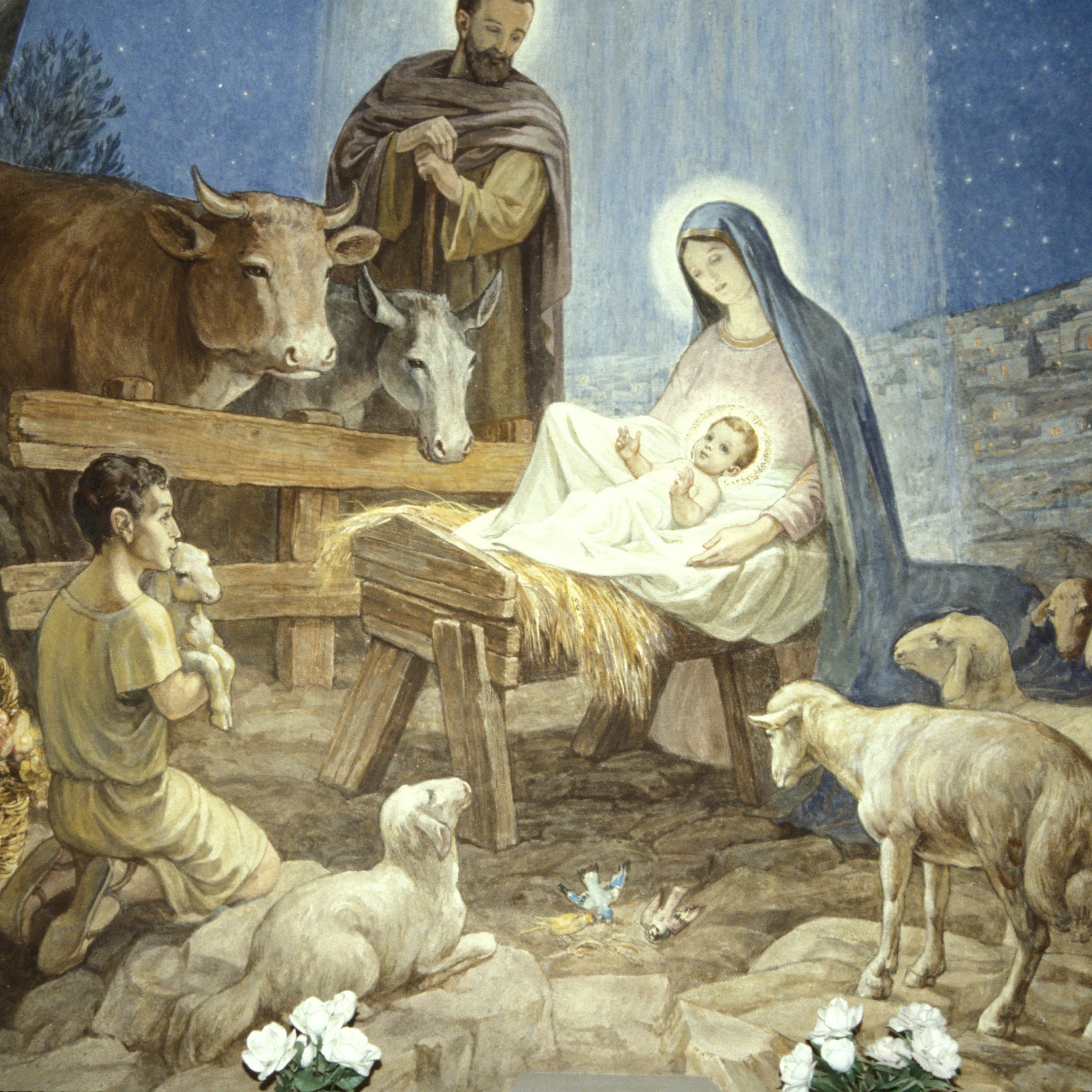
justinreeveThe First NoelIt's difficult to know just how old "The First Noel" is. The song (at least the words) is thought to be of Cornish origin, and may date back as early as the 13th or 14th century. During this time, miracle plays and mystery plays -- dramatic productions of Catholic saints and biblical stories -- were popular in Europe. "The First Noel" may have its origins in some form as early as this time, though it may also be a variation on "The First O Well," a very old church gallery hymn. It was first published with words in 1823, as part...
2014-10-0605 min
justinreeveCarol of the BellsLegend says that at the stroke of midnight on the evening when Jesus was born every bell on the earth began ringing joyously together. It is said there was never a sound quite like it. The song "Carol of the Bells" probably comes from that legend.
Traditionally, the song starts out soft and gets progressively louder as each voice adds tintinnabulation and then the song softly fades away. The tune for the song was written by Mykola Dmytrovich and was based on an old Ukrainian melody. The words that are used today were written by American composer Peter J. Wihousky...
2014-03-2405 min
justinreeveI Wonder As I WanderJohn Jacob Niles was traveling through a raucous revivalist meeting in North Carolina on July 16, 1933. A group was about to begin street preaching, when a girl stepped out of the entourage. She was unkempt and ragged, but once she started singing she had a beautiful voice. She smiled as she sang a single line of a song: "I wonder as I wander out under the sky..." with the reasons for Christ's death as the central question and message of the poignant, yet simple tune.
Niles asked the girl to sing the song fragment seven more times over again, paying her...
2014-03-2404 min
justinreeveIn the Bleak Midwinter"In the Bleak Midwinter" is based on a poem by Christina Rossetti, written around 1872. The evocative lyrics paint a picture of the Nativity in a snowy Northern landscape. The text of this Christmas poem has been set to music many times, the most famous settings being composed by Gustav Holst and Harold Edwin Darke in the early 20th century. The carol is beloved by millions, and in 2008, Darke's version of the song was voted the "Best Christmas Carol" by the world's leading choirmasters and choral experts.
https://music.justinreeve.com/in-the-bleak-midwinter/
2014-03-2404 min
justinreeveIt Came Upon the Midnight ClearEdmund Hamilton Sears was a young Unitarian minister living in Massachusetts when he penned the poem "It Came Upon the Midnight Clear" in 1849. It was published that year in the Christian Register magazine in Boston. The following year, Richard Storrs Willis, an editor and critic for the New York Tribune as well as an accomplished musician, wrote the music for the poem. The song has made its way into Christian hymnals all over the world, as well as traditional Christmas albums by numerous singers.
Sheet music available at https://music.justinreeve.com/it-came-upon-the-midnight-clear/
2014-03-2404 min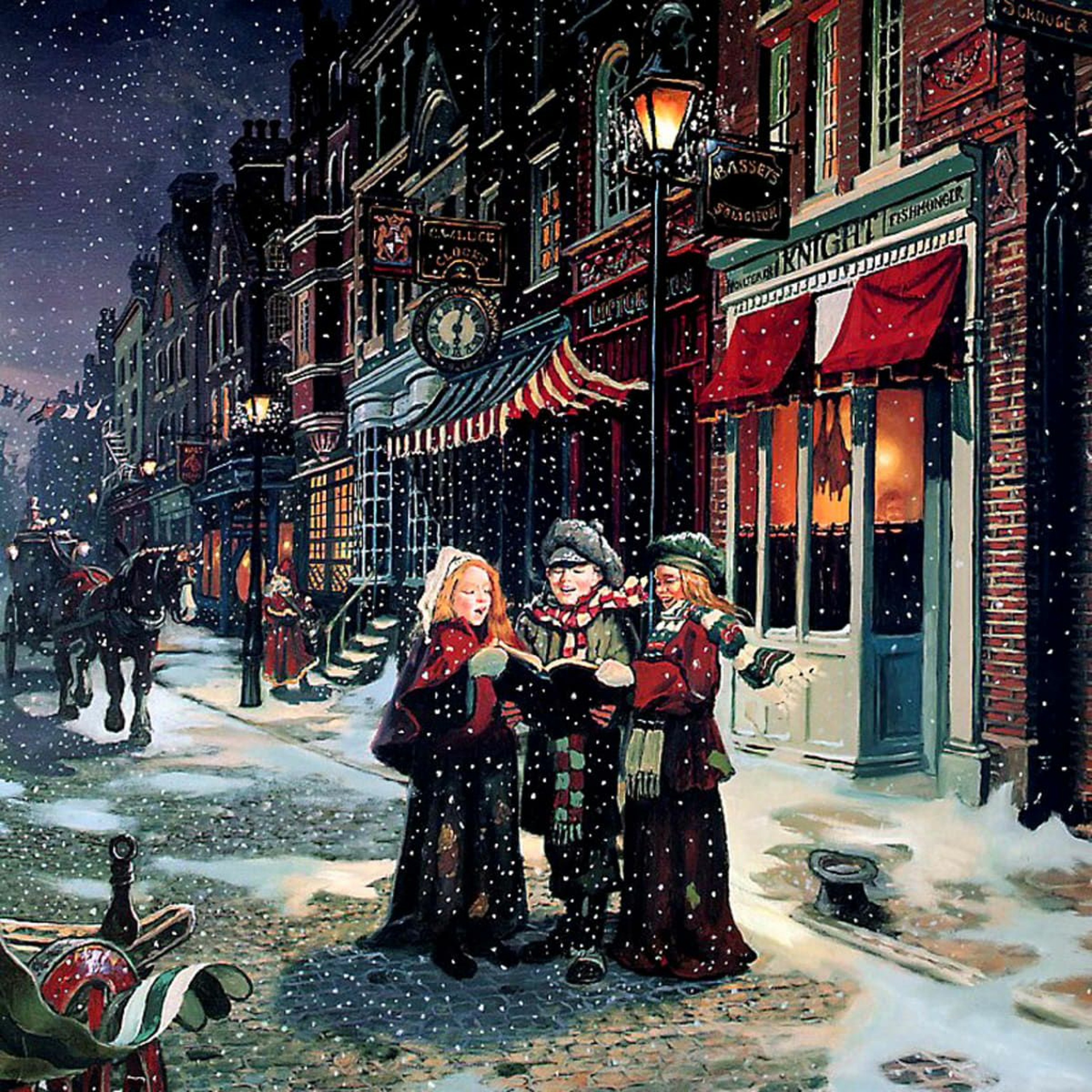
justinreeveGod Rest Ye Merry, Gentlemen"God Rest Ye Merry, Gentlemen" is an old carol sung by the waits, the municipal watchmen of old England. The waits were licensed to perform the duty of singing seasonal songs to the gentry, or the upper-class citizens. The author of the carol is unknown. The song was first published in 1827 as an "ancient version, sung in the streets of London." However, in the earliest known publication of the carol on a circa 1760 broadsheet, it is described as a "new Christmas carol," suggesting its origin to actually be mid-18th century, though some other accounts place the lyrics as far...
2014-03-2406 min
justinreeveO Holy NightAdolphe Charles Adam was an accomplished composer for opera, theatre, and ballet, and a teacher at the Paris Conservatoire. At the age of 27, in 1830, he had completed nearly 30 theatre productions. "Cantique de Noël," translated to English as "O Holy Night" is one of his most famous works, done in collaboration with Adam's friend Cappeau de Roquemaure, who supplied the lyrics to Adam's melody.
Strangely enough, the song was originally frowned upon by the 19th-century church authorities. One French bishop even denounced it as "unfit for church services because of its lack of musical taste and total absence of the s...
2014-03-2407 min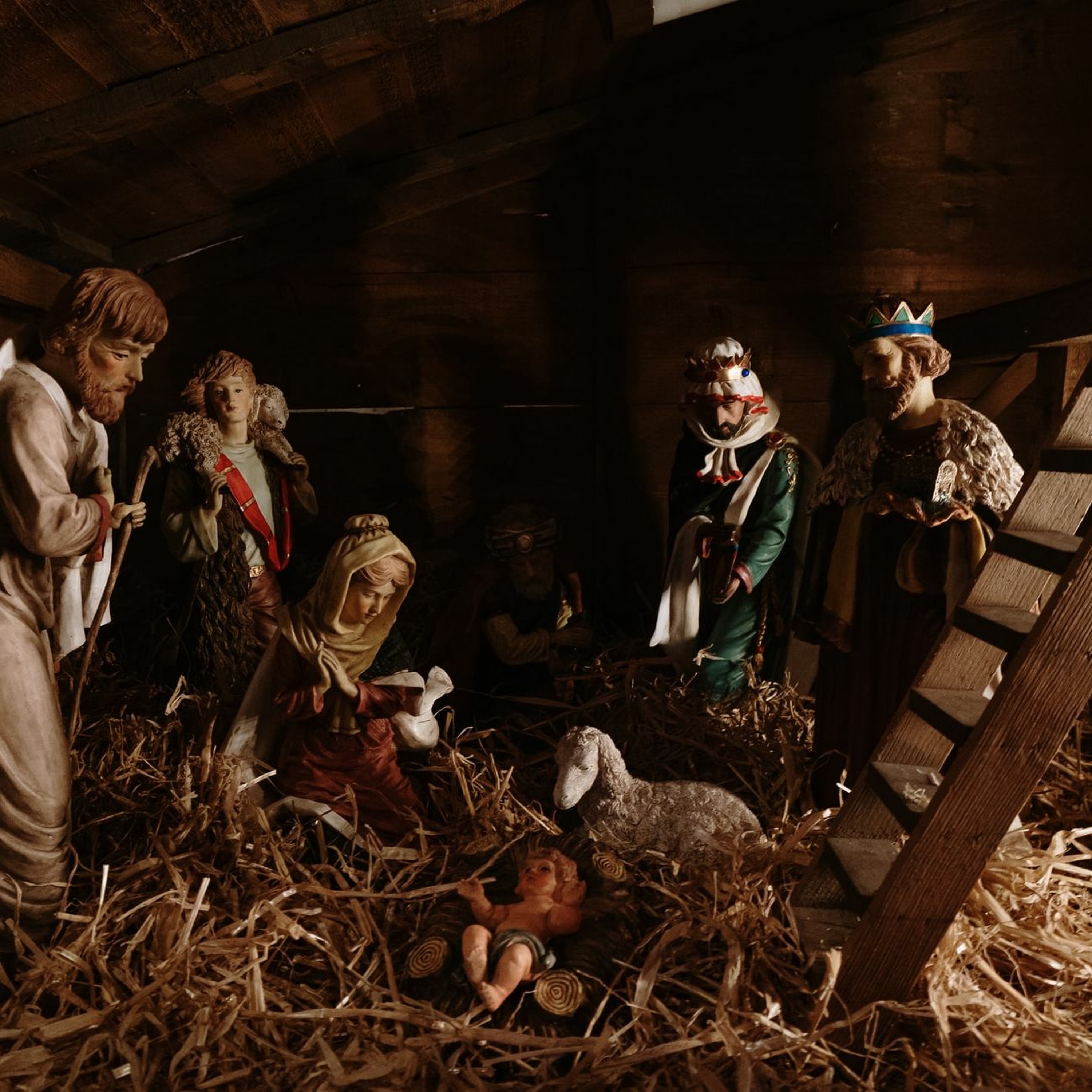
justinreeveAway in a MangerIn 1887, James R. Murray published this verse and called it "Luther's Cradle Hymn, composed by Martin Luther for his children, and still sung by German mothers to their little ones." Incidentally, Martin Luther, the famous father of the Reformation, was not the author, nor was Murray. The origin is a children's Sunday school book published a few years before Murray's attribution. The verses have been set to a number of tunes, but this arrangement is set to Murray's own tune, called "Mueller."
Sheet music available at https://music.justinreeve.com/away-in-a-manger/
2014-03-2403 min
justinreeveWhere Are You Christmas?This song, originally called "Christmas, Why Can’t I Find You," was written by James Horner for the 2000 movie How the Grinch Stole Christmas. It was first performed by Taylor Momsen, who played Cindy Lou Who in the movie. A different version was later co-written by James Horner, Will Jennings and Mariah Carey, where it was given its more popularly-known title, "Where Are You Christmas?"
https://music.justinreeve.com/where-are-you-christmas/
2009-12-2404 min
justinreeveWhat Child Is This?"What Child Is This?" was written by William Chatterton Dix in 1865. At the age of 29, William was struck with a sudden near-fatal illness and confined to bedrest for several months, during which he went into a deep depression. Yet out of his near-death experience, Dix wrote many hymns, including "What Child Is This?" It was later set to the traditional English tune "Greensleeves."
https://music.justinreeve.com/what-child-is-this/
2009-12-2202 min